
Every phone or computer eventually reaches the point where its maker stops shipping meaningful security patches, even while the device keeps working normally. That cutoff rarely comes with any announcement, so owners often keep using hardware that quietly lost its defenses months or years earlier. Here are ten phones and computers that Apple, Google, Microsoft and Samsung have each confirmed no longer receive real security updates.
1. iPhone 6 & iPhone 6 Plus: Frozen At iOS 12
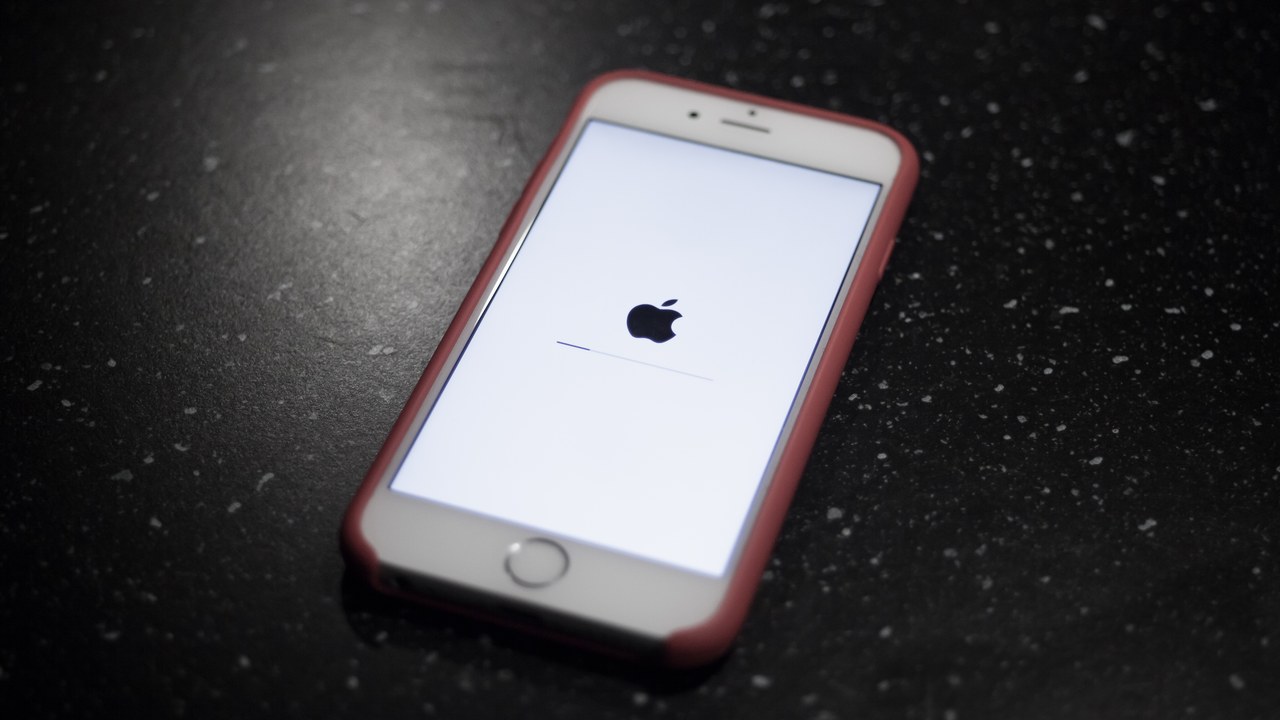
Apple’s iOS security release notes still list the iPhone 6 and iPhone 6 Plus, but both models are capped at iOS 12.5.8, a build six major iOS versions behind the current iOS 27. Apple continues issuing rare patches to that branch, yet nothing on the list shows either handset receiving a fix newer than version 12.
Anyone still relying on one of these phones for calls, banking apps or two-factor codes is running an operating system that stopped tracking new vulnerabilities years ago. The hardware itself no longer qualifies for the newer iOS releases that carry Apple’s current protections.
2. iPhone 6s: Maxed Out On iOS 15
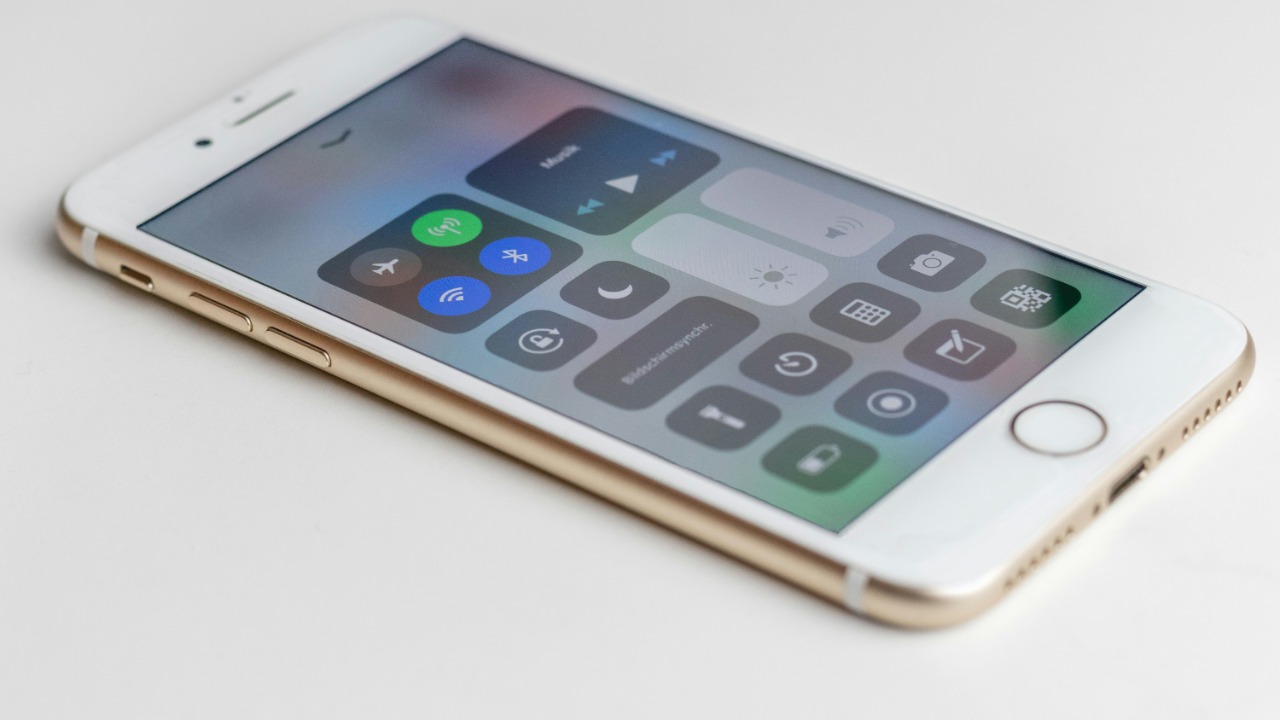
The iPhone 6s tops out at iOS 15.8.8, according to Apple’s iPhone update list, missing every security fix Apple has shipped since iOS 16 arrived. That ceiling applies to every 6s variant, regardless of storage size or carrier.
Three full iOS generations, 16, 17 and 18, have shipped patches this phone will never receive, covering flaws discovered well after its final update landed. Apps that still open on the device offer no guarantee the operating system beneath them is protected.
3. iPhone 7: Same Ceiling As The 6s
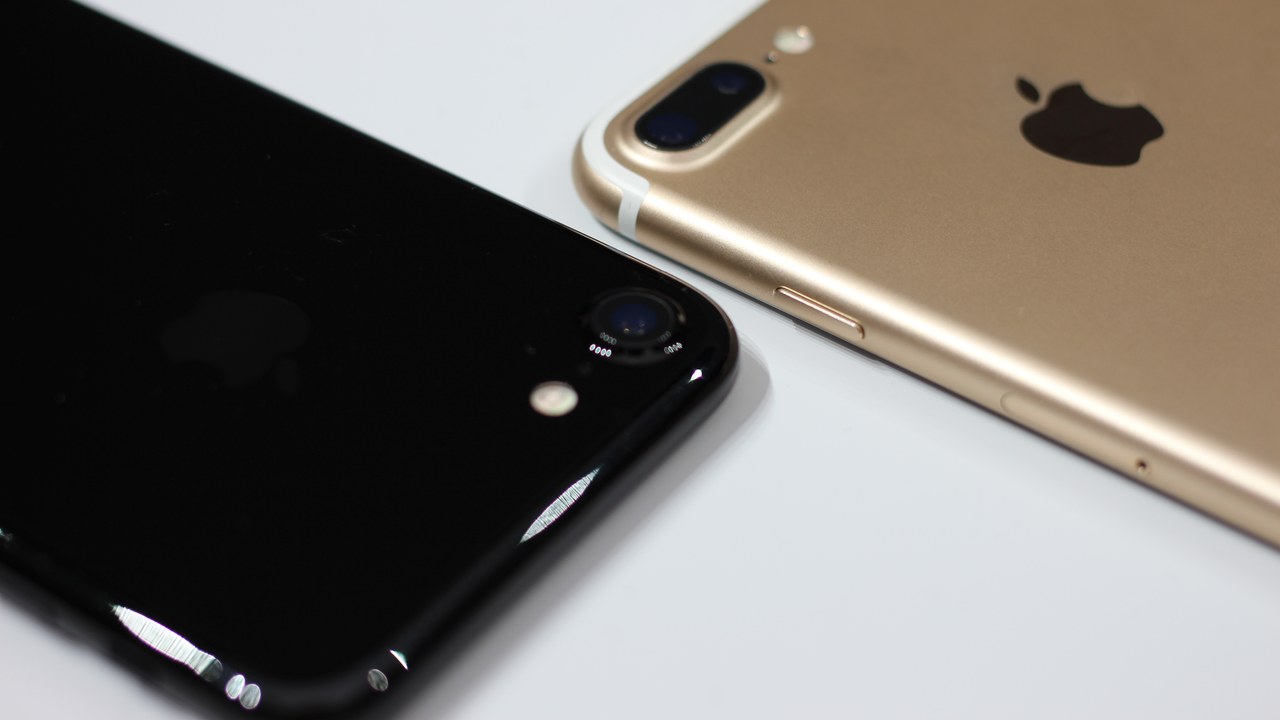
The iPhone 7 shares the iPhone 6s’s ceiling of iOS 15.8.8, per Apple’s update history page, with no route to any security fix issued after that build. Apple’s release notes show no newer version ever reaching this model.
That leaves the iPhone 7 exposed to whatever vulnerabilities researchers have found in iOS since 15.8.8 shipped, with no patch coming regardless of how long the phone keeps working. Its age no longer buys it a place in Apple’s active update rotation.
4. iPhone 8, iPhone 8 Plus & iPhone X: Two Generations Behind
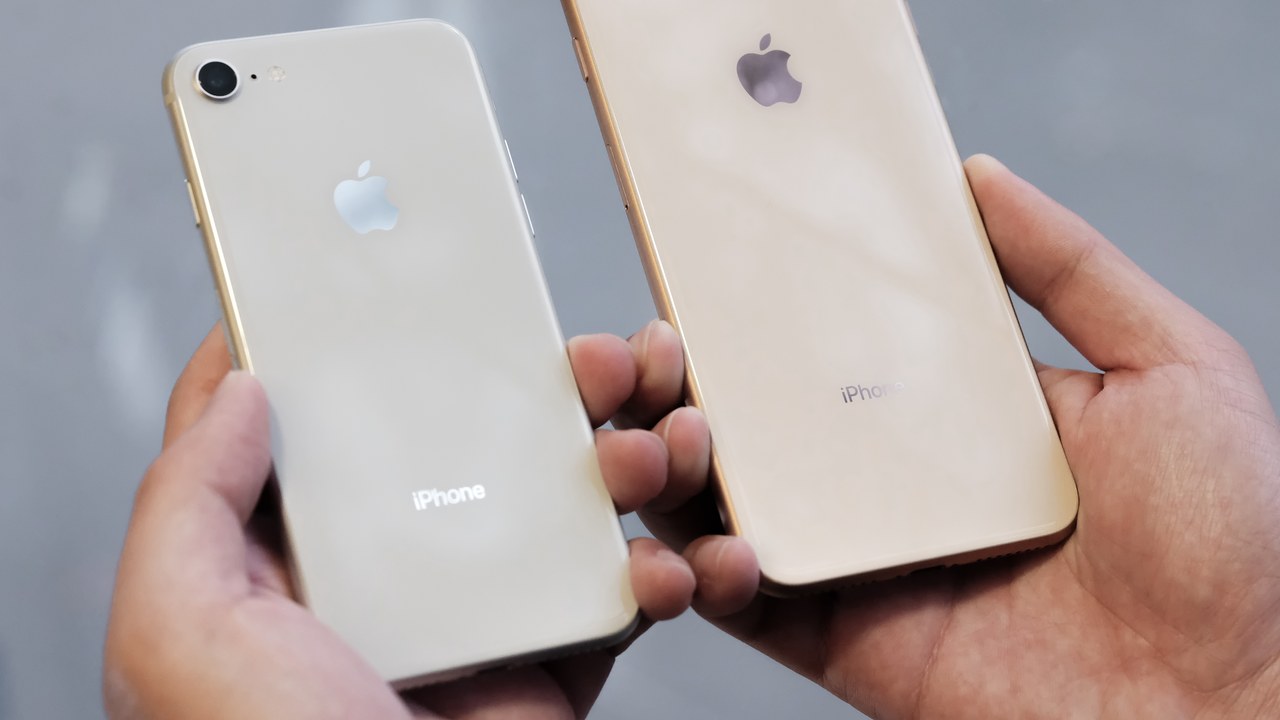
iPhone 8, iPhone 8 Plus and iPhone X owners are limited to iOS 16.7.16, the top of the iOS 16 branch, according to Apple’s own release log. That puts all three models two full iOS generations behind Apple’s current release.
The gap means fixes issued in iOS 17 and iOS 18 remain unaddressed on these devices, since Apple never extended their update path past iOS 16. Owners keeping any of the three in daily use are doing so without those later security fixes.
5. Google Pixel 3 & Pixel 3 XL: Also On The Cutoff List
Google’s own Pixel support page lists the Pixel 3 and Pixel 3 XL among the models that no longer receive Android version or security updates, grouped alongside the newer Pixel 4 and Pixel 5 lines Google has also cut off. Both phones launched in October 2018 under a three-year update guarantee that has long since run out.
That three-year window means the Pixel 3 line has gone years without a single patch for newly disclosed Android vulnerabilities, even on units that still power on and run apps normally. Google’s listing draws no distinction between the standard Pixel 3 and the larger Pixel 3 XL on that point.
6. Google Pixel 4a & Pixel 4a 5G: Named Alongside The Pixel 4
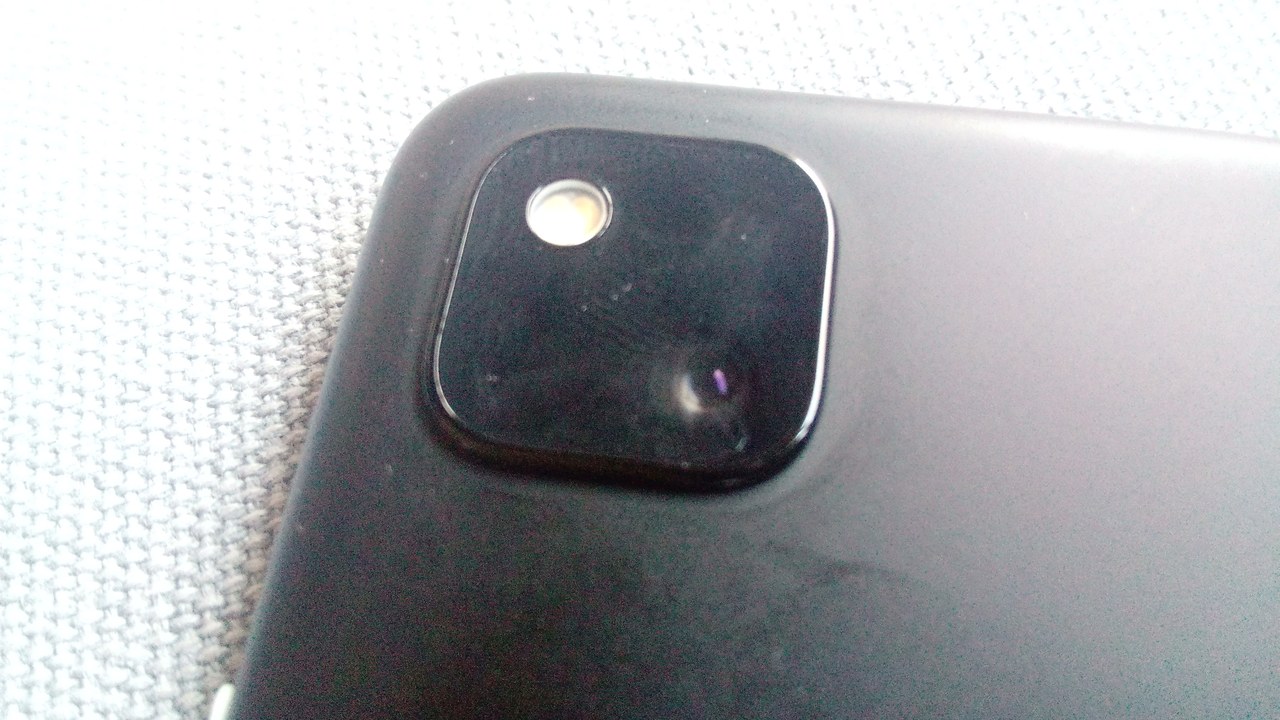
The Pixel 4a and Pixel 4a 5G appear on the same Google support listing as the standard Pixel 4, both marked as no longer receiving updates. Google groups the pair together with its older Pixel 4 siblings rather than listing them on their own.
That shared status means both budget-focused models lost their security coverage at the same point as the flagship Pixel 4, despite launching with a lower price rather than an older chipset. Owners get no separate grace period for either variant.
7. Google Pixel 5 & Pixel 5a: Also Past Its Window
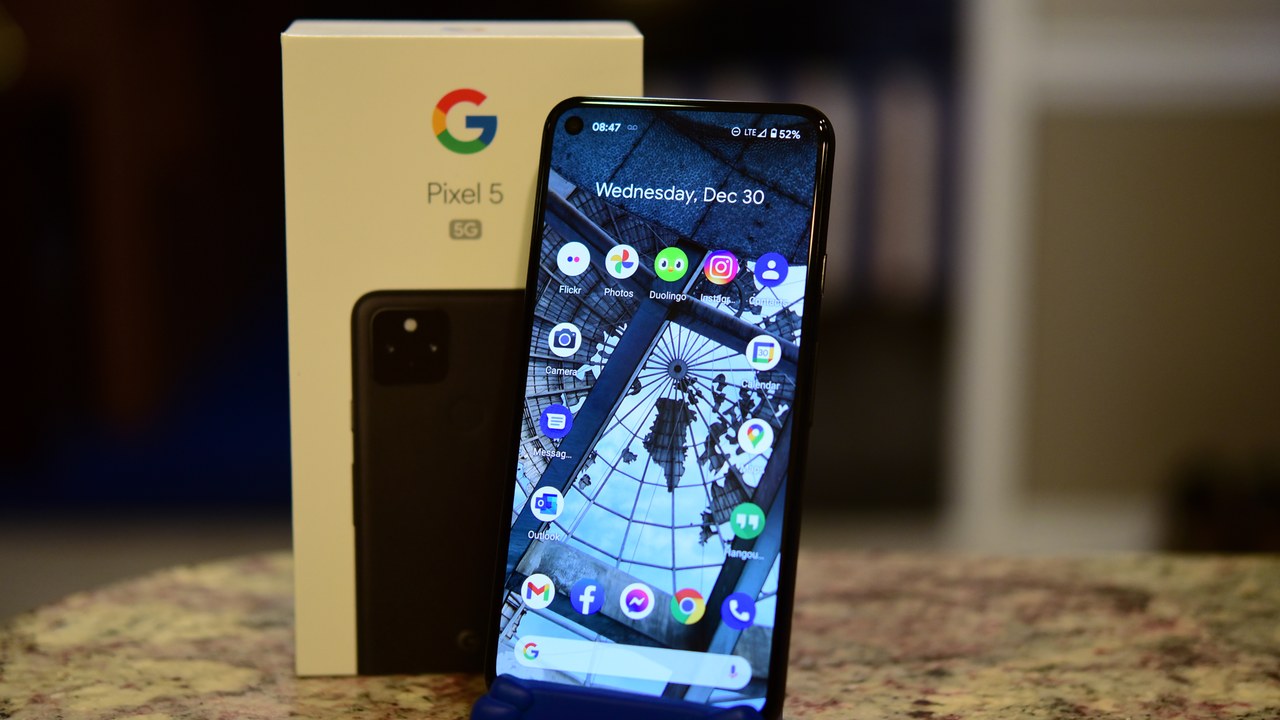
Google lists the Pixel 5 and Pixel 5a on the same no-longer-updated roster as the Pixel 4 series, confirming both have exhausted their security-update window. Neither model shows a scheduled patch beyond that listing, and Google’s page does not distinguish between the standard Pixel 5 and the cheaper Pixel 5a on that point.
For two phones Google once sold as current Pixel models, the cutoff means new Android vulnerabilities disclosed today get fixed everywhere except on a Pixel 5 or Pixel 5a. Hardware age, not software capability, is what ended their coverage, and neither model has a newer Pixel-branded update waiting to arrive.
8. Samsung Galaxy S9 & Galaxy S9+: Update Support Already Ended
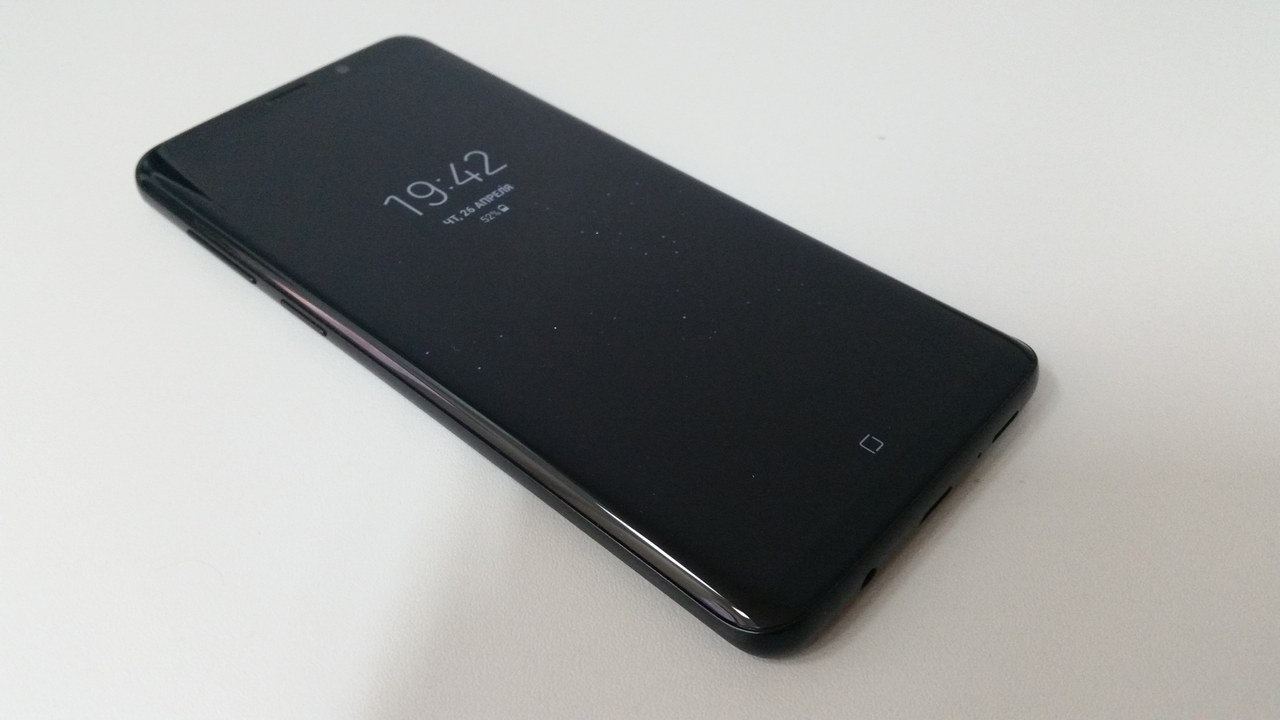
The Galaxy S9 series reached its end of life in April 2022, according to Wikipedia’s Galaxy S9 entry, with that month’s security patch marking the final update Samsung shipped for the line. Both the Galaxy S9 and Galaxy S9+ share that identical cutoff.
Years past that final patch, any vulnerability disclosed in Android today simply never reaches either model, no matter how well the hardware still performs. The S9 and S9+ exited Samsung’s update schedule together, with neither phone getting an individual extension.
9. Windows 10 PCs: Free Patches Ended In 2025
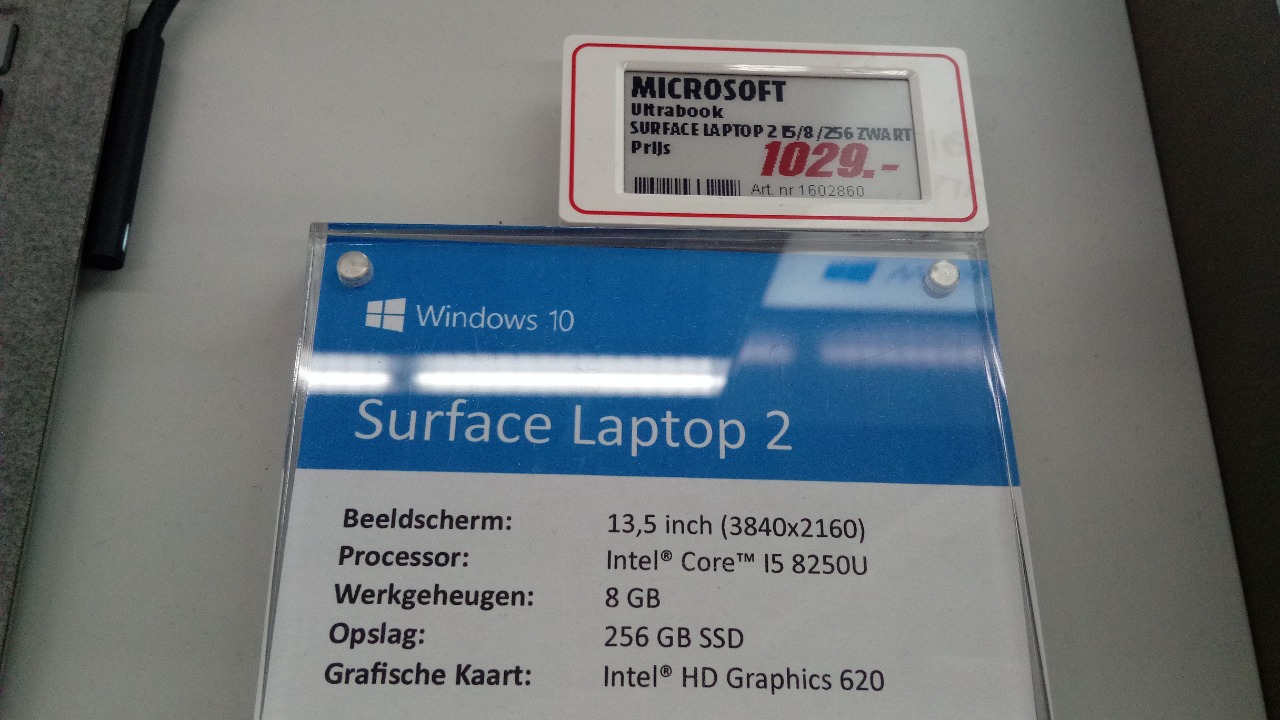
Microsoft’s own lifecycle documentation confirms free security updates for Windows 10 stopped on October 14, 2025, with version 22H2 standing as the operating system’s final release. Every edition covered by that page follows the same end date.
Hundreds of millions of machines were still running Windows 10 when that date passed, meaning a huge share of PCs in daily use lost their free patch stream at once. Continuing to run the OS without a paid extension leaves those systems exposed to fixes that simply stop arriving.
10. Samsung Galaxy S10: Update Promise Expired In 2023
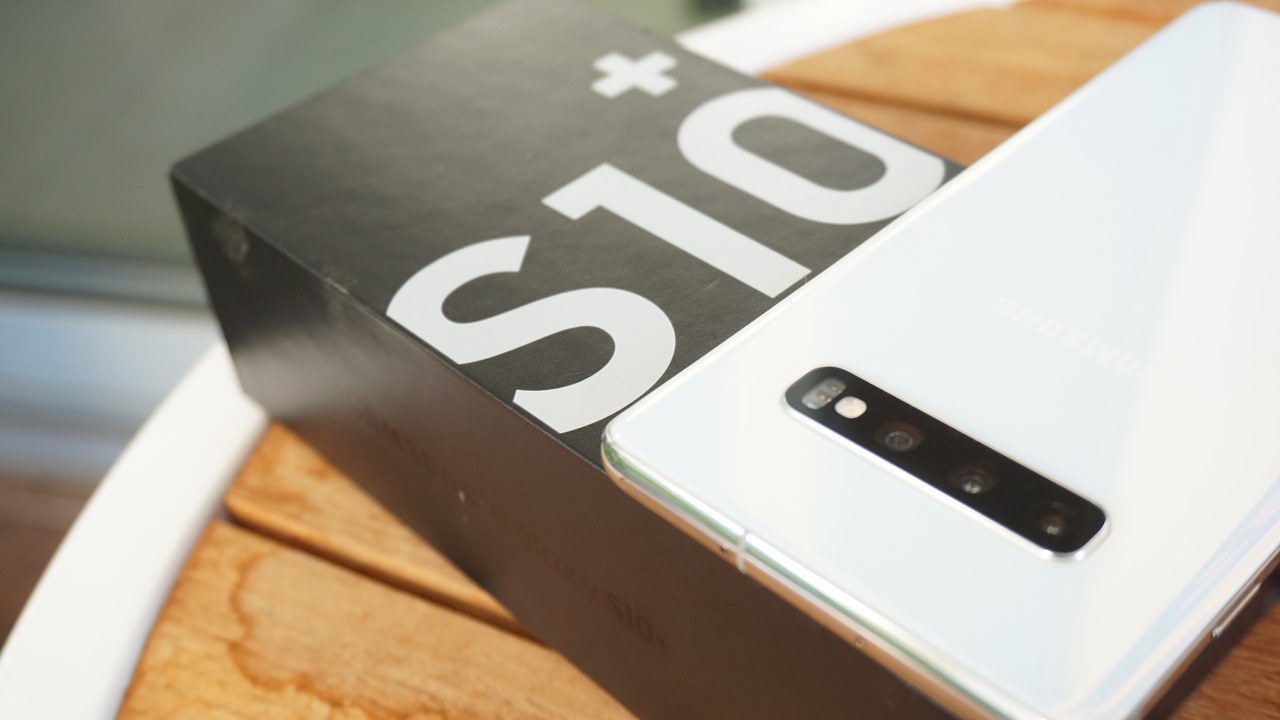
Samsung committed to four years of security updates for the Galaxy S10 line, and the phone’s own release history shows that window closed with the March 2023 patch. That final update covered the S10, S10e, S10+ and S10 5G alike.
By 2026, the once-flagship Galaxy S10 has gone more than three years without a security patch, well past the point where the industry considers a device actively supported. Its update commitment ran out on schedule, and nothing has extended it since.
More from Morning Overview
- The NSA is again telling phone owners to switch off one location setting
- Supplements now rank as the fifth-leading cause of death from liver disease.
- Herbal supplements are landing Americans in the hospital with liver damage, doctors warn
- General Motors is switching on cameras that record inside your vehicle by update
