
The personal luxury coupe was Detroit’s answer to buyers who wanted comfort and status over outright speed, wrapped in long hoods and padded roofs. Through the 1970s these two-door cruisers filled American driveways with plush interiors and imposing chrome. Here are ten personal luxury coupes that defined the decade’s boulevard cruising.
1. Lincoln Continental Mark V: Chrome-Laden Flagship
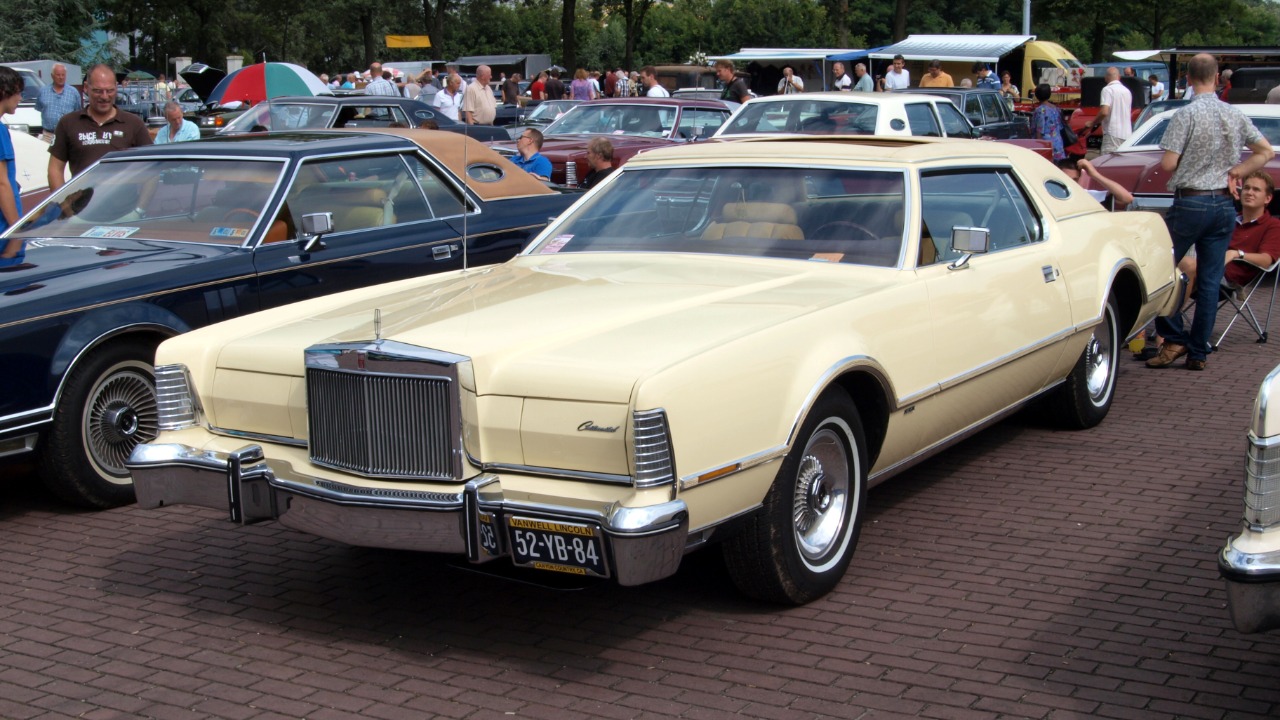
Few cars embodied 1970s excess like the Mark V, a vast two-door draped in chrome and stretching well over eighteen feet from bumper to bumper. The Lincoln Mark V offered a range of designer editions and a hidden-headlamp face that made it a fixture of country-club parking lots and suburban driveways alike.
Its sheer size and formal roofline signaled arrival more than agility, and buyers paid for presence rather than pace. As one of the era’s best-selling luxury coupes, the Mark V helped Lincoln compete directly with Cadillac at the very top of the American market, and it remains a defining symbol of the decade’s taste for scale and ornament.
2. Cadillac Eldorado: The Standard Of The Segment
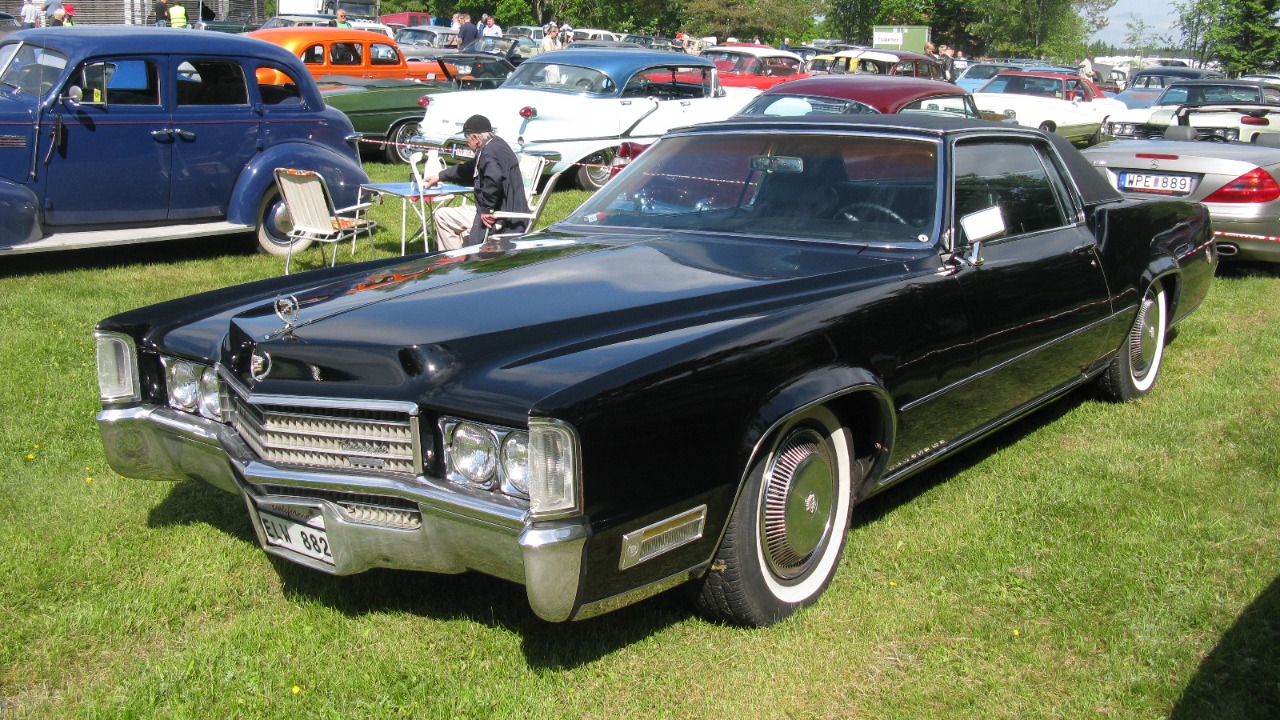
The Eldorado was Cadillac’s personal luxury flagship, and in this era it rode on a front-wheel-drive platform that freed up a flat, unusually spacious cabin. The Cadillac Eldorado paired large-displacement engines with a plush ride tuned for effortless, isolated cruising over long distances.
It served as an aspirational benchmark that rivals measured themselves against, blending brand prestige with genuine engineering ambition. For much of the decade the Eldorado defined what an American personal luxury coupe was supposed to be, and its convertible versions became especially prized as open-top luxury grew rarer toward the end of the 1970s.
3. Buick Riviera: The Boattail Cruiser
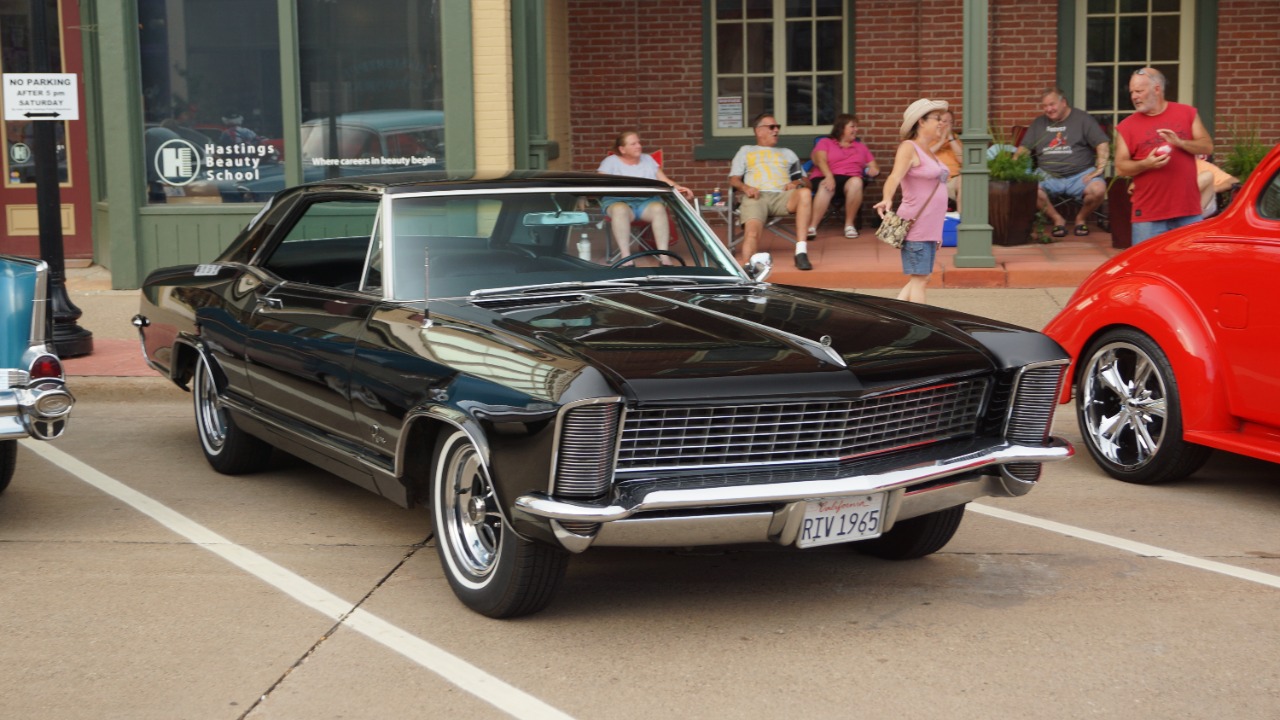
Buick’s Riviera brought distinctive styling to the class, most famously the dramatic boattail rear deck of the early 1970s cars. The Buick Riviera combined that bold, sculpted shape with a smooth ride and a well-appointed interior aimed at buyers who wanted individuality.
It gave buyers a more design-led alternative to the formal Cadillac and Lincoln coupes without sacrificing comfort or road manners. The Riviera showed that a personal luxury car could take real styling risks and still sell on its blend of flair and refinement, and the boattail models in particular remain among the most collectible of the breed.
4. Oldsmobile Toronado: Front-Drive Pioneer
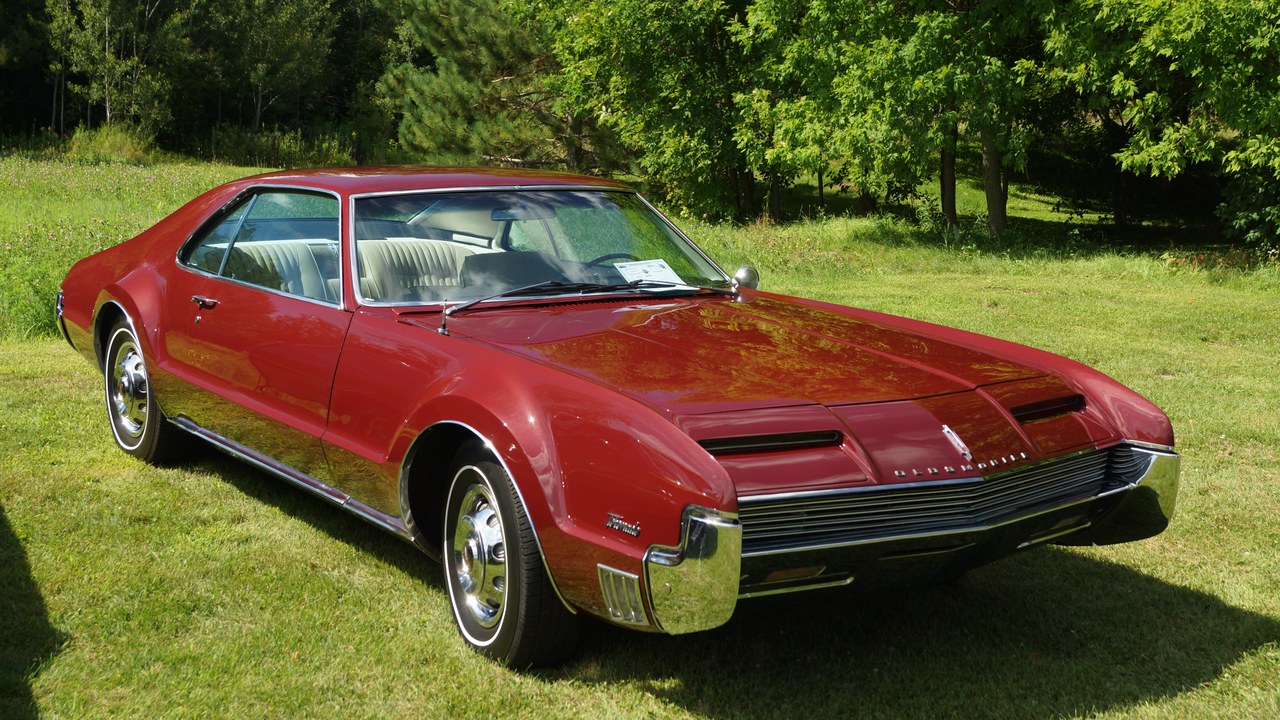
The Toronado stood out as an early front-wheel-drive personal luxury coupe, an unusual layout for a large American car of its time. The Oldsmobile Toronado used that configuration to deliver a flat floor, confident traction and a distinctive driving character in a big, comfortable body.
Its engineering set it apart from rear-drive rivals and demonstrated Oldsmobile’s willingness to innovate at the top of its range. The Toronado paired that technical distinction with the plush cabin and long-distance ease expected of the segment, making it one of the more forward-looking entries among the decade’s personal luxury coupes.
5. Chrysler Cordoba: Fine Corinthian Leather
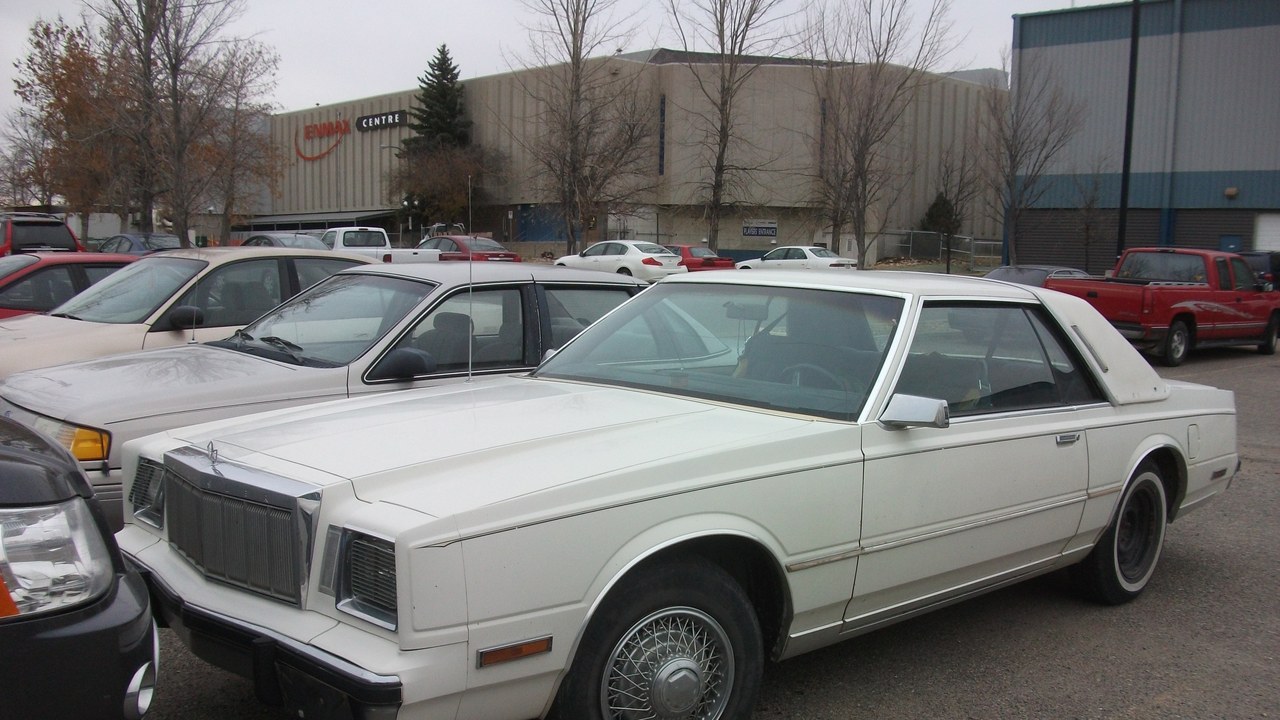
The Cordoba became a cultural touchstone thanks to advertisements praising its available “fine Corinthian leather,” delivered by the actor Ricardo Montalban in a memorable campaign. The Chrysler Cordoba gave the brand a smaller, more affordable entry into the crowded personal luxury field.
It proved a strong seller for Chrysler at a time when the company badly needed a hit, broadening the coupe’s appeal well beyond the biggest, priciest models. The Cordoba’s marketing became as memorable as the car itself, and the phrase it popularized endured in popular culture long after the model left showrooms.
6. Ford Thunderbird: Ford’s Plush Two-Door
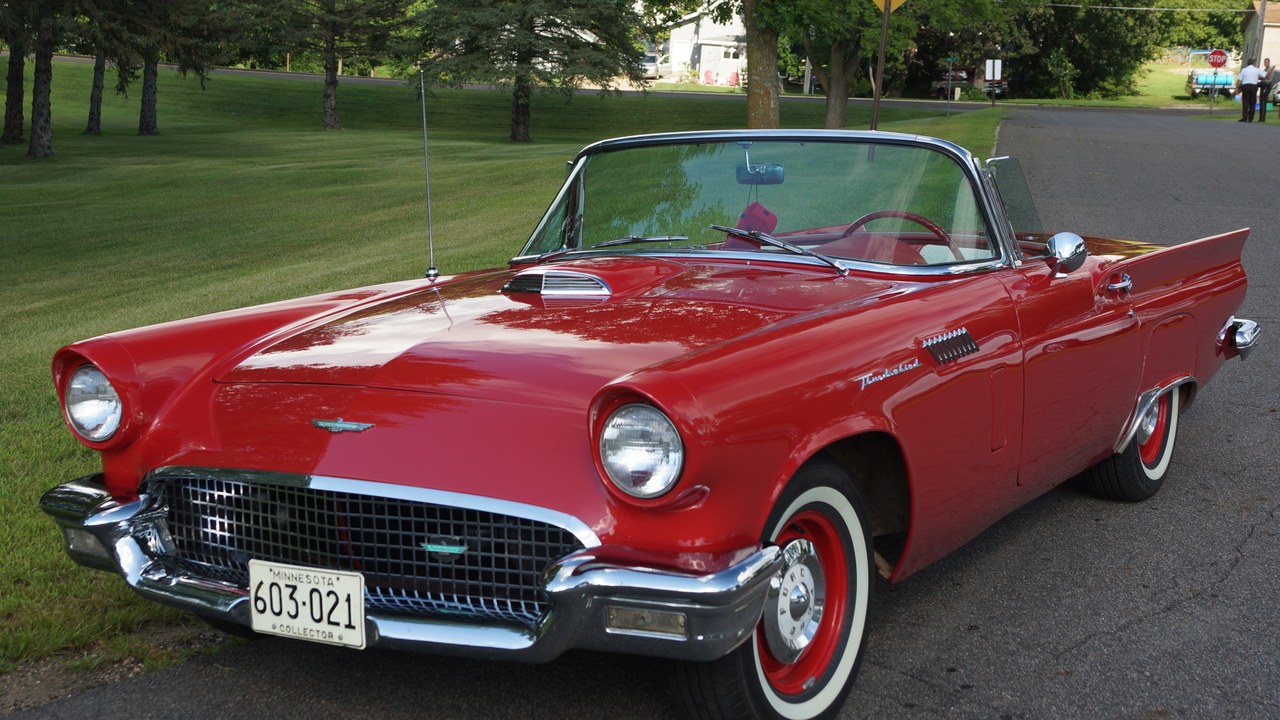
By the 1970s the Thunderbird had grown into a large, softly sprung personal luxury coupe far removed from its sporty two-seat origins of the previous decade. The Ford Thunderbird emphasized quiet comfort, formal styling and a long list of convenience and appearance options.
It positioned Ford squarely in the boulevard-cruiser market alongside the Mark series and Cadillac’s coupes. The Thunderbird’s shift toward plush luxury mirrored the decade’s tastes, trading agility for the smooth, isolated ride buyers wanted, and later downsized versions kept the nameplate alive as fuel economy became a growing concern.
7. Chevrolet Monte Carlo: The Best-Selling Cruiser
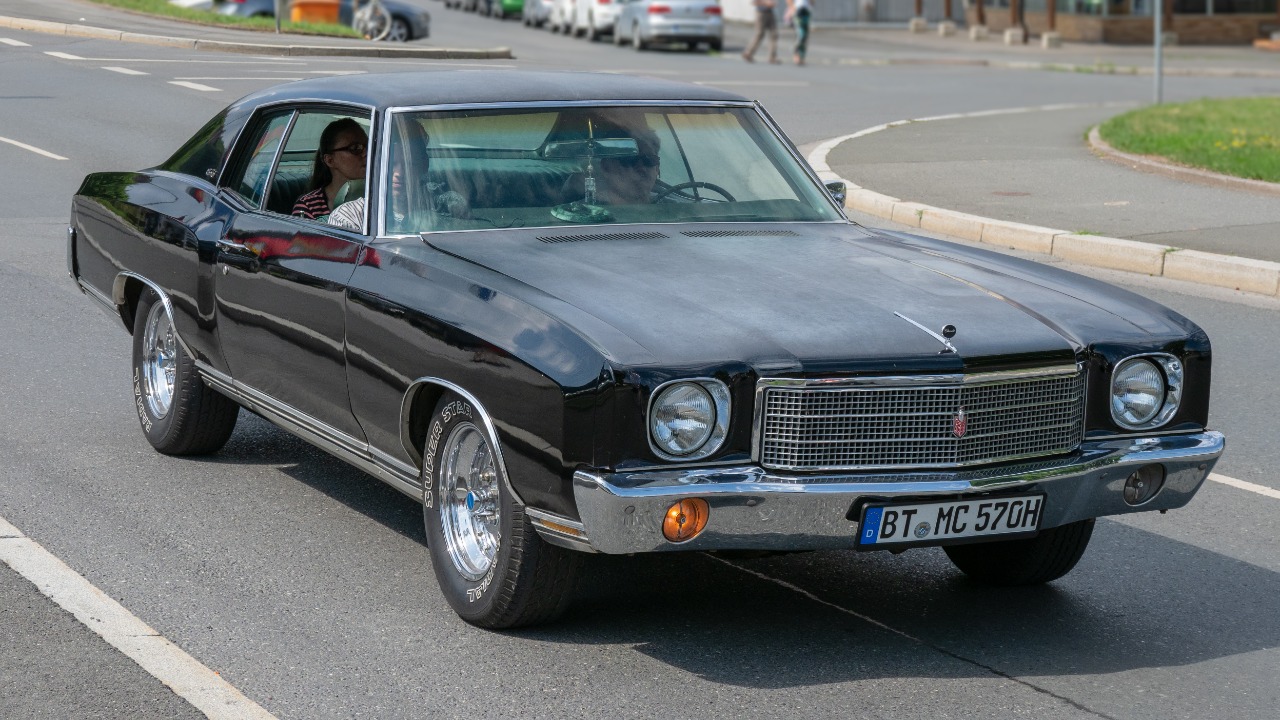
The Monte Carlo brought personal luxury styling to a far more attainable price point, and it sold in enormous numbers as a result. The Chevrolet Monte Carlo wrapped a long hood and a formal roofline around Chevrolet’s mainstream mechanicals, offering the look of a flagship for much less money.
That combination of look-at-me styling and accessible pricing made it one of the segment’s genuine volume leaders. The Monte Carlo showed that the personal luxury formula could reach a much broader audience than the flagship coupes above it, and it became one of the most recognizable American cars of its generation.
8. Pontiac Grand Prix: Sporty Luxury

Pontiac’s Grand Prix leaned toward the sportier end of the personal luxury class, pairing a long hood with a more driver-focused image and trim. The Pontiac Grand Prix offered the segment’s signature comfort with a slightly more aggressive presentation than its corporate cousins.
It appealed to buyers who wanted plush two-door style without feeling as formal as a Cadillac or Lincoln. The Grand Prix helped Pontiac carve a distinct niche within General Motors’ crowded lineup of personal luxury coupes, and its strong sales made it a cornerstone of the division’s showroom throughout the decade.
9. Mercury Cougar: Mercury’s Upscale Coupe
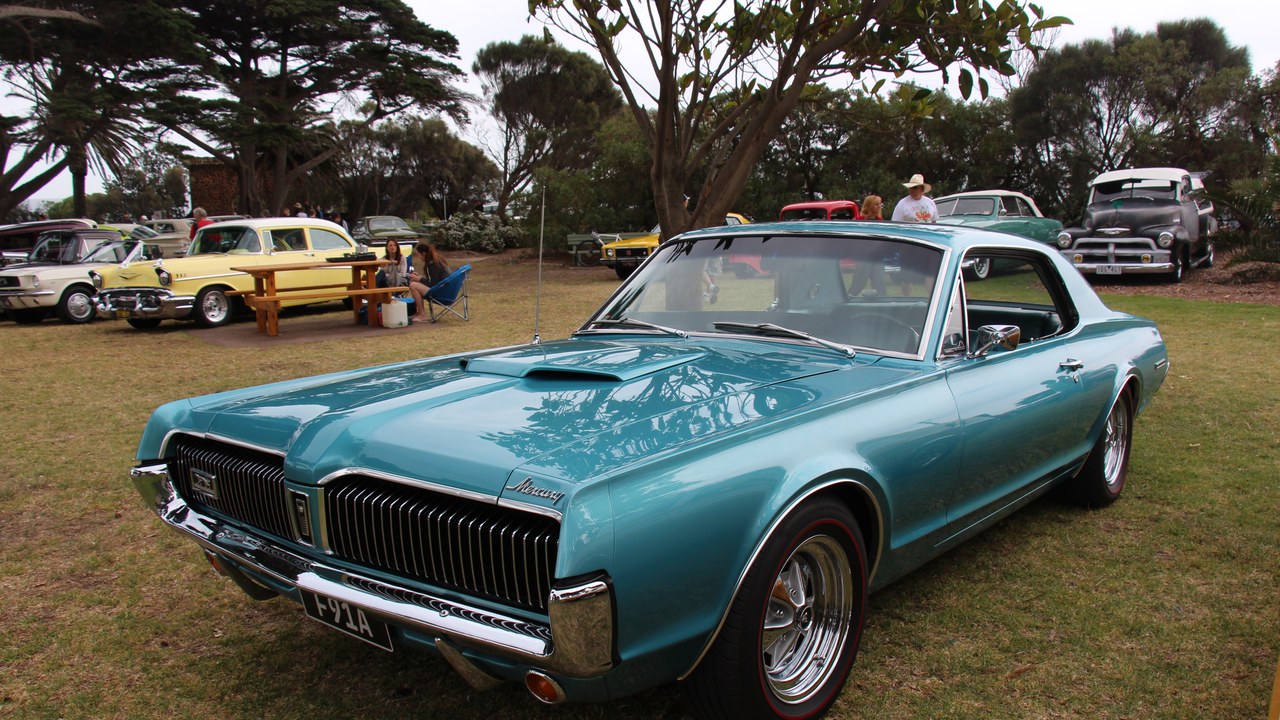
The Cougar moved steadily upmarket during the 1970s, evolving from a compact pony car into a larger, more luxurious Mercury coupe. The Mercury Cougar adopted the padded roofs, plush trim and formal styling that defined the personal luxury look of the era.
That repositioning let Mercury slot the Cougar neatly between mainstream Fords and the top-tier Lincolns in the corporate hierarchy. The Cougar’s transformation captured how the decade pushed even sporty nameplates toward comfort and status over performance, broadening its appeal to buyers seeking a distinctive alternative to the domestic mainstream.
10. Chrysler Imperial: Chrysler’s Top Tier
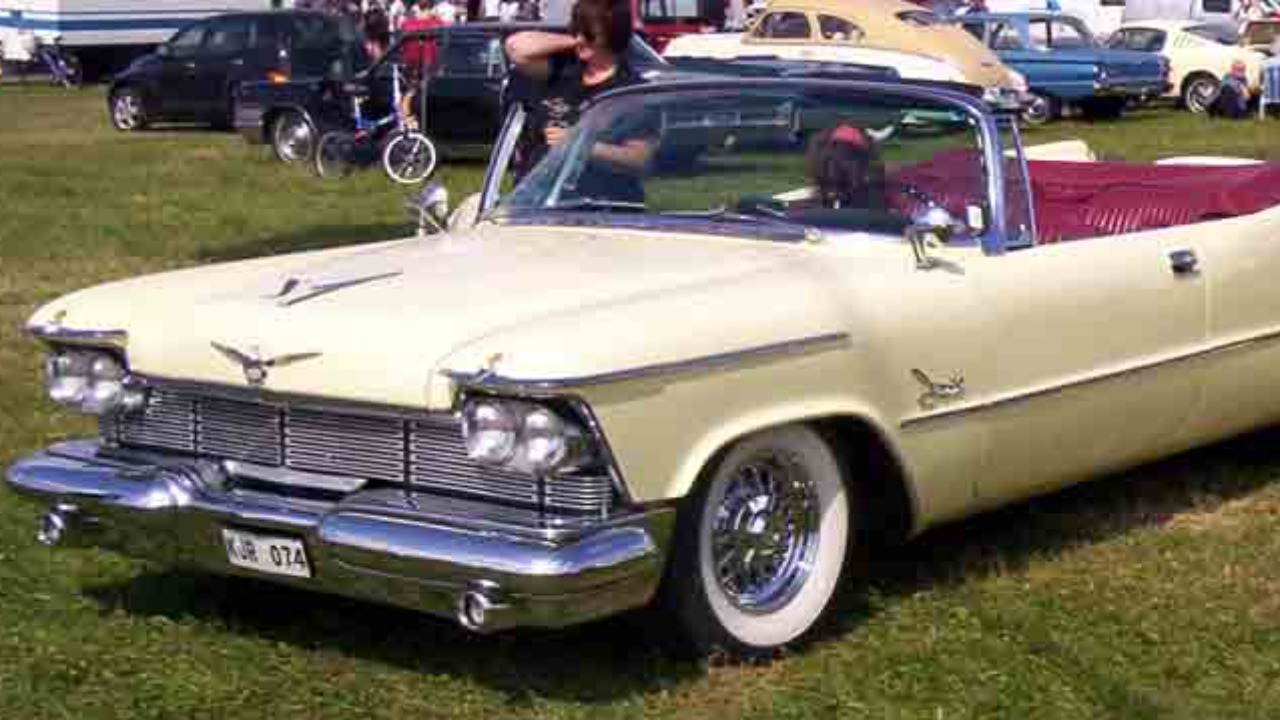
The Imperial served as Chrysler’s most prestigious offering, a large and lavishly equipped car aimed squarely at the segment’s upper reaches. The Chrysler Imperial countered Cadillac and Lincoln with imposing dimensions, a richly trimmed cabin and the brand’s most advanced comfort features.
It represented the traditional American full-size luxury car at its most formal, emphasizing presence and comfort above all else. The Imperial rounded out Chrysler’s luxury ambitions, giving the company a genuine flagship to place against Detroit’s finest, even as tightening economics made such grand coupes harder to justify by the decade’s end.
More from Morning Overview
