
Some meteorites survive their fall completely intact, iron masses so dense that entire museums have been designed around them instead of the other way around. A few still rest exactly where they landed, too heavy for any known equipment to relocate without specialized engineering. Here are ten of the heftiest space rocks ever recovered, measured in tons rather than pounds.
1. Hoba meteorite: Too Massive To Move
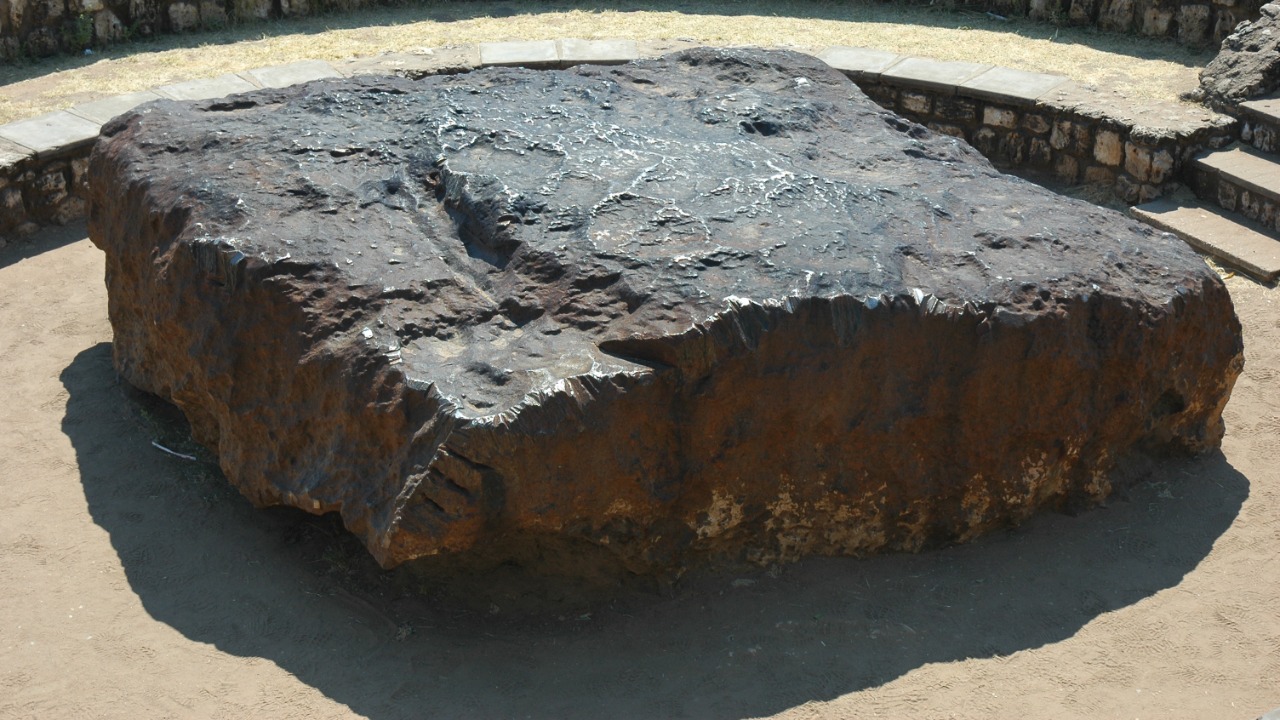
The Hoba meteorite fell onto a Namibian farm and has been measured at more than 60 tonnes, earning it recognition as the largest intact meteorite known on Earth. Unlike most falls, which shatter into scattered fragments, this iron-nickel mass struck the ground and stayed in one solid, unbroken piece.
It has never been moved from the spot where it landed, since equipment capable of lifting a mass that size never arrived, and the farm eventually built its visitor site around the meteorite instead of the other way around.
2. Ahnighito (Cape York meteorite): Anchored To Bedrock
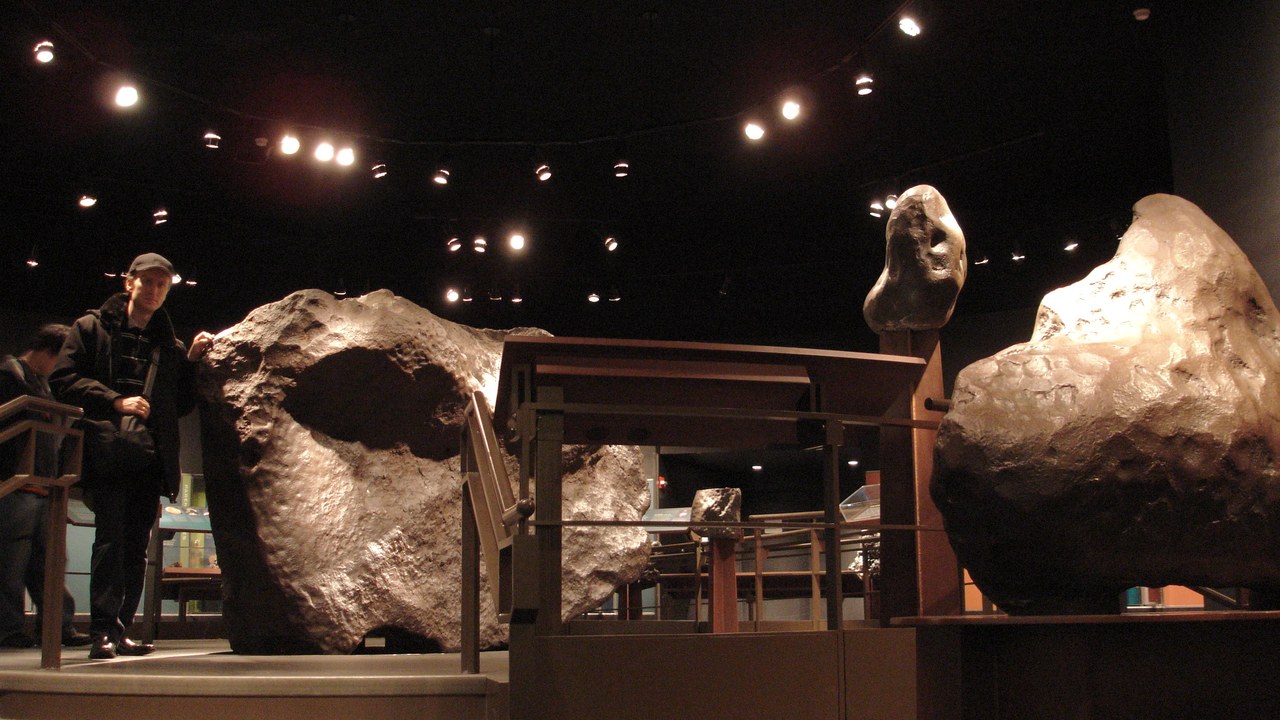
Ahnighito, the largest fragment of the Cape York fall, weighs roughly 34 tons and ranks as the largest meteorite on display in any museum worldwide. Inuit communities in Greenland used pieces chipped from the Cape York irons as a source of metal for tools long before explorers hauled the largest chunk away.
Because the mass is so extreme, its supports at the American Museum of Natural History run straight down through the building to bedrock rather than resting on ordinary floor framing, a structural workaround few other museum pieces ever require.
3. Aletai meteorite (Armanty): A 74-Ton Iron Field
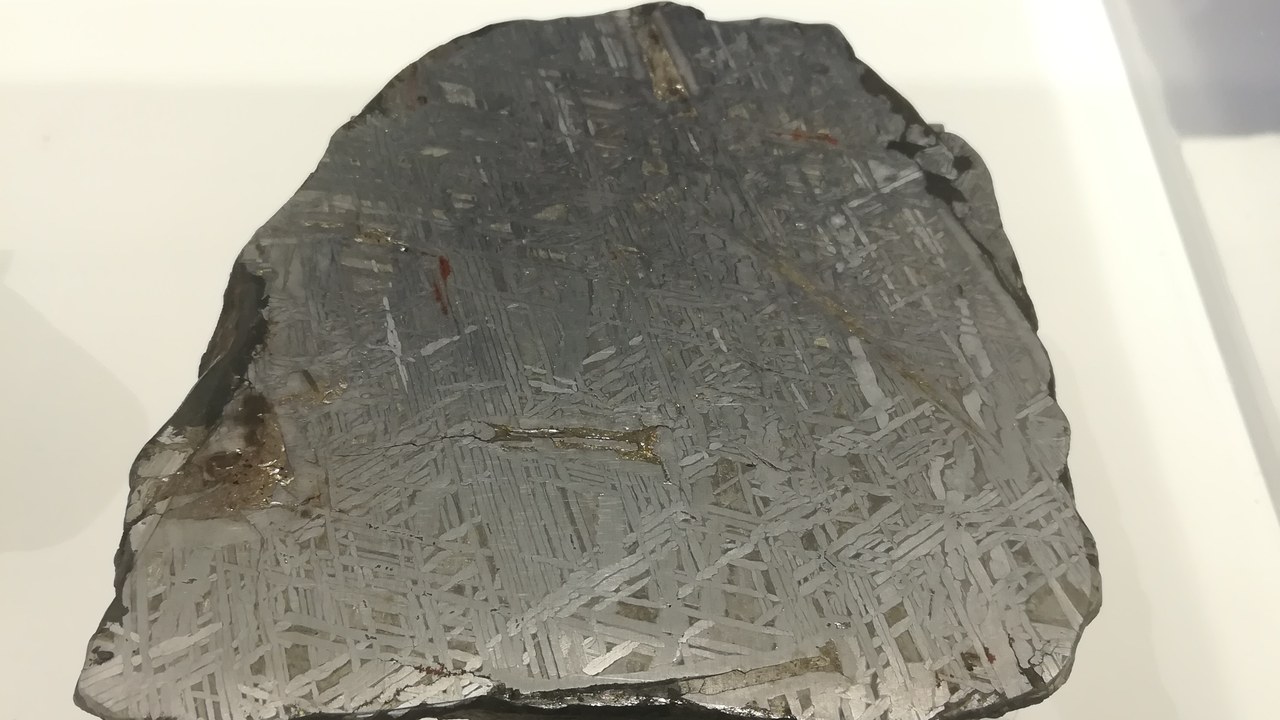
The Aletai meteorite fell across a stretch of northern China’s Xinjiang region, and researchers tracking its scattered iron masses put the combined known weight at roughly 74 tons, among the heaviest totals ever tallied for a single meteorite fall anywhere on record.
That figure covers several separate masses recovered from the same strewn field over the decades rather than one continuous block, so its ranking reflects total tonnage found rather than the size of any single piece a visitor could see in one place.
4. Campo del Cielo: Fifty Tons In Argentina
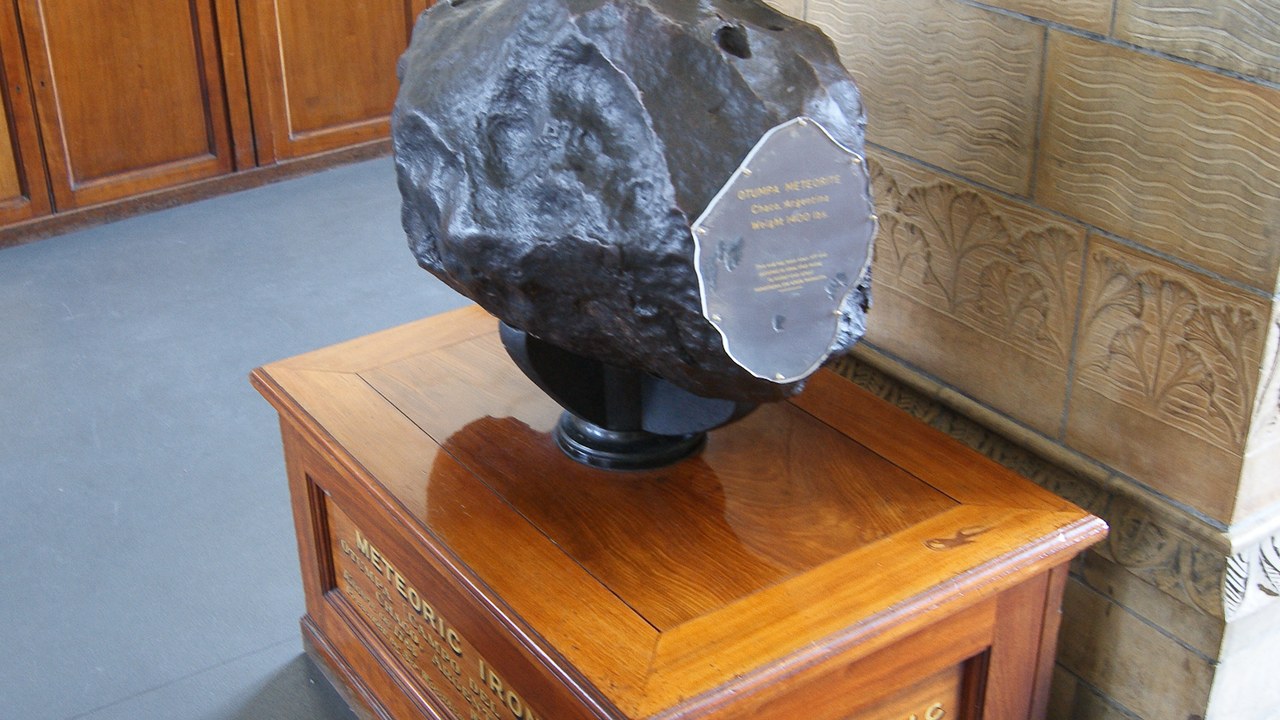
Campo del Cielo is a strewn field in Argentina where multiple iron masses fell together, and the largest single piece recovered, called Gancedo, weighs about 30,800 kilograms on its own. Combined, the field’s known masses add up to roughly 50 tons of meteoritic iron.
Local communities knew of the iron long before scientists studied it, and pieces from the field have been excavated across a wide area of the Chaco province, making Campo del Cielo one of the largest meteorite fields ever documented anywhere on the planet.
5. Bacubirito meteorite: Shaped Like The Sea
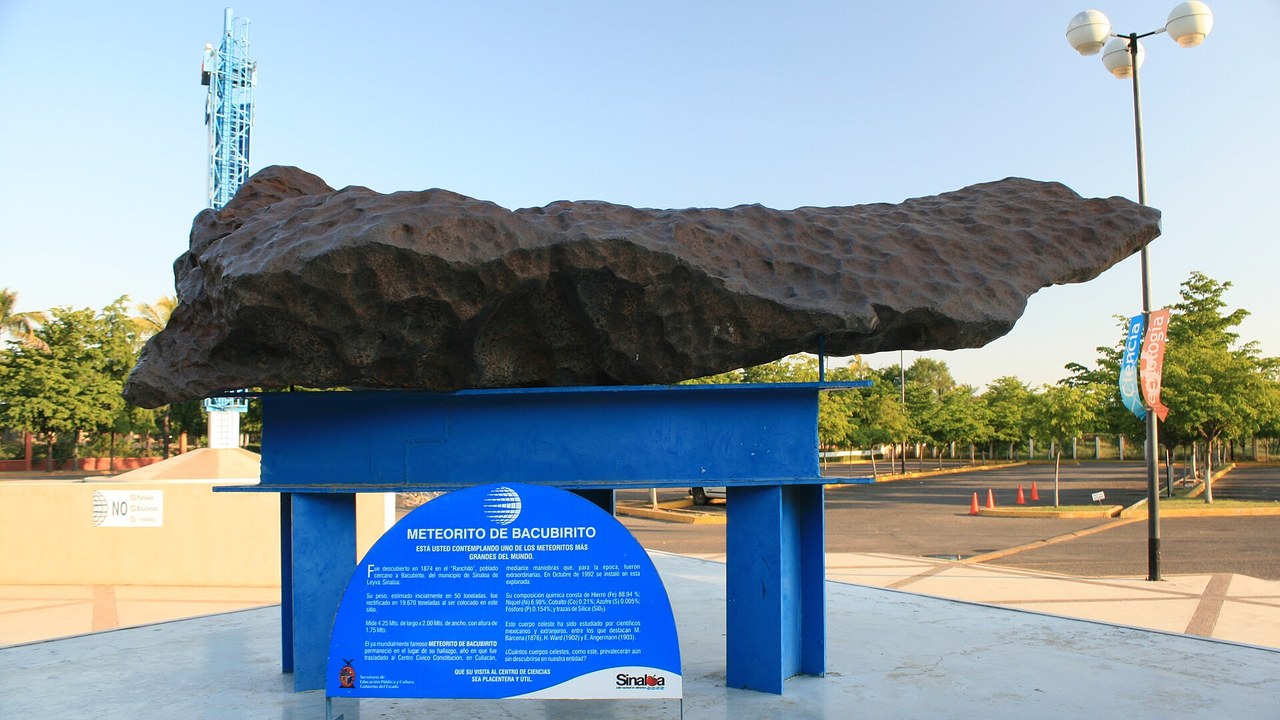
The Bacubirito meteorite was found in Sinaloa, Mexico, in 1863 and weighs about 22,000 kilograms, making it one of the heaviest single iron masses ever recovered in North America. Its elongated shape has earned it comparisons to a beached sea creature more than a typical blocky iron.
It remains a point of local pride in Sinaloa, where the mass has been moved and displayed rather than left exactly where it fell, unlike some of the other heaviest meteorites on this list that were simply left in place.
6. Mbosi meteorite: A Monument In Mbeya
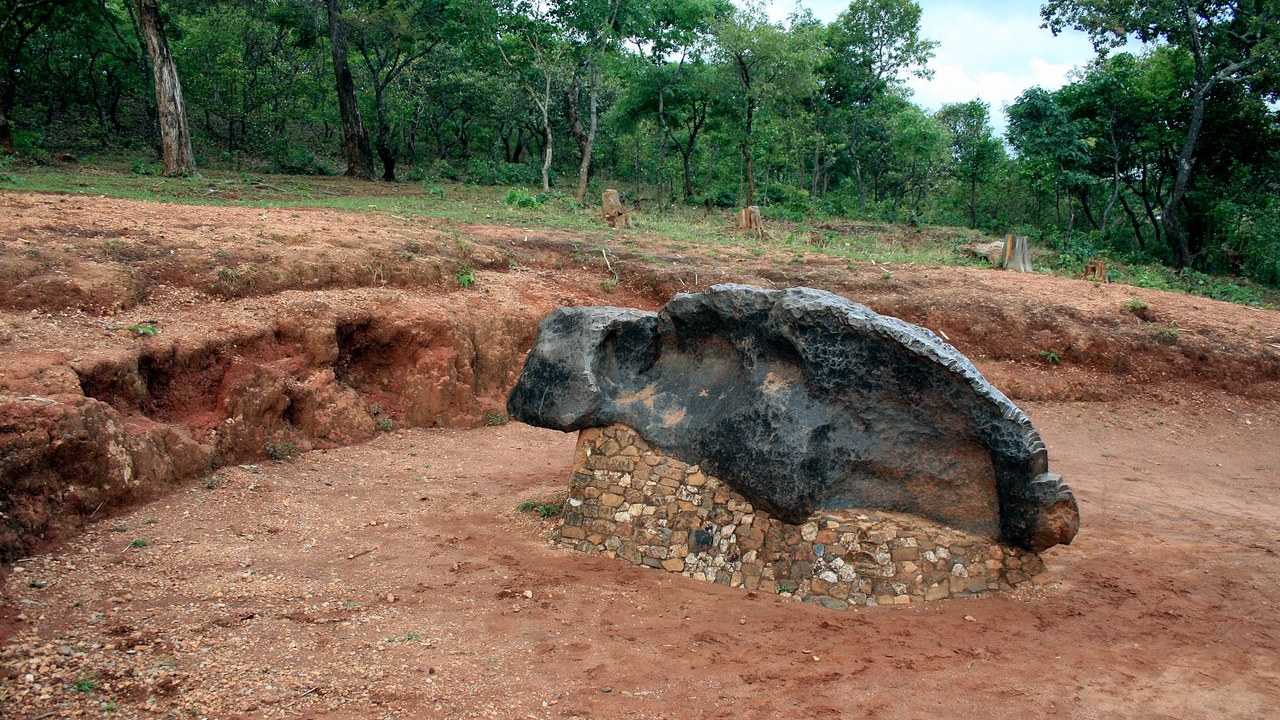
The Mbosi meteorite was discovered near Mbeya, Tanzania, in 1930 and weighs about 16,000 kilograms, a single iron mass that sits partly sunken into the ground where it fell. Local communities had known of the object long before its formal scientific description that year.
It has become a protected national monument in Tanzania, drawing visitors who come specifically to see an iron mass that large resting in the open rather than locked away behind museum glass, with only a low fence marking its boundary.
7. Willamette Meteorite: A Sacred Stone Relocated
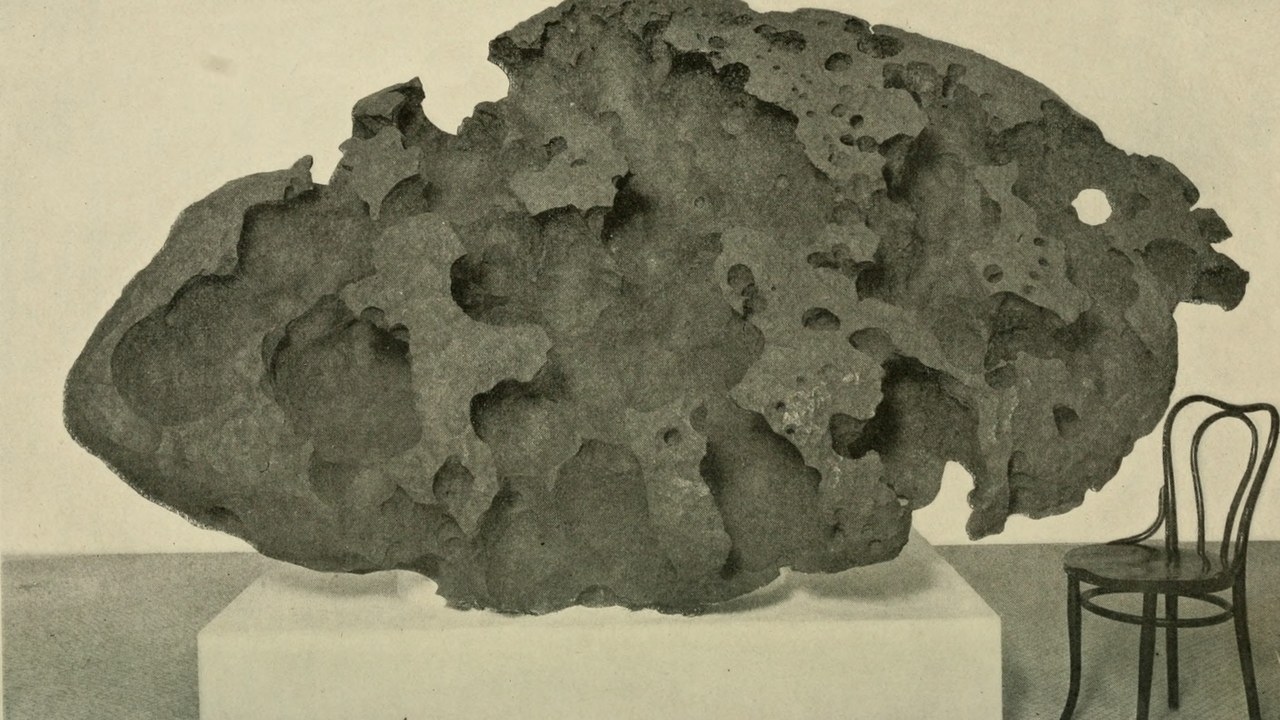
The Willamette Meteorite weighs 15.5 tons and stands as the largest meteorite found in the United States, an iron mass discovered in Oregon and later moved east for display. The Clackamas people who lived near its resting place regarded it as a sacred object called Tomanowos long before it left the state.
Its relocation to New York sparked a long dispute with tribal representatives, and it remains on view today under an agreement that allows ceremonial access to the meteorite even while it stays inside a museum hall far from where it originally fell.
8. Chupaderos meteorite: Two Irons From One Fall
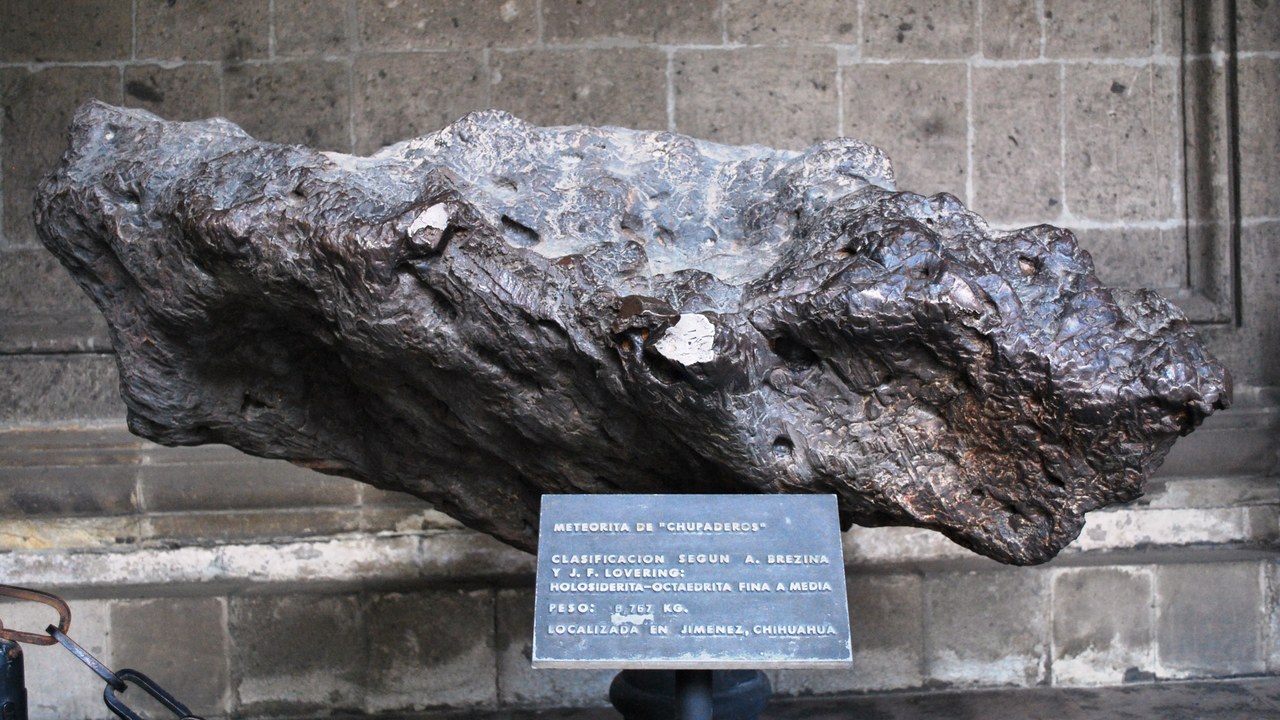
The Chupaderos meteorite consists of two large iron masses found in Mexico, with their combined weight totaling roughly 24 tons of iron. The two pieces were found close together, suggesting they broke apart from a single larger body sometime during the object’s fiery descent through the atmosphere.
Because the mass is split between two separate irons rather than one solid block, Chupaderos illustrates how a single meteoroid can fragment on the way down and still leave behind pieces heavy enough to rank among the largest ever recovered.
9. Mundrabilla meteorite: Found On The Nullarbor
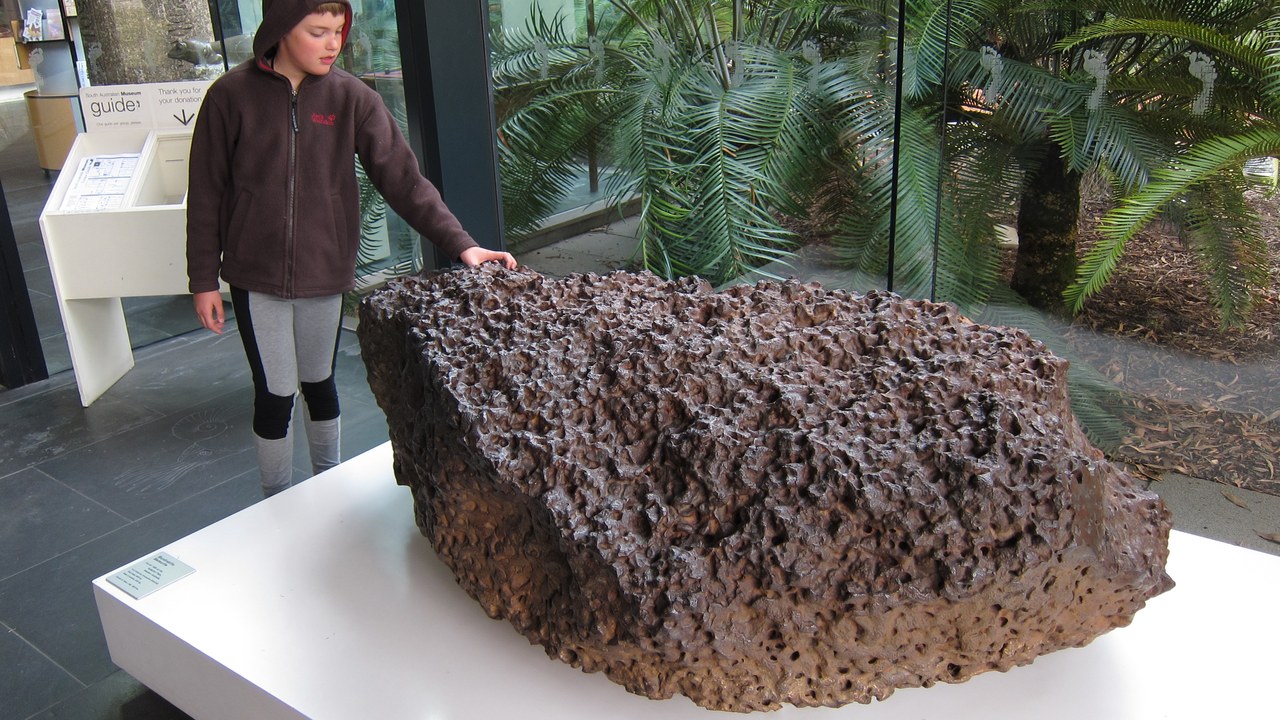
The Mundrabilla meteorite was found on Australia’s remote Nullarbor Plain, where two major iron masses together account for roughly 24 tons of material. The flat, treeless plain made the irons easy to spot on the surface despite the area’s isolation from any nearby town.
Sections of the meteorite were later cut apart for study and distributed to museums and research institutions around the world, so the pieces once resting together on the plain are now scattered across several continents rather than kept together in one place.
10. El Morito meteorite: The Road Marker From Space
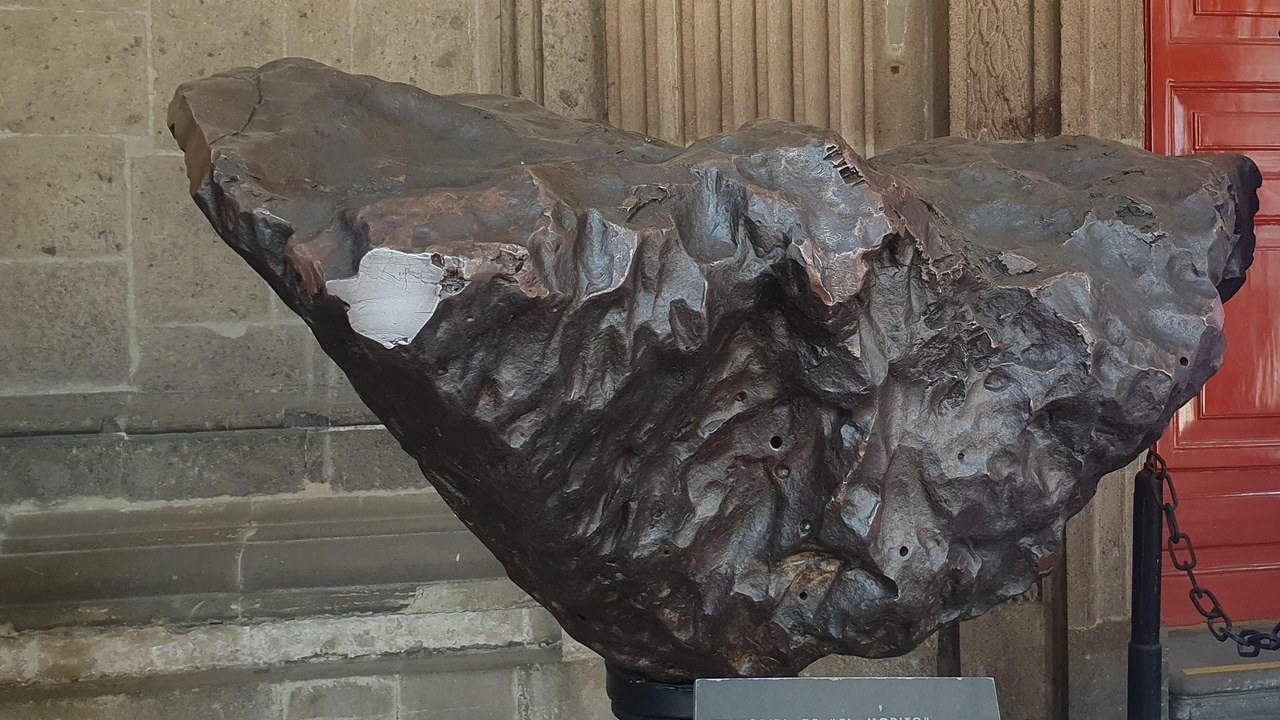
El Morito weighs 10,100 kilograms and measures roughly 1.2 by 1.7 by 2 meters, according to the Palacio de Minería exhibit in Mexico City. For centuries the medium octahedrite iron served as a landmark on Indigenous trade routes about 25 kilometers northwest of Hidalgo del Parral in Chihuahua.
The museum describes it as the largest oriented meteorite in the world, meaning its surface still preserves the flight lines left as it plunged through the atmosphere nose-first. It now sits in the courtyard of a colonial palace alongside other giant irons hauled from northern Mexico.
More from Morning Overview
- Doctors warn a silent liver disease now affects one in three American adults
- Hackers are hijacking outdated home routers, and the FBI named the models to check
- Older Teslas are wearing out in ways early owners never saw coming
- Early electric-car owners are hitting battery and screen failures no one warned them about
