
Reliability rankings punish two things above all: a fresh redesign and a first attempt at a new powertrain. This year’s worst performers are dominated by electric models on brand-new platforms and by SUVs and pickups rebuilt from scratch, where new hardware reaches owners well before the fixes do. Here are ten new cars with the weakest reliability records this year.
1. Chrysler Pacifica: The Hybrid Is the Problem Child
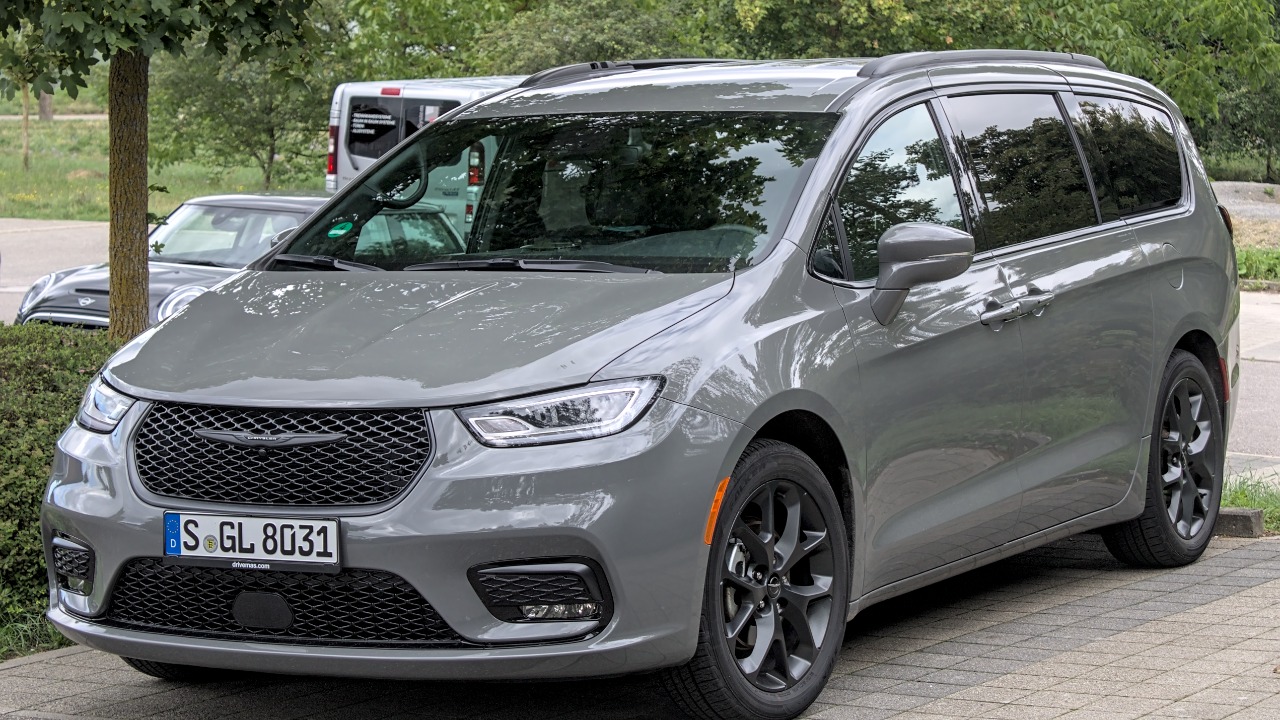
Two versions of the same minivan share a showroom, and only one of them drags the nameplate down. Chrysler’s plug-in hybrid minivan mates a 3.6-liter V6 to an electric drive unit and a sizable battery pack, and the added complexity is where the trouble concentrates: the hybrid scored near the bottom for reliability while the conventional gasoline models fared considerably better.
Buyers drawn to the hybrid’s electric-only commuting range are therefore taking on the least proven part of the lineup. Anyone who simply needs seats and sliding doors can sidestep the issue by choosing the standard V6, which shares the same body, cabin and safety hardware without the second powertrain.
2. Chevrolet Blazer EV: Early on a Brand-New Platform
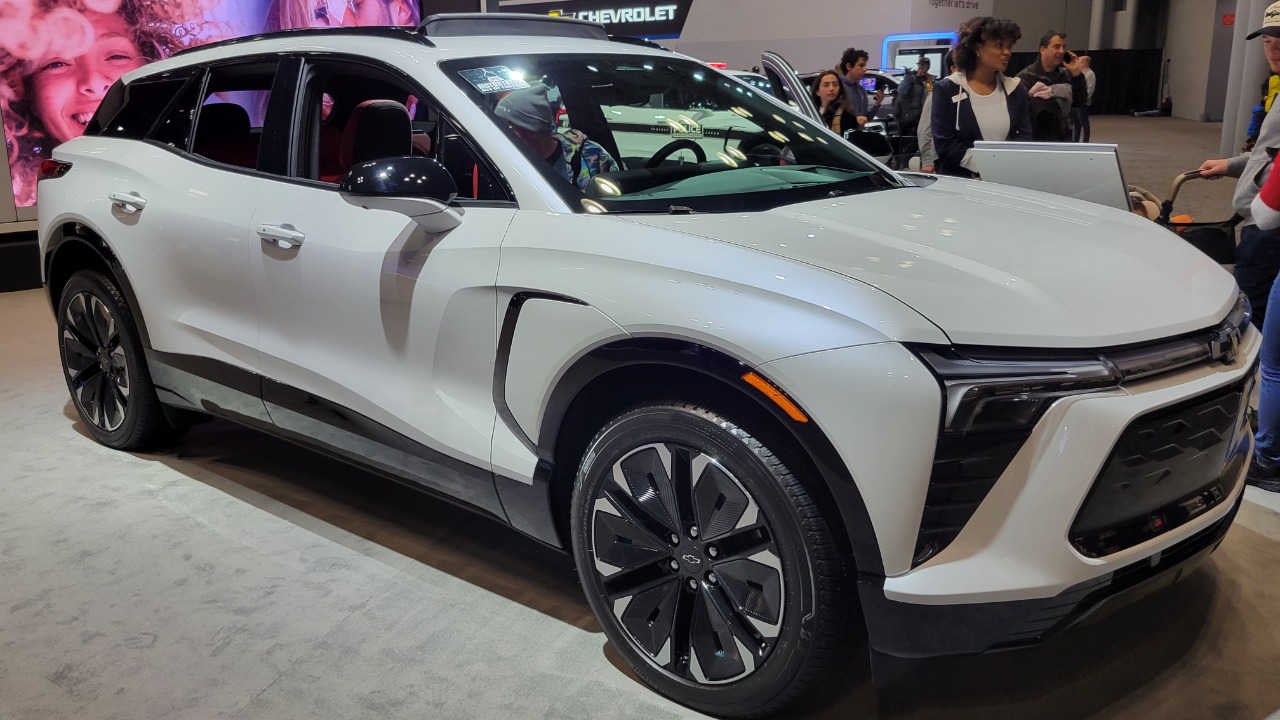
Being first onto a new architecture carries a price, and Chevrolet’s electric crossover has paid it. The Ultium-based Blazer EV draws owner reports of battery and cooling-system faults alongside infotainment and charging software that can leave the vehicle immobilized, a combination that puts it among the weakest performers in the survey.
Software-driven failures are a particular nuisance because they rarely announce themselves during a test drive and often require a dealer visit or an over-the-air update to clear. Shoppers weighing an early example should confirm the full recall and software-update history before committing, since the fixes have arrived in waves rather than all at once.
3. Rivian R1T: Great Drivetrain, Fragile Hardware
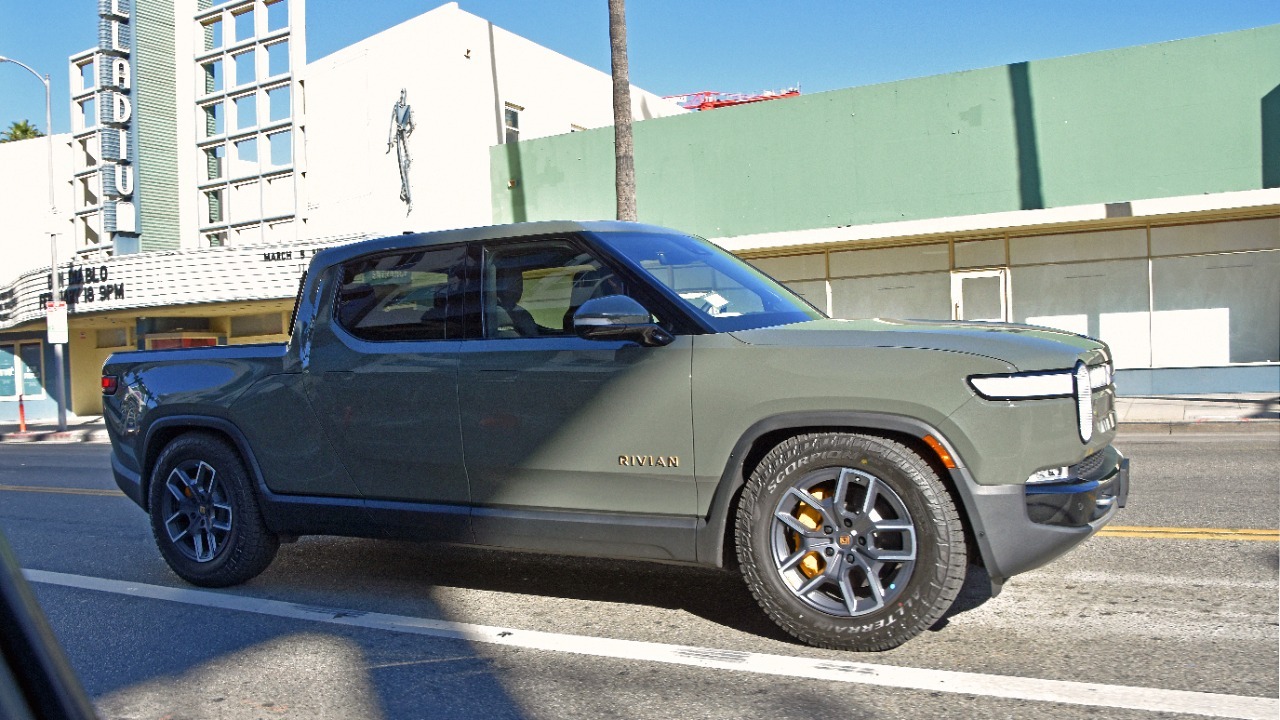
Praise for the quad-motor drivetrain and the gear tunnel has never quite settled the durability question. Rivian assembles the electric pickup at its plant in Normal, Illinois, and owners have flagged battery and drive-motor faults along with body hardware, including doors, latches and powered bed covers, that gives out well before the powertrain it surrounds.
That mix matters because a young automaker’s service network is thinner than a legacy brand’s, so a broken latch can mean a long tow instead of a short trip to a local dealer. Repair waits, rather than raw defect counts, tend to decide how badly an ownership experience sours.
4. Jeep Wrangler: Character Comes With a Bill
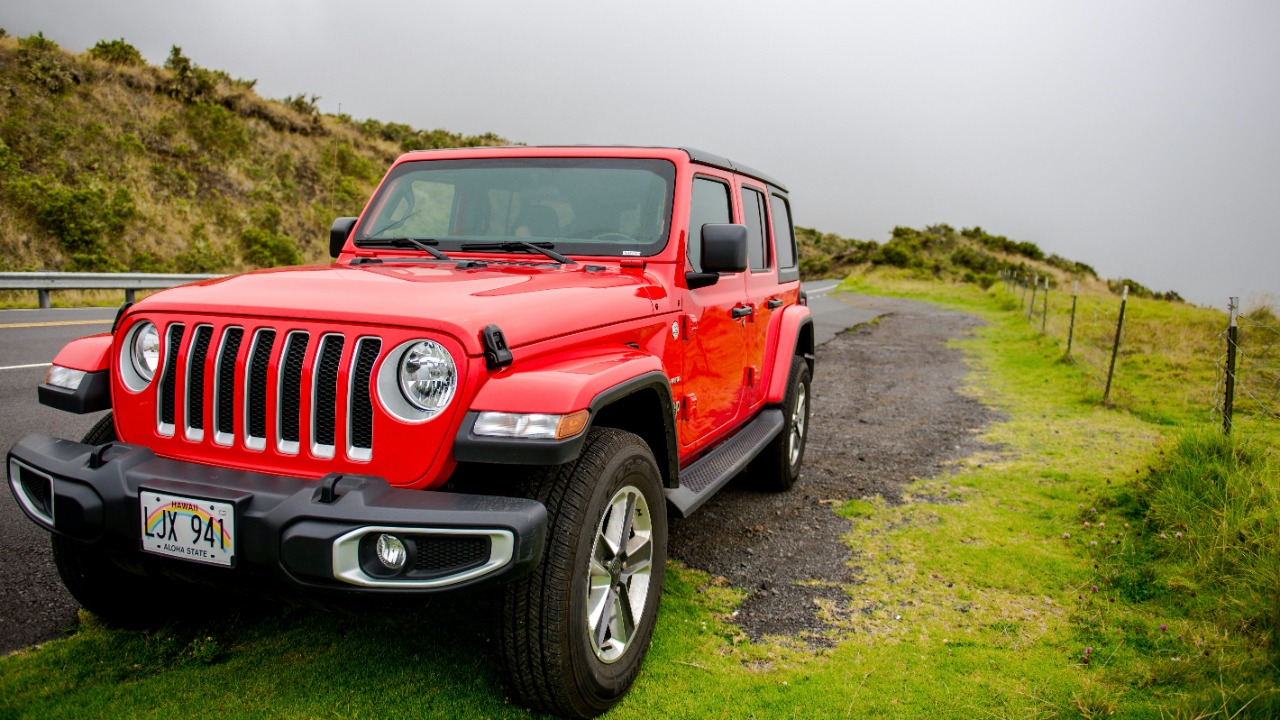
Few vehicles trade this heavily on character, and few ask as much in return. The solid-axle Wrangler keeps a body-on-frame layout with removable doors and roof panels, and owners report a steady drip of electronic gremlins and drivetrain complaints, from warning lights and infotainment dropouts to driveline vibration, that keeps it near the bottom of the rankings.
Some of that is the design billing itself: removable panels and off-road hardware create squeaks, leaks and wear points that a sealed unibody crossover never develops. Owners who genuinely use the capability often accept the tradeoff, but the pattern still registers plainly in survey scores year after year.
5. GMC Sierra: The Redesign Went Backward
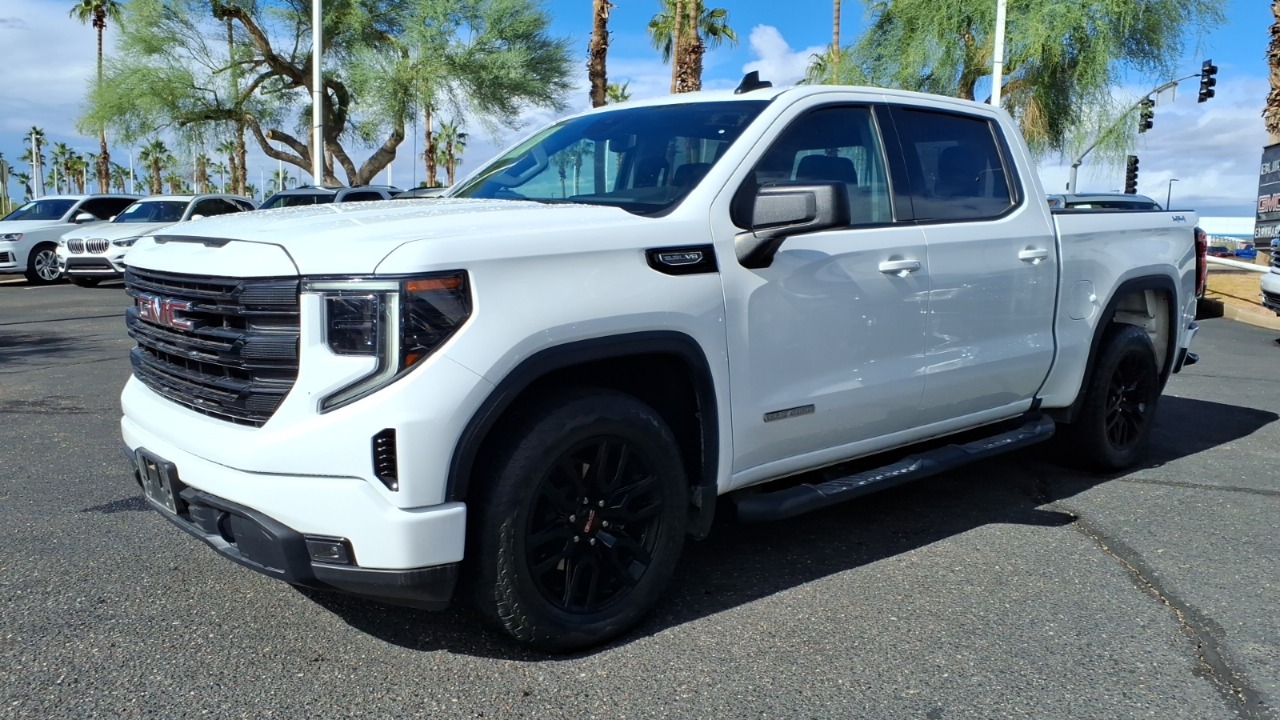
Sharing its bones with the Chevrolet Silverado has not spared GMC’s full-size pickup. The current GMC Sierra arrived with a rebuilt interior, a much larger touchscreen and revised powertrain choices, and the newer generation logged many more complaints than the one it replaced, clustered in the electronics, the transmission and the cabin fittings that came with the update.
Redesign years are historically the riskiest moment to buy any truck, because new hardware reaches customers before the running fixes do. Later builds within the same generation tend to absorb those corrections quietly, which is why waiting out the first stretch of a cycle often costs less than being early to it.
6. Jeep Grand Cherokee: A Ground-Up Rebuild Backfired
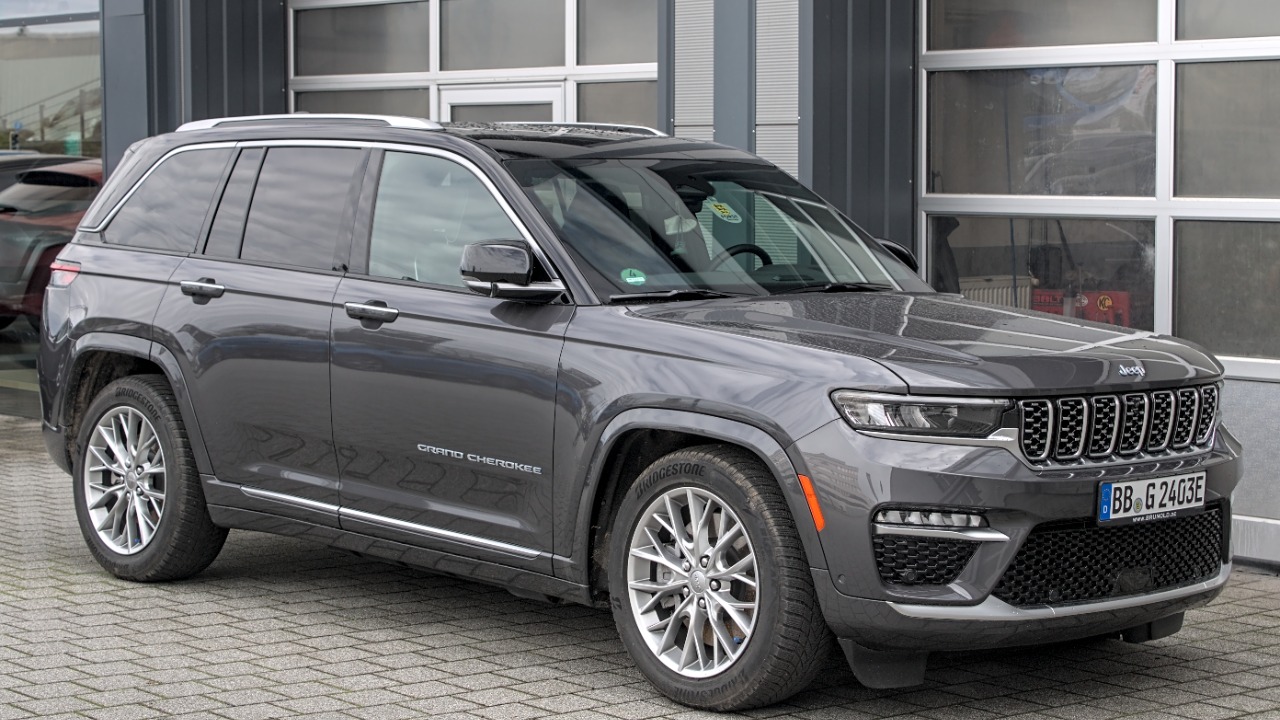
Stellantis rebuilt its best-selling SUV from the platform up, adding a long-wheelbase three-row variant and a plug-in hybrid option, and the reliability record did not survive the transition. Complaints against the redesigned Jeep Grand Cherokee gather in the electrical system, the climate controls and the interior hardware, precisely the areas disrupted when a vehicle’s structure and electronics are replaced at the same time.
Steep depreciation makes a redesigned SUV tempting on the used lot, but a cheap example is only a bargain if its electronics behave. Service records proving that the early software updates and recall work were actually completed carry more weight here than a low odometer reading.
7. Volkswagen ID.4: The Hardware Holds, the Code Does Not
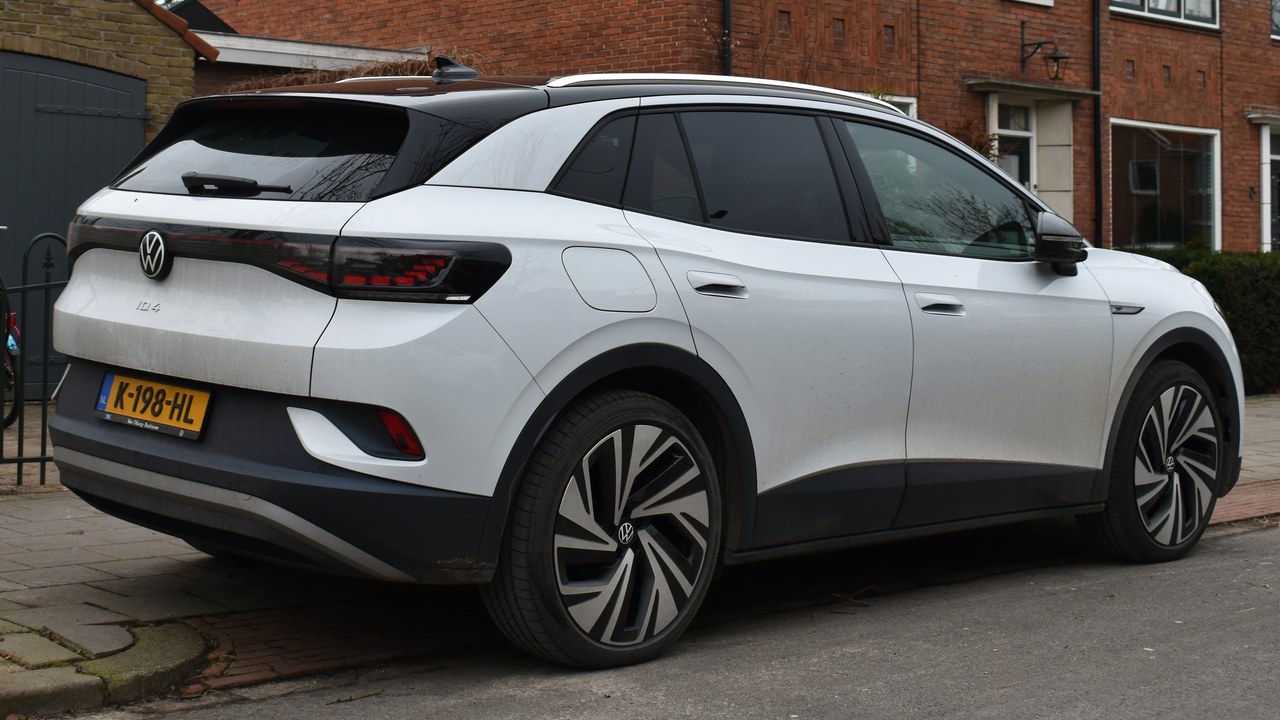
Volkswagen positioned this crossover as the sensible, mainstream way into an electric car, and its mechanical side has held up better than its software. Owners of the ID.4 electric crossover describe infotainment freezes, unresponsive touch controls and charging sessions that refuse to start, faults the company has chased through a long series of updates rather than a single fix.
Electric vehicles route more basic functions through the screen than gasoline models do, so a glitch that would be a nuisance elsewhere can leave a driver without climate control or a completed charge. That dependence is why survey respondents mark the car down even when the drivetrain gives no trouble at all.
8. Ford F-150 Lightning: An Electric Truck With Charging Trouble
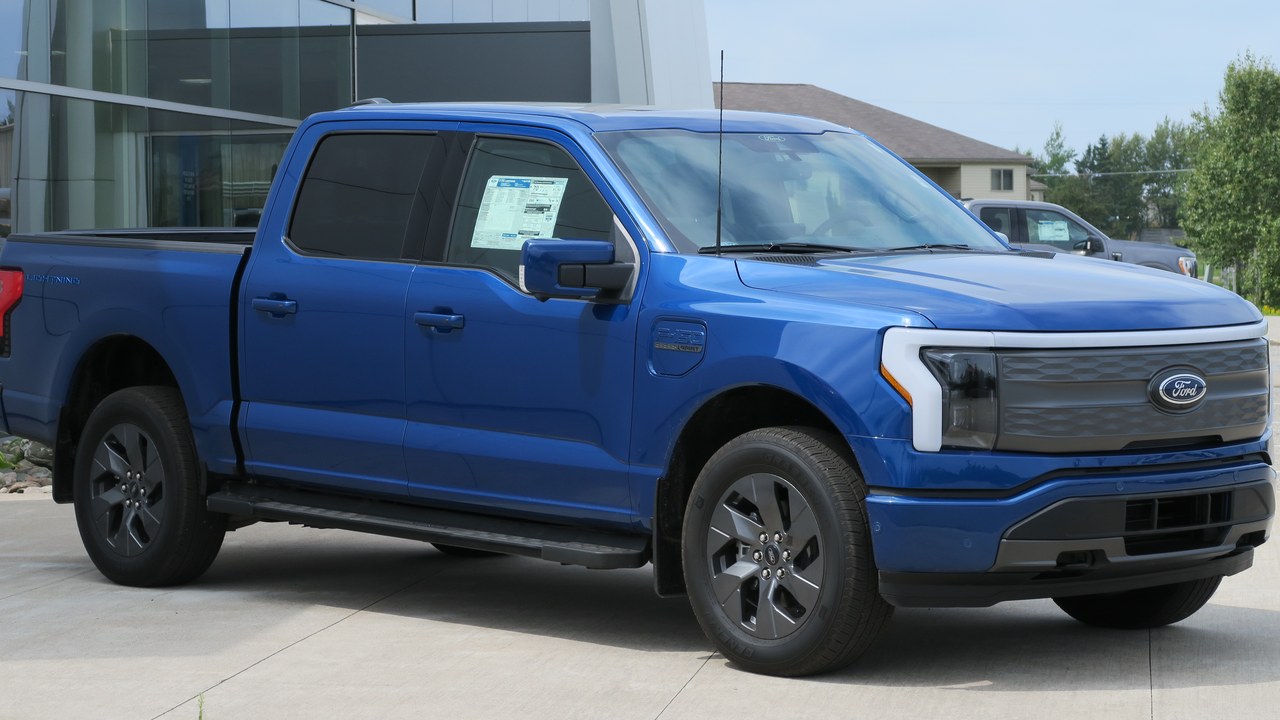
Ford built the most conventional path into an electric pickup, keeping the familiar cab and bed and swapping in a battery pack and dual motors. Owners of the battery-electric F-150 nonetheless report charging faults, abrupt losses of power and battery-related warnings, problems that have driven recalls and service campaigns since the truck reached customers.
Charging reliability is the sore spot for a vehicle sold on job-site utility, since a failed session can cost a working day rather than an evening. Home equipment and public-network faults muddy the diagnosis, but the surveyed record still places the electric truck among the year’s weakest performers.
9. Cadillac Lyriq: Luxury Badge, Launch-Year Glitches
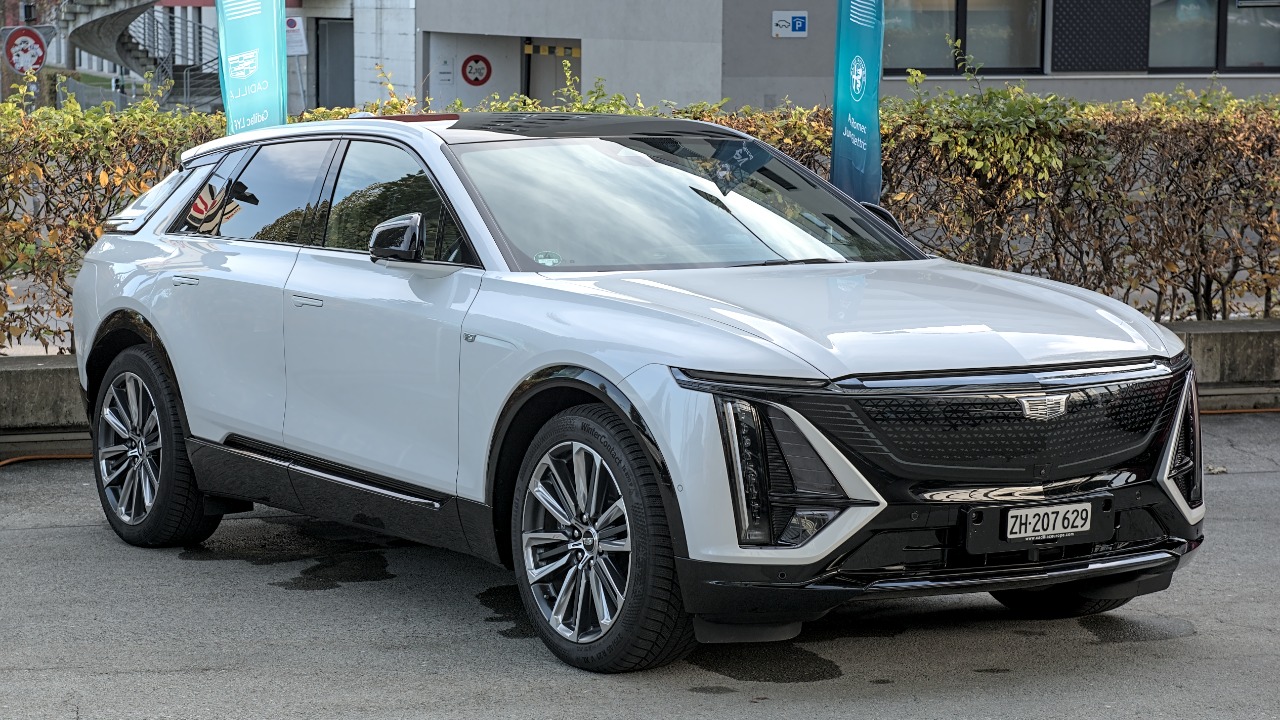
Cadillac set out to prove that a credible luxury electric SUV could come out of Detroit, and the launch has been bumpier than the sheet metal suggests. The Cadillac Lyriq combines a very large curved display with General Motors’ new electrical architecture, and complaints have gathered around that software, the charging system and assorted electrical faults rather than the motors themselves.
A luxury badge raises the tolerance threshold, so glitches a mainstream buyer might shrug off get logged as defects at this price. Other early vehicles on the same underpinnings share the architecture, which is why the failure patterns tend to look familiar from one General Motors nameplate to the next.
10. Alfa Romeo Tonale: The Newest Model From the Weakest Brand
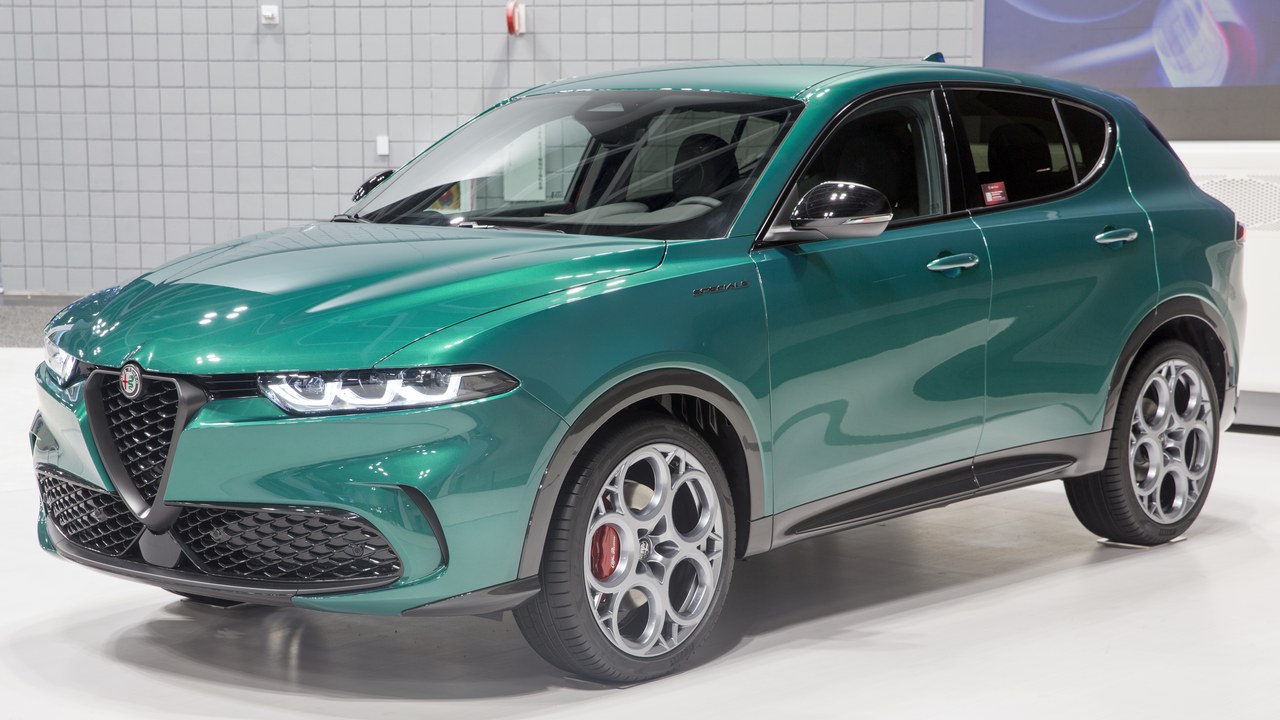
Alfa Romeo sits at the bottom of the brand rankings, and its newest and smallest model has done nothing to lift that average. The Alfa Romeo Tonale is a compact crossover assembled in Italy on a Stellantis platform it shares with the Dodge Hornet, offered with a plug-in hybrid drivetrain, and it inherits both the corporate electronics and the brand’s long reputation for fussy ownership.
Low sales volumes make an Alfa score noisier than a mass-market rival’s, yet the pattern has been consistent for years instead of a single bad season. A thin dealer network compounds the problem, because the nearest qualified service point can be a long drive when something finally does fail.
More from Morning Overview
