
Fuel-economy rules have pushed the auto industry toward hybrids and electrics, yet a handful of new vehicles still post ratings that rival cars from decades ago. Supercars, off-roaders and heavy trucks account for most of the worst offenders, trading efficiency for horsepower, weight or low-range capability. Here are ten 2026 models that land at the bottom of EPA’s fuel-economy charts.
1. Bugatti Mistral: Worst MPG In America

The Bugatti Mistral, an open-top hypercar built on the Chiron’s platform, posts a combined rating of just 9 mpg, the worst figure of any vehicle in EPA’s fuel economy rankings.
That combined figure blends the EPA’s city and highway test cycles into one number meant to help shoppers compare gas costs across every model on sale, and for a limited-production hypercar engineered for speed rather than daily commuting, few owners will ever rack up enough annual mileage for the rating to matter much at the pump.
2. Ford Mustang GTD: Thirstiest Rating On Sale
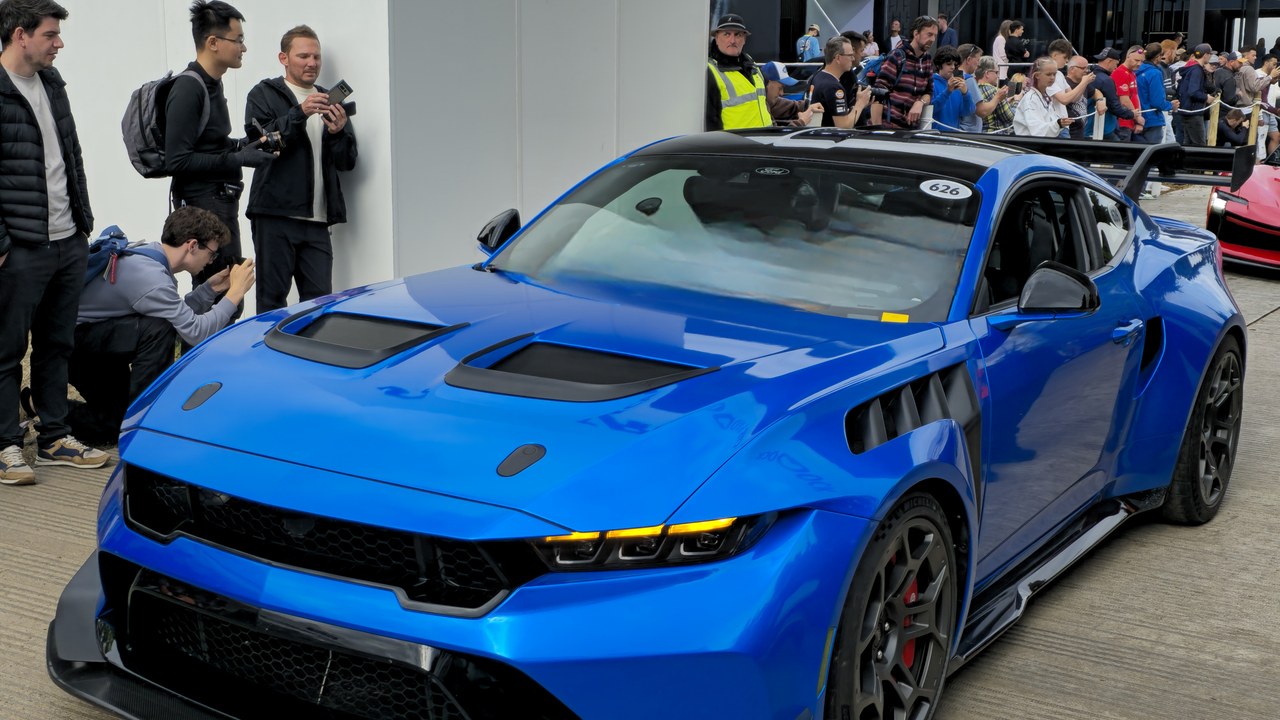
Ford’s track-focused Mustang GTD carries a combined rating of 12 mpg, tying it with the F-150 Raptor R pickup and the Ferrari Purosangue SUV for one of the thirstiest scores in the government’s fuel-economy rankings.
The rating puts a car built primarily for lap times rather than commuting range in the same fuel-economy bracket as a heavy pickup and an Italian SUV, underscoring how performance hardware such as wide-body aerodynamics and stiffer suspension tuning tends to work against a favorable mpg number regardless of a vehicle’s shape or price tag.
3. Jeep Wrangler (4-door): The Price Of Off-Road Capability
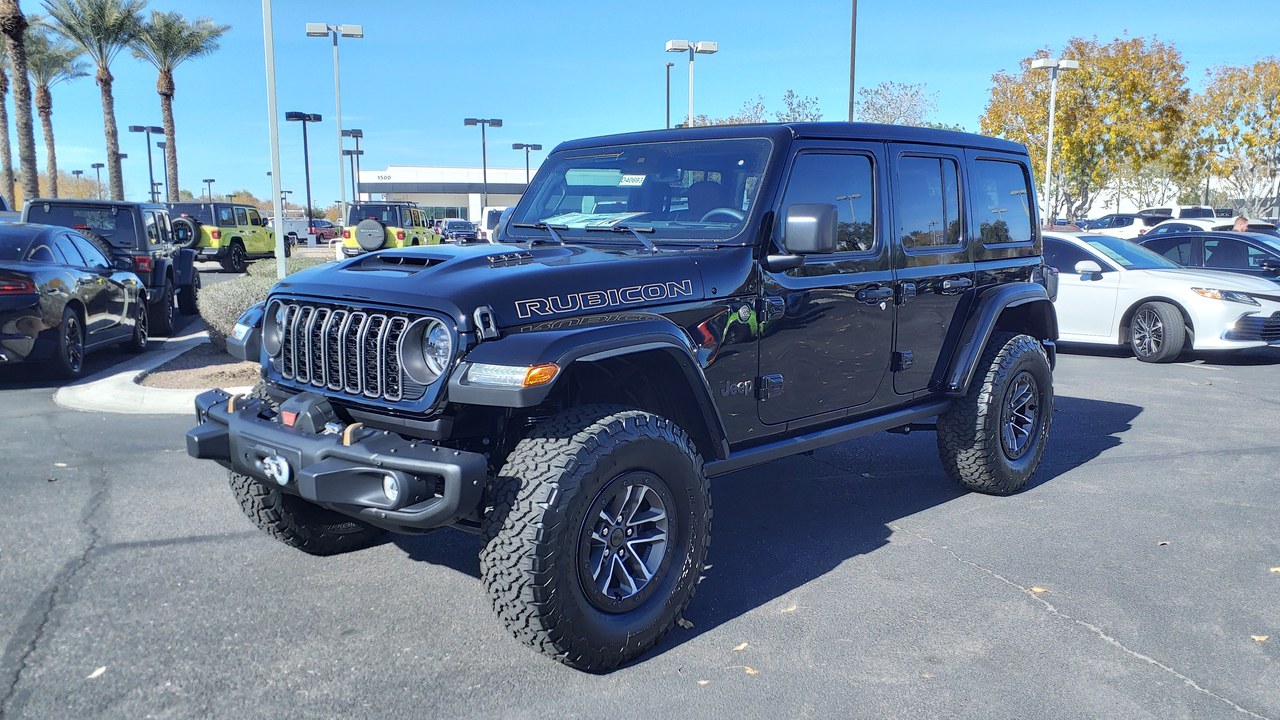
The four-door Jeep Wrangler’s least efficient configuration is rated at 14 mpg combined, one of the lowest scores among mainstream SUVs sold in the country according to the EPA’s fuel-economy database.
Boxy, upright bodywork and a four-wheel-drive system built for rock crawling rather than highway cruising both work against aerodynamics, and buyers who value the Wrangler’s removable doors and roof for genuine off-road use have long accepted a fuel-economy penalty as part of the trade for that capability, even as rivals shed weight and add efficiency-focused drivetrains.
4. Porsche 911 Turbo: A Sports Car’s Trade-Off
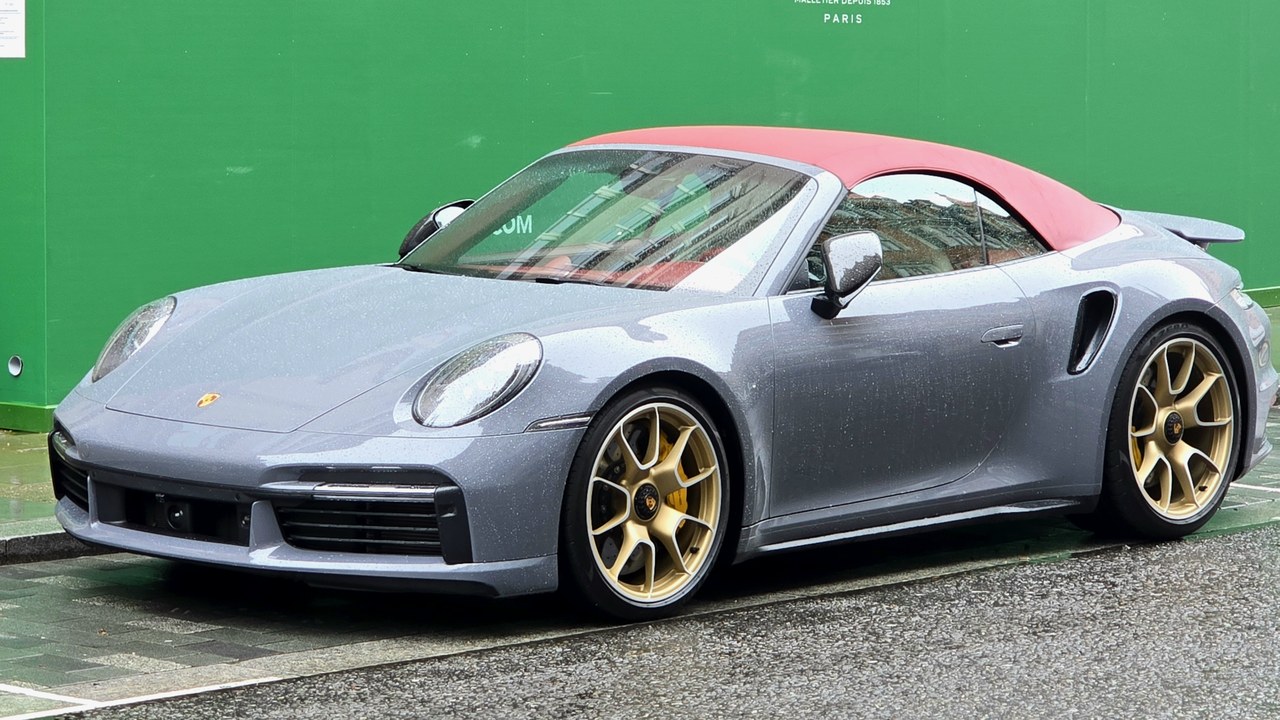
Porsche’s all-wheel-drive 911 Turbo variants carry a combined rating of 16 mpg, tying them with Mercedes-Benz’s AMG SL55 and SL63 convertibles for among the lowest scores of any sports car still sold new, per EPA’s fuel-economy rankings.
The twin-turbocharged flat-six that gives the model its name trades some efficiency for the low-end power that makes all-wheel-drive 911s quick in a straight line, and a similar story explains the German rivals on the list, since heavier convertible bodies and big engines built for speed rarely align with strong mpg figures.
5. Cadillac CT5-V Blackwing: Same Thirst Either Transmission
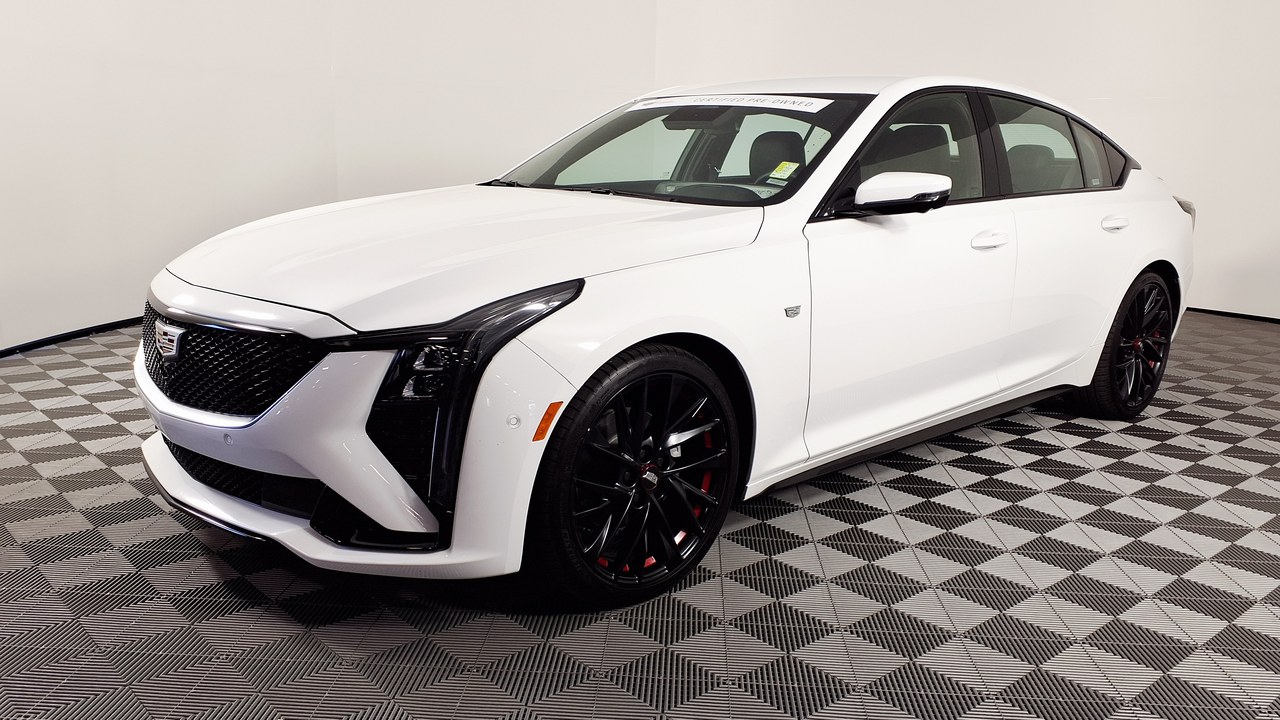
Cadillac’s CT5-V Blackwing sedan is rated 13 mpg city, 20 highway and 15 combined, and that combined figure holds steady whether the car is ordered with its six-speed manual gearbox or its ten-speed automatic.
Cadillac’s fastest V-Series sedan pairs a supercharged V8 with rear- or all-wheel drive, and unlike most performance cars, choosing the manual gearbox over the automatic does nothing to help the number, since both configurations still burn fuel at the same rate the EPA measured across its standard city and highway test cycles.
6. Rolls-Royce Phantom: The Weight Of Luxury
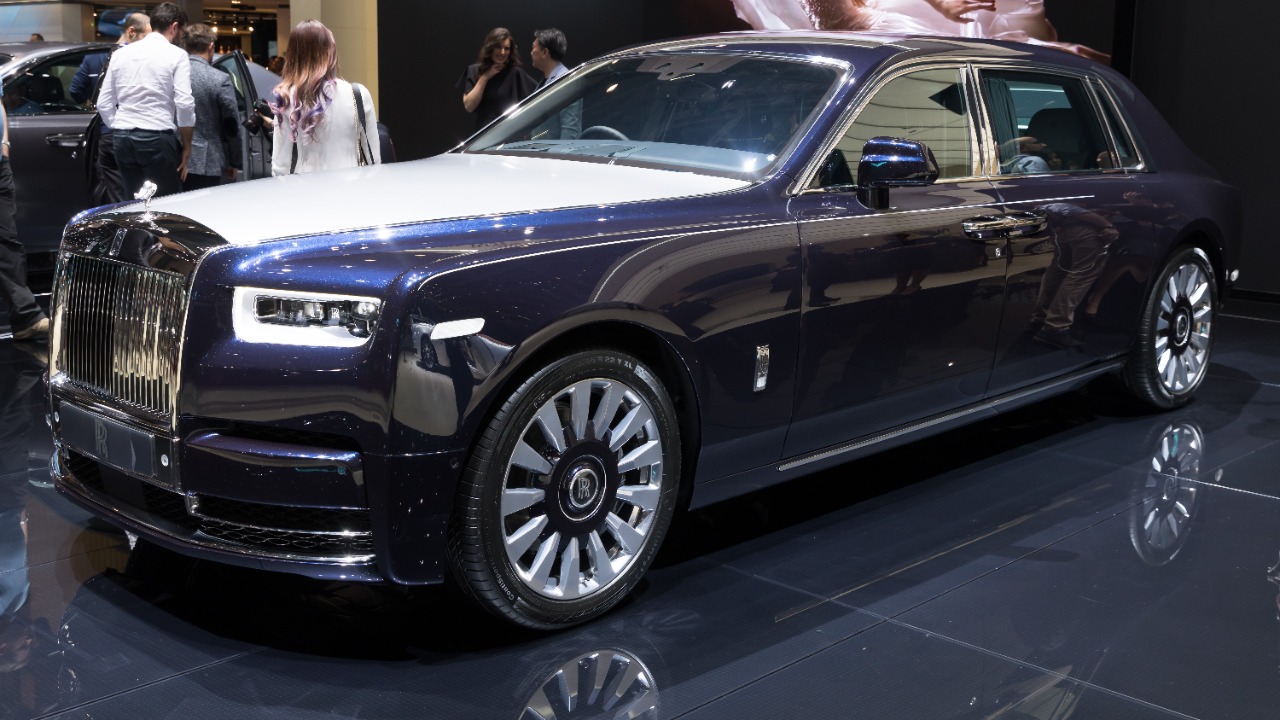
Rolls-Royce’s flagship Phantom sedan is rated as low as 12 mpg in city driving and 19 on the highway, according to figures for the 2026 model.
Its aluminum spaceframe, thick sound insulation and heavy cabin materials give Rolls-Royce’s flagship sedan a curb weight that dwarfs an ordinary luxury car, and that mass, combined with a large engine tuned for smooth, quiet power rather than economy, explains why the Phantom trails far behind mainstream sedans at the pump, particularly in the stop-and-go city driving where the rating is worst.
7. Toyota Tacoma (4WD manual): The Manual Transmission Penalty
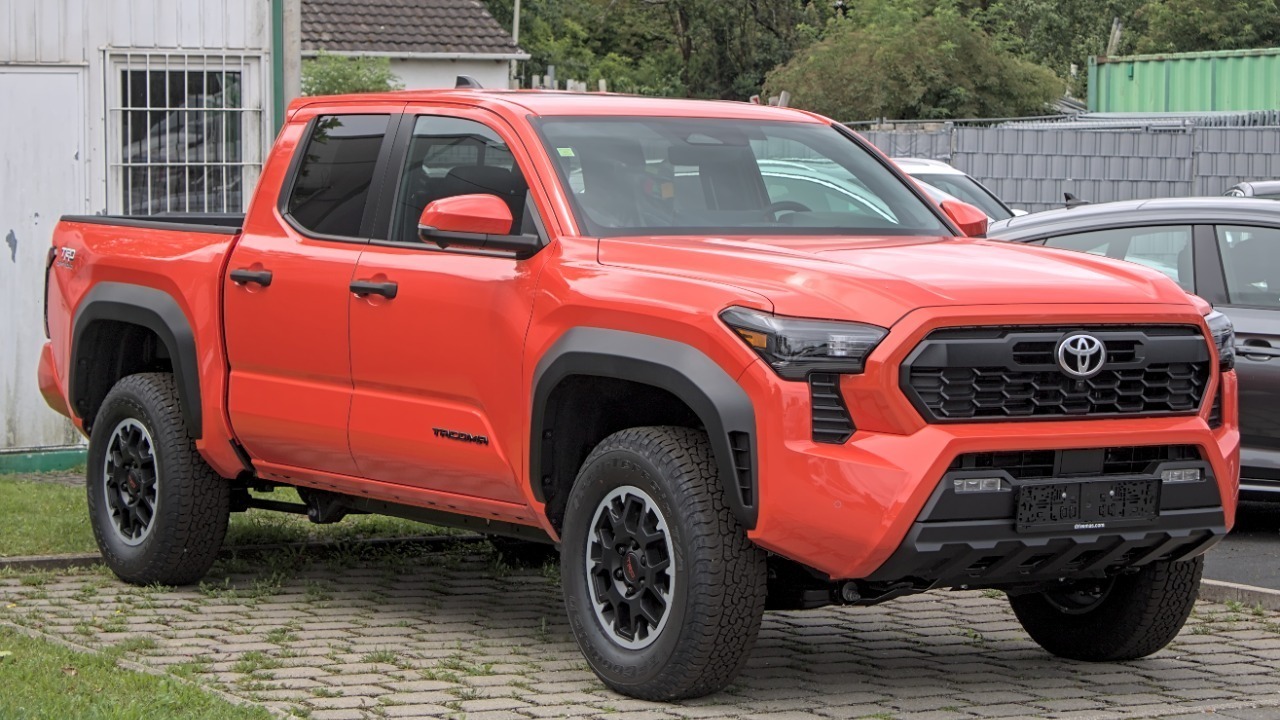
The manual-transmission, four-wheel-drive Toyota Tacoma is rated 18 mpg in the city, 23 on the highway and 20 combined, the lowest combined figure of any 2026 Tacoma configuration, according to the truck’s official ratings.
Four-wheel drive adds mechanical friction and extra weight over the standard two-wheel-drive truck, and pairing that hardware with a manual gearbox removes the fuel-saving overdrive gearing and shift logic that Toyota’s automatic transmissions use to keep engine speed low on the highway, so shoppers chasing the best mileage from a Tacoma are better served by an automatic, two-wheel-drive model instead.
8. Chrysler Pacifica (AWD): A Minivan’s AWD Penalty
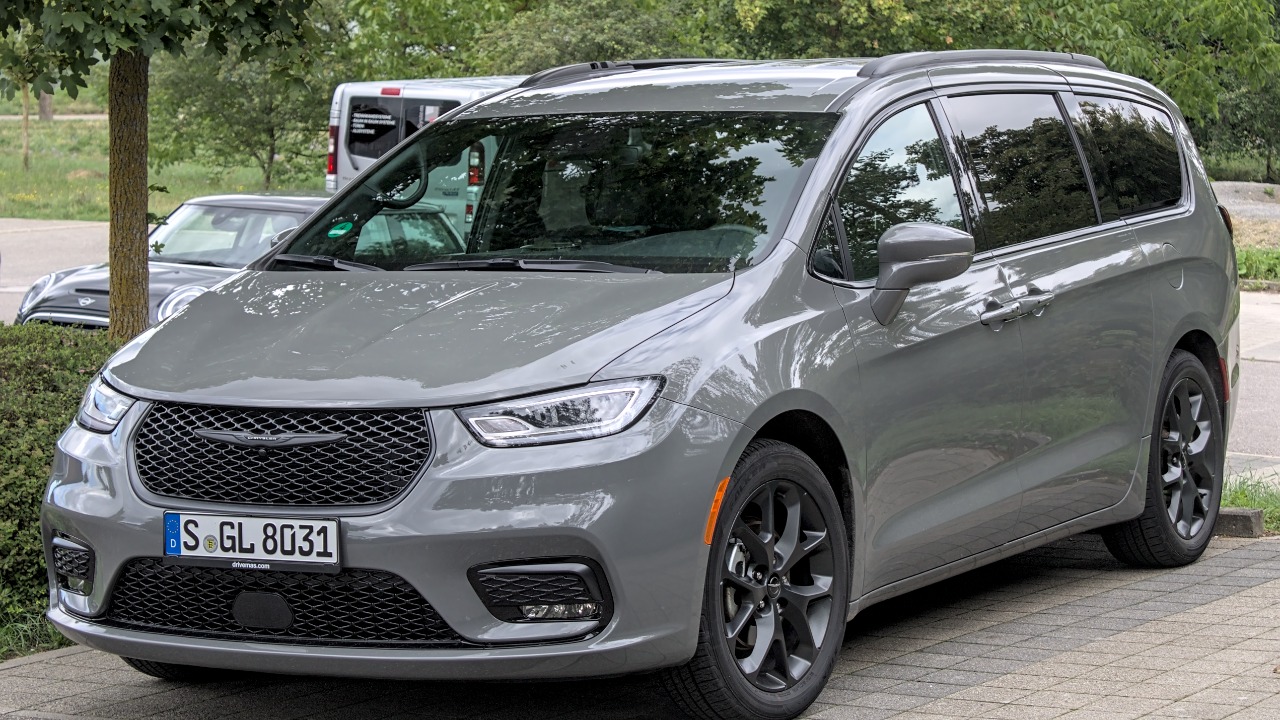
Chrysler rates the all-wheel-drive Pacifica minivan at 17 mpg in the city, 25 on the highway and 20 combined, two mpg behind the 22-combined rating the front-wheel-drive Pacifica earns instead.
The extra driveline hardware needed to send power to all four wheels adds weight and drivetrain friction that a front-wheel-drive minivan does not carry, a gap that shows up across many crossovers and minivans and explains why families who rarely need all-wheel traction for snow or towing often get better mileage sticking with the simpler, lighter front-drive version.
9. Ford F-150 Raptor: A Raptor’s Fuel Trade-Off
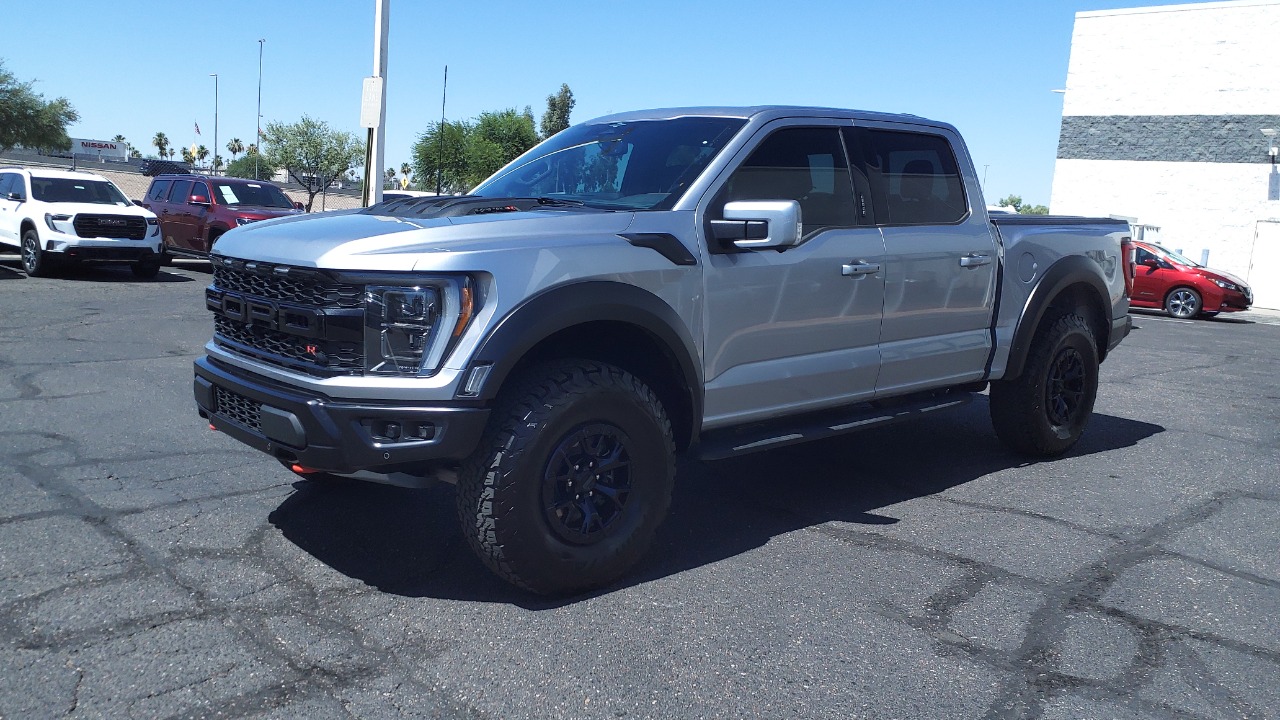
The high-performance F-150 Raptor trim is rated 14 mpg in city driving and 18 on the highway, well below the ratings Ford lists for the standard 2026 F-150.
Wider off-road tires, a taller ride height and a high-output engine built to survive high-speed desert running all add drag and weight compared with a work-truck F-150, and the Raptor’s city number suffers most because stop-and-go driving gives a heavy, boxy truck the least chance to coast or use momentum efficiently, a pattern common to nearly every high-performance pickup on sale today.
10. Chevrolet Corvette Z06: America’s Thirstiest Supercar
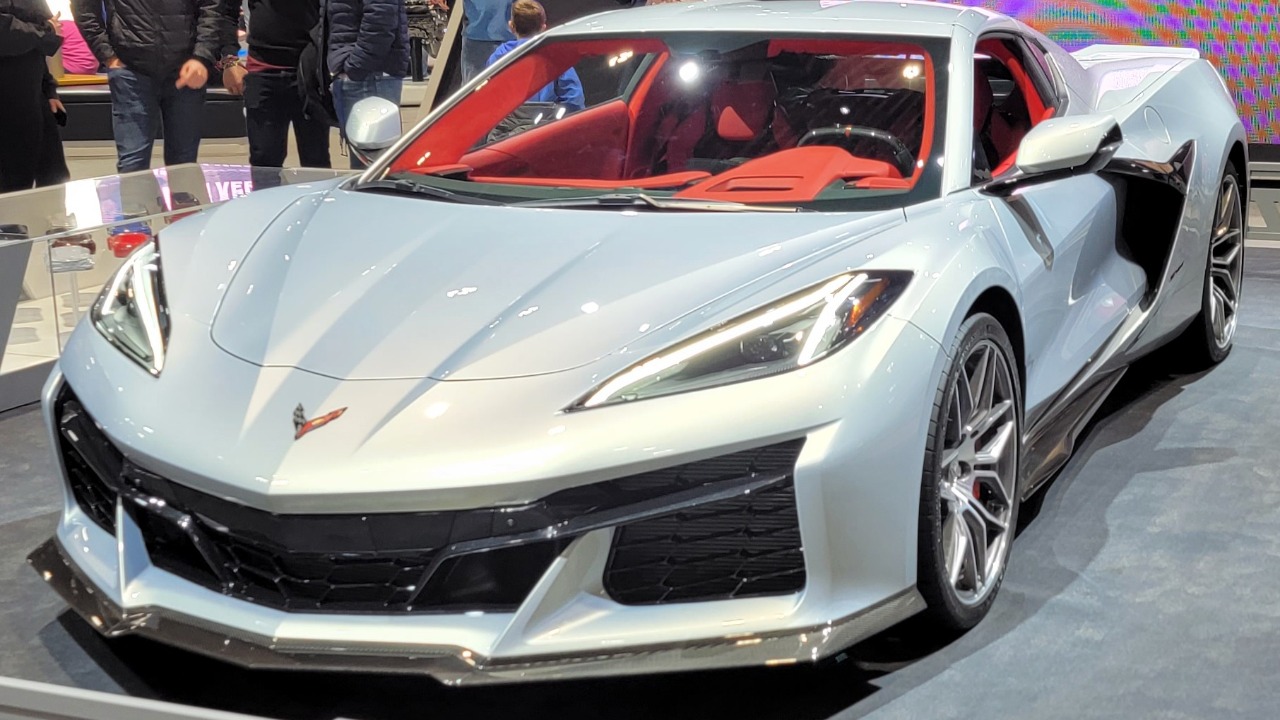
The Chevrolet Corvette Z06, built around a high-revving flat-plane-crank V8, is rated as low as 12 mpg in the city and 19 on the highway, according to figures for the 2026 model.
That flat-plane crankshaft design, borrowed from European racing engines, lets the engine rev far higher than the pushrod V8 in a standard Corvette, trading low-speed torque and fuel efficiency for the kind of high-rpm power that supercar shoppers prize, and the trade leaves the Z06 well short of the standard Corvette’s own rating despite sharing the same basic body and chassis.
More from Morning Overview
- A recalled pill hid a stimulant dose linked to heart attacks and death
- Four U.S. startups fired up their first small nuclear reactors, aiming to power AI data centers on-site
- Card skimmers hidden on gas pumps and ATMs are draining accounts, and here’s the tell
- Doctors warn a silent liver disease now affects one in three American adults
