
Motorcycle odometers rarely climb the way car odometers do, because most bikes are ridden seasonally and traded early. A handful of models break that pattern, earning reputations among long-distance riders and commuters for shrugging off six-figure mileage with routine maintenance. Here are ten motorcycles that owners regularly report riding well past 100,000 miles.
1. Honda Gold Wing: The Touring Benchmark
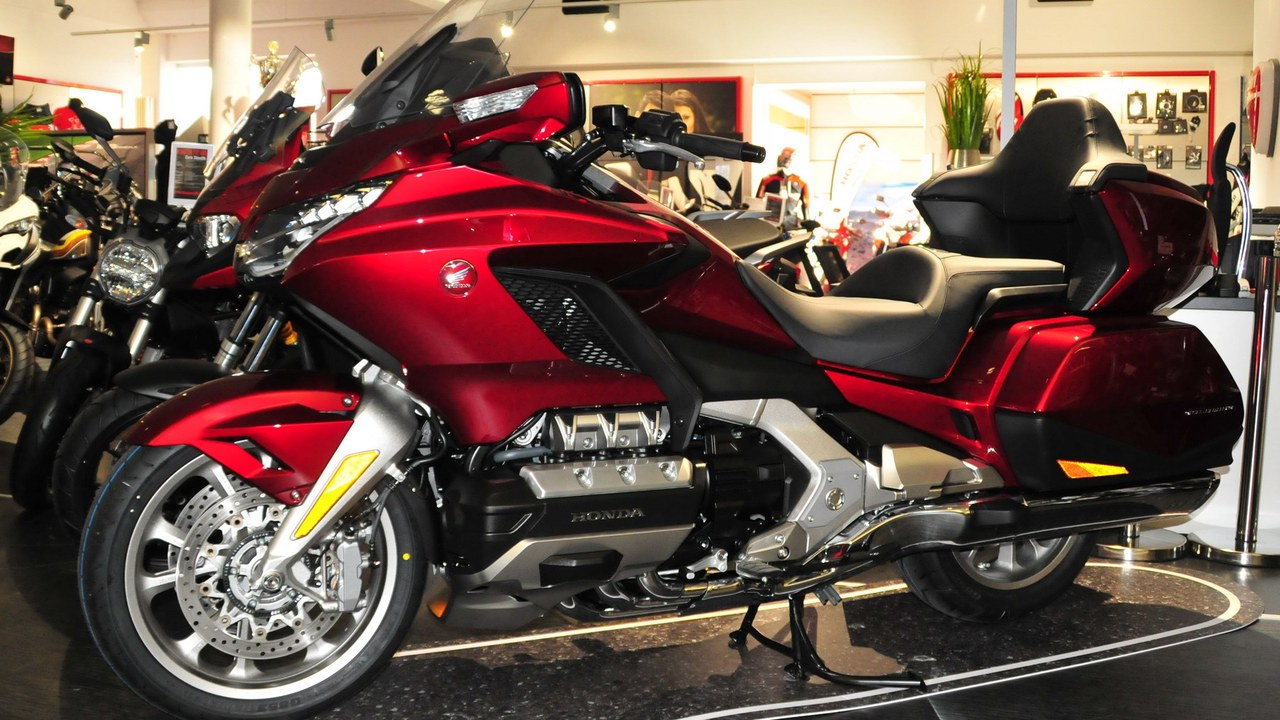
Honda’s flagship tourer has carried the same design brief since 1975: a smooth, low-stress engine built for continent-crossing distance rather than sprint performance. The current GL1800 uses a liquid-cooled horizontally opposed six-cylinder driving a shaft final drive, a layout that removes chain wear from the equation entirely. The Gold Wing touring flagship is a machine owners routinely ride past 100,000 miles.
The caveat is weight. A loaded Gold Wing approaches 900 pounds, so the parts that wear are suspension, brakes and the final drive rather than the engine. Buyers shopping high-mileage examples budget for consumables, not a rebuild.
2. Suzuki V-Strom: A Borrowed Engine That Refuses to Quit
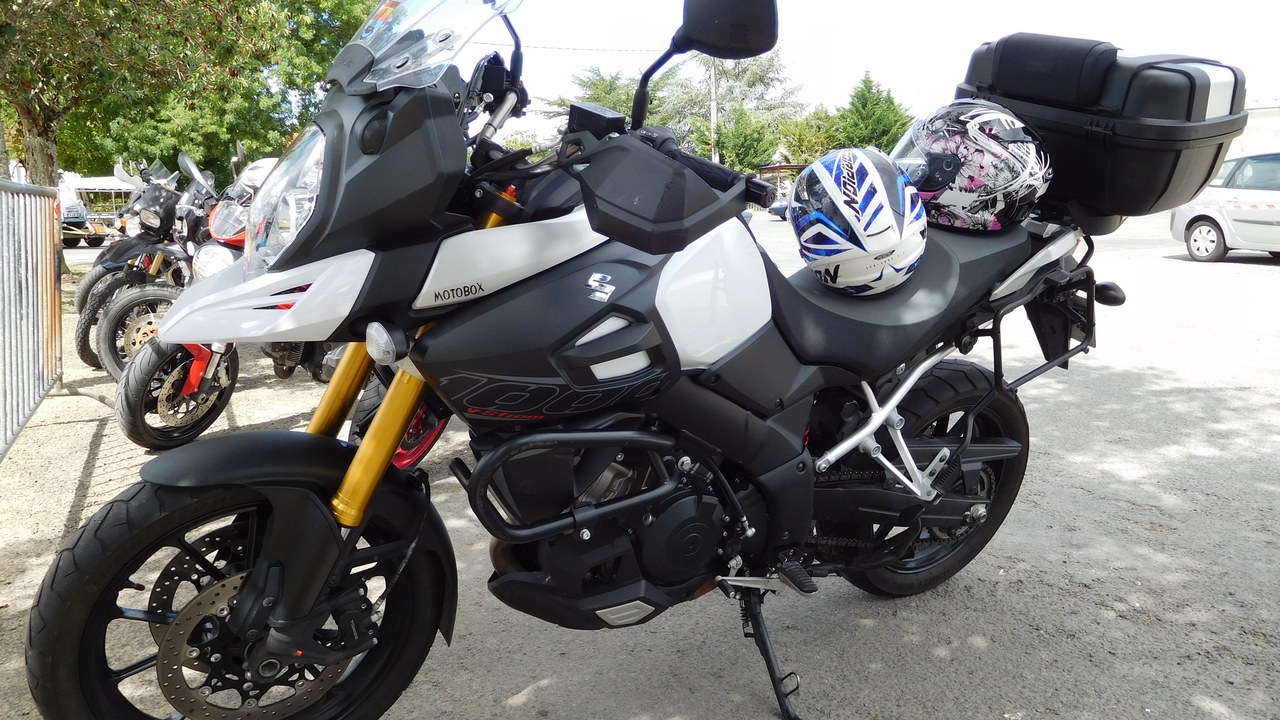
Suzuki built the V-Strom around an engine it had already proven elsewhere, adapting the 90-degree V-twin from its sport range into a taller, softer-tuned adventure chassis. Long service intervals, simple valve gear and a modest state of tune are why the bulletproof adventure V-twin carries its reputation among riders logging six-figure distances.
The chassis ages faster than the motor. Chain and sprocket sets, fork seals and the plastic bodywork common to adventure bikes are the recurring costs on a high-mileage example, while the engine is usually what a second owner worries about least.
3. Kawasaki KLR650: Simple Enough to Outlast Its Owner
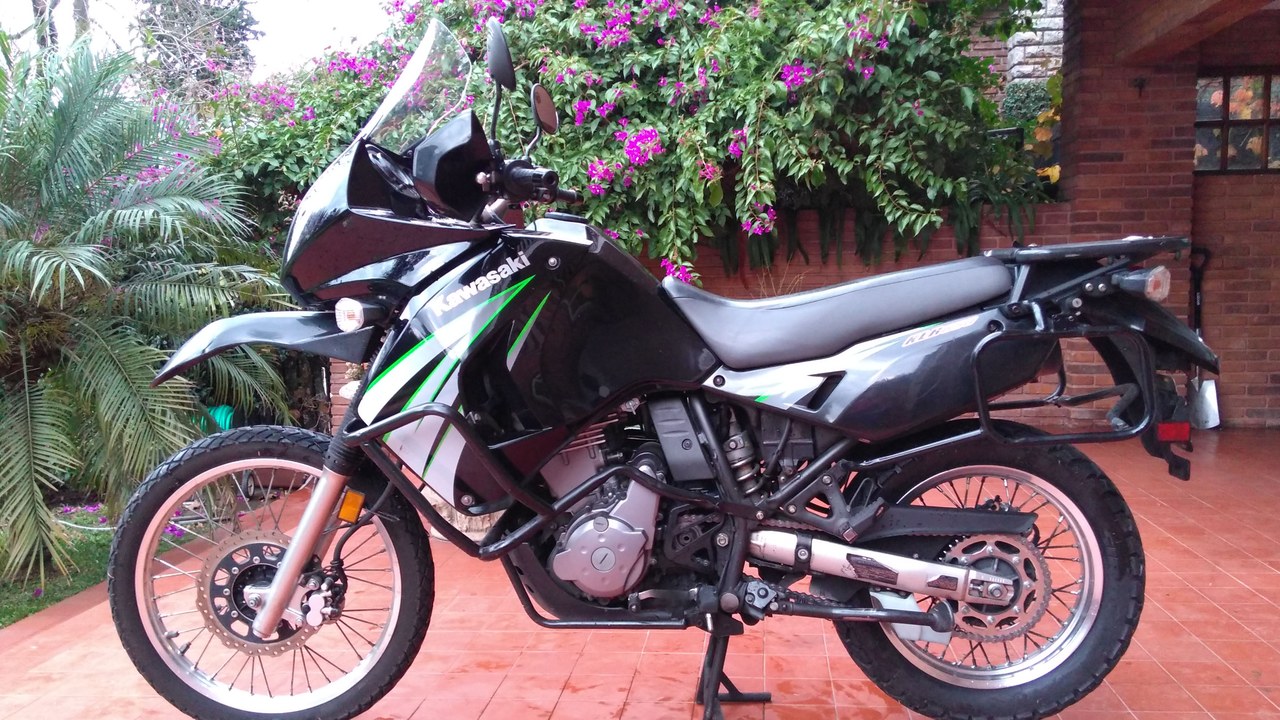
What the KLR650 leaves out is the point. A single-cylinder dual-sport with a five-speed gearbox and almost no electronics, it sold in nearly unchanged form from 1987 to 2018 before returning in 2022, so parts and accumulated repair knowledge are everywhere. That is why the KLR650 dual-sport was built simple enough to run for decades.
Owners accept a maintenance ritual in exchange. The balancer-shaft lever known as the doohickey, soft fork springs and a flexible subframe are documented weak points, all addressed with inexpensive aftermarket parts. None of them are engine failures, which is the distinction that keeps old KLRs running.
4. BMW R1200GS: The Globe-Crossing Boxer
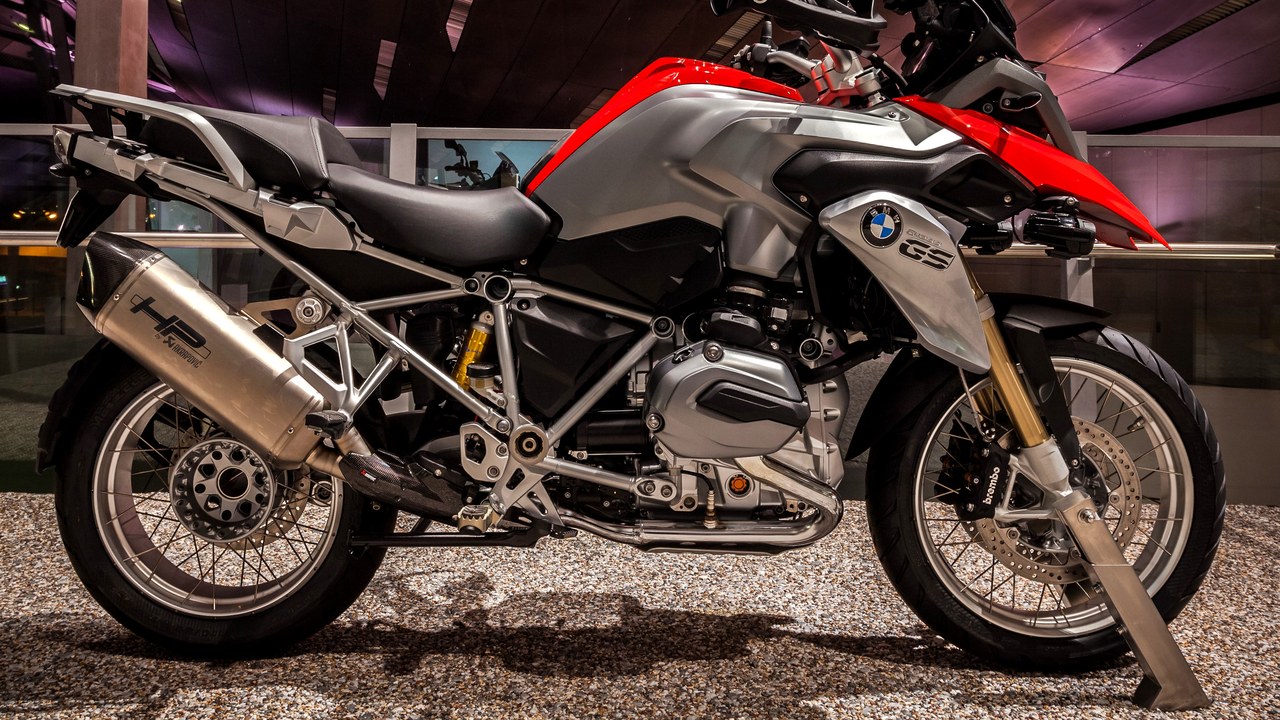
Few production motorcycles have crossed as many borders. Shaft drive, an exposed boxer layout that keeps both cylinders in clean airflow, and a dealer network spanning continents made the globe-crossing boxer twin the default choice for round-the-world riding, and its reputation for high mileage follows directly from that use.
It is also the most complex bike here. Electronic suspension, ride modes and periodic final-drive service push running costs above the Japanese alternatives, and a neglected example gets expensive quickly. Maintained ones appear in classified listings with six-figure odometers and original engines.
5. Yamaha FJR1300: Built for the Long Day
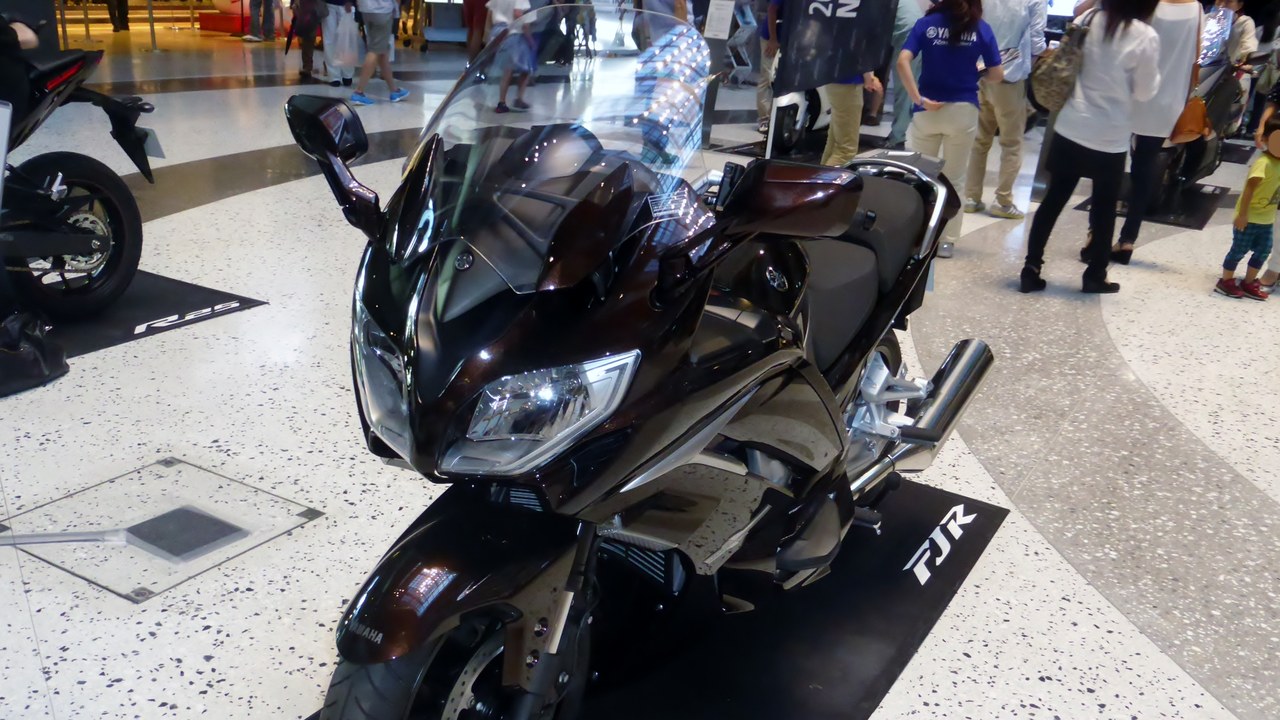
Sport-touring buyers ask for something specific: speed that can be sustained all day, then repeated tomorrow. Yamaha answered with a 1,298cc inline-four, shaft drive and a fairing sized for real distance, and the FJR1300 sport-tourer became known for racking up huge odometer numbers in the hands of commuters and endurance riders.
Longevity here is partly a function of use. A bike ridden 300 miles at a stretch spends nearly all its life at steady throttle and full operating temperature, the gentlest duty cycle an engine gets. Wear lands on tires, brakes and the final drive instead.
6. Honda CB500X: Cheap to Own, Hard to Kill
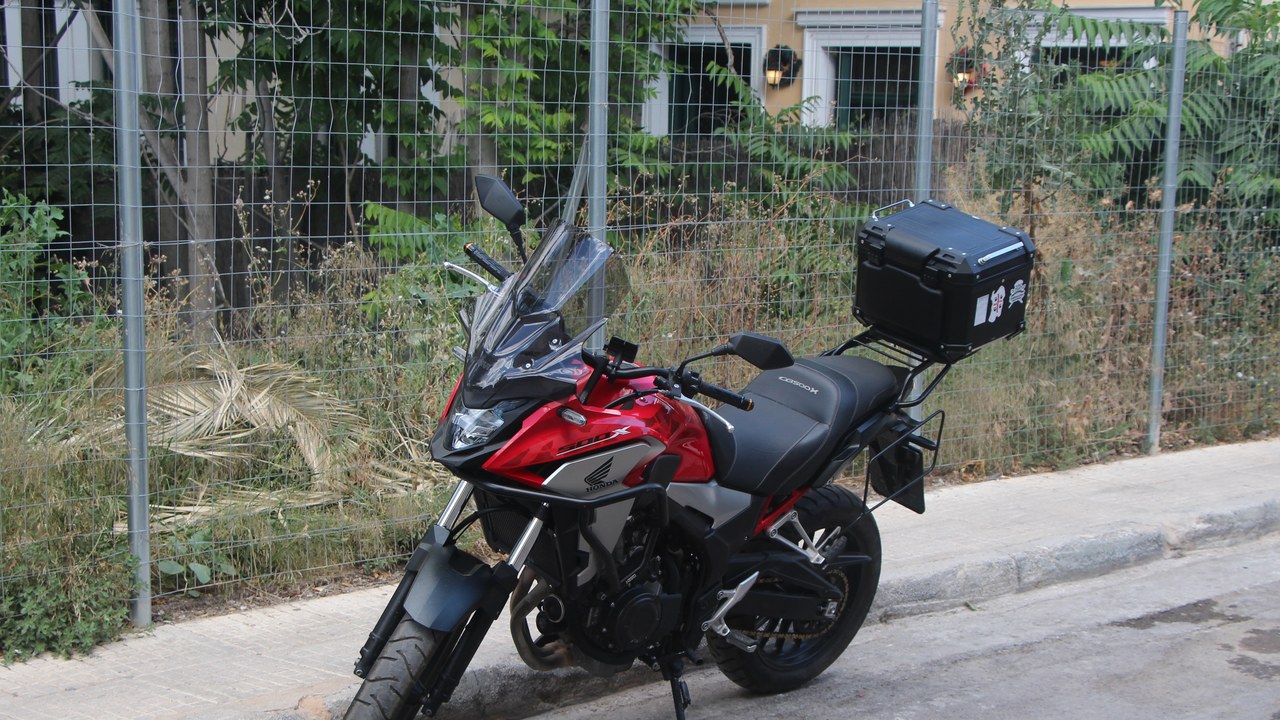
At the opposite end of the price scale, the CB500X arrives at the same destination. Its 471cc parallel twin is modestly tuned at roughly 47 horsepower and shares its architecture with the CB500F and CBR500R, while long service intervals keep ownership costs low. That is why the reliable parallel-twin commuter gets kept for years.
Small-displacement bikes rarely reach six figures because they are outgrown, not worn out. Used as year-round transport instead, the low internal stresses that come with a deliberately soft state of tune are exactly the conditions under which engines survive.
7. Triumph Bonneville: Old Styling, Modern Metallurgy
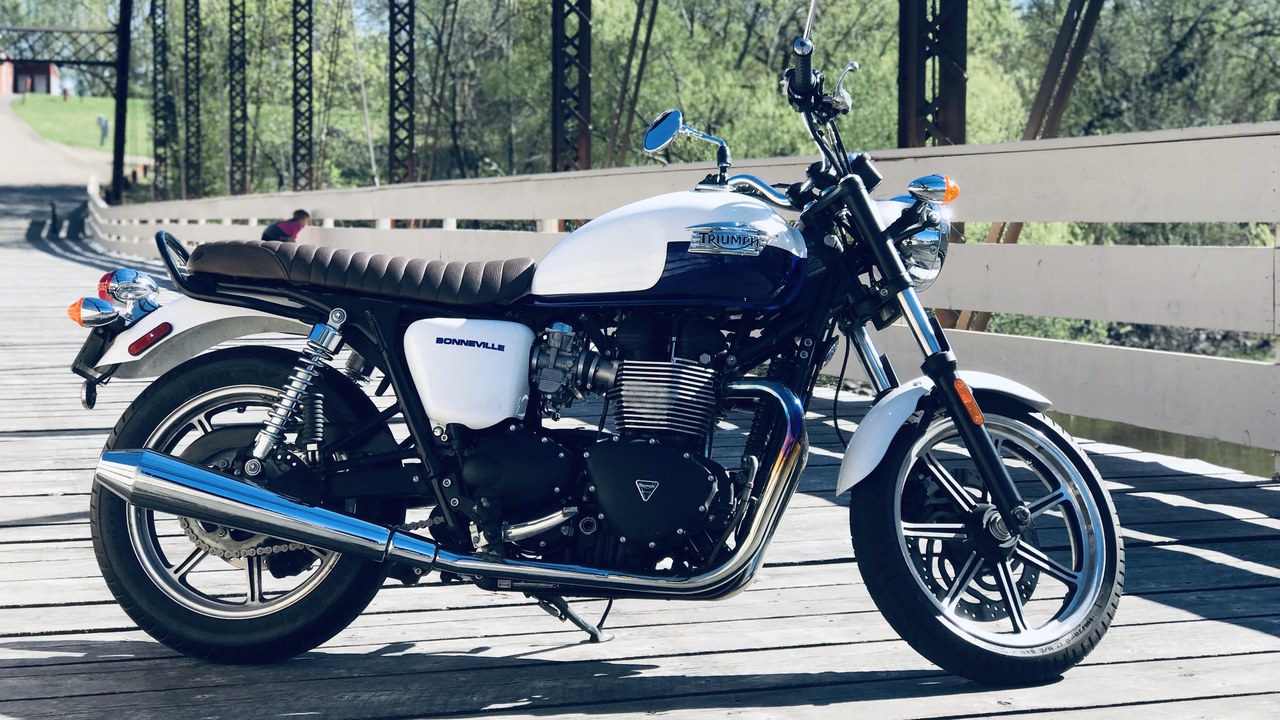
The reborn Bonneville trades on 1960s styling, but nothing inside the engine is period. Built at Hinckley from 2001 as an air-cooled parallel twin and relaunched in 2016 with liquid cooling, it combines fuel injection with contemporary materials, which is why the modern classic Bonneville is credited with a long-lived engine.
The distinction matters when shopping. Meriden-era originals demand constant attention and command collector prices; the post-2001 bikes are ordinary modern motorcycles wearing older clothes. High-mileage examples usually need suspension, wheel bearings and paint long before internal work.
8. Honda Shadow: The Liquid-Cooled Outlier
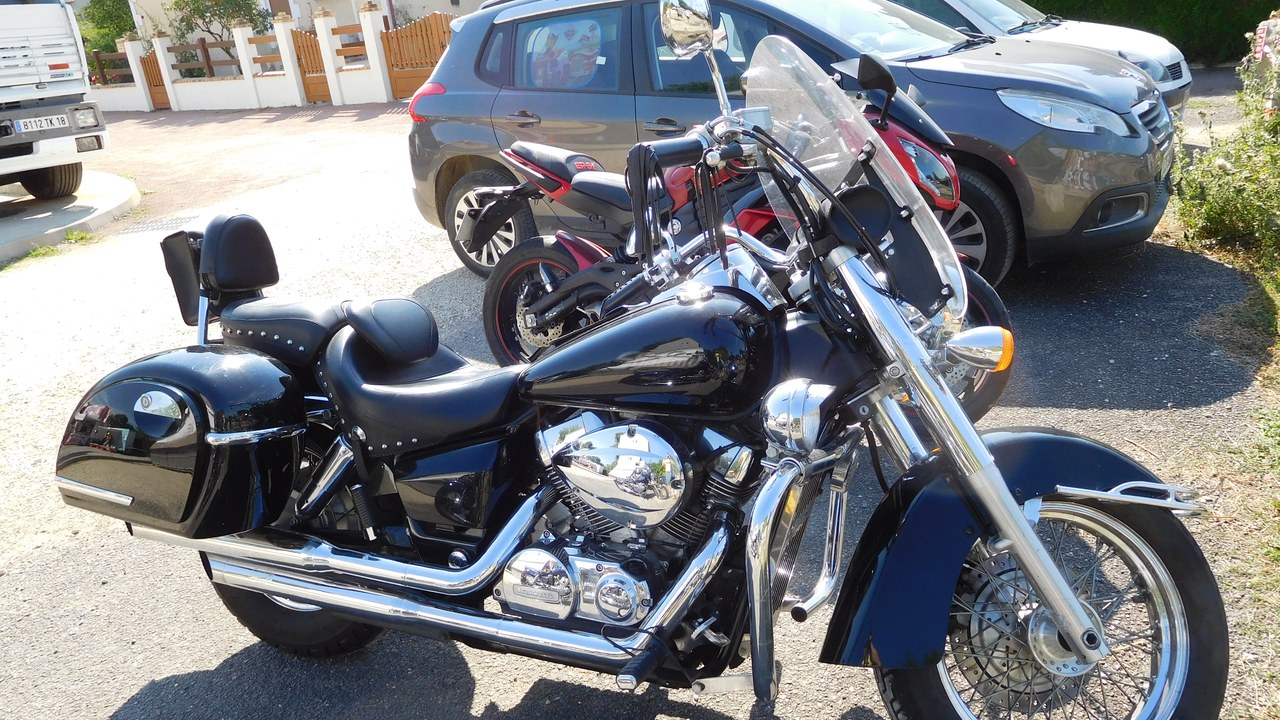
Running since 1983, the Shadow line is built around liquid-cooled V-twins in 600cc, 750cc and 1,100cc sizes, an unusual choice in a cruiser class that overwhelmingly favors air cooling. Stable operating temperatures and a low state of tune are the mechanical reasons the Shadow cruiser line is known for going the distance.
Storage kills more of them than mileage does. Cruisers tend to be ridden in short seasonal bursts, and stale fuel in the carbureted years plus neglected drivetrains do more damage across a decade than a hundred thousand highway miles ever would.
9. Yamaha V Star: Low-Stress by Design
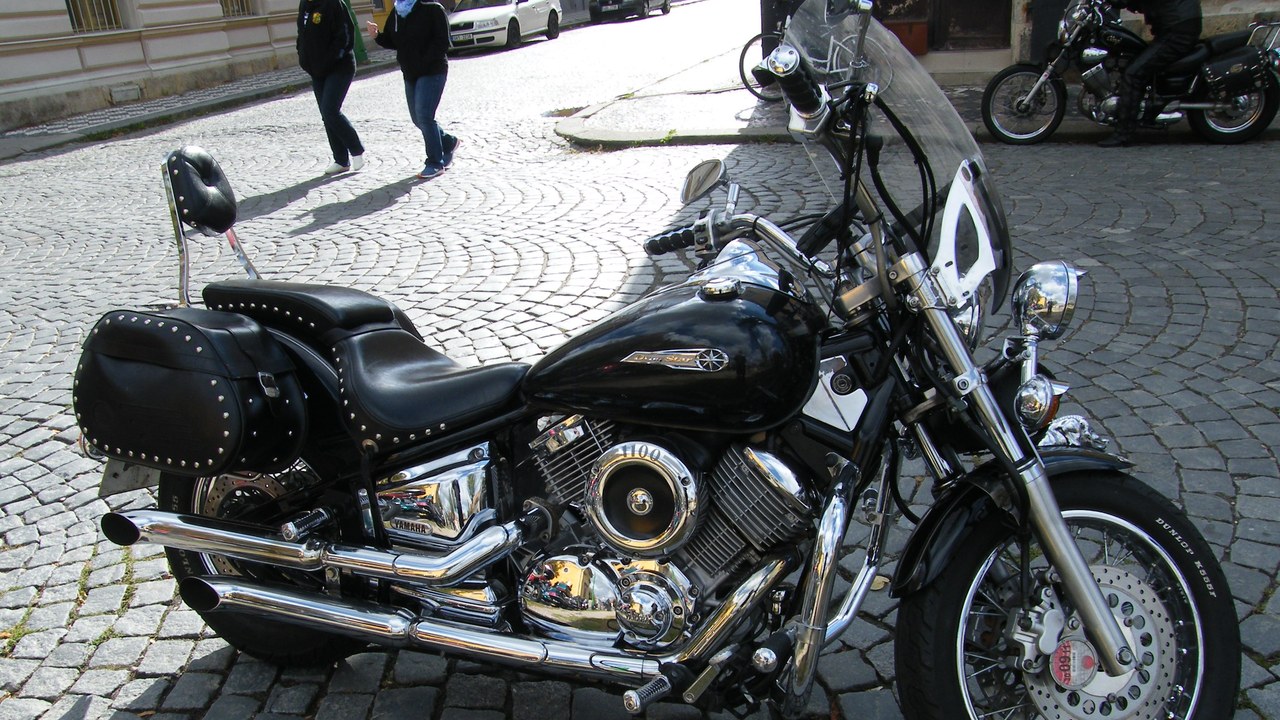
Sold as the DragStar across much of the world, the V Star family spans air-cooled V-twins from 650cc to 1,300cc, all tuned for low-rpm torque rather than peak output. An engine that spends its working life below 5,000 rpm is barely straining, and that is the core reason the low-stress V Star cruiser gets kept past 100,000 miles.
The 650, descended from the long-running Virago, is the most common survivor because it is cheap to insure and cheap to repair. Shaft or belt final drive across the range removes another routine wear item from the ownership ledger.
10. Kawasaki Ninja 650: A Commuter in Sportbike Clothes
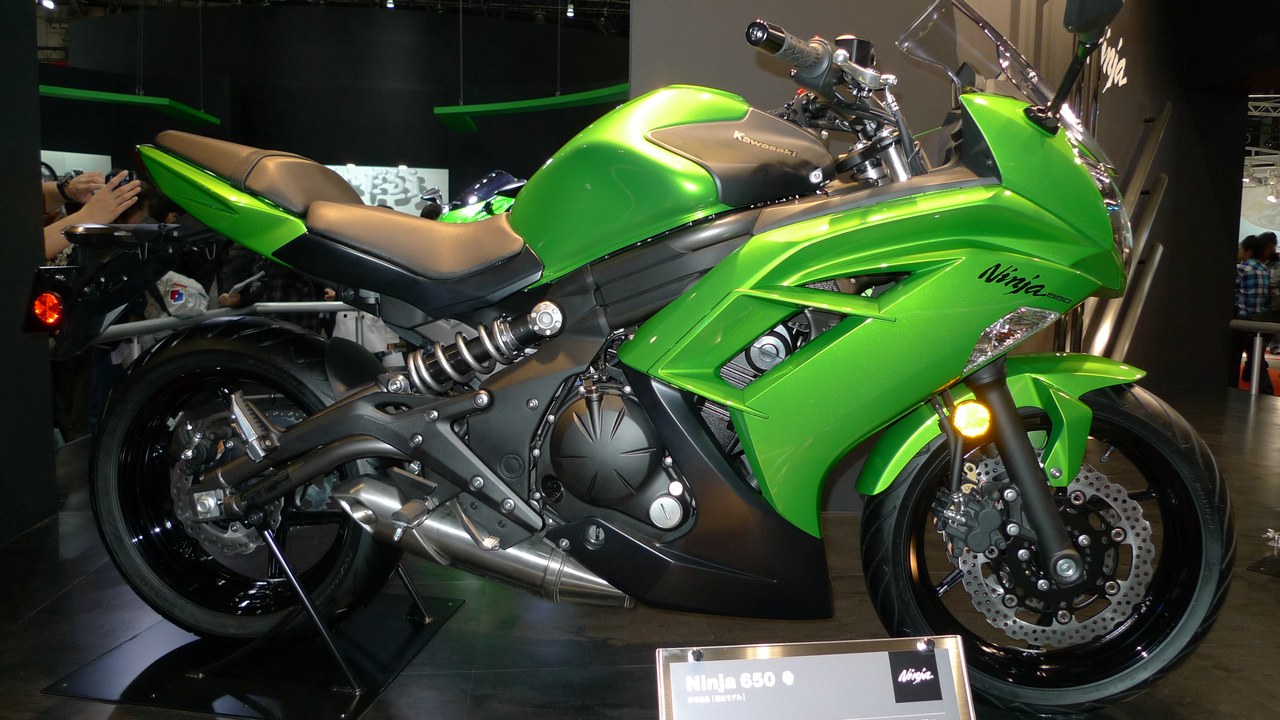
Introduced in 2006 as the ER-6f, the Ninja 650 pairs a 649cc parallel twin with a mild state of tune that has survived several redesigns largely intact. It looks like a sportbike and is engineered like a commuter, and that mismatch is why the approachable Ninja twin soldiers on for years.
Riding style decides the outcome more than the badge does. Examples used for daily transport and easy touring reach mileages that hard-ridden supersports rarely see, while the same engine treated as a track tool wears at an entirely different rate.
More from Morning Overview
