Harley-Davidson, a name synonymous with American motorcycle culture, has a rich history of engineering marvels. The company’s engines, in particular, have played a pivotal role in shaping the brand’s legacy. This article delves into ten of the best engines ever produced by Harley-Davidson, each leaving an indelible mark on the motorcycle industry.
1. Knucklehead Engine
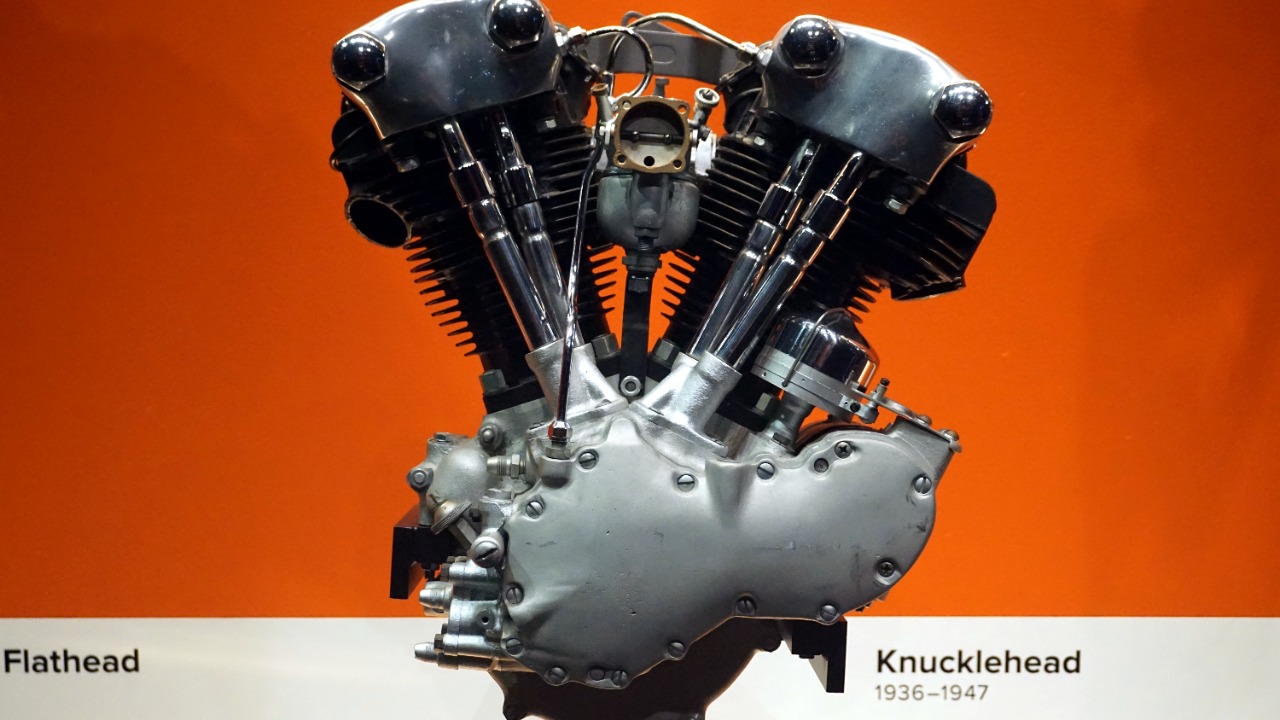
The Knucklehead engine, introduced in 1936, was a revolutionary development in Harley-Davidson’s history. Its overhead-valve design marked a significant shift towards more powerful performance, setting a new standard for the industry. This engine was a game-changer, propelling Harley-Davidson to the forefront of motorcycle engineering. TopSpeed highlights the Knucklehead as one of the engines that refuse to die, testament to its enduring influence.
The Knucklehead engine not only revolutionized Harley-Davidson’s lineup but also left a lasting impact on the entire motorcycle industry. Its overhead-valve design was a significant departure from the side-valve engines commonly used at the time. This change allowed for increased power output and efficiency, making the Knucklehead a favorite among riders. The engine’s distinct rocker covers, resembling clenched fists or knuckles, gave it its unique name. The Knucklehead engine’s influence is still seen today, with many custom builders and enthusiasts seeking out these engines for their projects, further attesting to its timeless appeal and durability. TopSpeed notes that the Knucklehead’s design and performance continue to inspire modern motorcycle engineering.
2. Panhead Engine
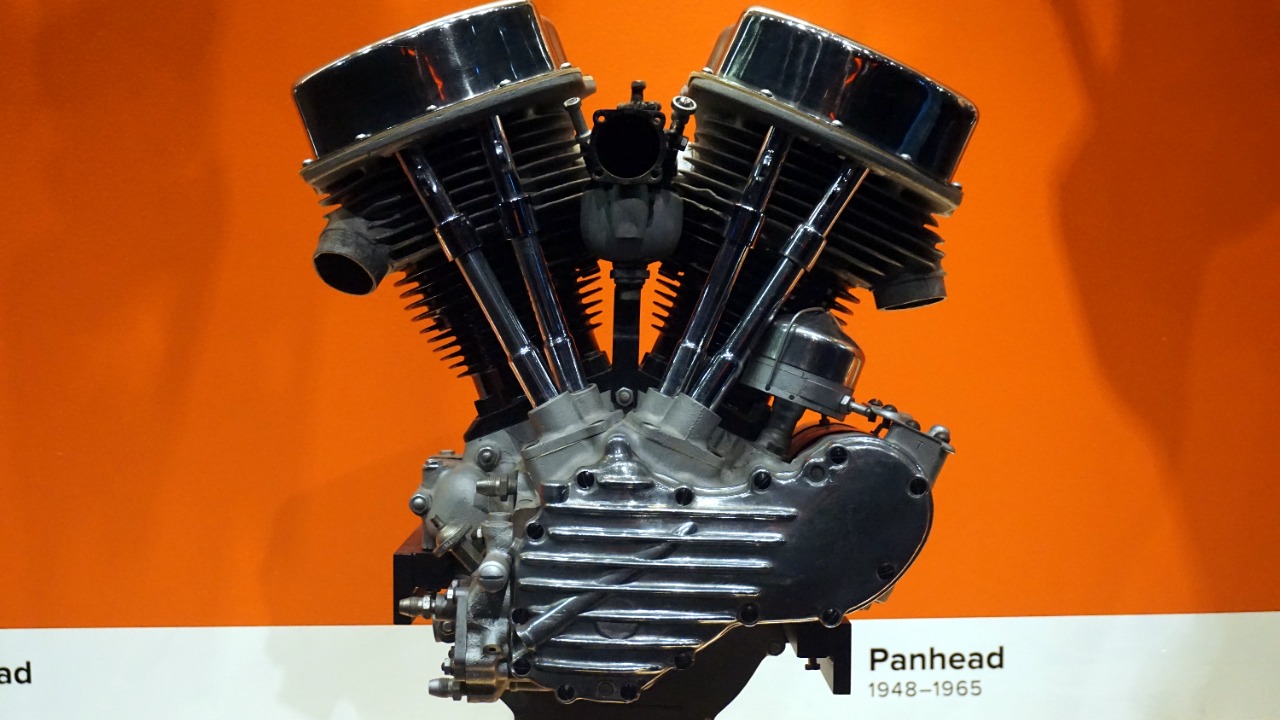
From 1948 to 1965, the Panhead engine reigned supreme in the Harley-Davidson lineup. Known for its improved cooling and aesthetics, the Panhead became iconic for post-war custom bikes. Its unique design and performance characteristics made it a favorite among motorcycle enthusiasts, further solidifying Harley-Davidson’s reputation for innovation and quality.
The Panhead engine, with its distinctive rocker covers resembling upside-down pans, was a significant upgrade from its predecessor, the Knucklehead. The Panhead introduced hydraulic valve lifters, which reduced the need for frequent valve adjustments and improved reliability. Additionally, the engine’s aluminum cylinder heads improved cooling, allowing for more power and longer engine life. The Panhead’s unique blend of power, reliability, and aesthetics made it a popular choice for custom builders and riders alike. Its influence extended beyond Harley-Davidson, with many other manufacturers adopting similar design elements in their engines.
3. Shovelhead Engine
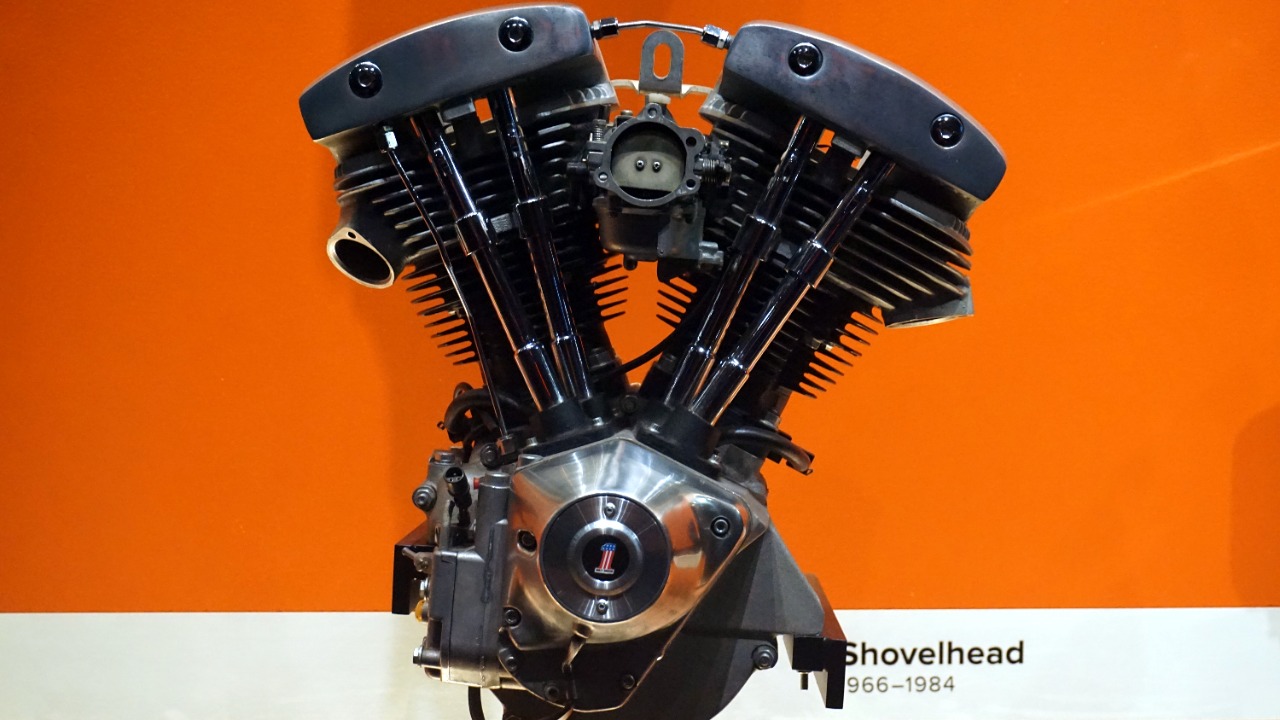
The Shovelhead engine, which evolved from 1966 to 1984, is known for its durability and reliability in big twin models. Despite its maintenance needs, the Shovelhead’s robust performance and longevity have made it a staple in the Harley-Davidson engine family. Its enduring appeal is a testament to Harley-Davidson’s commitment to engineering excellence.
The Shovelhead engine, named for its shovel-shaped rocker covers, was a direct evolution of the Panhead engine. It featured larger valves and a higher compression ratio, which increased power output. The Shovelhead also introduced a new oil pump design, improving lubrication and extending engine life. Despite its reputation for requiring more maintenance, the Shovelhead’s robust performance and durability have endeared it to Harley-Davidson enthusiasts. The engine’s design and performance characteristics have made it a favorite for restoration projects and custom builds, further cementing its place in Harley-Davidson’s engine legacy.
4. Evolution Engine
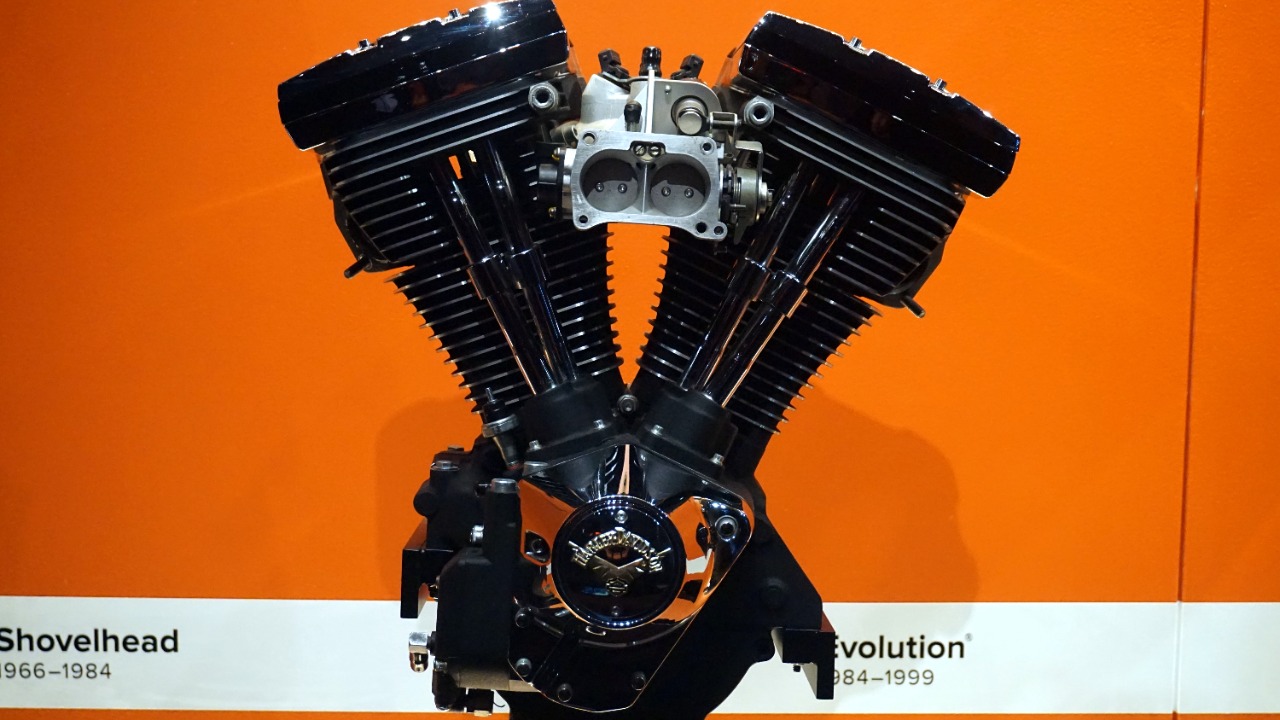
Debuting in 1984, the Evolution engine was another game-changer for Harley-Davidson. With improved oil circulation, this engine powered the Sportster and lasted well into the 2000s. Its introduction marked a significant step forward in the company’s engine design, offering riders a more reliable and efficient power source.
The Evolution engine, often referred to as the Evo, marked a significant step forward in Harley-Davidson’s engine design. The Evo featured aluminum cylinders and heads, which improved cooling and reduced weight. The engine’s design also included a more efficient oil pump and a single camshaft, which improved reliability and reduced maintenance needs. The Evolution engine’s introduction marked a turning point for Harley-Davidson, helping the company regain its footing in a competitive market. The Evo’s reliability and performance made it a popular choice for a wide range of Harley-Davidson models, from the Sportster to the Softail.
5. Twin Cam Engine
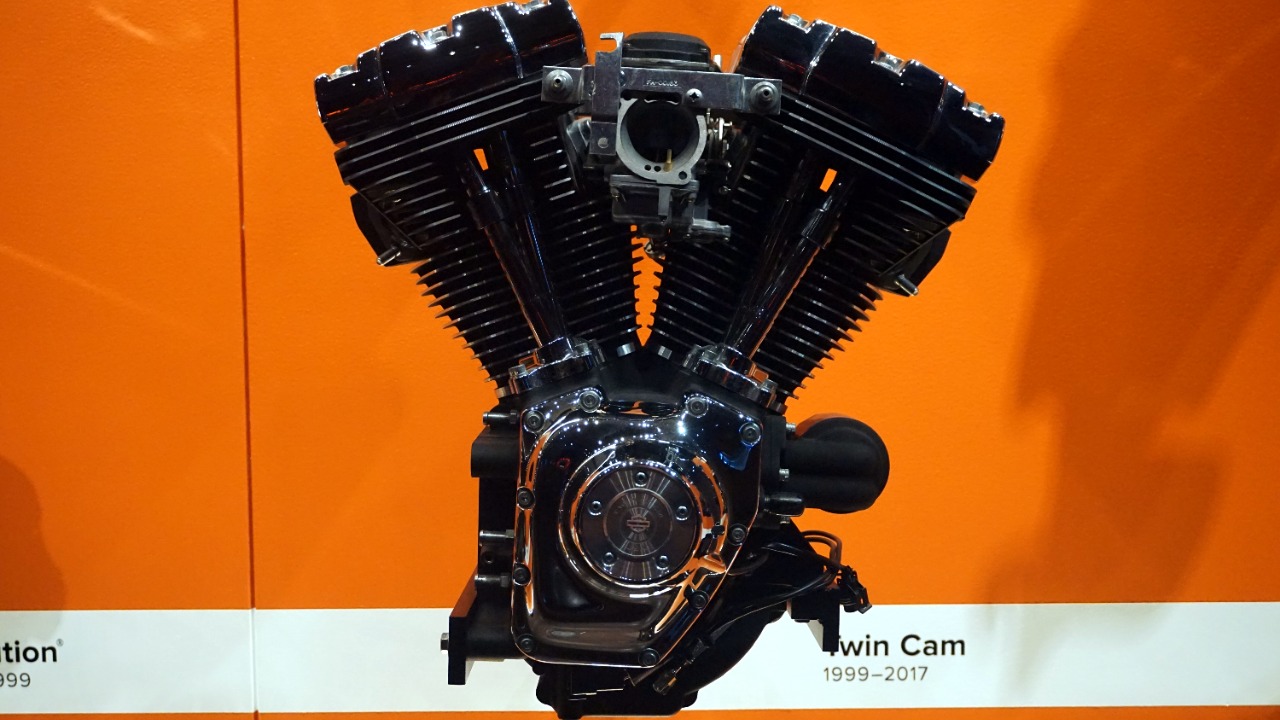
Introduced in 1999, the Twin Cam engine offered a range of 88 to 110 cubic inches. This engine balanced power and smoothness, making it ideal for touring bikes. The Twin Cam engine’s introduction further demonstrated Harley-Davidson’s commitment to delivering high-performance engines that cater to a wide range of riding styles and preferences.
The Twin Cam engine, also known as the TC, was a significant departure from the single camshaft design of the Evolution engine. The TC featured two camshafts, each controlling two cylinders, which allowed for more precise valve timing and improved performance. The engine also introduced a new crankshaft design, which improved balance and reduced vibration. The Twin Cam’s range of 88 to 110 cubic inches catered to a wide range of riding styles and preferences, from city commuting to long-distance touring. The Twin Cam’s balance of power and smoothness, coupled with its distinctive Harley-Davidson sound, made it a favorite among riders.
6. Revolution Engine
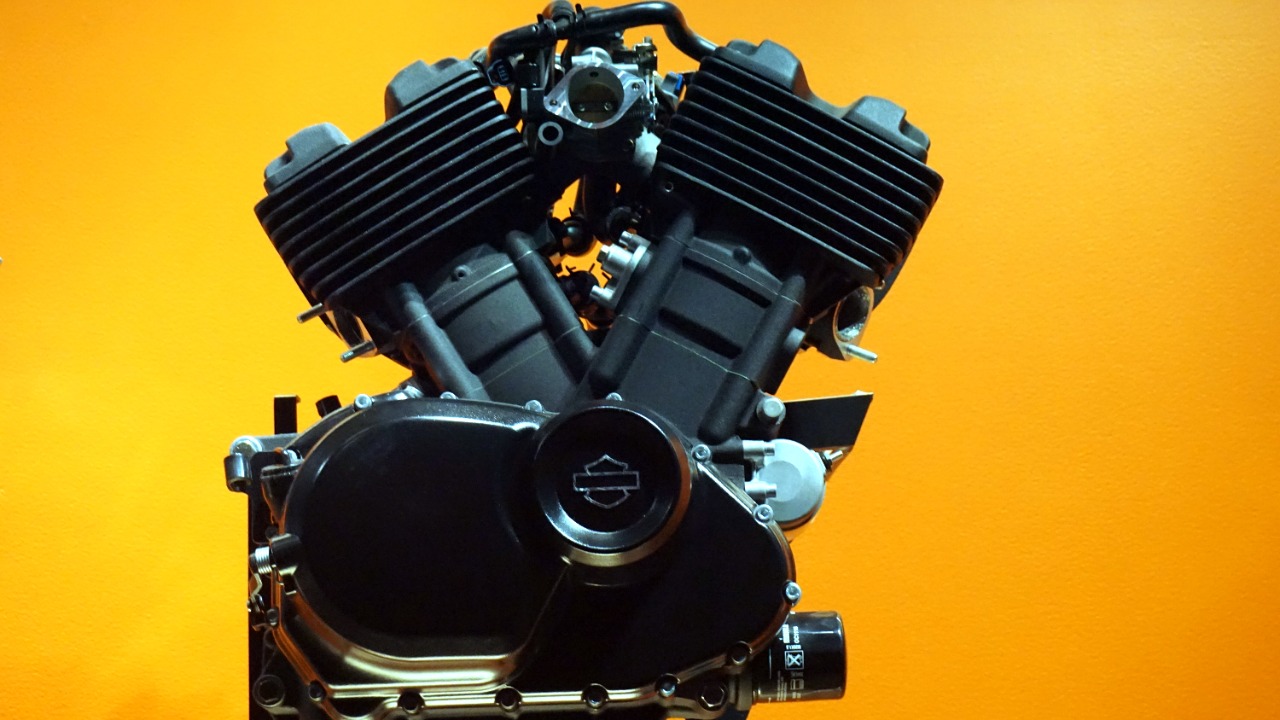
The Revolution engine, a liquid-cooled V-twin introduced in 2008, was derived from a collaboration with Porsche. This high-revving performance engine powered the V-Rod, showcasing Harley-Davidson’s ability to innovate and adapt to changing market demands. The Revolution engine’s introduction marked a significant milestone in the company’s engine development journey.
The Revolution engine marked a significant departure from Harley-Davidson’s traditional air-cooled V-twin engines. The Revolution was a liquid-cooled engine, designed in collaboration with Porsche, which allowed for higher revs and more power. The engine’s compact design and high-performance characteristics made it the perfect choice for the V-Rod, Harley-Davidson’s first performance-oriented motorcycle. The Revolution engine’s introduction showcased Harley-Davidson’s ability to innovate and adapt to changing market demands, further cementing the company’s reputation as a leader in motorcycle engineering.
7. Milwaukee-Eight Engine
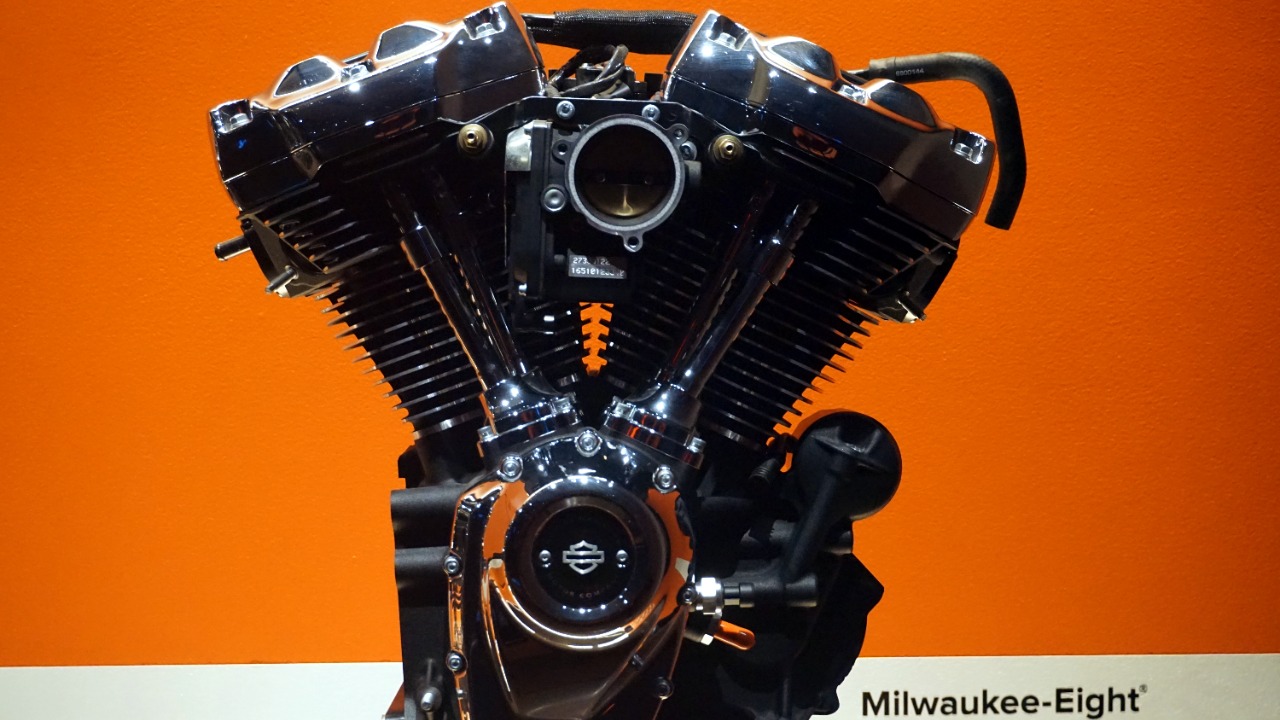
Launched in 2017, the Milwaukee-Eight engine features four valves per cylinder and is available up to 117 cubic inches in 2025 models. This engine offers enhanced torque, providing riders with a more powerful and smoother ride. According to AutoEvolution, the Milwaukee-Eight is among the biggest motorcycle engines available in 2025, further cementing Harley-Davidson’s position as a leader in engine design and performance.
The Milwaukee-Eight engine, named in honor of Harley-Davidson’s hometown and the engine’s eight valves, is the latest in the company’s long line of V-twin engines. The Milwaukee-Eight features a refined dual-sparkplug cylinder head design, which improves combustion efficiency and power output. The engine also includes a single camshaft, reducing complexity and improving reliability. The Milwaukee-Eight’s four valves per cylinder allow for increased airflow, resulting in more power and a smoother ride. According to AutoEvolution, the Milwaukee-Eight’s combination of power, efficiency, and smoothness make it one of the best motorcycle engines available in 2025.
8. Flathead Engine
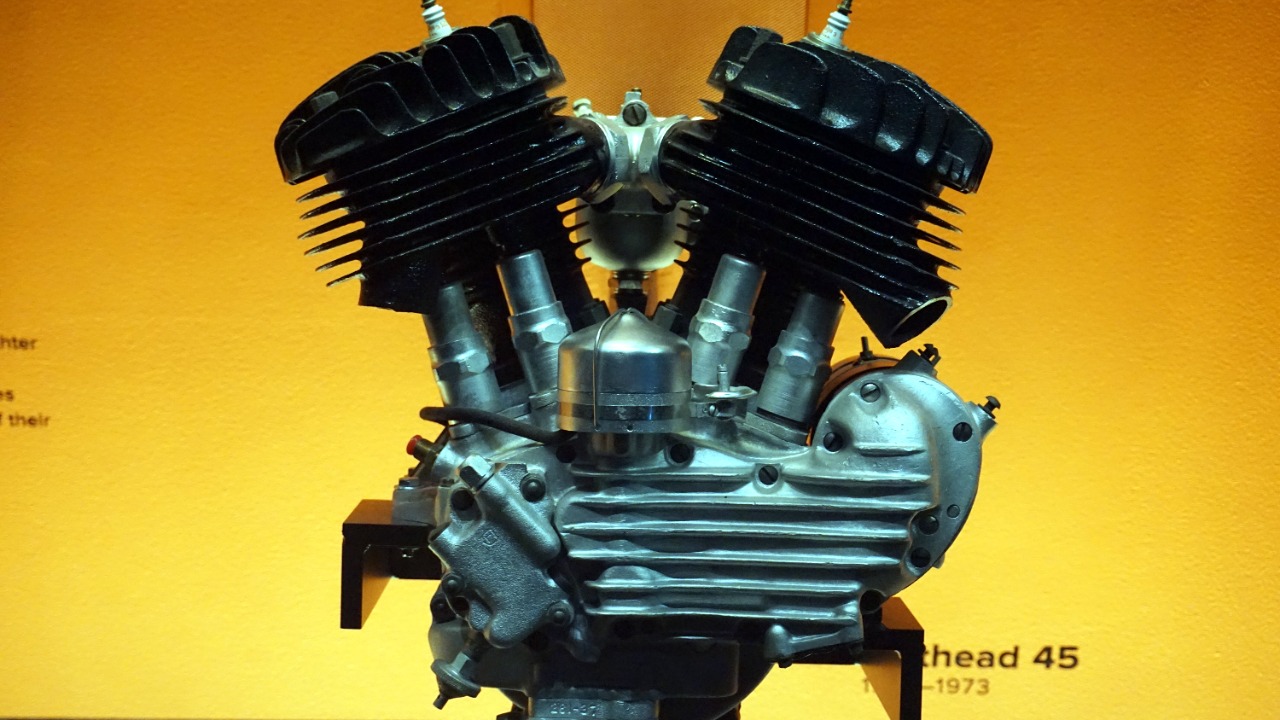
The Flathead engine, introduced in 1921, is known for its simplicity and 45-degree V-twin design. This engine laid the foundation for Harley-Davidson’s side-valve legacy, setting the stage for the company’s future engine innovations. Despite its age, the Flathead engine remains a significant part of Harley-Davidson’s engine history.
The Flathead engine, named for its flat-shaped cylinder heads, was a staple in Harley-Davidson’s lineup for many years. The engine’s simple design and robust construction made it reliable and easy to maintain. The Flathead’s 45-degree V-twin design became a signature feature of Harley-Davidson engines, influencing future engine designs. Despite its age, the Flathead engine remains a significant part of Harley-Davidson’s engine history, with many enthusiasts and collectors seeking out these engines for their projects. The Flathead’s simplicity and reliability are a testament to Harley-Davidson’s commitment to engineering excellence.
9. Ironhead Engine
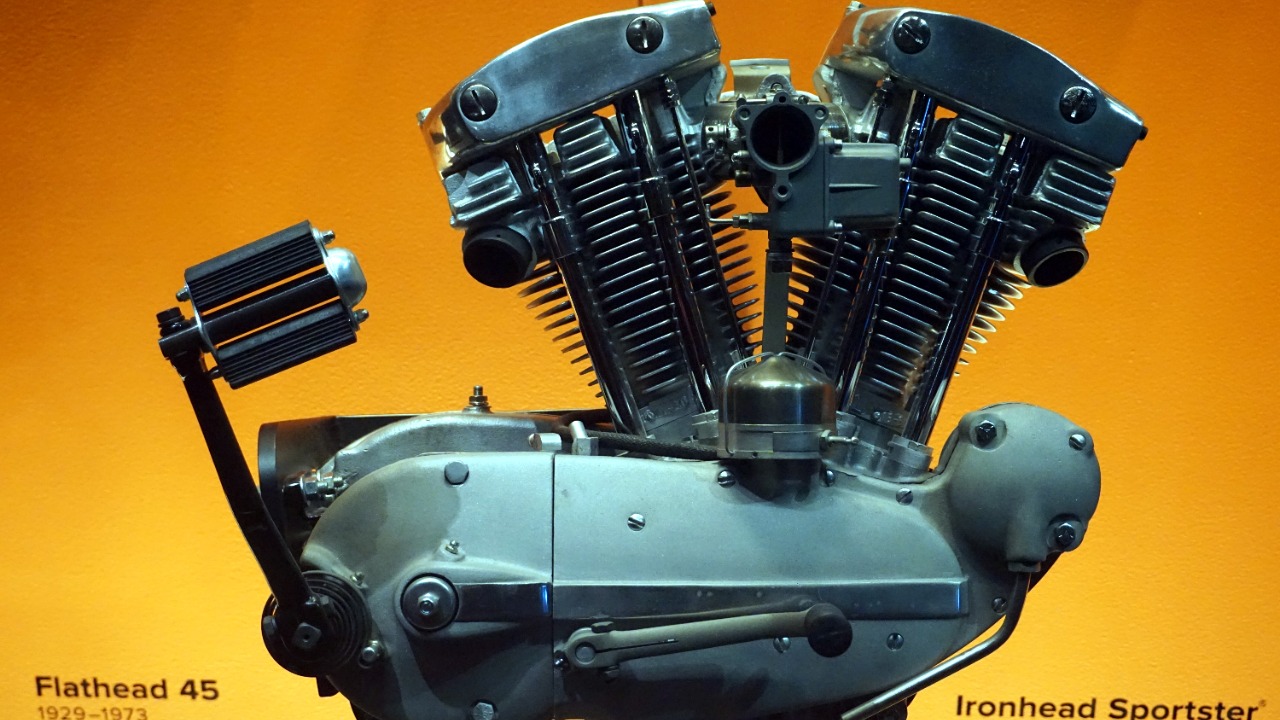
The Ironhead engine, used in the 1957 Sportster, featured a single-cam design. Known for its raw character, the Ironhead endured through 1985, further demonstrating Harley-Davidson’s ability to create engines that stand the test of time. Its unique design and performance characteristics have made it a favorite among Harley-Davidson enthusiasts.
The Ironhead engine, used in the Sportster models, was a significant departure from Harley-Davidson’s previous engines. The Ironhead featured a single-cam design, which reduced complexity and improved reliability. The engine’s iron construction gave it a raw, rugged character that appealed to many riders. Despite its relatively short production run, the Ironhead has become a favorite among Harley-Davidson enthusiasts, with many seeking out these engines for their projects. The Ironhead’s unique design and performance characteristics have made it a standout in Harley-Davidson’s engine lineup.
10. Single-Cylinder Engine
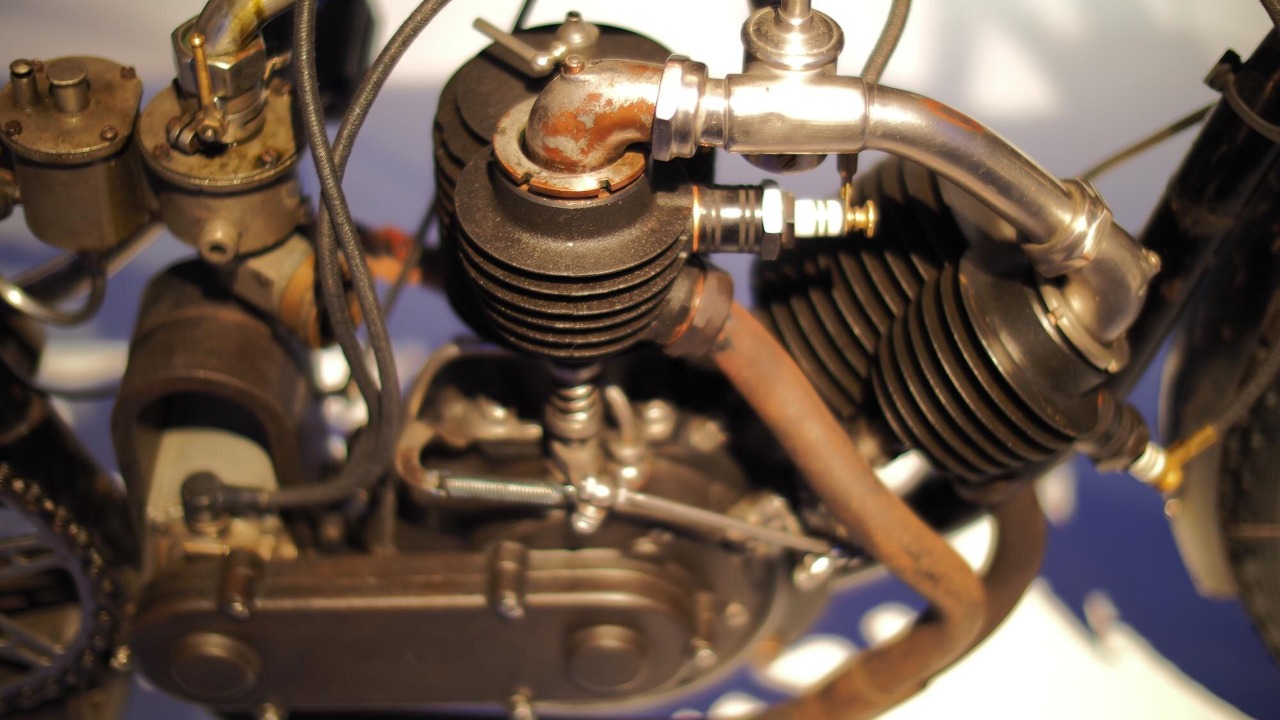
Harley-Davidson’s first engine, the Single-Cylinder, powered the company’s early models in 1903. This engine influenced the brand’s single-cylinder lineup, setting the stage for the company’s future engine innovations. According to HotCars, the Single-Cylinder engine is among the greatest motorcycle engines ever produced, a testament to Harley-Davidson’s engineering prowess from the very beginning.
The Single-Cylinder engine, Harley-Davidson’s first engine, set the stage for the company’s future engine innovations. The engine’s simple design and reliable performance helped establish Harley-Davidson’s reputation for quality and innovation. The Single-Cylinder engine powered the company’s early models, including the iconic Harley-Davidson Model 1. Despite its simplicity, the Single-Cylinder engine’s influence can still be seen in Harley-Davidson’s current lineup, with the company continuing to produce single-cylinder models for certain markets. According to HotCars, the Single-Cylinder engine’s enduring influence makes it one of the greatest motorcycle engines ever produced.
