Keeping a car in tip-top shape can often feel like an uphill battle. While some issues are unavoidable, many common habits can slowly ruin your car. By understanding these habits, you can avoid costly repairs and extend the life of your vehicle.
Neglecting Regular Oil Changes
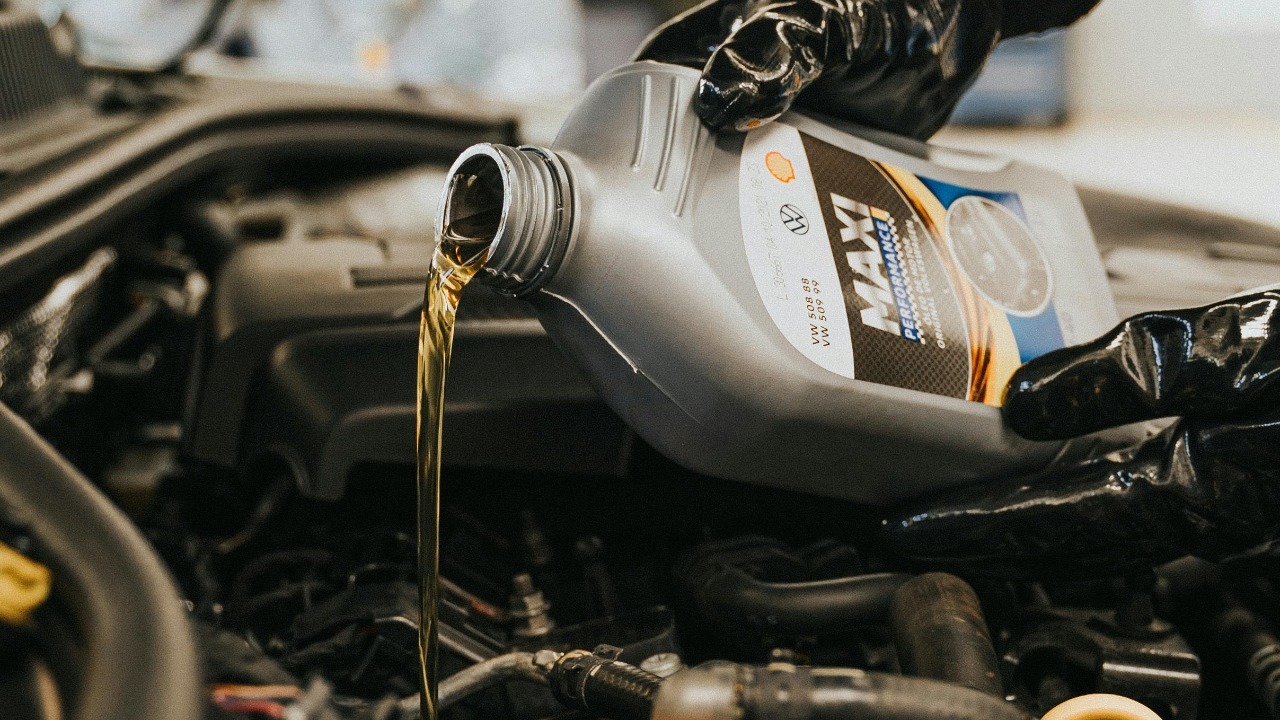
One of the simplest yet most important maintenance tasks is changing your car’s oil regularly. Oil lubricates engine components and helps prevent overheating. Over time, however, oil degrades and loses its effectiveness. Failing to change it can lead to increased friction, part failures, and in severe cases, engine seizure.
Many experts recommend an oil change every 3,000 to 5,000 miles for most vehicles. Skipping this essential service can cost you down the line. For example, older models like the 2005 Honda Civic are particularly sensitive to oil quality and can suffer significant damage if neglected.
Ignoring Tire Maintenance

Proper tire maintenance is crucial not only for your car’s performance but also for your safety. Tires that are under-inflated or over-inflated can cause uneven wear, reduced fuel efficiency, and even blowouts. Regularly check your tire pressure and rotate them every 6,000 to 8,000 miles to ensure even tread wear.
Ignoring tire issues can also negatively impact your car’s suspension and alignment, leading to further mechanical problems. Click here for more tire maintenance tips.
Skipping Scheduled Maintenance
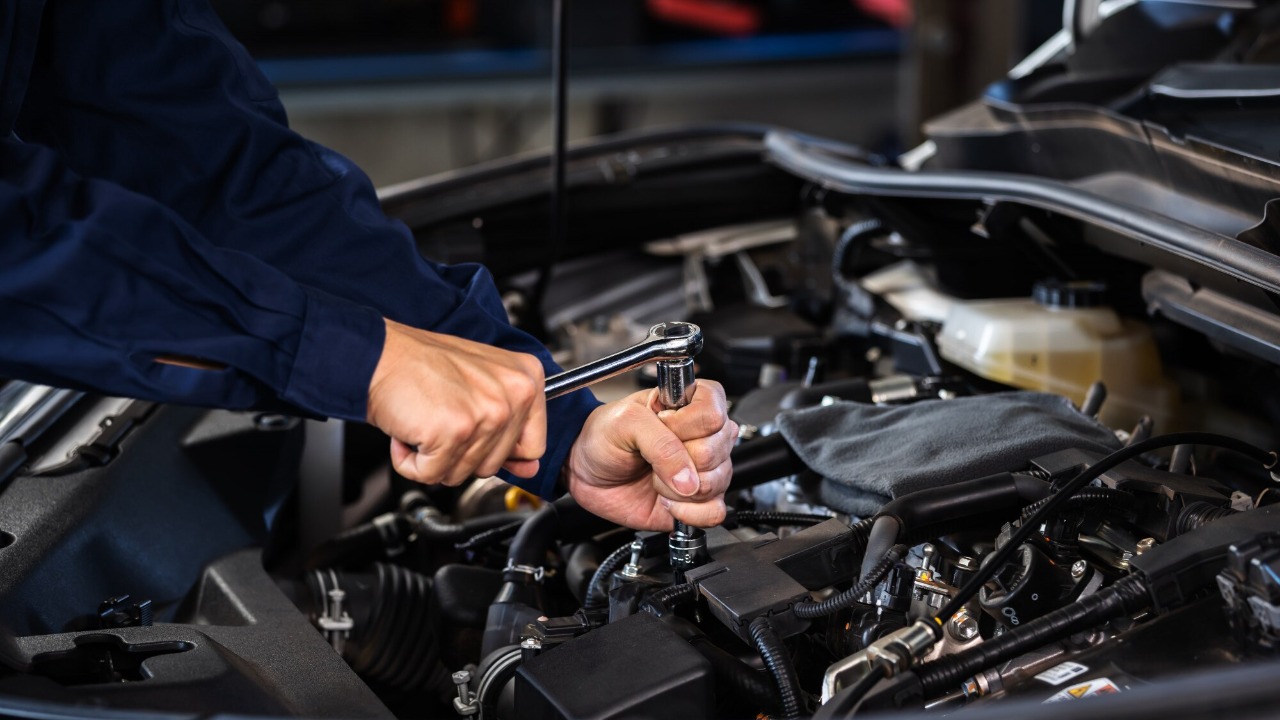
Scheduled maintenance is designed to catch small issues before they become major problems. This includes checking fluid levels, inspecting belts and hoses, and changing filters. Skipping these routine checks can lead to unexpected breakdowns and costly repairs.
For instance, the timing belt in a 2008 Subaru Outback should be replaced every 105,000 miles. Failing to do so can result in a broken belt, leading to engine failure and a hefty repair bill.
Using the Wrong Fuel
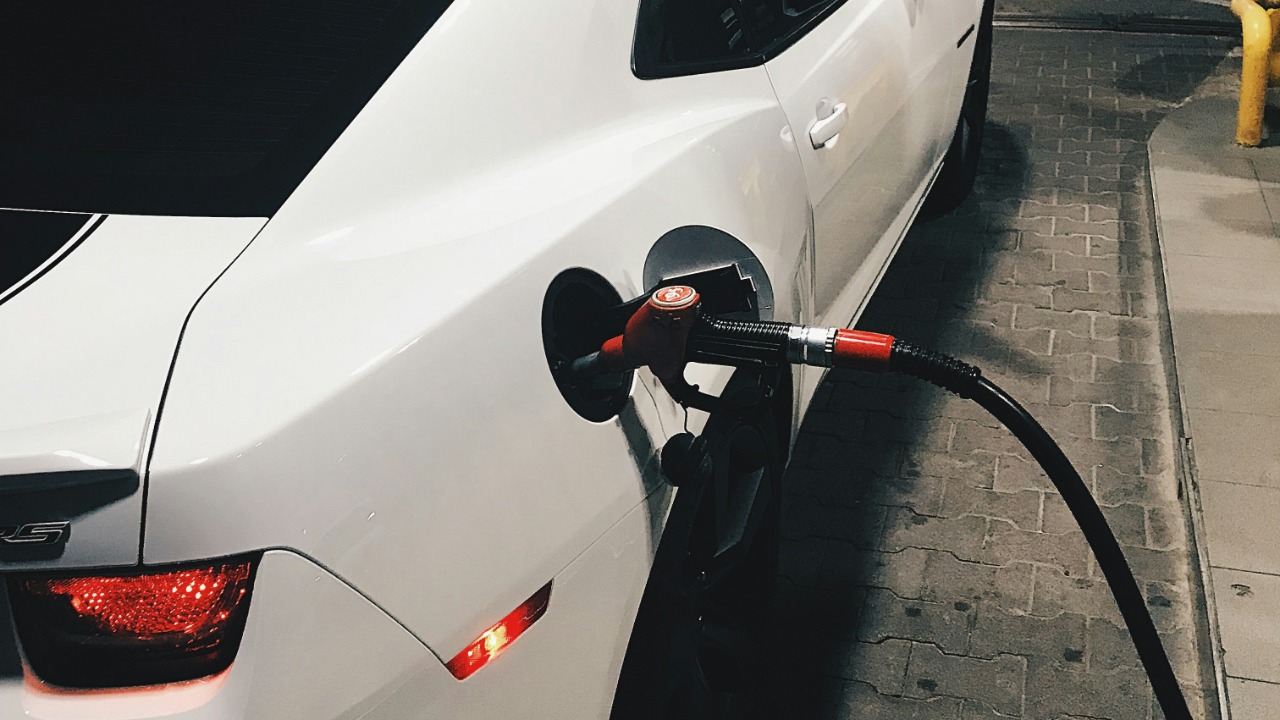
Using the incorrect type of fuel can wreak havoc on your car’s engine. High-performance vehicles often require premium gasoline, which has a higher octane rating. Using regular gasoline in these cars can cause knocking and reduce performance.
For example, the BMW 5 Series specifies premium fuel for a reason. Filling it with regular gas can cause long-term engine damage. For more details on how fuel types affect your vehicle, check out this discussion.
Overloading Your Vehicle
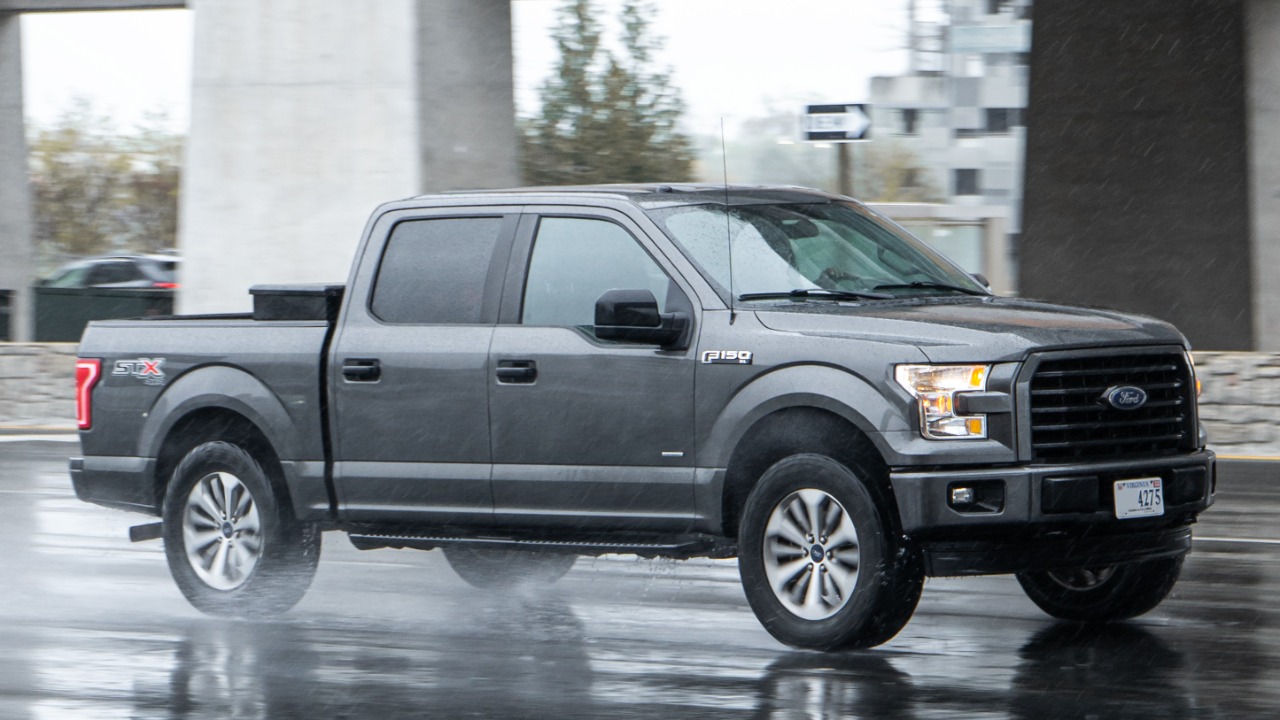
Every vehicle has a maximum weight limit, usually specified in the owner’s manual. Exceeding this limit can strain the suspension, brakes, and drivetrain. Consistently overloading your car can lead to premature wear and tear, decreased fuel efficiency, and even tire blowouts.
Consider the Ford F-150; while it’s built for heavy loads, regularly exceeding its payload capacity can cause long-term damage to the suspension and transmission.
Ignoring Dashboard Warning Lights
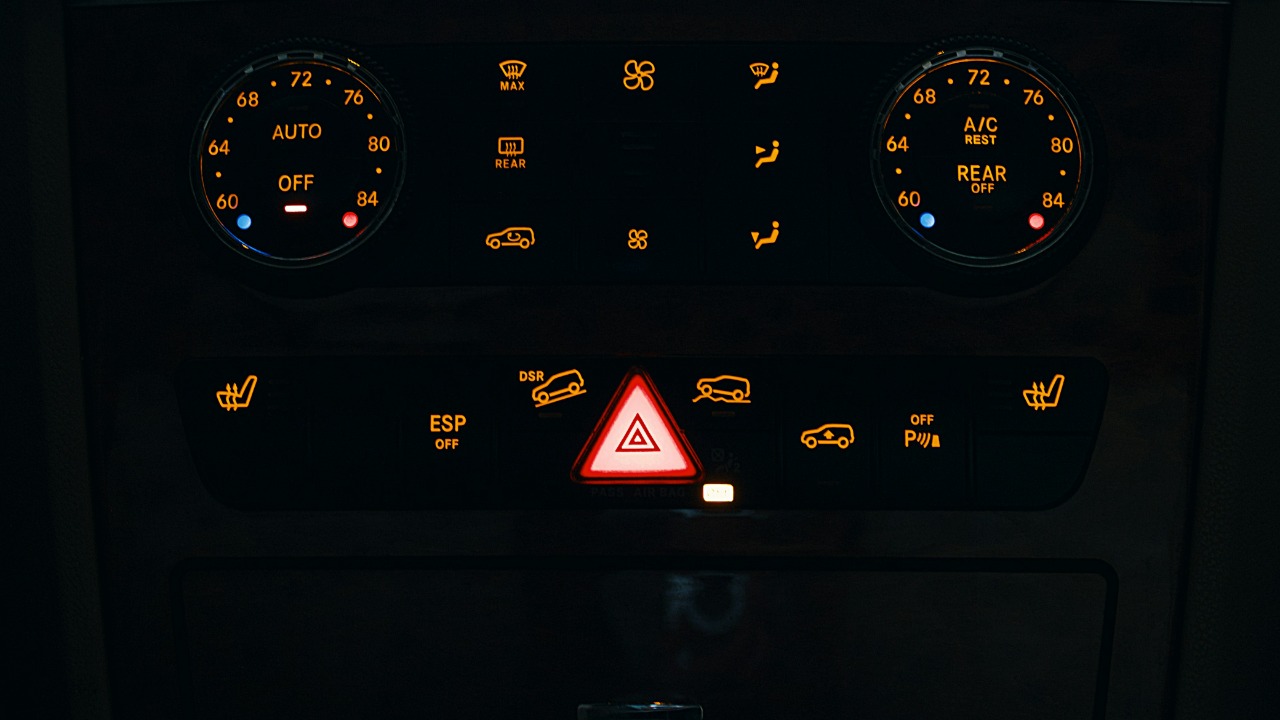
Dashboard warning lights are your car’s way of alerting you to potential issues. Ignoring these lights can lead to more severe problems and expensive repairs. For example, a lit check engine light could indicate anything from a loose gas cap to a failing catalytic converter.
It’s crucial to address warning lights promptly. A malfunctioning oxygen sensor, indicated by the check engine light, can lead to poor fuel economy and increased emissions if left unchecked.
Frequent Short Trips
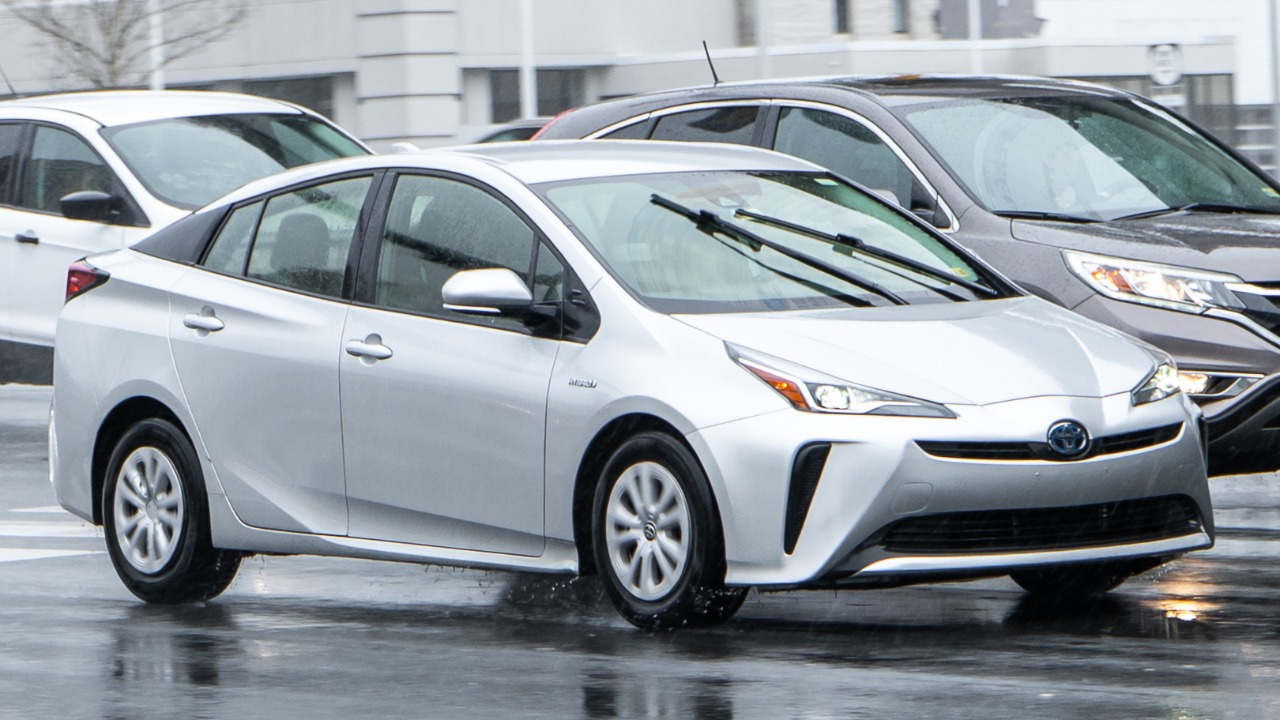
While short trips might seem harmless, they can be surprisingly detrimental to your vehicle. Frequent short journeys prevent the engine from reaching its optimal operating temperature, leading to condensation buildup and increased wear on engine components.
This is particularly true for vehicles like the Toyota Prius, which relies on its engine temperature for optimal hybrid performance. Consider combining errands into a single trip to mitigate this issue.
Riding the Clutch

Riding the clutch, or keeping your foot on the clutch pedal while driving, can lead to unnecessary wear on the clutch components. Over time, this habit can cause the clutch to slip, reducing its effectiveness and leading to costly repairs.
Manual transmission vehicles, such as the Mazda MX-5, are particularly susceptible to clutch issues if not driven properly. Always ensure you fully release the clutch pedal after changing gears.
Using Poor Quality Parts

While it might be tempting to save money by using aftermarket or low-quality parts, doing so can compromise your car’s performance and safety. Poor quality parts often wear out faster and can lead to more frequent repairs.
For example, using a low-quality air filter in a Volkswagen Jetta can lead to decreased engine performance and fuel efficiency. Investing in OEM (Original Equipment Manufacturer) parts is usually the better choice for maintaining vehicle integrity.
Delaying Brake Pad Replacement
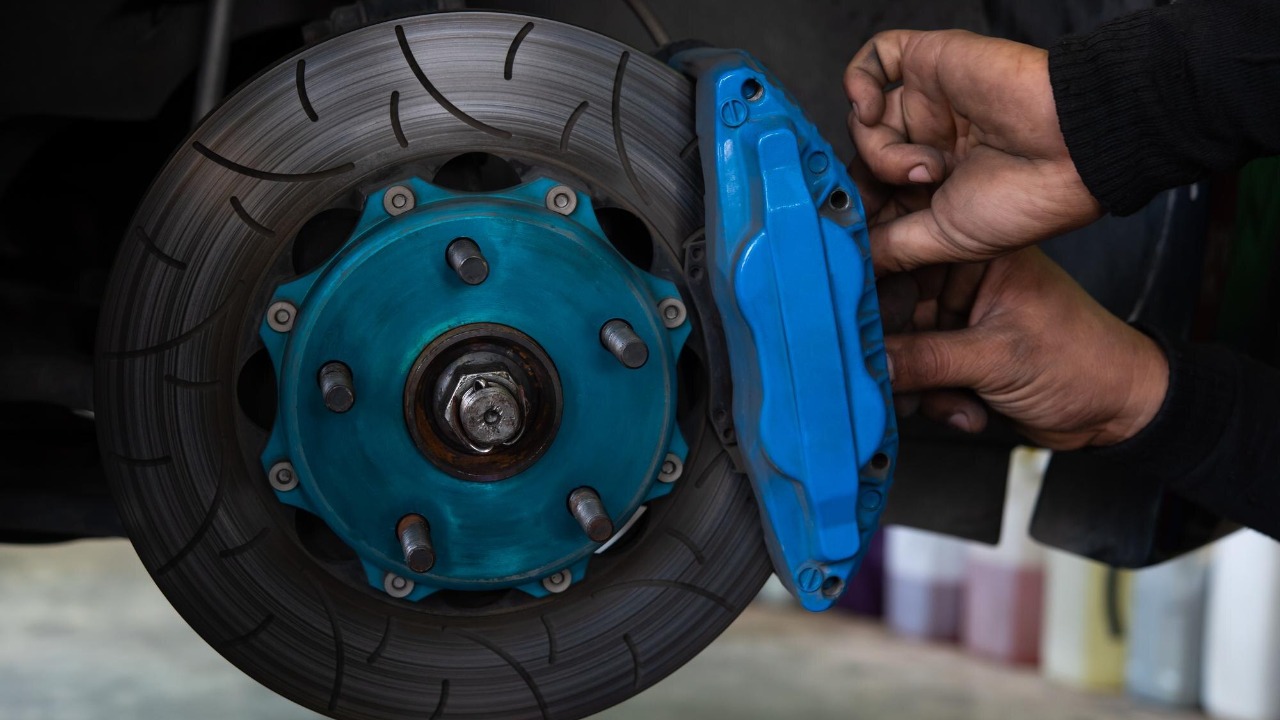
Brake pads are a critical component of your car’s braking system. Delaying their replacement can lead to increased stopping distances and, ultimately, brake failure. Regularly check your brake pads for wear and replace them when necessary.
In vehicles like the Honda Accord, worn brake pads can also damage the rotors, leading to even more expensive repairs. For more insights into maintaining your car, refer to this guide.
