
Cold weather turns every charging stop into a longer commitment, because batteries accept power more slowly and heaters draw from the same pack that moves the car. Published charging tests and winter range studies show which models ask the most patience from a driver. Here are ten electric vehicles that test that patience when the temperature drops.
1. Rivian R1T: Longest Stop of the Group
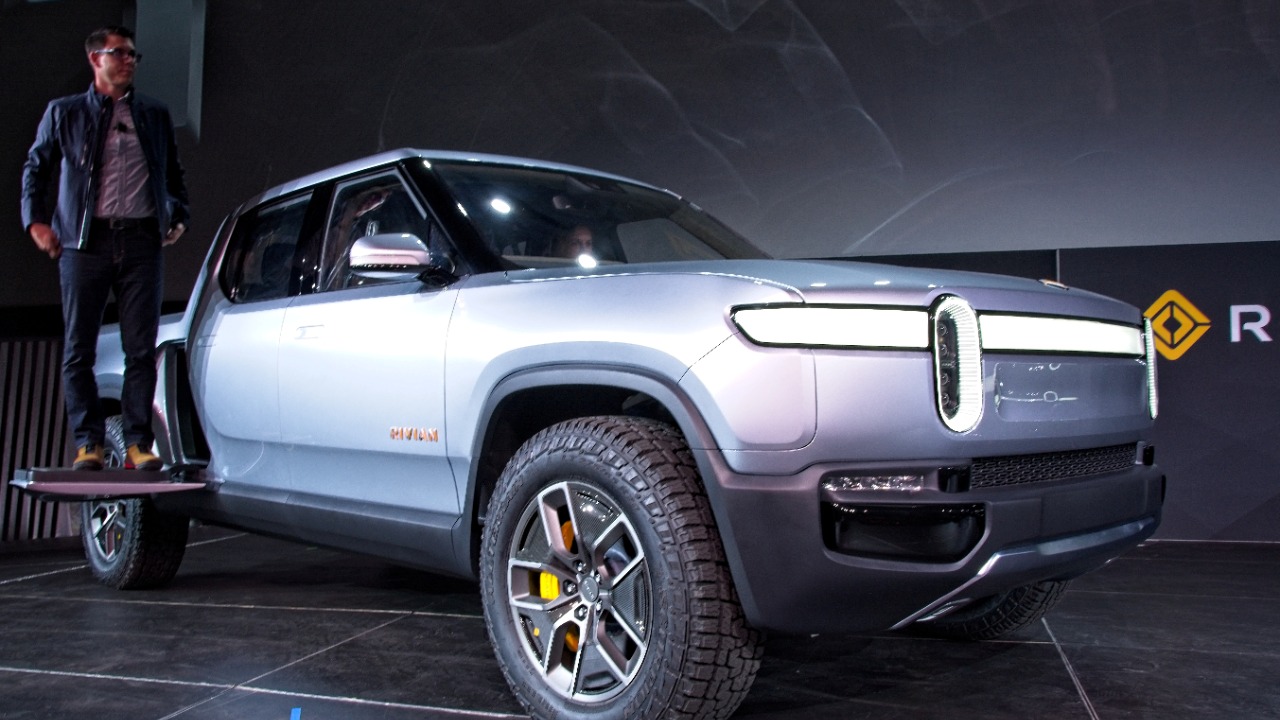
Rivian’s pickup needs around 40 minutes to go from 10% to 80% at a fast charger, which makes it the longest stop in this fast-charging comparison. On a cold day with a lower starting charge, that sits at the front of any road-trip schedule.
Owners planning a winter run in the R1T should treat the pause as a meal break rather than a quick top-up. Booking a charger ahead, preheating the battery on approach and leaving generous time at the destination all help the day stay on track without frustration.
2. Tesla Cybertruck: Big Truck, Mid-Length Wait
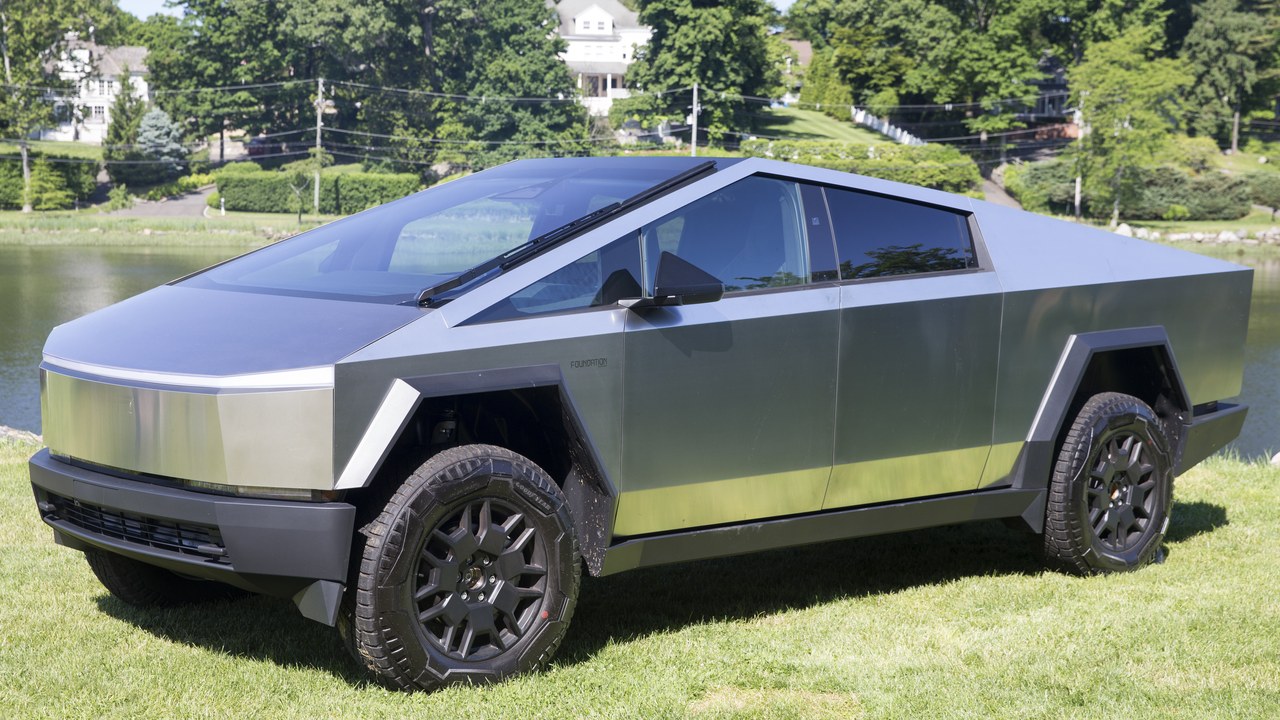
Tesla’s stainless-steel pickup lands its 10-80% charge in the 35-minute range, according to the same charging time ranking. That places the Cybertruck behind several rivals but ahead of the slowest entry on the list.
For buyers weighing a towing or trip-heavy truck, half an hour at the plug is a realistic planning figure before any cold-weather penalty. Extra minutes should be budgeted whenever the pack starts cold, since the quoted range reflects a standard test rather than a frozen highway. That cushion matters most when the pack starts the stop cold.
3. Ford Mustang Mach-E: Pony Car, Patient Stops
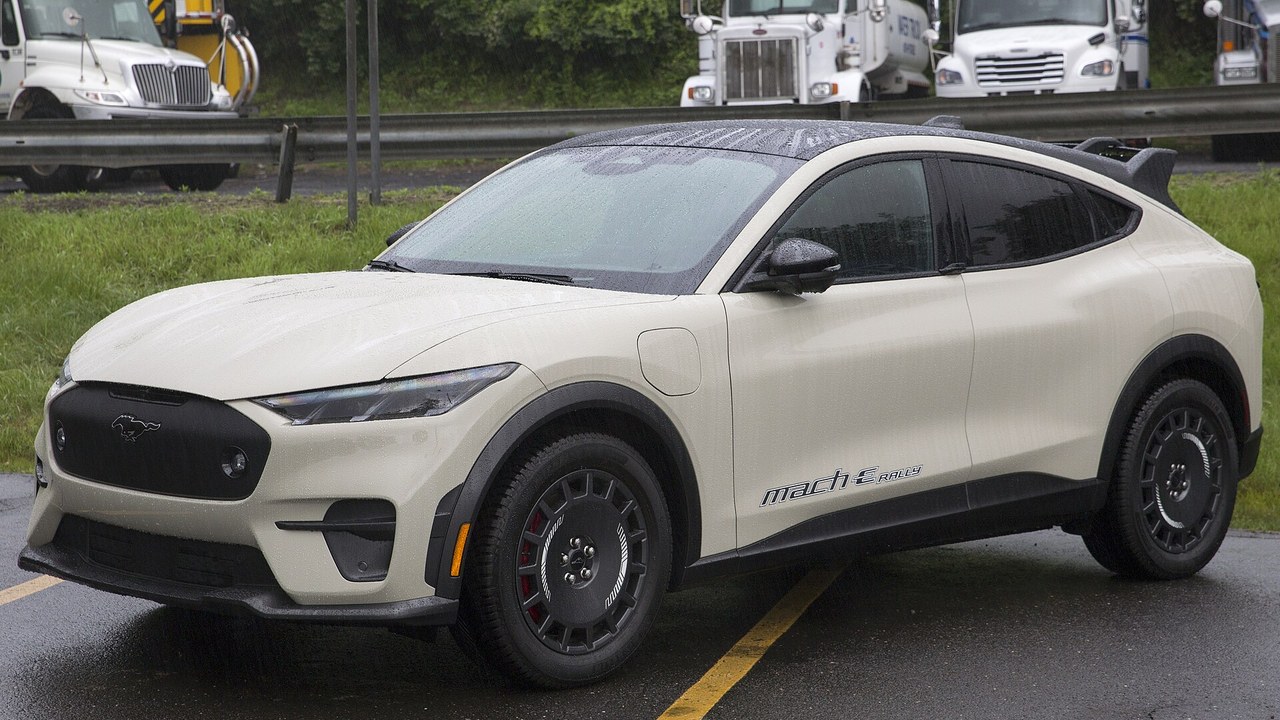
Ford’s electric crossover takes about 32 to 36 minutes for a 10-80% charge, a span reported in the fast-charging roundup. The window is a little shorter than the pickups above it, yet it still counts as a proper wait.
Drivers of the Mach-E can expect a stop of roughly half an hour each time the battery runs low. Winter conditions typically stretch that figure, so a realistic itinerary pads every leg with spare minutes and picks stations with covered, well-lit bays. A cushion of ten or fifteen minutes per stop keeps the schedule honest.
4. Rivian R1S: Lowest Peak Power
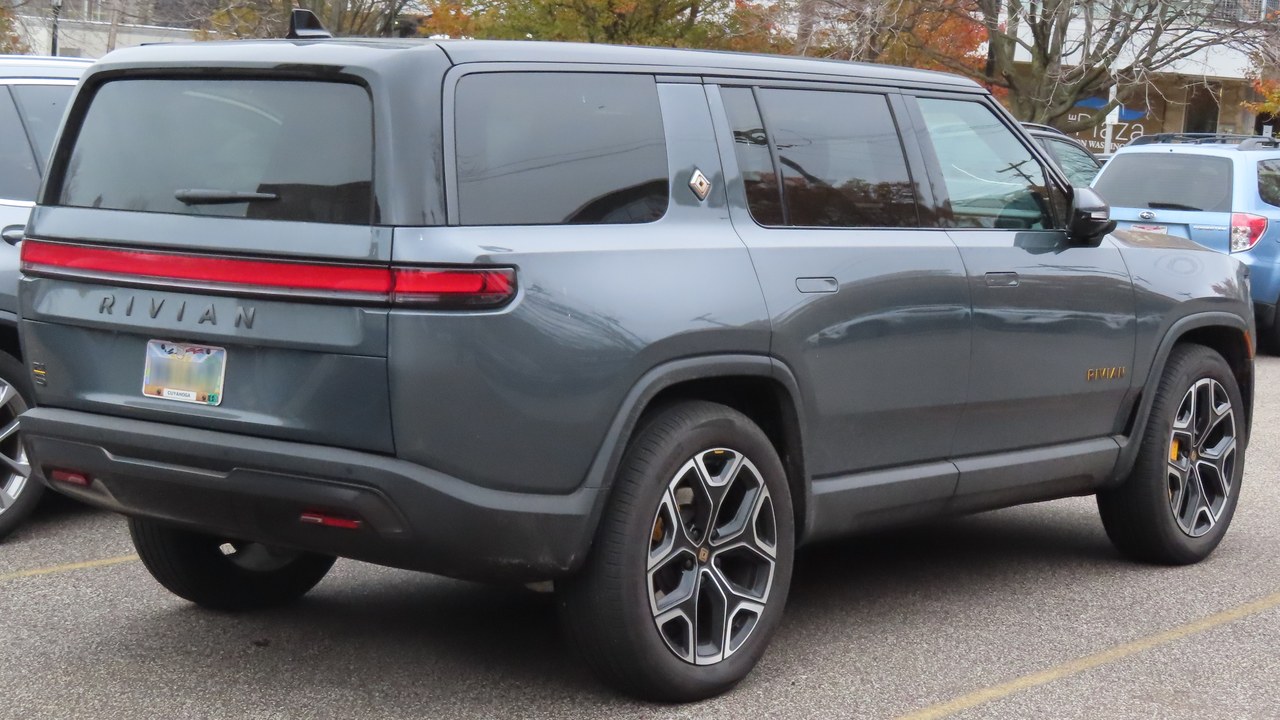
Rivian’s three-row SUV peaks at 220 kW, the lowest peak charging power on the fastest-charging list. A modest ceiling means the battery never reaches the speeds of the leaders, and the stop drags on accordingly.
Families considering the R1S for cold-season travel should expect longer plug-in sessions than rivals manage. The shortfall matters most on long highway days, where each extra stop adds up, so mapping chargers before departure is a sensible habit. Warming the battery before arrival is the simplest way to claw back some time.
5. Volvo EX90: Short of the Leaders
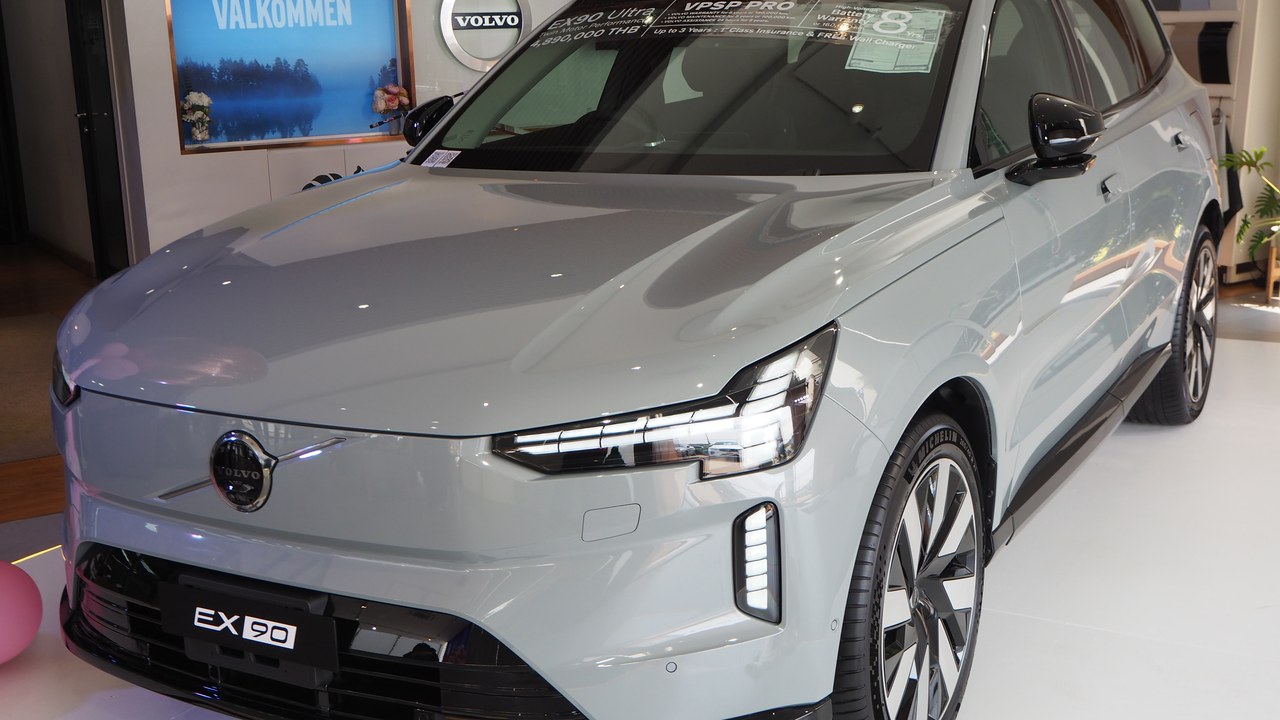
Volvo’s flagship electric SUV peaks at 250 kW, according to the charging speed ranking, which leaves it well short of the 350 kW leaders. The gap is large enough to be felt during a motorway stop.
Shoppers drawn to the EX90 for its safety reputation and cabin should accept that charging speed is not its headline strength. In freezing weather the difference grows more noticeable, so longer breaks belong in any winter itinerary built around this model. Warming the battery before arrival is the simplest way to claw back some time.
6. Tesla Model X: Early Leader, Slower Now
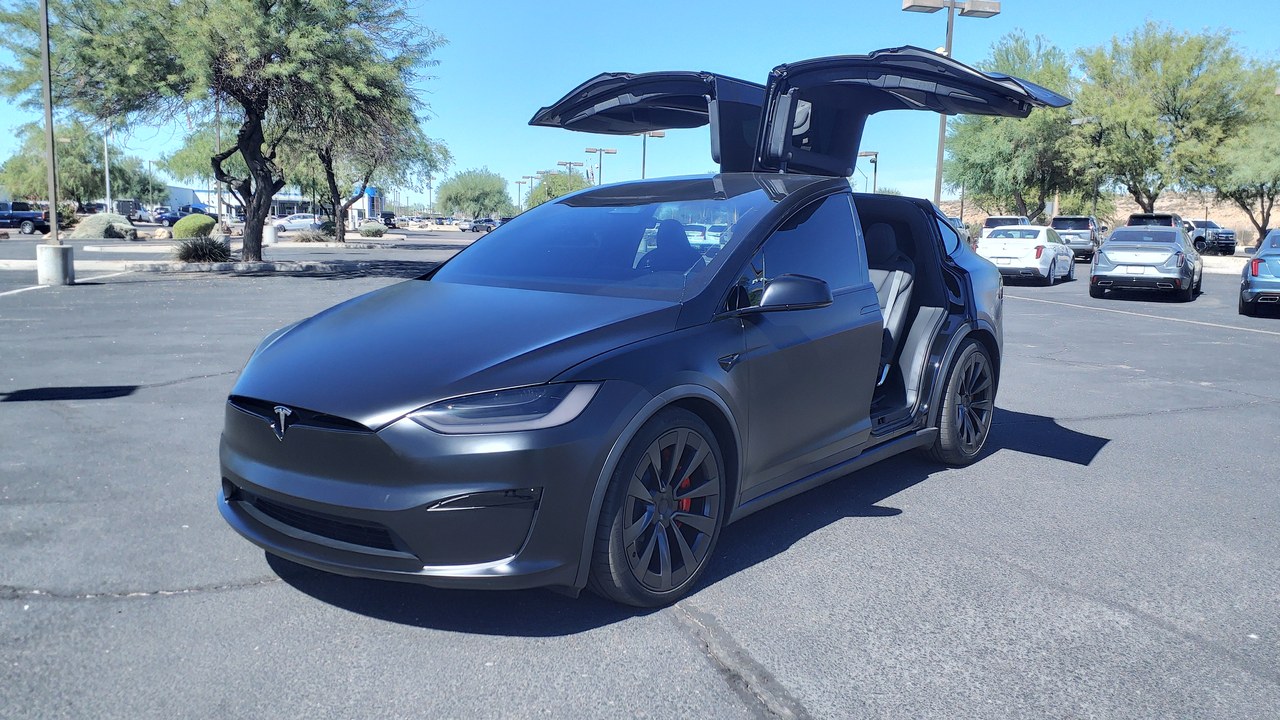
Tesla’s large SUV peaks at 250 kW, a figure listed in the expert charging guide. That is respectable, yet it trails the 350 kW leaders and keeps the Model X off the quickest end of the table.
Owners who depend on the Supercharger network will find it convenient, though the peak rate does not shorten a stop on its own. Cold batteries accept power more slowly, so winter journeys deserve a larger time cushion than the headline number suggests. Allowing an extra margin at each stop keeps the schedule honest in the cold.
7. Tesla Model Y: Popular but Not Fastest
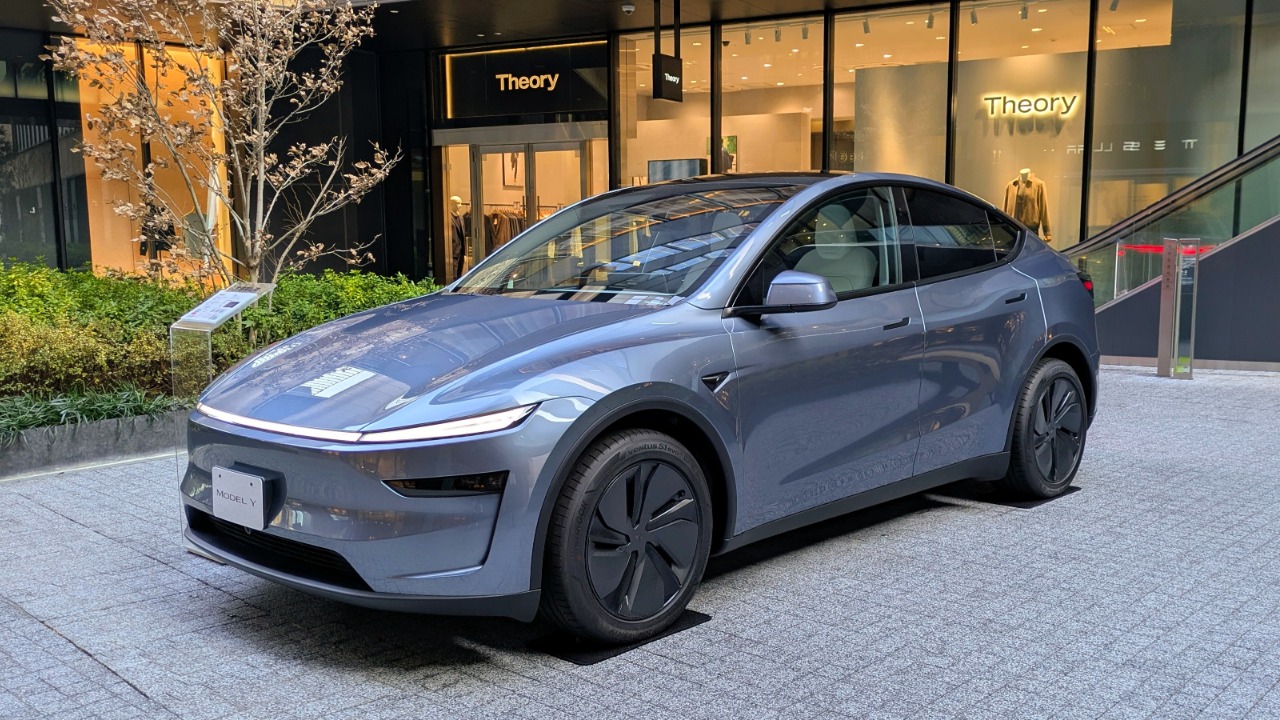
Tesla’s compact crossover also peaks at 250 kW, matching its larger sibling in the same charging ranking. That puts the Model Y behind the 350 kW leaders despite its status as a best seller.
Because so many drivers choose the Model Y, charger queues at busy stops can matter as much as the car itself. Winter trips benefit from preconditioning the battery before arrival and from choosing sites with spare stalls, which keeps the wait predictable. A cushion of ten or fifteen minutes per stop keeps the schedule honest.
8. Ford F-150 Lightning: Cold Cuts Into Range
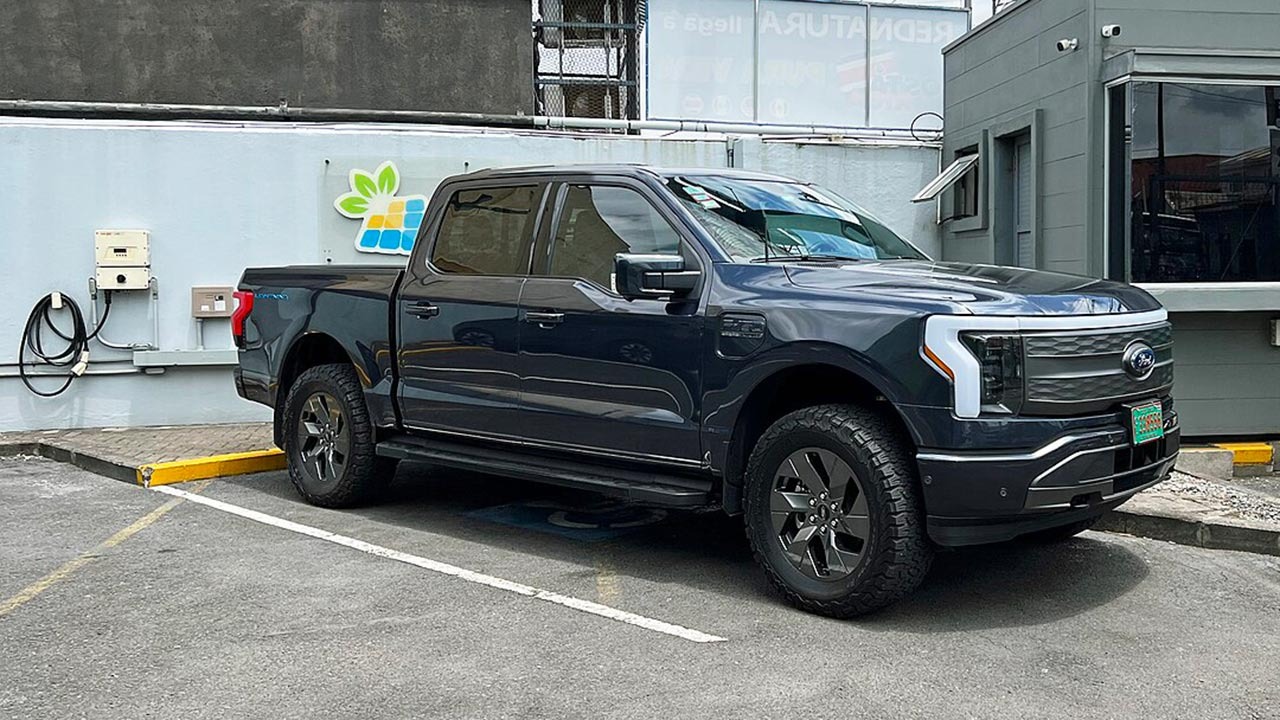
Ford’s electric pickup is one of the 34 popular EV models analyzed in a winter range study, a group that averages 78% of its range in freezing temperatures compared with ideal conditions. Shorter range in the cold means more frequent stops.
For F-150 Lightning owners, the practical lesson is to plan charging earlier than summer habits would suggest. A pickup that already needs a sizable battery draws more from it in winter, so conservative buffers protect against an unwelcome roadside wait. Treating the summer range figure as a ceiling rather than a promise is the safer habit.
9. Nissan Leaf: Small Pack, Big Penalty Risk
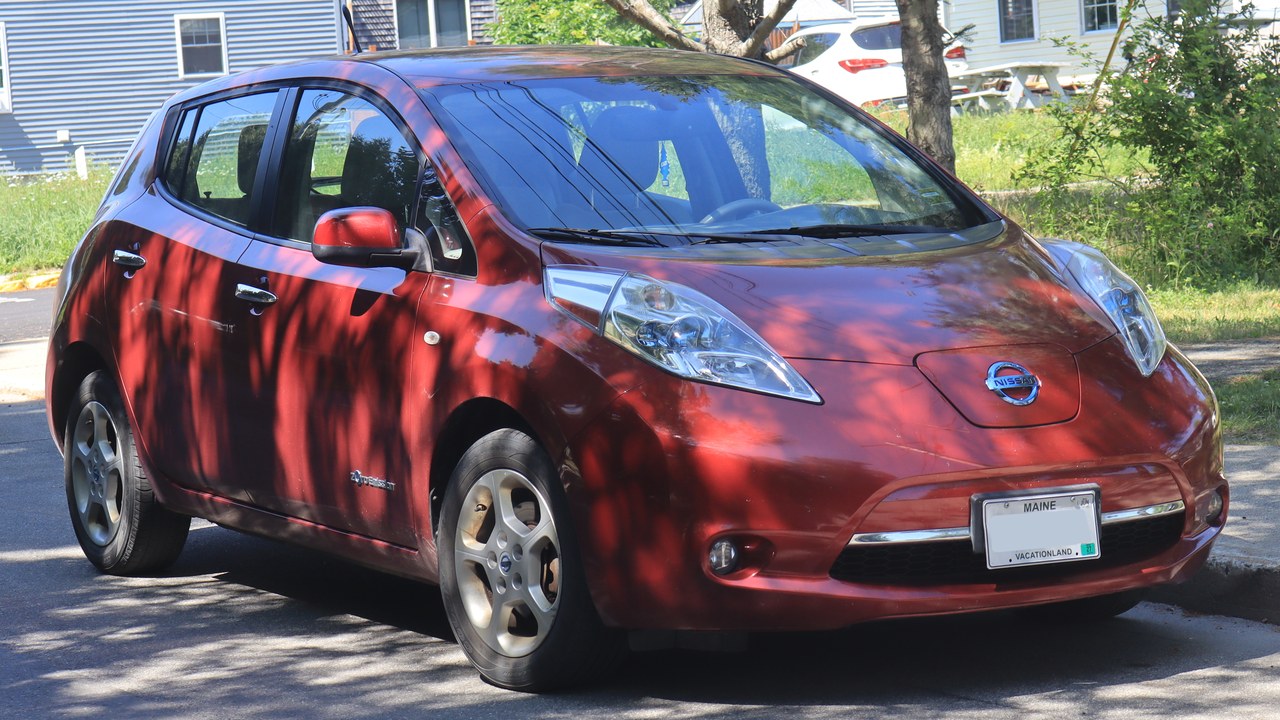
Nissan’s long-running hatchback is one of the 34 models in the same winter range analysis, where the worst performer keeps only 69% of its maximum range at 32F. The study frames how much a cold snap can shrink the usable distance.
Anyone considering a Leaf for cold-climate travel should check its measured winter figure rather than the brochure number. Shorter legs between chargers and a generous reserve make a trip workable, though every extra stop adds to the total journey time. Treating the summer range figure as a ceiling rather than a promise is the safer habit.
10. BMW iX: Even the Best Loses Some
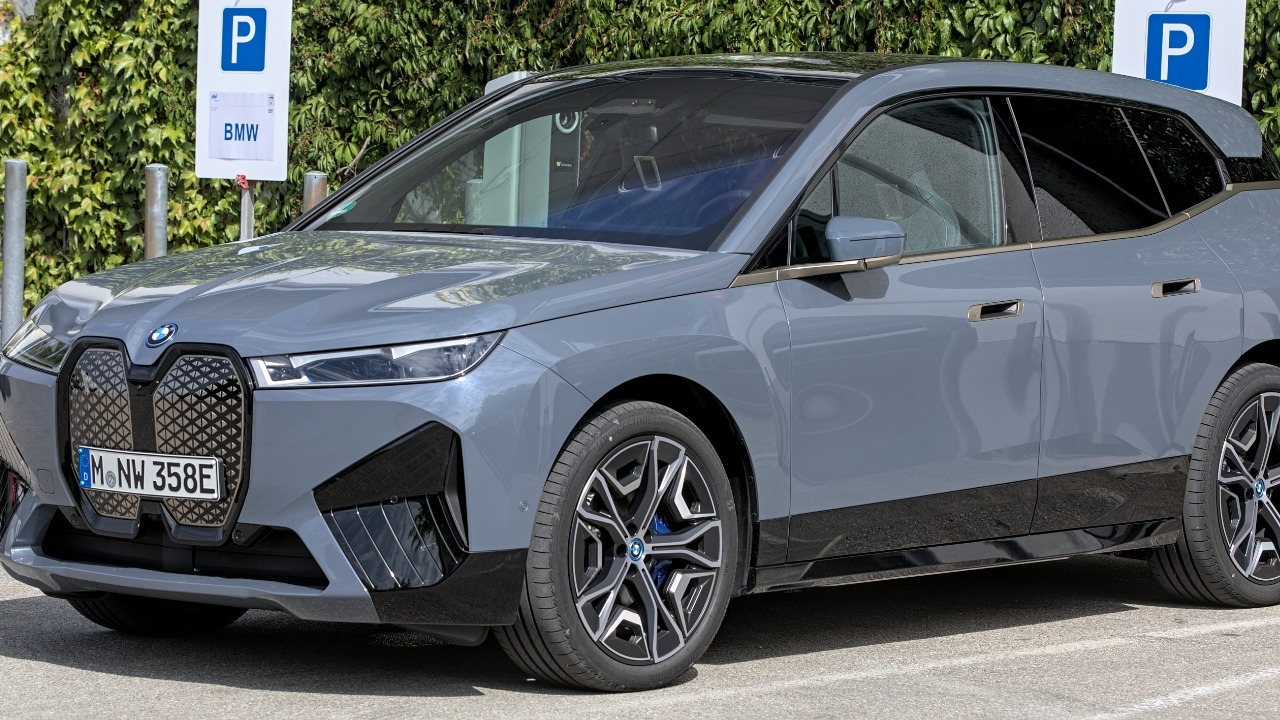
BMW’s electric flagship is also among the 34 models measured in the cold-weather range research, where the best winter performer still loses 12%, keeping 88% of maximum range at 32F. No model in the study escapes the chill entirely.
Buyers eyeing the iX for winter journeys should still plan on some range loss and a few extra stops. Even a strong result at freezing temperatures means the stated distance shrinks, so a margin for charging remains the wise approach on long routes. Treating the summer range figure as a ceiling rather than a promise is the safer habit.
More from Morning Overview
- Invisible volcanic gas at a California ski resort has killed three ski patrollers
- Verizon just moved to cut landline phone service in 9 states within weeks
- Tropical Storm Rachel is dumping up to 12 inches on four Mexican states on its way to major hurricane strength
- The NSA is again telling phone owners to switch off one location setting
