
Long before one company dominated the conversation, automakers were already building and leasing battery-powered cars. These models range from a 1996 General Motors coupe to hybrids and city cars that tested what drivers would accept. Here are ten electric cars that came before the Tesla boom.
Save more, waste less: The Cool Down’s newsletter sends smart, simple changes that help you and the planet in your everyday life.
We may earn a commission if you sign up.
1. GM EV1: Purpose-Built Pioneer
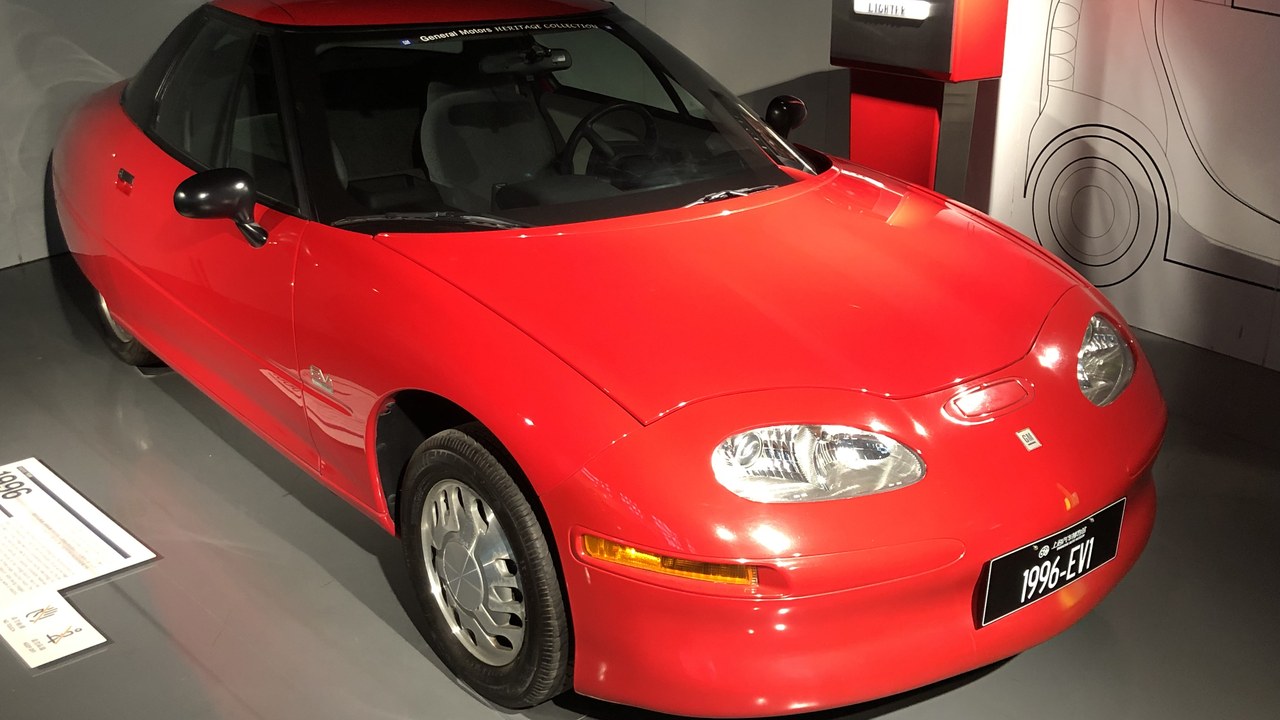
General Motors began leasing the EV1 to consumers in 1996, and the Smithsonian collection entry describes it as part of a new generation of electric cars. Leasing rather than selling set the pattern for how the car reached drivers, who signed up through the company instead of buying outright.
As the headline car of this list, the EV1 shows how far electric driving had progressed well before any Tesla reached showrooms. It was a two-seat, purpose-designed coupe from a major automaker, and it remains a common reference point whenever the history of modern electric cars comes up.
2. Toyota RAV4 EV (first generation): Small SUV, Big Idea
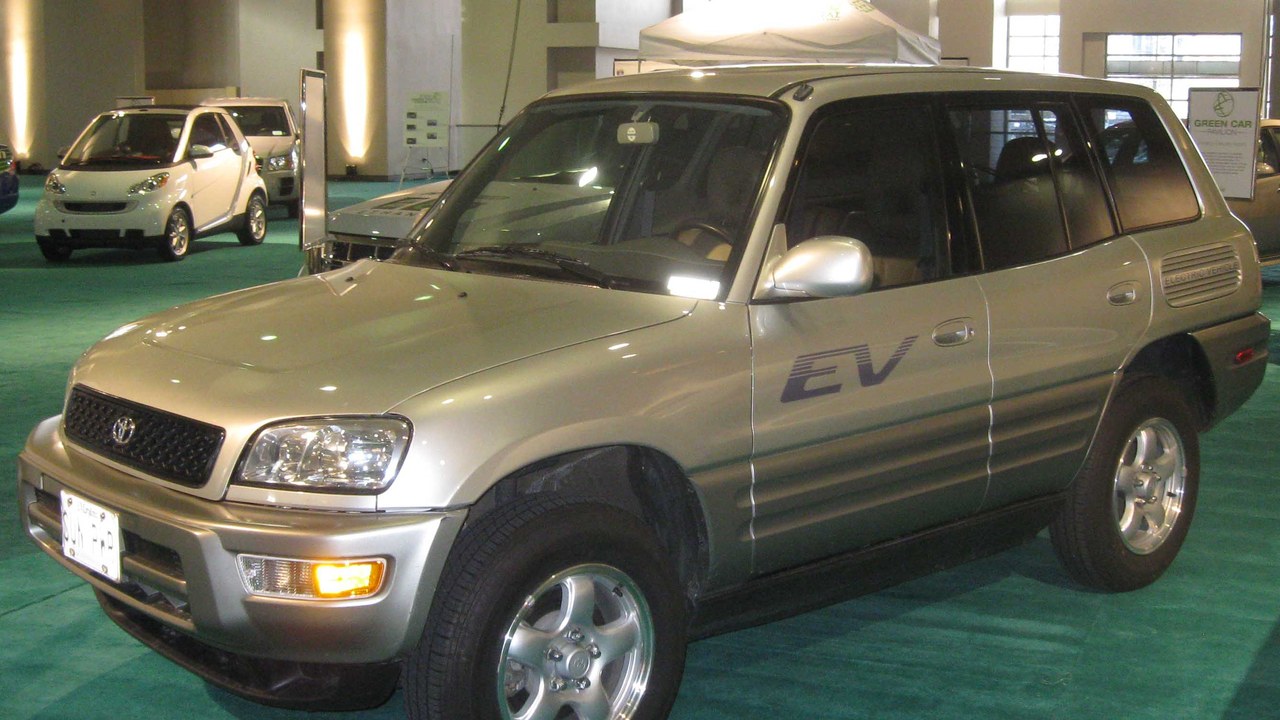
The first RAV4 EV arrived in 1997 with a range of about 95 miles, as a MotorBiscuit history notes, and it went mainly to fleets on lease. Toyota took its compact sport utility body and replaced the gasoline drivetrain with a battery and motor.
Fleet leasing meant that few private owners ever drove one, which keeps the model less familiar than its gasoline sibling. The ninety-five-mile figure looks modest today, yet it was enough for the commuting and service duties that fleet customers had in mind at the time, and it marked an early mainstream-brand commitment to the format.
3. Ford Ranger EV: Electric Pickup Experiment
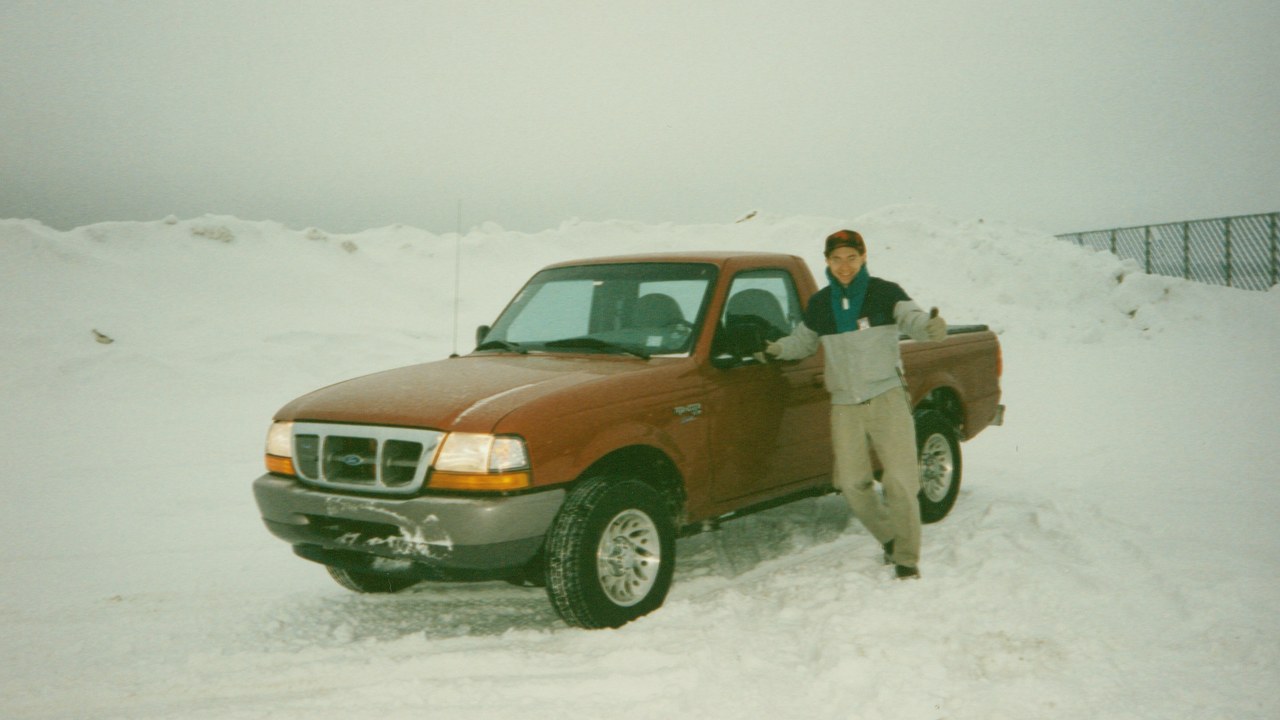
Built from 1998 to 2002, the Ranger EV turned Ford’s compact pickup into a battery vehicle. According to the MotorBiscuit roundup, the 1999 models switched to NiMH batteries, which cut the 0 to 50 mph time from 11.6 seconds to 10.3 seconds.
Those numbers are far from sporty, but the improvement shows how quickly engineers were refining battery packs in the late nineties. A work truck with a plug sat at the edge of what automakers then considered practical, and the short production window reflects how limited the market for such vehicles remained.
4. Tesla Roadster (2008): Lithium-Ion Breakthrough
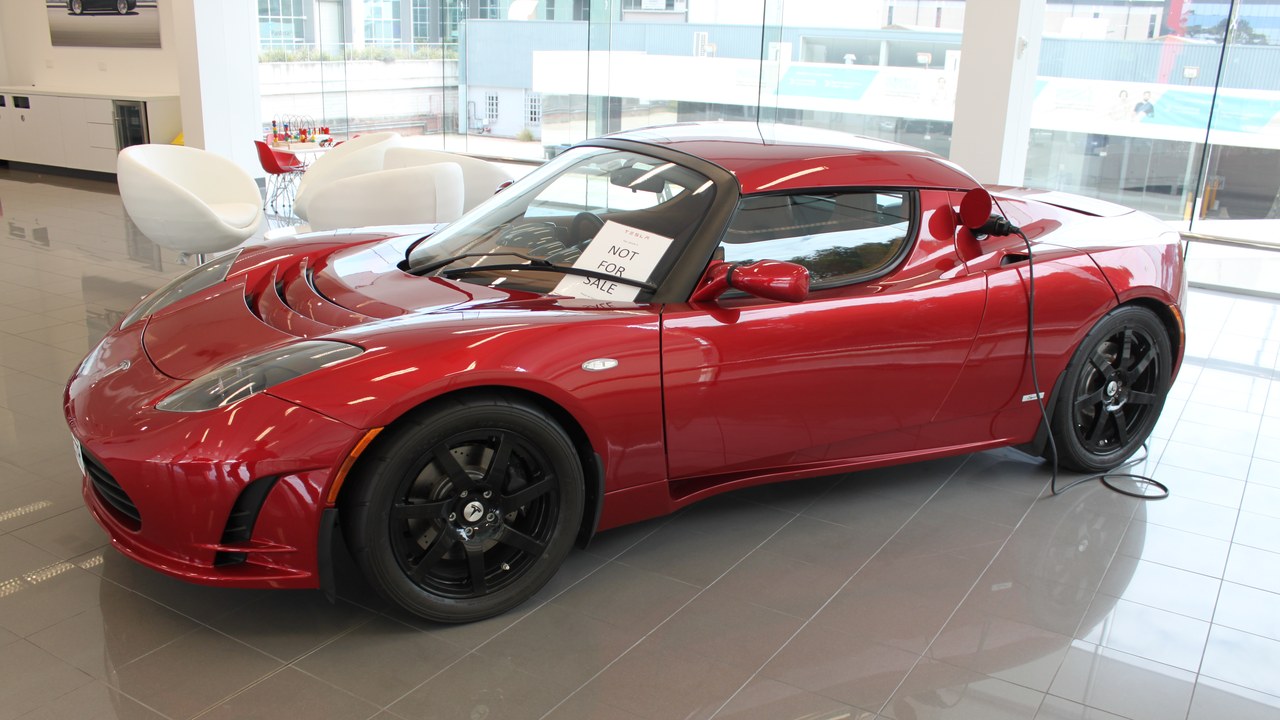
The first-generation Roadster was the first highway-legal, serial-production, all-electric car to use lithium-ion battery cells, and it was rated at 244 miles per charge, according to its Wikipedia article. Both claims set it apart from the nickel-based packs in earlier electric cars.
Its place on a list of cars from before the Tesla boom is deliberate. The company was real, but the Roadster was a low-volume sports car rather than the mass-market product that later defined the brand, so it belongs to the earlier chapter that made the later surge possible.
5. Nissan Leaf (first generation): Everyday Electric Hatchback
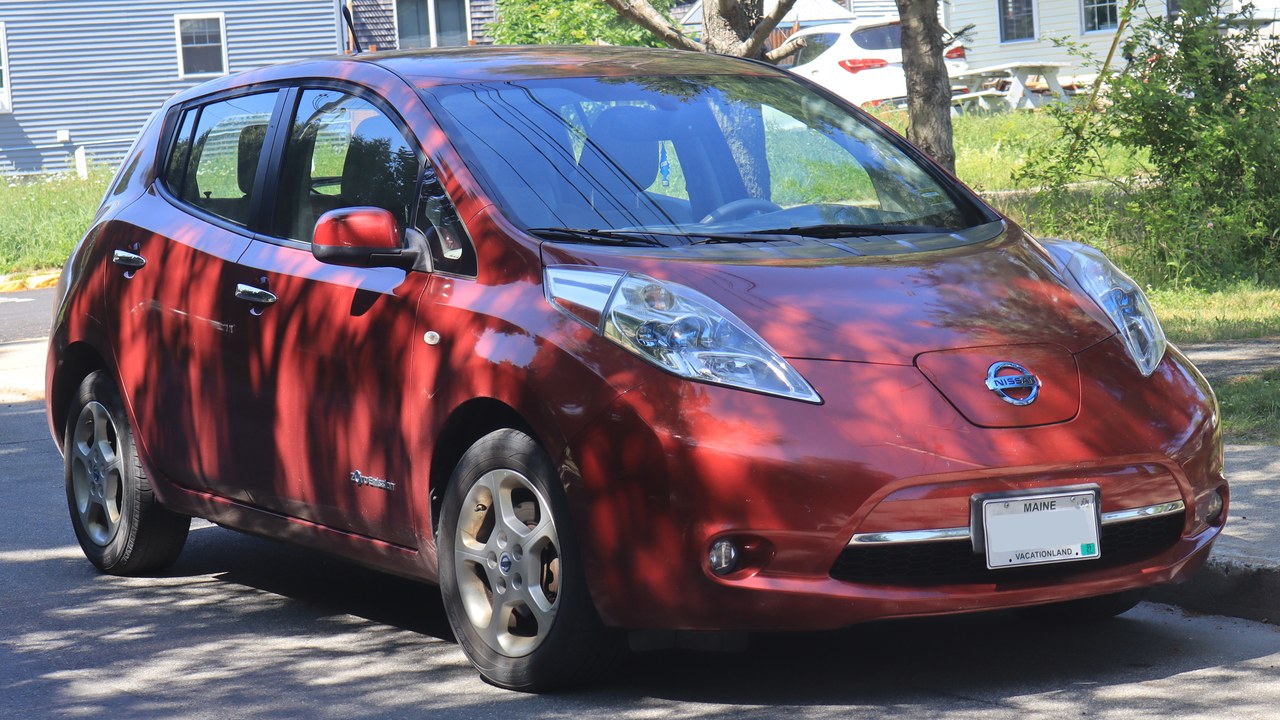
Deliveries of the first Leaf in the United States and Japan began in December 2010, per the Nissan Leaf entry. The five-door hatchback was designed from the outset as an electric family car and aimed at ordinary buyers rather than enthusiasts.
That positioning gave it a different character from the pricey, low-volume cars that preceded it. The Leaf helped turn the idea of a battery-powered commuter into something dealers could actually show to customers, and the original body style is easy to tell apart from the redesigned car that came later.
6. Chevrolet Volt (first generation): Award-Winning Plug-In
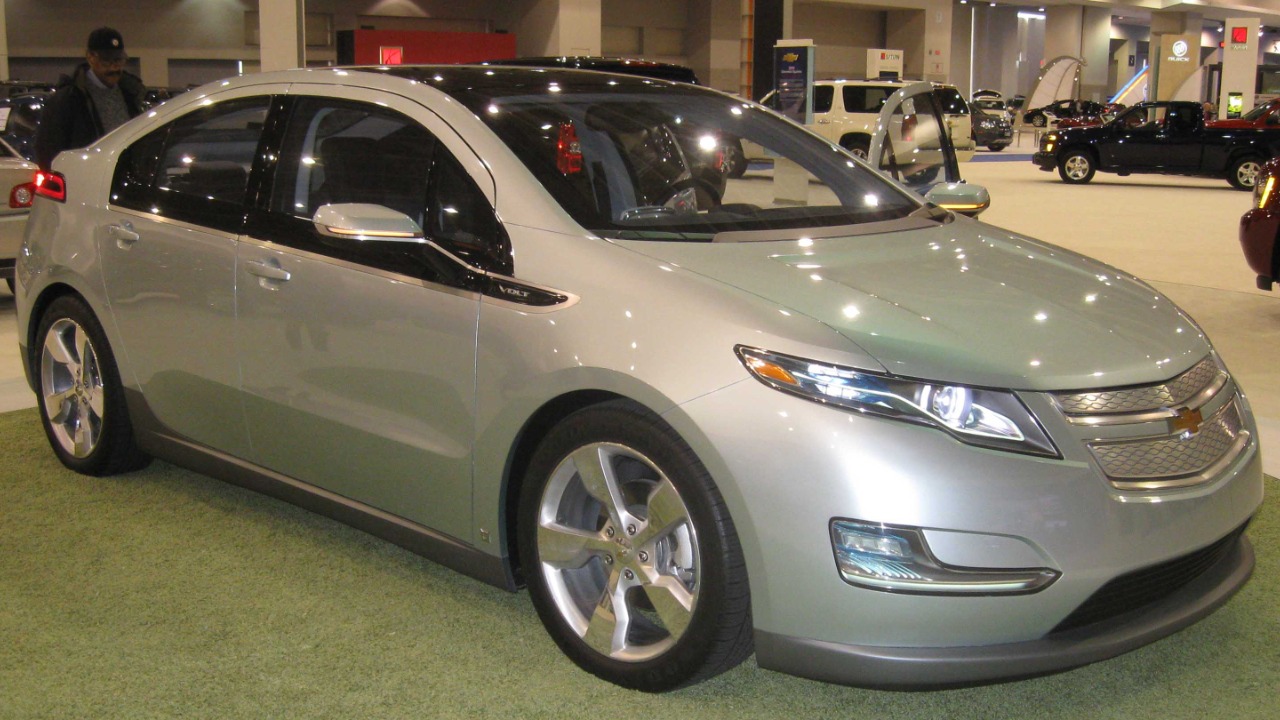
U.S. retail deliveries of the first Volt began in mid-December 2010, and it won 2011 Motor Trend Car of the Year, as the Chevrolet Volt article records. Chevrolet built it as a plug-in car that could run on electricity for daily trips.
The award gave a plug-in vehicle from a large American brand a degree of mainstream credibility that earlier niche efforts lacked. Its arrival in the same month as the Leaf made late 2010 a notable moment, with two very different electric approaches reaching customers almost together.
7. Mitsubishi i-MiEV: Tiny City Electric
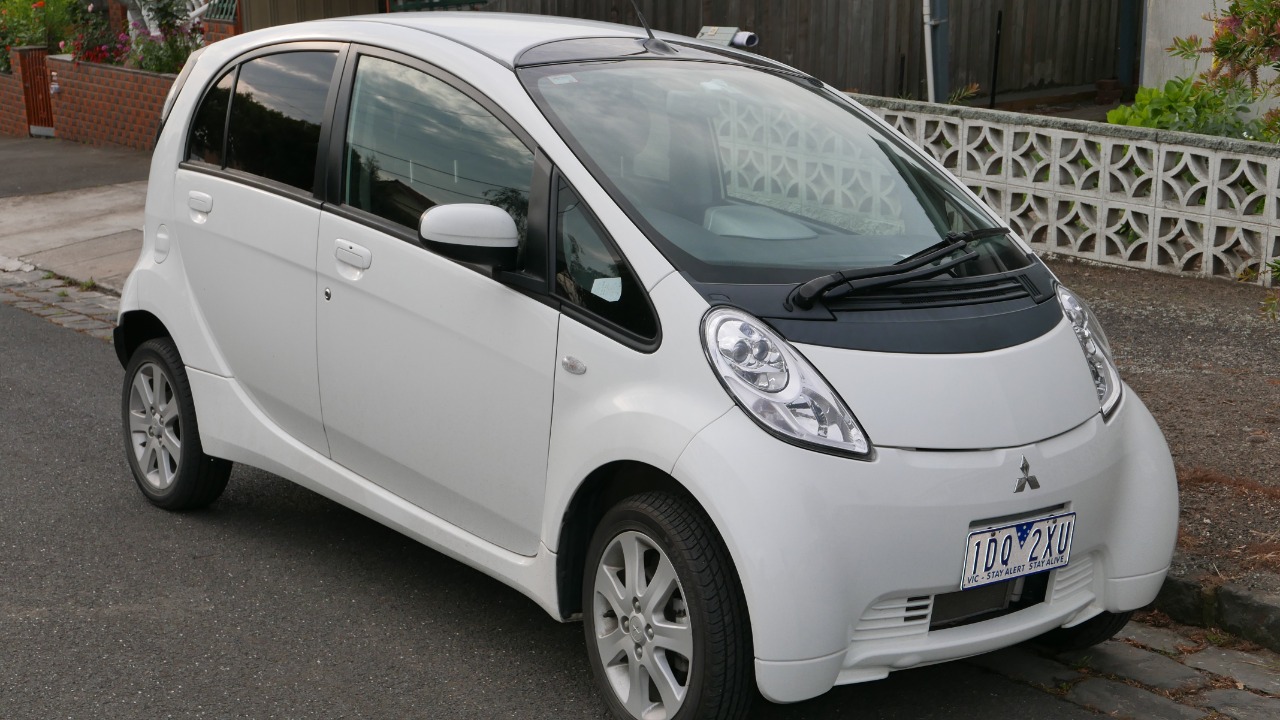
Described by MotorBiscuit’s list as one of the first mass-market EVs, the i-MiEV was a tiny, rear-wheel-drive city car with a 62-mile range in the U.S. Its short body and upright shape made it well suited to crowded streets and short errands.
The modest range limited it to local use, and the cabin was compact even by small-car standards. Still, the i-MiEV showed that a mass-produced electric could come from an established Japanese manufacturer, and it offers a useful contrast to the larger, costlier electric cars that arrived around the same period.
8. Fisker Karma: Luxury Hybrid Gamble
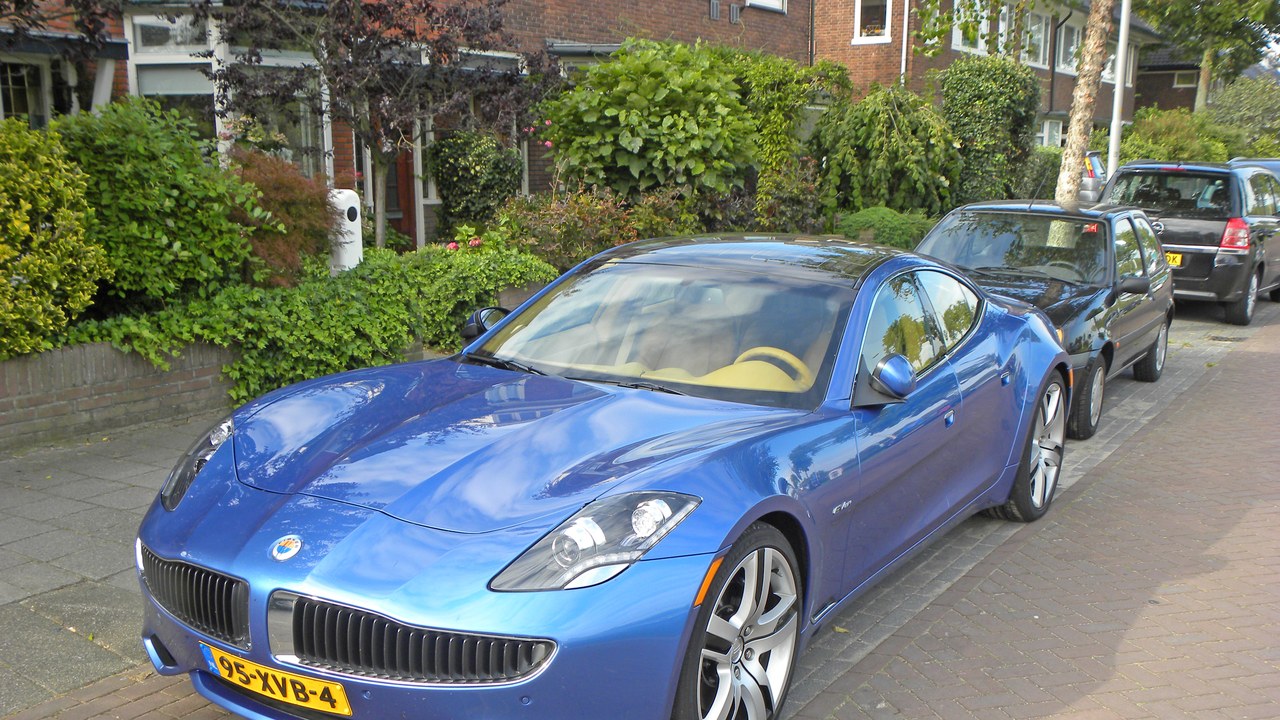
The Karma was a plug-in series hybrid with U.S. pricing that started at $102,000 for the base model, based on the Fisker Karma entry. Fisker Automotive filed for bankruptcy in November 2013, which ended the original run of the car.
Its sleek four-door body suggested a luxury sedan rather than an economy commuter, and its price matched that aim. Because the engine charges the battery instead of driving the wheels directly, it sits slightly outside the pure battery-electric group, which is why the description here stays with the term plug-in hybrid.
9. BMW i3: Carbon-Bodied City Car

BMW built the i3 from 2013 to 2022, and the BMW i3 article notes it came with both battery-electric and range-extender powertrain options. That choice let buyers pick pure electric driving or add a small engine as backup for longer trips.
A production run of roughly nine years is long for an early electric model and suggests steady demand from a premium brand. The upright, compact shape stands apart from most cars of the era, and it helped make the i3 one of the more recognizable electric designs of the 2010s.
10. Tesla Model S: Best-Selling Plug-In Sedan
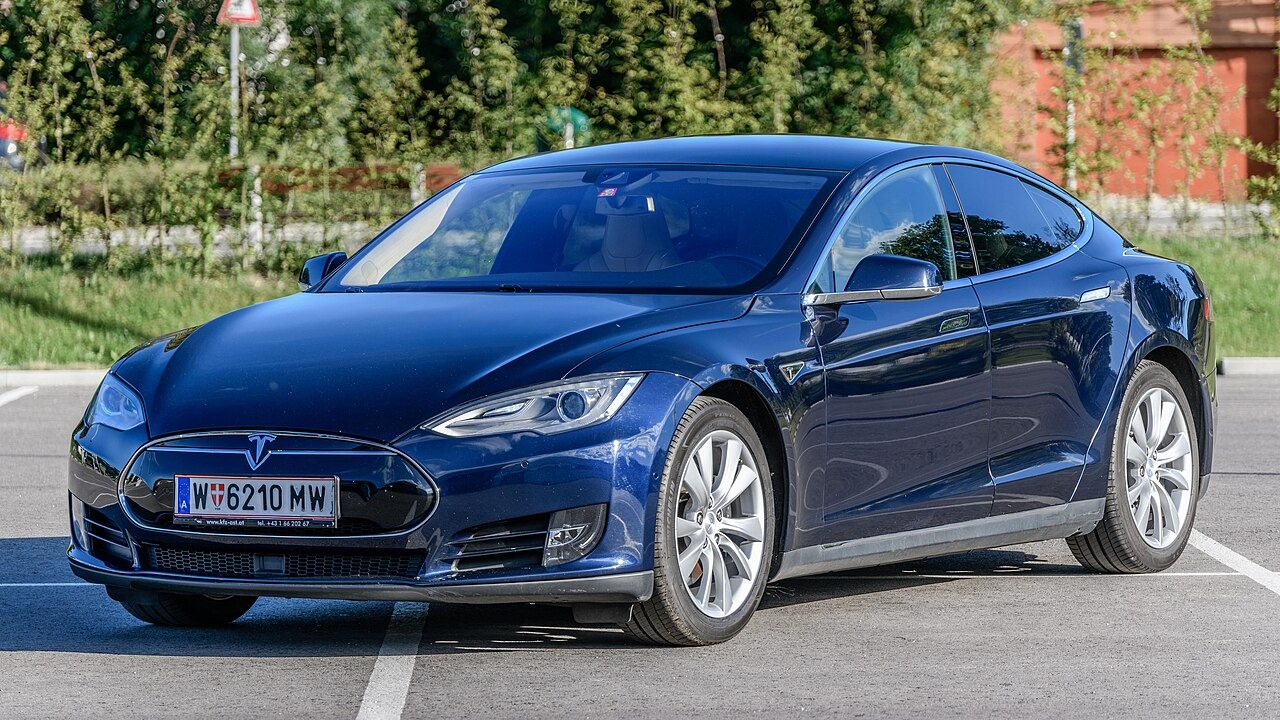
The Model S was the best-selling plug-in car in the U.S. for three consecutive years, from 2015 to 2017, according to a Wikipedia overview of American plug-in sales. That run placed a full-size luxury sedan above cheaper electric hatchbacks in the rankings.
The Model S closes the list because it marks the point where Tesla’s own success began to define the segment. Its sales lead shows the earlier cars on this page were building toward a market that finally reached scale in the middle of the decade.
Save more, waste less: Subscribe to The Cool Down →
We may earn a commission if you sign up.
More from Morning Overview
- The NSA says three phone features should be off whenever you aren’t using them
- Hurricane Hunter radar shows four warning signs that a tropical cyclone is about to strengthen, a University of Miami study found
- Tropical Storm Rachel is dumping up to 12 inches on four Mexican states on its way to major hurricane strength
- The FTC says Lens.com doubled the price shoppers saw in Google ads
