
Purchase price is only the opening payment on a car. Fuel, insurance, depreciation, maintenance and the occasional major repair pile up quietly, and after a decade they often outweigh what the vehicle cost on the lot. Here are ten cars that keep that ten-year total unusually low, and what each one gives up to get there.
1. Toyota Corolla: Cheap Parts, Rare Repairs
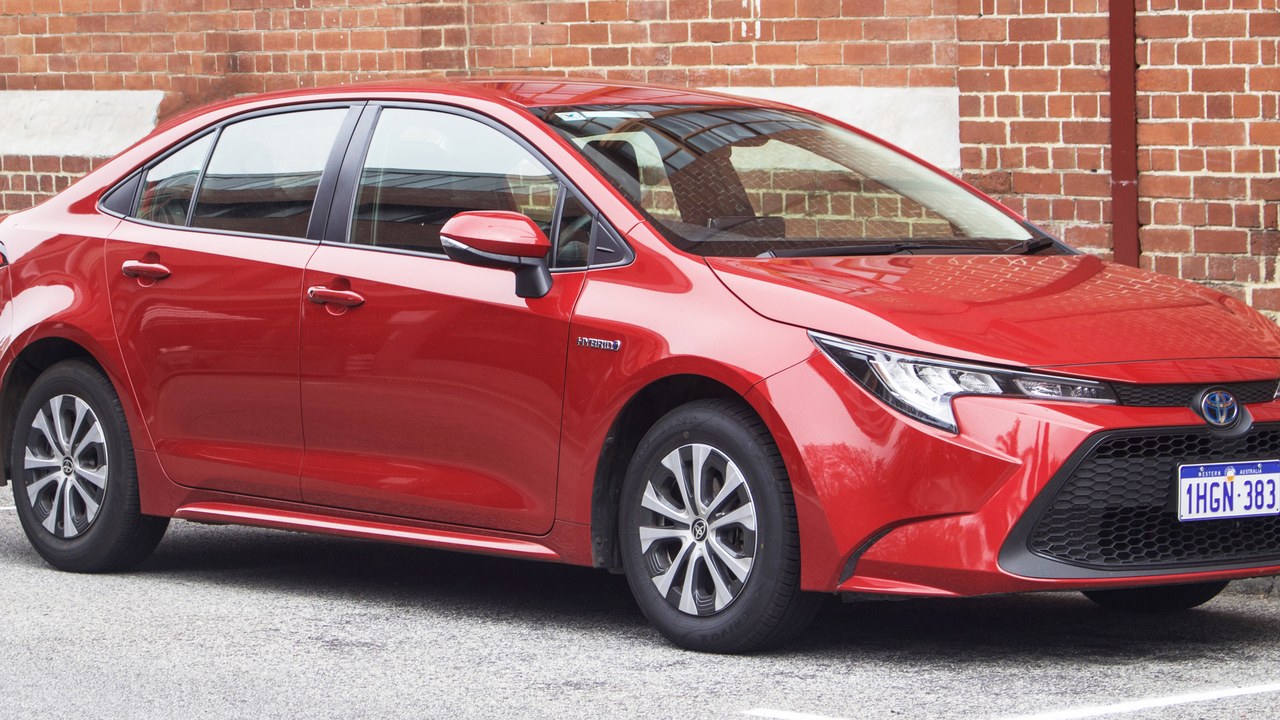
Decades of enormous production volume are what make the Corolla cheap to keep. Because the Toyota Corolla has been built in the tens of millions across its generations, filters, brake pads and suspension pieces are commodity items sold at commodity prices, and independent shops know the platform cold. Repairs are also infrequent, because the drivetrains are conservative and shared across many model years.
That combination matters most in years six through ten, when a less common car starts demanding expensive one-off parts. An owner in that stretch is usually replacing wear items on schedule rather than chasing failures, which is where a decade-long ownership bill is won or lost.
2. Honda Civic: Resale Value Does the Work
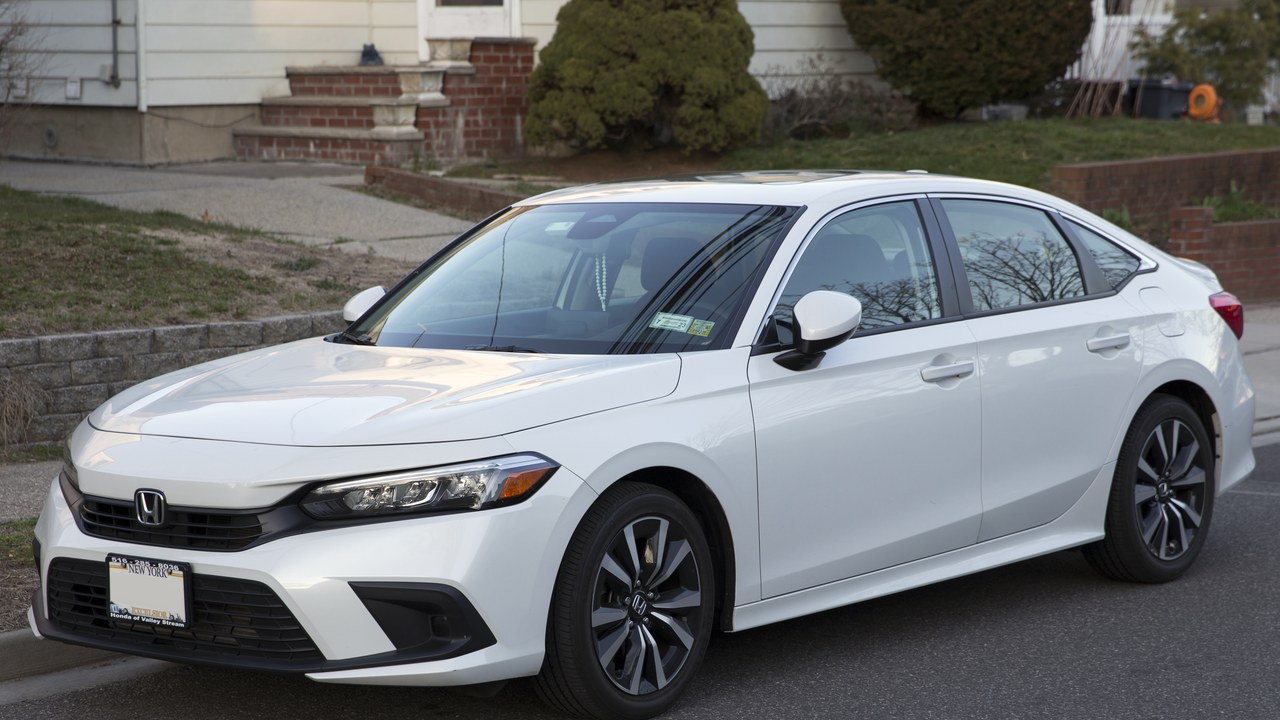
Half of the Civic’s ownership advantage never appears on a repair invoice. Persistent demand on the used market means the Honda Civic gives back an unusually large share of its purchase price at trade-in, and depreciation is the single biggest line in any ten-year cost calculation. Routine upkeep is modest on top of that, helped by widely stocked parts.
The catch is that the same demand lifts the entry price, so bargains are rare even on used examples. The math still favors the Civic, but the savings arrive at the end of ownership rather than at the moment of purchase.
3. Toyota Camry: A Midsize That Refuses to Break
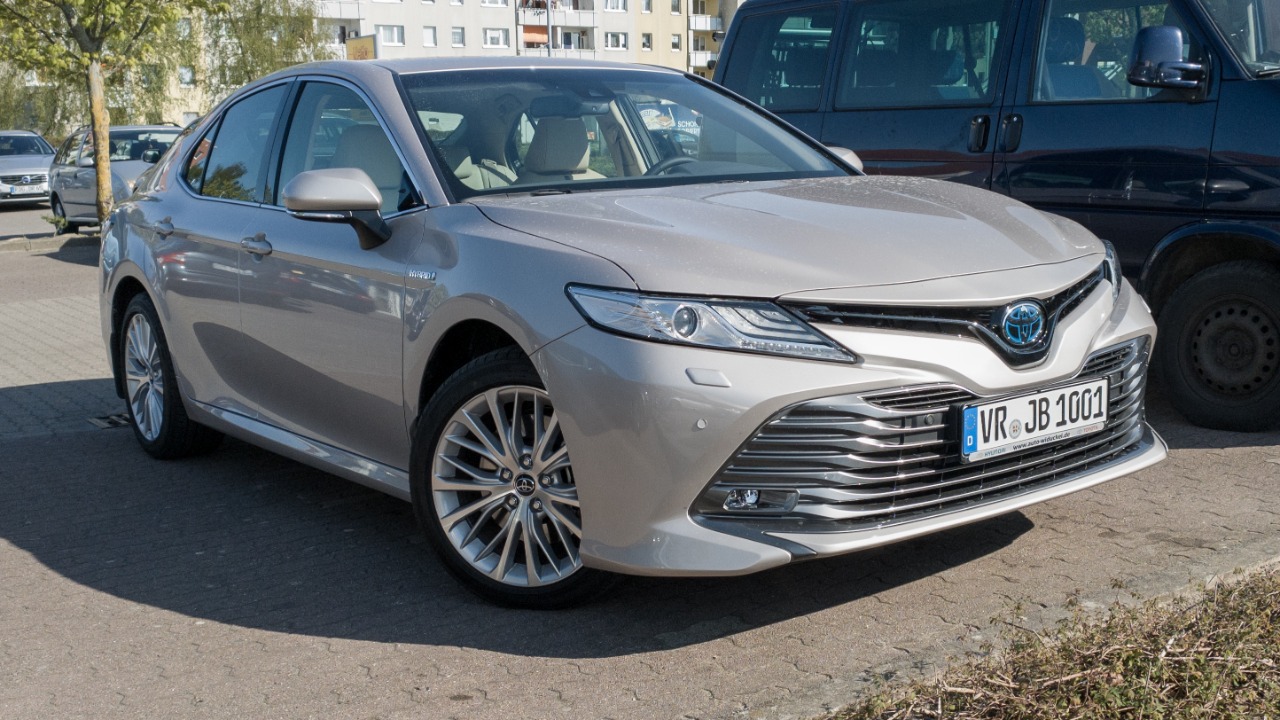
Reliability is the entire argument for the Camry. The Toyota Camry has spent decades near the top of dependability surveys, built around naturally aspirated engines and conventional automatics engineered for longevity rather than novelty. Fewer unscheduled shop visits over ten years translate directly into a lower running total, since unplanned repairs, not oil changes, are what wreck an ownership budget.
Size is the trade-off, as a midsize sedan burns more fuel than a compact and rarely wins on pump costs alone. It wins by seldom presenting the kind of major driveline bill that ends a decade of ownership early.
4. Mazda3: Frugal Without the Hybrid Premium
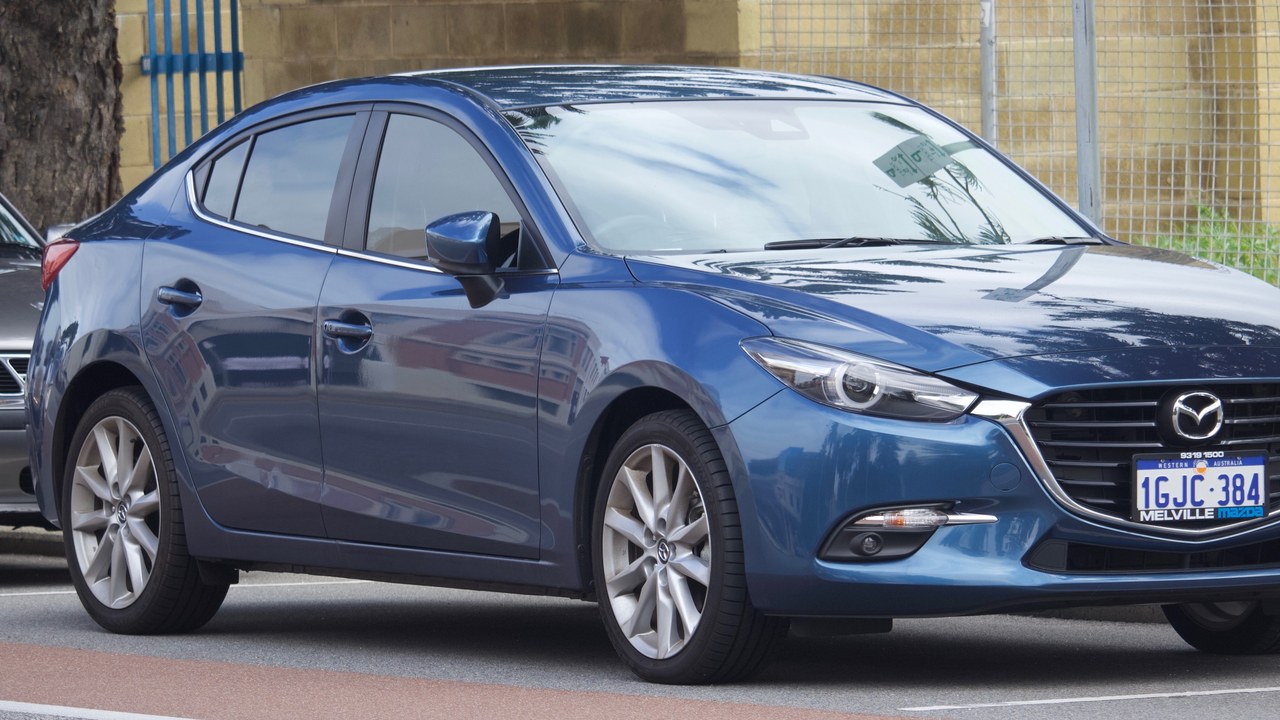
Costs stay down at both ends of the equation here. Efficient Skyactiv engines deliver strong fuel economy without a hybrid system’s added complexity or battery-replacement risk, and the Mazda3 compact relies on conventional, widely available mechanical parts rather than boutique components. Service schedules are ordinary, and independent shops treat the car as mainstream work.
Depreciation is steeper than a Corolla’s because Mazda sells in smaller numbers, which softens the resale side of the ledger. For a buyer who intends to keep the car the full ten years rather than trade out early, that penalty matters far less than the low upkeep.
5. Honda Accord: Durability at Family Size
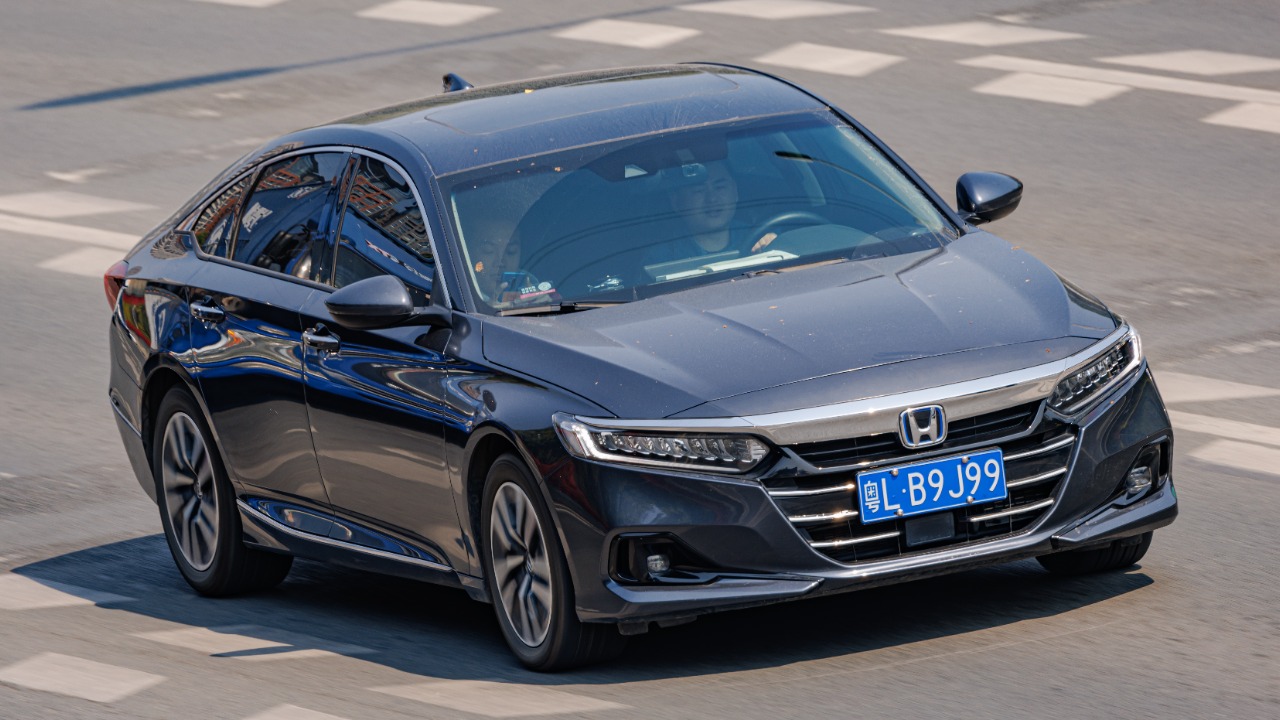
Durability is the Accord’s cost lever. The Honda Accord pairs a midsize cabin with running costs closer to a compact’s, thanks to efficient four-cylinder engines and a chassis refined across many generations. Parts are everywhere, labor times are well understood, and the car is common enough that almost no repair counts as an exotic job for a neighborhood mechanic.
Midsize prices for tires, brakes and fuel still apply, so this is not the cheapest car on the list in absolute terms. It is the cheapest way to run something this large for ten years, which is the comparison that matters to a family.
6. Hyundai Elantra: The Warranty Absorbs the Risk
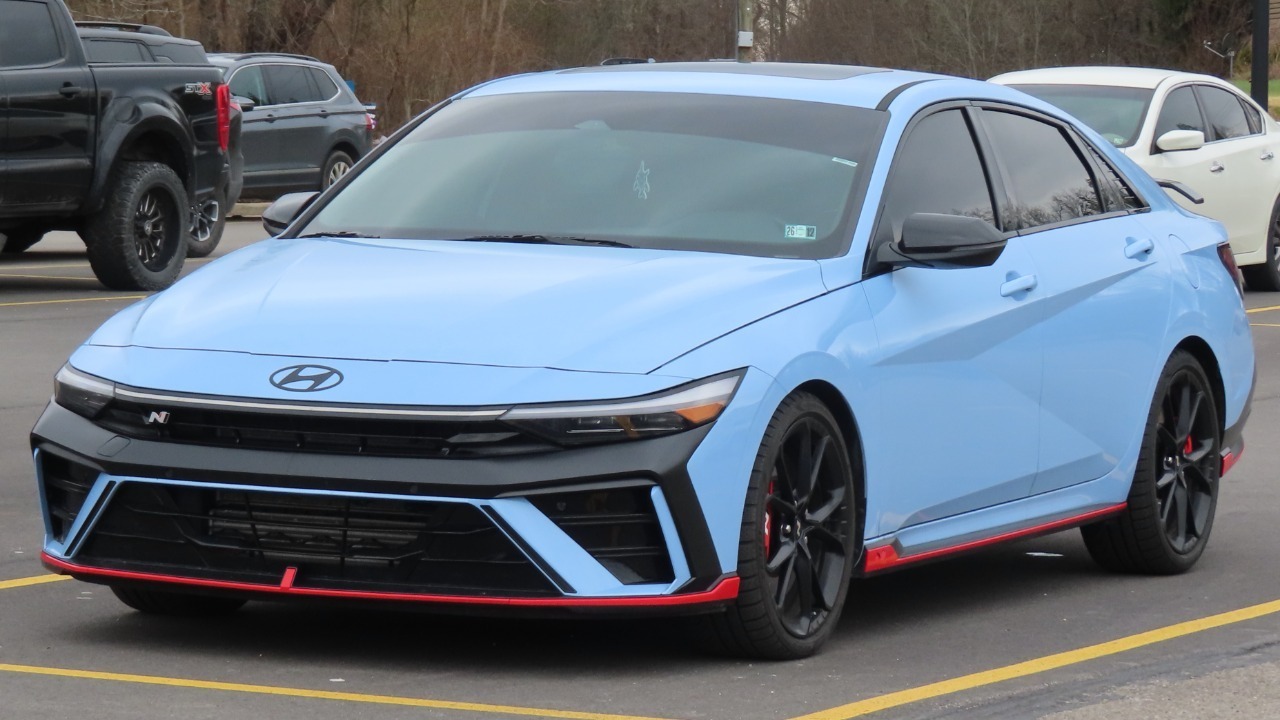
Hyundai’s coverage is the reason the Elantra lands on cost-to-own lists at all. The Hyundai Elantra carries one of the industry’s longest powertrain warranties, which pushes the most expensive category of failure, engine and transmission work, off the owner’s ledger during the early years. Routine upkeep is inexpensive besides, with low parts prices and simple service requirements.
That protection is not permanent. The longest powertrain term applies to the original owner, so a used buyer inherits a shorter clock, and anyone counting the warranty as part of the ten-year math should confirm exactly what transfers.
7. Kia Forte: Budget Sedan Math
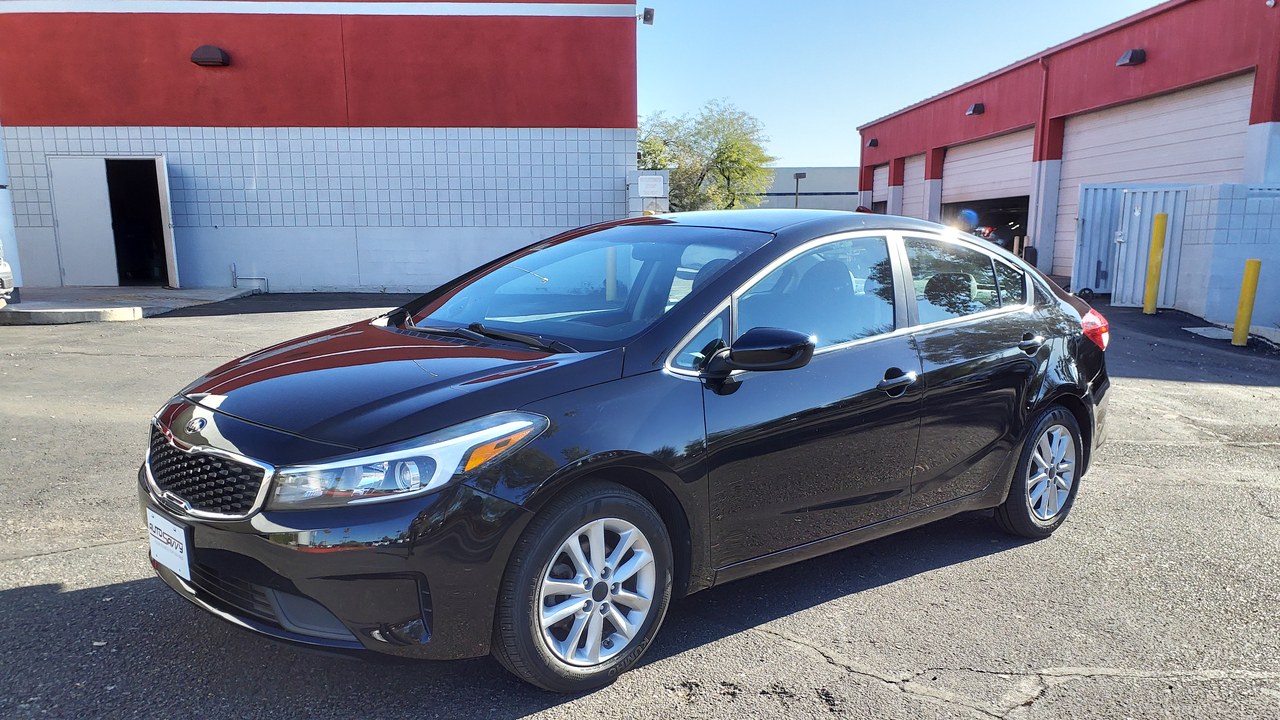
A low transaction price starts the Forte ahead and it never gives the lead back. The Kia Forte sits at the affordable end of the compact class, and a smaller starting number shrinks depreciation, sales tax, insurance and financing costs simultaneously. Mechanical upkeep follows the same pattern, with shared Hyundai-Kia components, ordinary intervals and cheap parts.
Resale is the weak spot, because budget sedans trade at budget prices later as well. Holding the car for the full ten years largely neutralizes that, since the loss only becomes real for an owner who sells early.
8. Toyota Prius: Two Bills Cut at Once
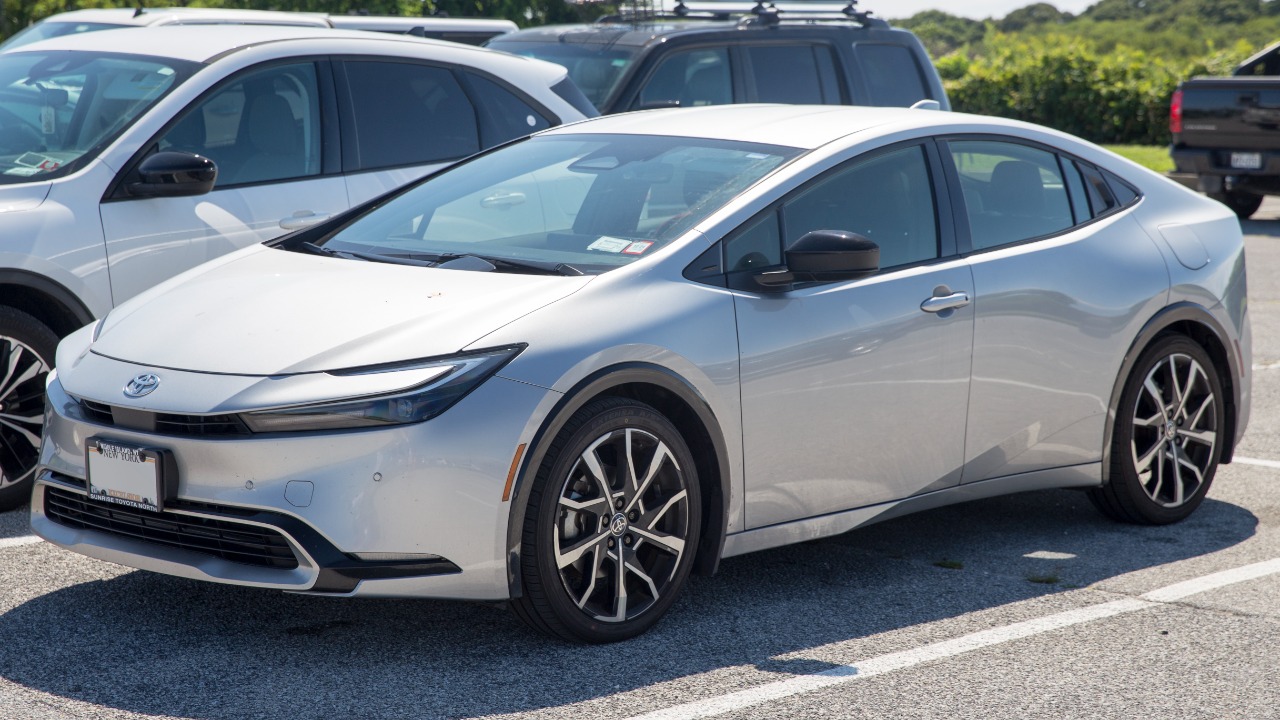
Fuel and repair costs come down together in a Prius. The hybrid system lets the Toyota Prius travel far more miles per gallon than a conventional compact, and regenerative braking handles much of the slowing, so friction brakes commonly last well beyond what a gasoline-only car manages. The engine also spends less time running, stretching wear on everything attached to it.
The traction battery is the obvious worry, though replacement prices have fallen and the packs have proven durable in heavy taxi and fleet service. A buyer weighing a ten-year horizon should budget for the possibility rather than assume it away.
9. Subaru Impreza: All-Wheel Drive on a Compact Budget
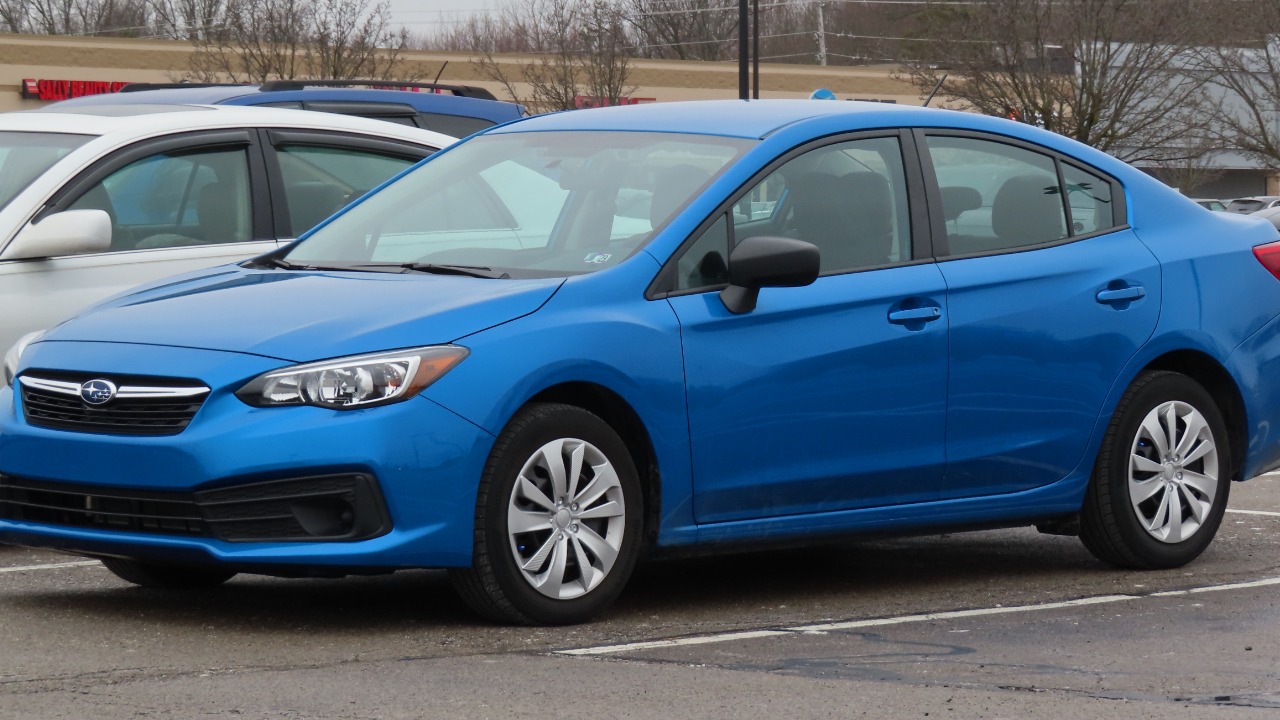
All-wheel drive normally carries a cost penalty, and this is the exception. The Subaru Impreza includes symmetrical all-wheel drive as standard equipment rather than a paid option, so the traction arrives without the premium a rival charges for the same capability. Underneath the hardware it remains a mainstream compact with ordinary parts and predictable service costs.
The extra driveline does cost something in fuel economy and eventual maintenance, and older Subaru boxer engines earned a reputation for head-gasket and oil-consumption trouble. For a buyer in snow country, the trade still comes out cheaper than the alternatives.
10. Honda Fit: Small Car, Smaller Bills
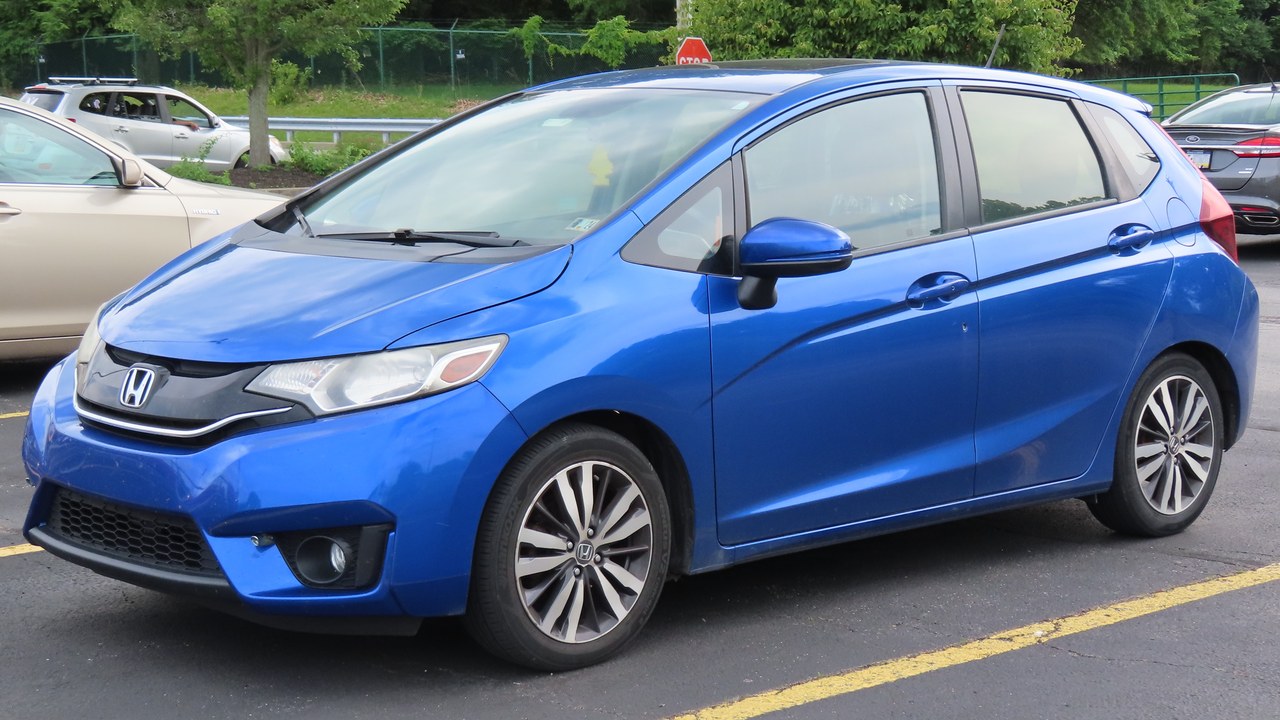
Almost nothing about the Fit is expensive to feed or fix. The Honda Fit is a subcompact with a small engine, small tires and a light body, and each of those choices lowers both what the car consumes and what its wear items cost to replace. Honda’s durability record applies here too, alongside packaging that yields near-compact usable space.
Honda no longer sells the Fit in the United States, so shopping means buying used and inheriting whatever maintenance a previous owner skipped. The consolation is that the car’s mechanical simplicity makes deferred work comparatively cheap to catch up on.
More from Morning Overview
