
Some cars arrive so far ahead of the curve that the world needs decades to catch up. A handful gambled on radical engineering, alien styling, or unproven drivetrains long before buyers were ready, and several were punished for it. From doomed startups to quiet revolutions, here are ten.
1. Tucker 48: Safety Ahead Of Its Time
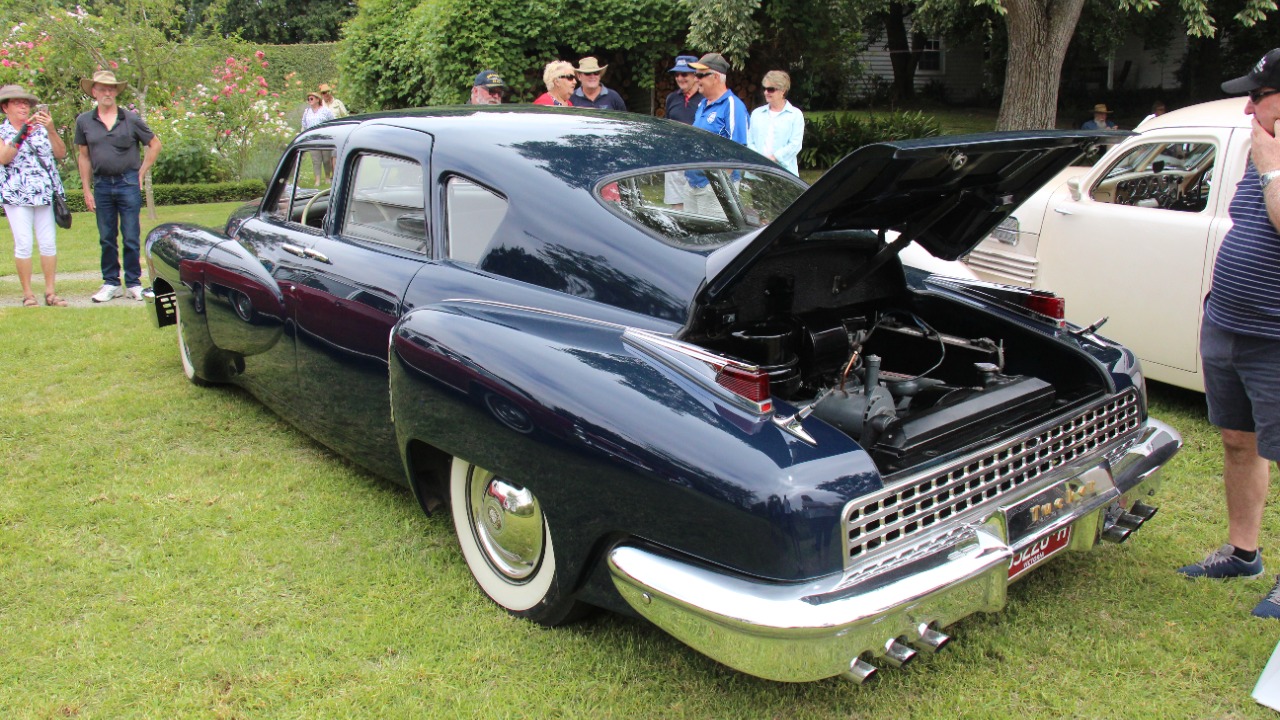
The Tucker 48 arrived in 1948 with a padded dashboard, a pop-out windshield, and a third center headlight that swiveled with the steering. A rear-mounted engine and a reinforced cabin bundled crash protection into a single showroom car when most makers treated safety as an afterthought. The innovative Tucker sedan reached buyers just as its company collapsed.
Many of those ideas became standard equipment across the industry generations later. The sedan’s brief run, only 51 cars, turned it into a lasting lesson about how a small automaker with genuinely forward thinking can be crushed long before the market catches up to the vision.
2. Citroen DS: The Sedan That Floated
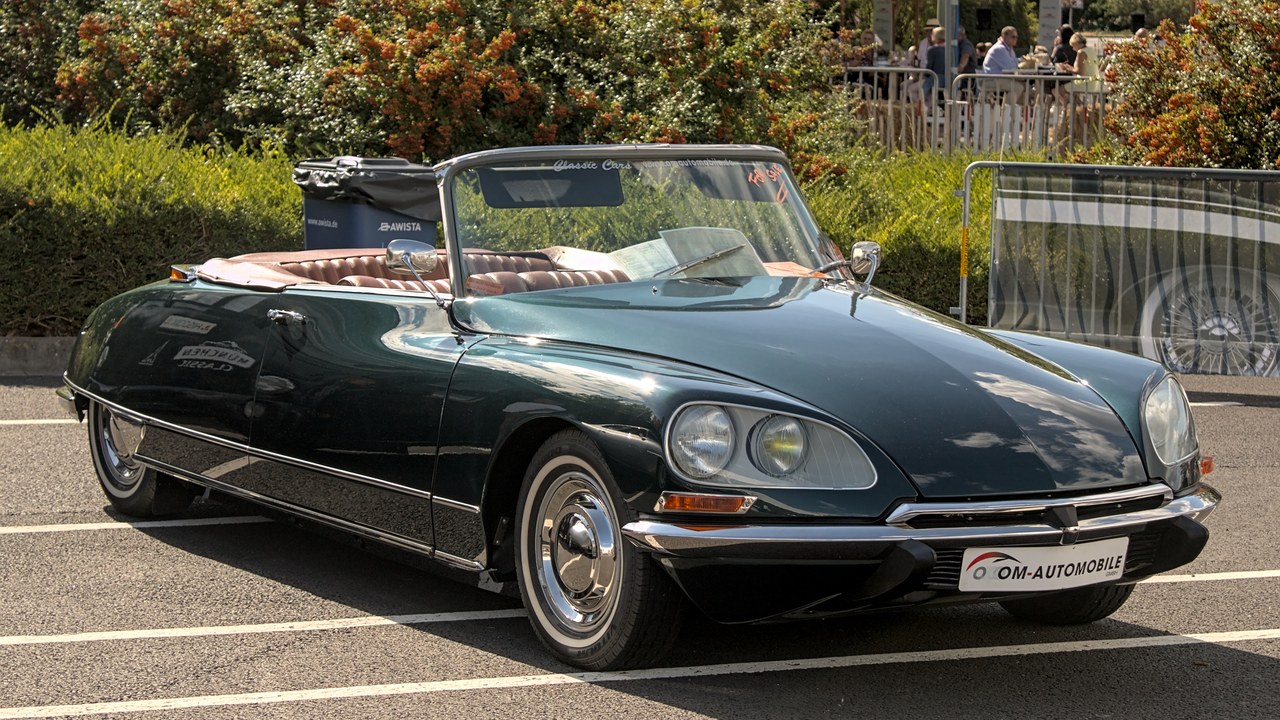
Unveiled at the 1955 Paris show, the Citroen DS floated on a hydropneumatic system that self-leveled the ride, powered the brakes, and let a driver change a tire with three wheels touching the ground. Its aerodynamic shape and single-spoke wheel looked like nothing else on the road. The futuristic French sedan drew 12,000 orders on its first day.
Rivals took decades to match ride comfort that felt effortless in the Eisenhower era. The design stayed in production for twenty years and still shapes how engineers think about comfort, handling, and hydraulics, proving a single bold gamble can define a brand for a generation.
3. NSU Ro 80: A Rotary Vision
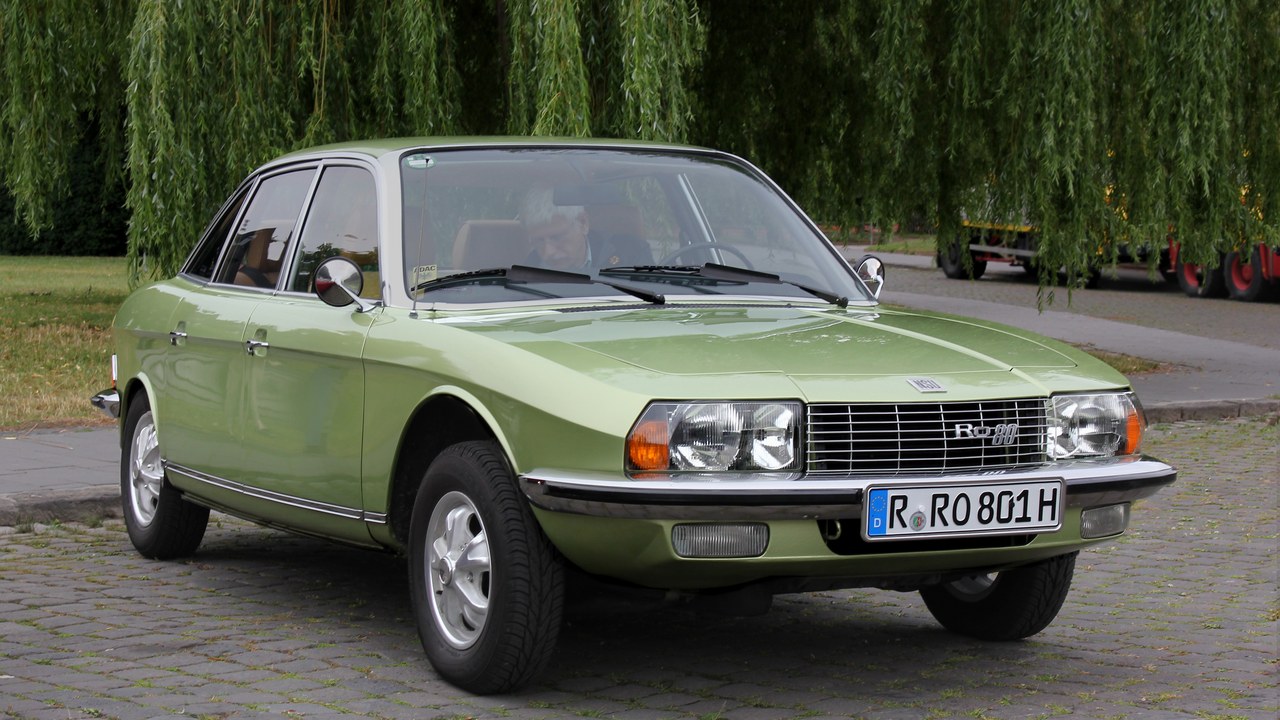
The 1967 NSU Ro 80 paired a twin-rotor Wankel engine with a wedge-shaped body whose 0.36 drag coefficient rivaled cars built thirty years later. Front-wheel drive, four-wheel disc brakes, and a semi-automatic clutch made it feel like a machine beamed in from the future. The sleek German sedan won European Car of the Year.
Chronic rotor-seal failures wrecked the car’s reputation and bankrupted the company before the concept could mature. The styling, however, predicted the aero sedans of the 1980s so precisely that later designers openly credited it, a rare case of a commercial flop proving visually prophetic.
4. Toyota Prius: Hybrid For The Masses
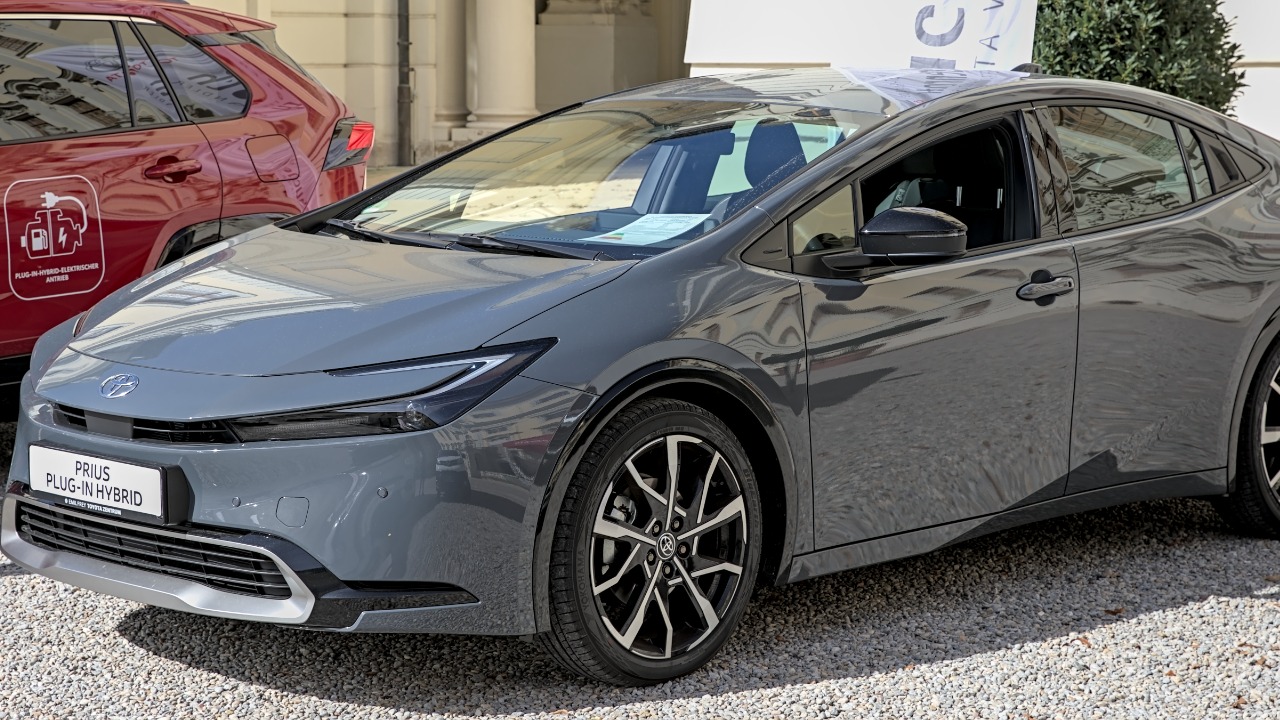
When the Toyota Prius reached global markets in 2000, it turned the gas-electric hybrid from an engineering curiosity into a car ordinary families could actually buy. A computer juggled a gasoline engine and electric motor automatically, doubling the fuel economy of comparable sedans. The pioneering hybrid hatchback eventually passed six million sales worldwide.
Rivals dismissed the technology as a novelty until soaring fuel prices proved otherwise. The car normalized electrified drivetrains a full decade before the industry’s electric pivot, giving one automaker a head start that competitors spent years scrambling to close.
5. General Motors EV1: Electric Before Its Time
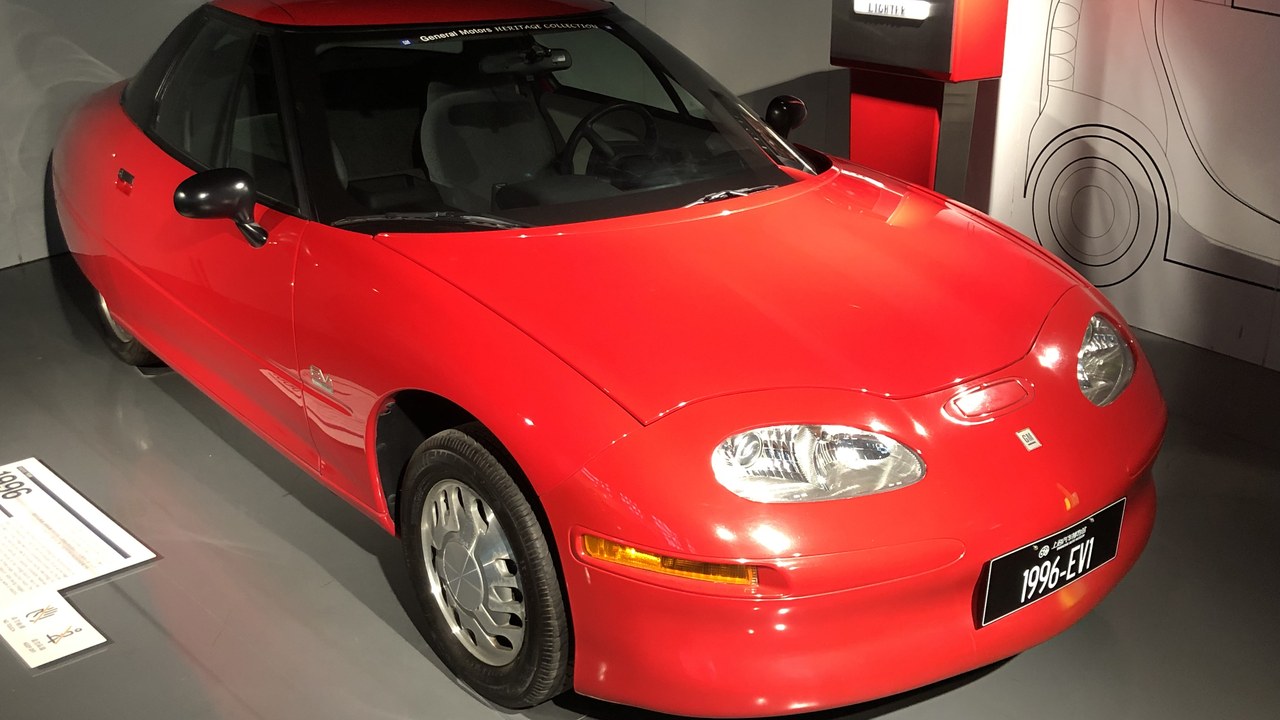
General Motors leased the EV1 from 1996, offering a purpose-built electric car with a slippery 0.19 drag coefficient and instant, silent acceleration years before Tesla existed. Regenerative braking and a low-drag body pushed its range far past earlier conversions. The sleek electric coupe earned devoted drivers who begged to keep leasing it.
The company later reclaimed and crushed nearly every unit, a decision that became a documentary and a lasting symbol of a lost opportunity. Battery limits were real, yet the EV1 proved mainstream electric driving was possible well before the market was ready to embrace it.
6. Chrysler Airflow: Streamlining Too Soon
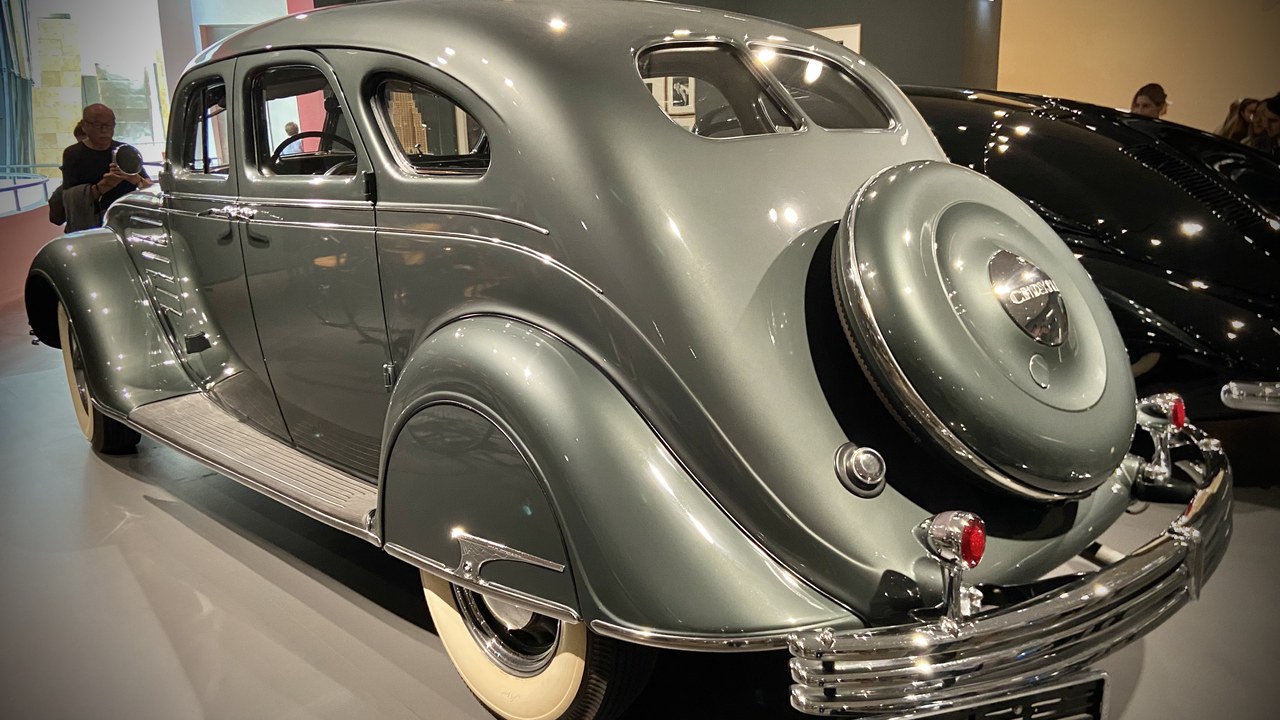
The 1934 Chrysler Airflow applied wind-tunnel science to a mass-market car, spreading weight evenly between the axles and wrapping passengers in a smooth, aerodynamic shell. Its near-even weight distribution and unibody-style construction delivered a ride quality rivals could not match. The streamlined Chrysler model looked decades removed from its boxy contemporaries.
Buyers found the styling too strange and sales flopped, nearly denting the company’s finances. Yet the aerodynamic principles it introduced soon spread across the entire industry, making the Airflow a commercial failure that quietly rewrote how cars would be shaped for decades.
7. Lexus LS 400: Luxury Rewritten
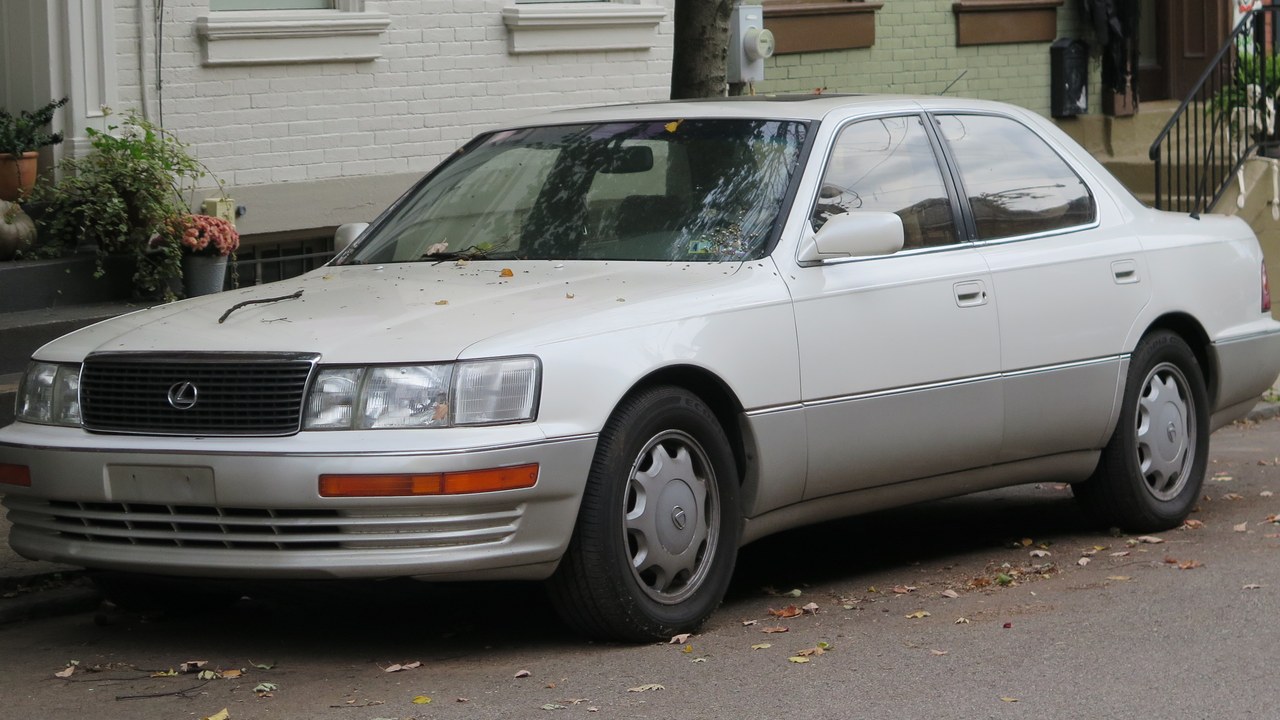
Launched in 1989, the Lexus LS 400 matched German flagship sedans for smoothness and refinement while undercutting them by tens of thousands of dollars. Obsessive engineering produced whisper-quiet cabins and near-flawless build quality that stunned established luxury marques. The debut Lexus flagship forced rivals to slash prices and rethink their reputations.
A brand-new nameplate humbling century-old carmakers was unheard of at the time. The launch reset buyer expectations for what reliability and value should mean in the luxury segment, and its influence on how premium cars are judged still lingers across the market today.
8. Audi Quattro: Grip For Everyone
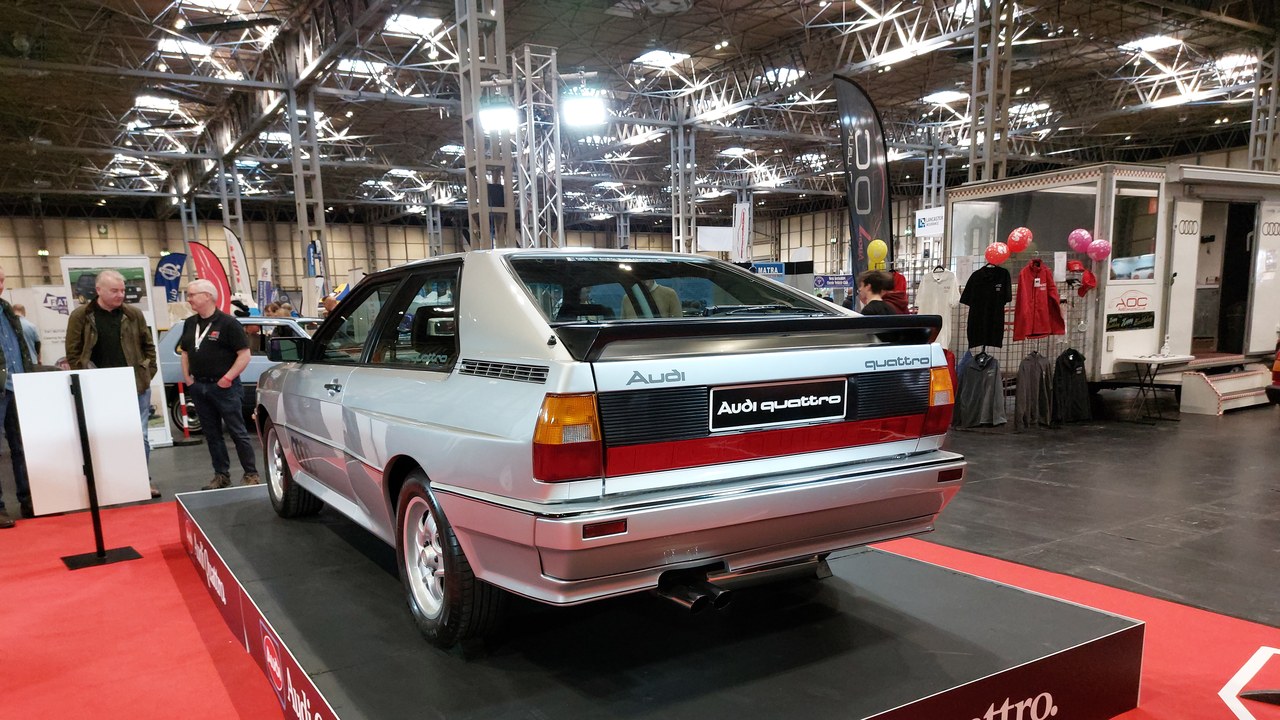
The 1980 Audi Quattro proved that permanent all-wheel drive, long confined to trucks and off-roaders, could transform a fast road car’s grip and stability. Its turbocharged engine and four-driven wheels dominated rally stages so completely that officials rewrote the rulebook. The all-wheel-drive coupe made rivals’ rear-drive racers look instantly obsolete.
Within a few years nearly every performance manufacturer scrambled to offer its own driven-all-four system. The technology trickled down to ordinary sedans and crossovers, turning a rally experiment into a mainstream feature millions of drivers now take for granted in bad weather.
9. Tesla Roadster: The Fast Electric Proof
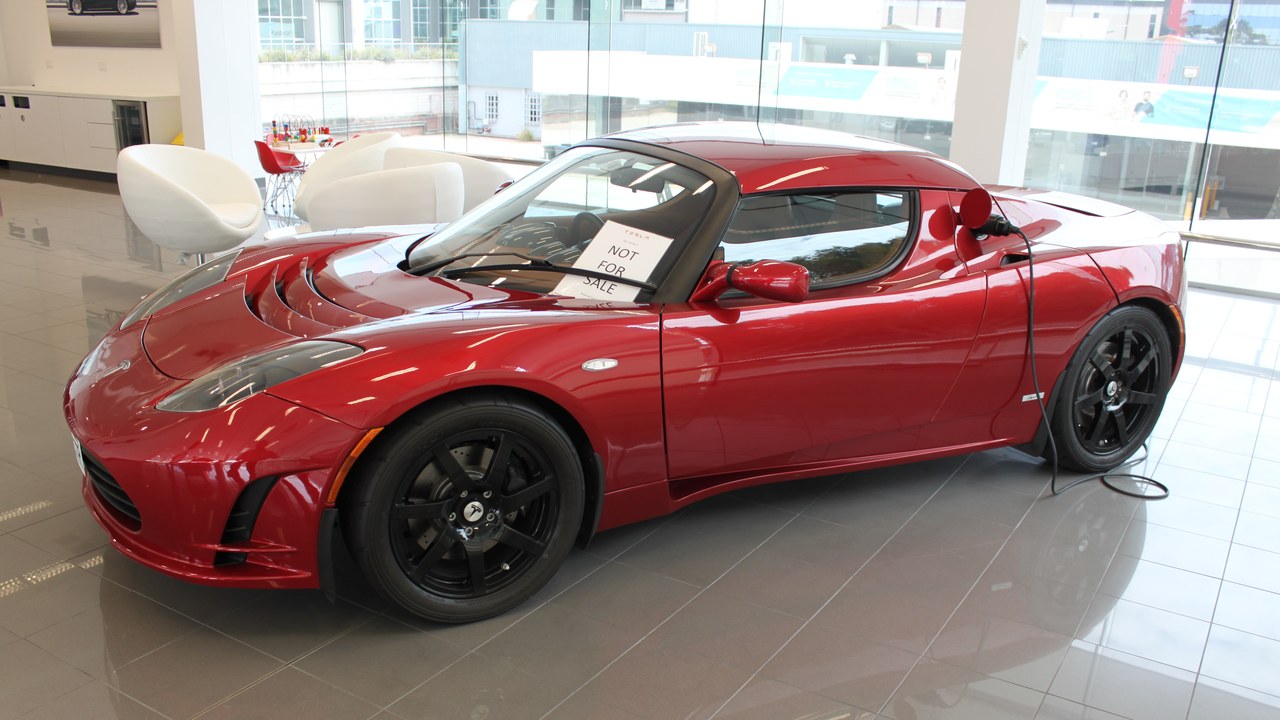
Arriving in 2008, the first Tesla Roadster shattered the notion that electric cars had to be slow and dull, sprinting to sixty in under four seconds on a lithium-ion pack. Built atop a Lotus chassis, it delivered sports-car thrills with zero tailpipe emissions. The original electric Roadster covered more than 200 miles per charge.
The low-volume sports car funded and legitimized a company that would reshape the entire auto industry. By proving performance and range were compatible with batteries, it lit the fuse for the electric-vehicle boom that established carmakers are still racing to catch.
10. Honda Insight: Efficiency Above All
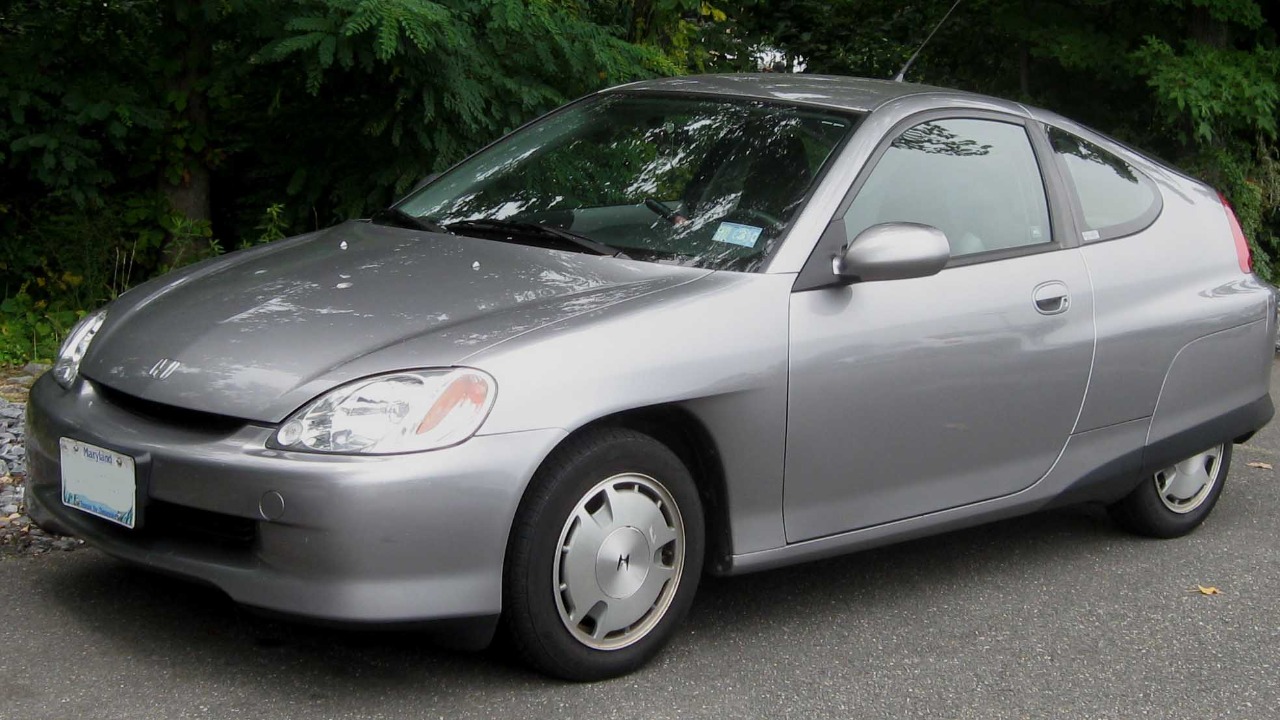
The 1999 Honda Insight beat the Prius to North America as the first mass-produced hybrid sold there, chasing extreme efficiency with an aluminum body, covered rear wheels, and a teardrop tail. Its lightweight construction and slippery shape returned fuel economy figures rivals could not approach. The aluminum hybrid coupe topped 70 miles per gallon.
Two cramped seats and a quirky look limited sales against roomier rivals. Even so, the engineering blueprint it laid down, obsessive weight-saving paired with aerodynamics, influenced efficient cars for years and showed how far a manufacturer would go to chase every last mile.
More from Morning Overview
