
Horsepower has never been cheaper, but it is not distributed evenly across the showroom floor. A handful of coupes, sedans and sports cars still hand over enormous output for money that buys an ordinary crossover elsewhere. Here are ten cars that deliver the most horsepower per dollar.
1. Ford Mustang GT: Coyote V8 For Coupe Money
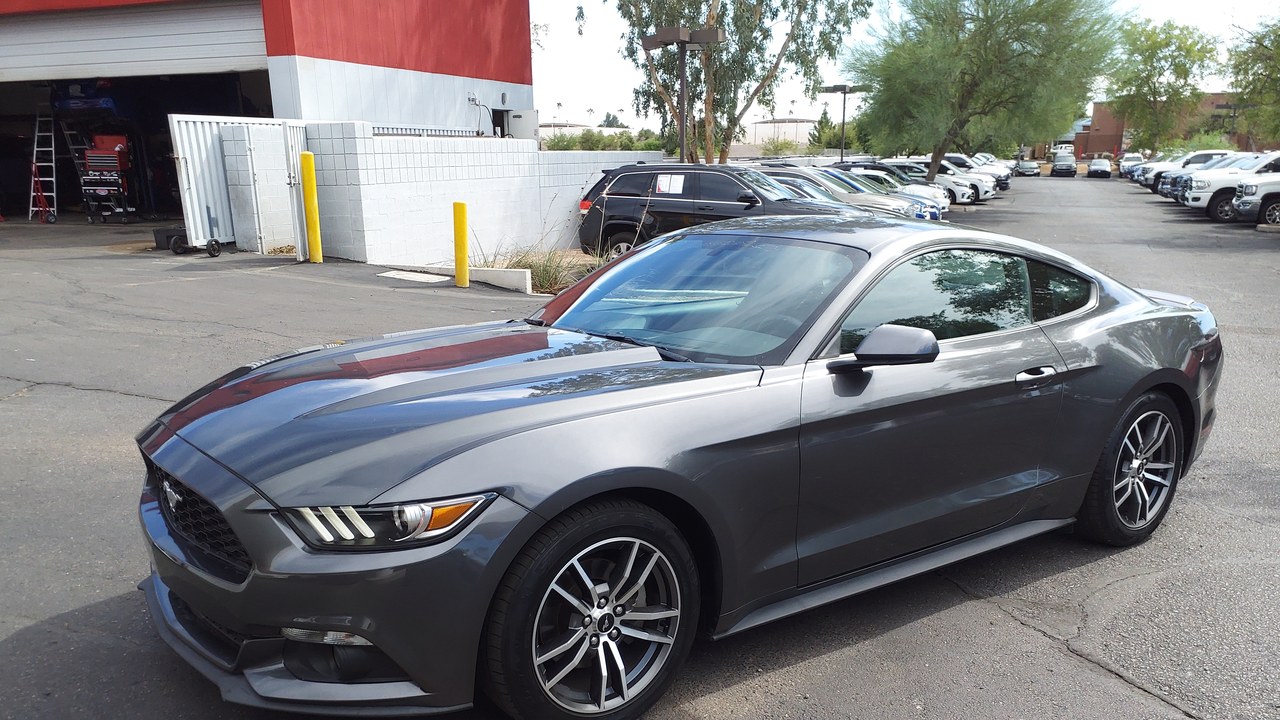
The GT trim pairs Ford’s 5.0-liter Coyote V8 with rear-wheel drive, and recent versions are rated around 480 horsepower, output that once belonged to European coupes costing several times as much. Ford kept the naturally aspirated V8 in the lineup while most rivals downsized to turbocharged four-cylinders, which is why the price-to-power math still favors it.
The trade-off arrives in the details rather than the drivetrain: modest interior plastics, thirsty city fuel economy, and insurance premiums that treat the badge as a risk factor. Buyers chasing the horsepower figure alone tend to underestimate the cost of keeping it.
2. Dodge Challenger R/T: Hemi Muscle On A Budget
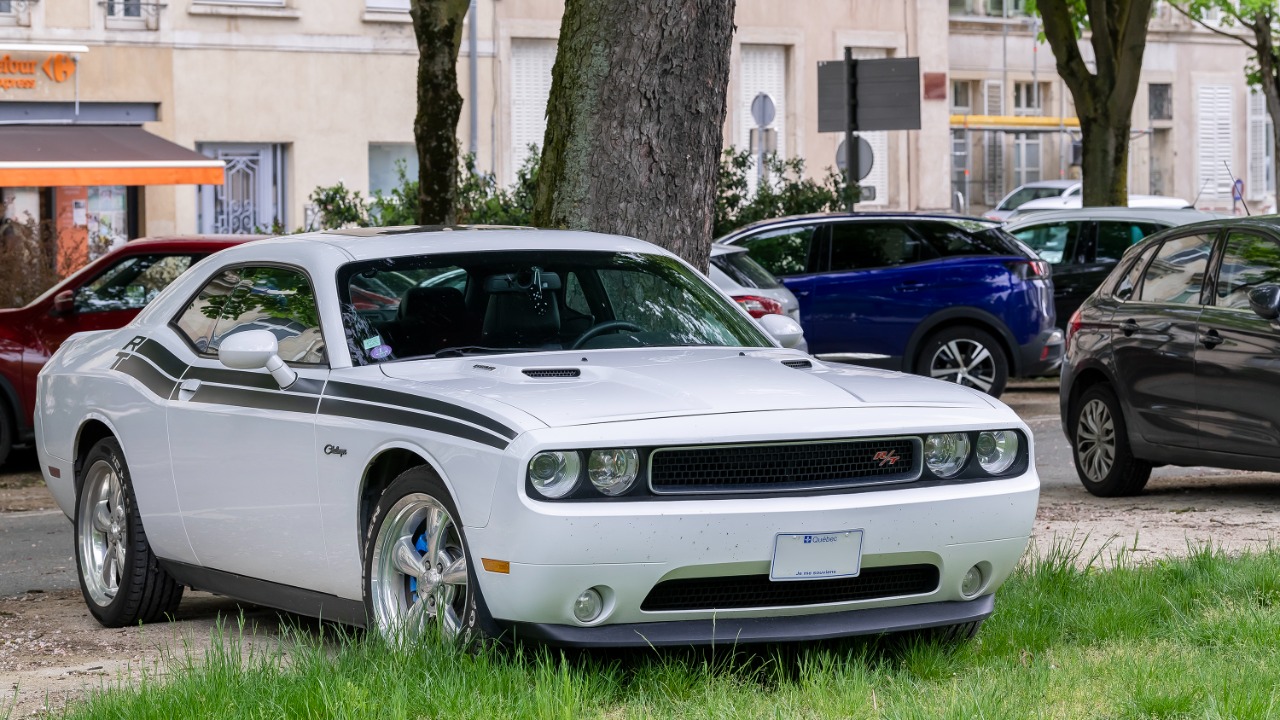
R/T badging on a Challenger means a 5.7-liter Hemi V8 rated at 375 horsepower, mounted in a body Dodge kept in production largely unchanged for well over a decade. That long run is what made the rear-drive muscle coupe affordable, because development costs were amortized years ago and the savings landed on the sticker.
Age cuts both ways. The chassis is heavy, the cabin design belongs to an earlier decade, and fuel economy reflects a large pushrod V8 hauling more than two tons. Owners accept dated engineering in exchange for a power figure priced well below its rivals.
3. Chevrolet Camaro SS: Corvette Engine, Coupe Sticker
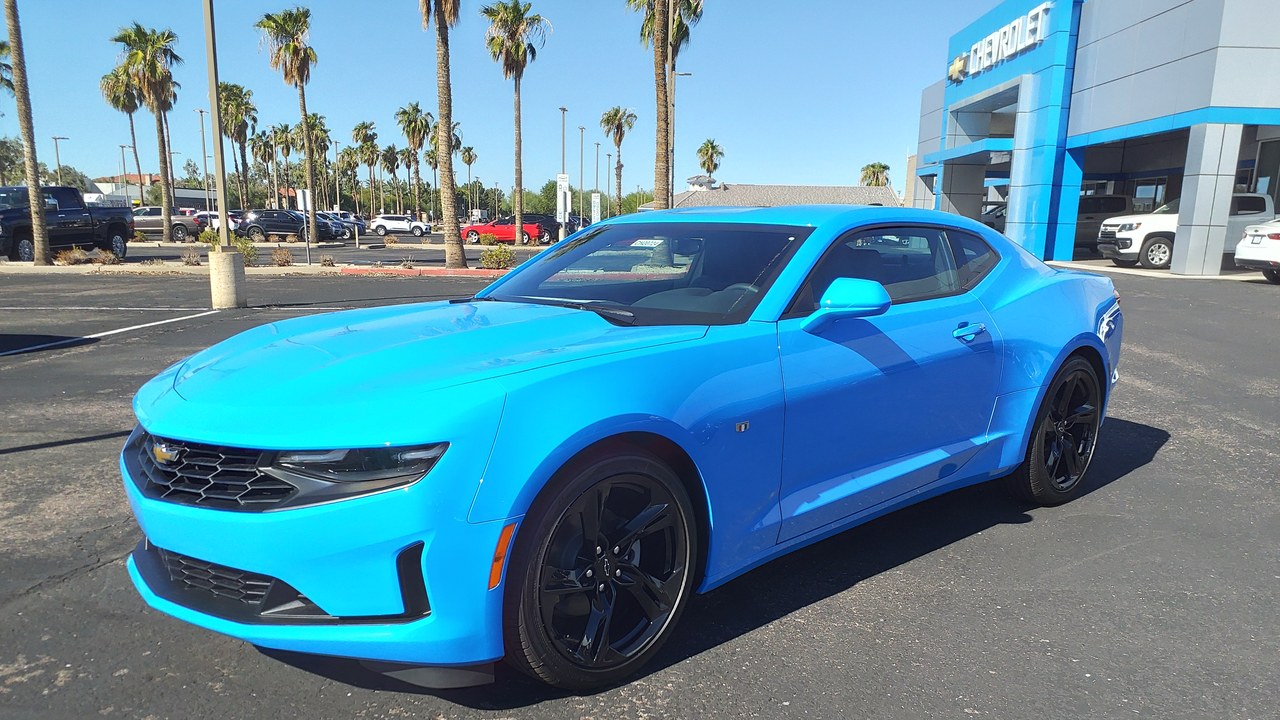
The SS runs Chevrolet’s 6.2-liter LT1 V8 at 455 horsepower, the same small-block family that powers the front-engine Corvette, in a coupe that routinely undercut the Mustang GT on transaction price. Handing the pushrod small-block to a mid-tier trim rather than a halo model is what drove the dollars-per-horsepower figure so low.
Compromises show up in packaging. Outward visibility through the chopped roofline is poor, rear-seat space is nominal, and the model’s discontinuation leaves resale dependent on trim and condition. The engine remains the strongest argument for buying one used.
4. Nissan Z: Twin-Turbo Six, Two Seats
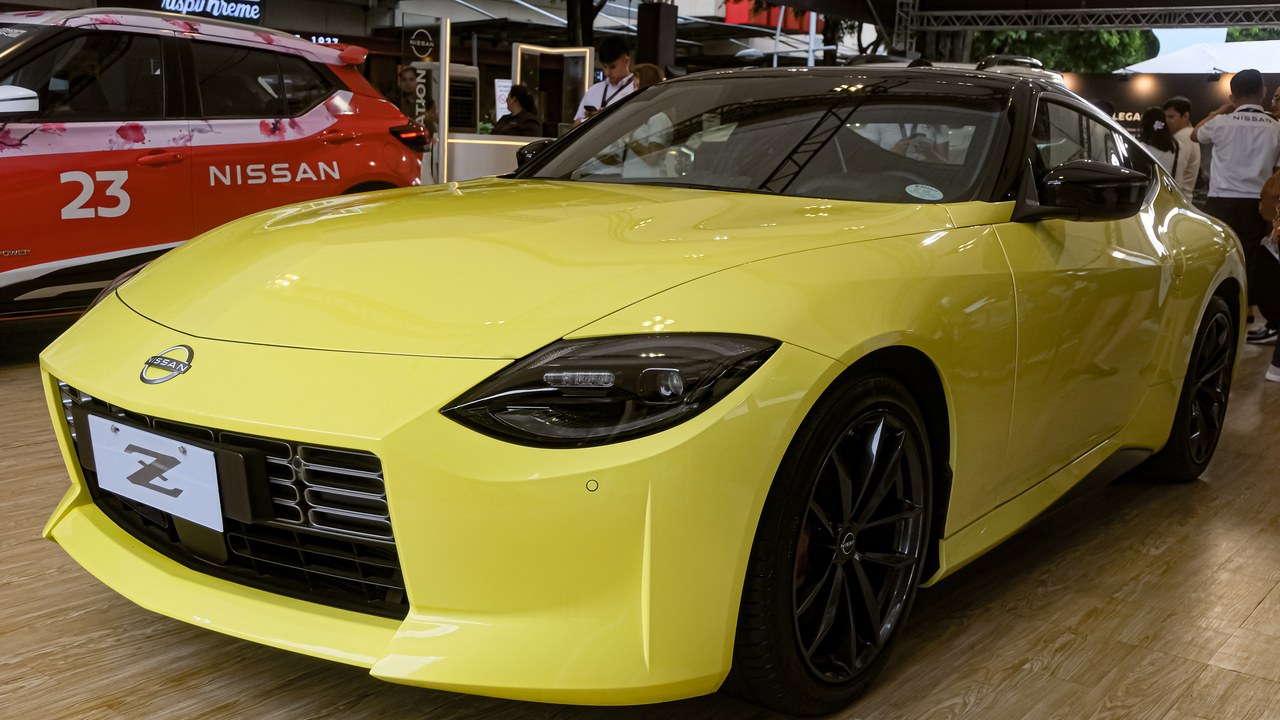
Nissan’s Z uses the twin-turbocharged 3.0-liter VR30DDTT V6 shared with Infiniti, rated at 400 horsepower, in a two-seat body built on a heavily revised version of the previous car’s platform. Carrying over that existing chassis architecture is precisely why it undercuts newer rivals making comparable power.
Those savings are visible from the driver’s seat. Switchgear and cabin materials carry over from older Nissan and Infiniti products, and the six-speed manual is deliberately old-school. Enthusiasts read that as character; shoppers cross-shopping newer interiors frequently do not.
5. Toyota GR Supra: German Output, Japanese Badge
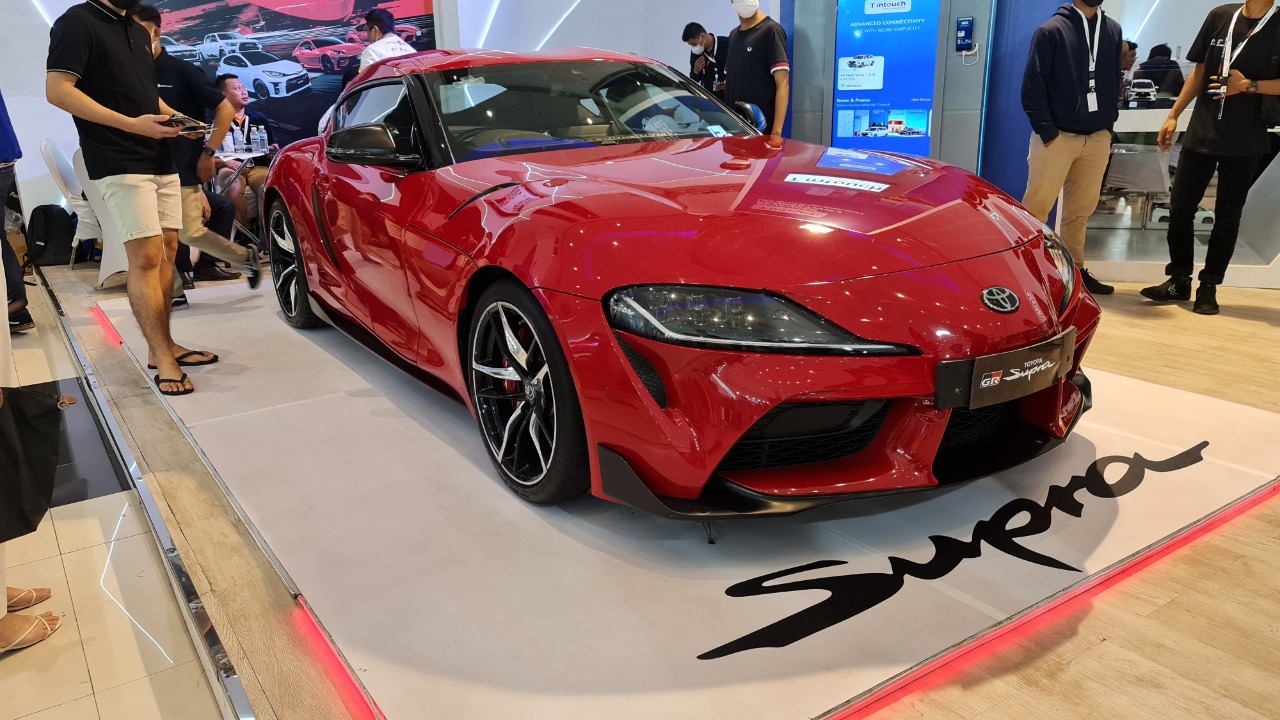
The GR Supra’s 3.0-liter turbocharged inline-six is BMW’s B58, rated at 382 horsepower in current form, installed in a chassis co-developed alongside the Z4. Sharing the engine and platform with a German partner let Toyota deliver German output without paying the full development bill, and the sticker reflects that.
The parts-sharing doubles as the recurring complaint. Much of the switchgear, infotainment and even the key are recognizably BMW, which unsettles shoppers expecting a wholly Toyota product. Maintenance budgets should track a turbocharged sports car, not a Camry.
6. Kia Stinger GT: Mainstream Badge, Premium Thrust
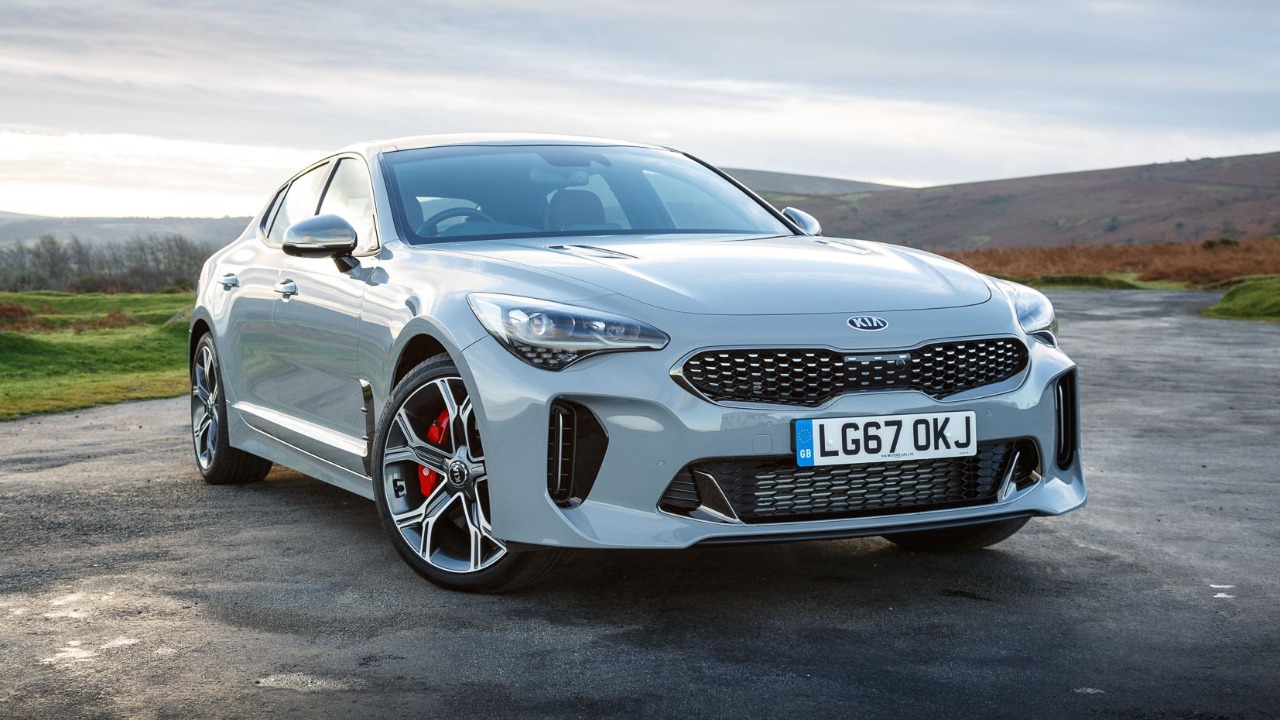
Kia’s Stinger GT paired a 3.3-liter twin-turbocharged V6 making 365 horsepower with a rear-biased fastback layout aimed squarely at European sport sedans. Because the liftback sport sedan wore a mainstream badge rather than a luxury one, it launched thousands of dollars beneath the cars it was benchmarked against.
Discontinuation turned it into a used-market proposition. Depreciation was steep, which punished the first owner and rewards the second, and the twin-turbo V6 demands disciplined oil changes. The value case holds for anyone willing to service a performance engine properly.
7. Dodge Charger: Four Doors, 485 Horsepower
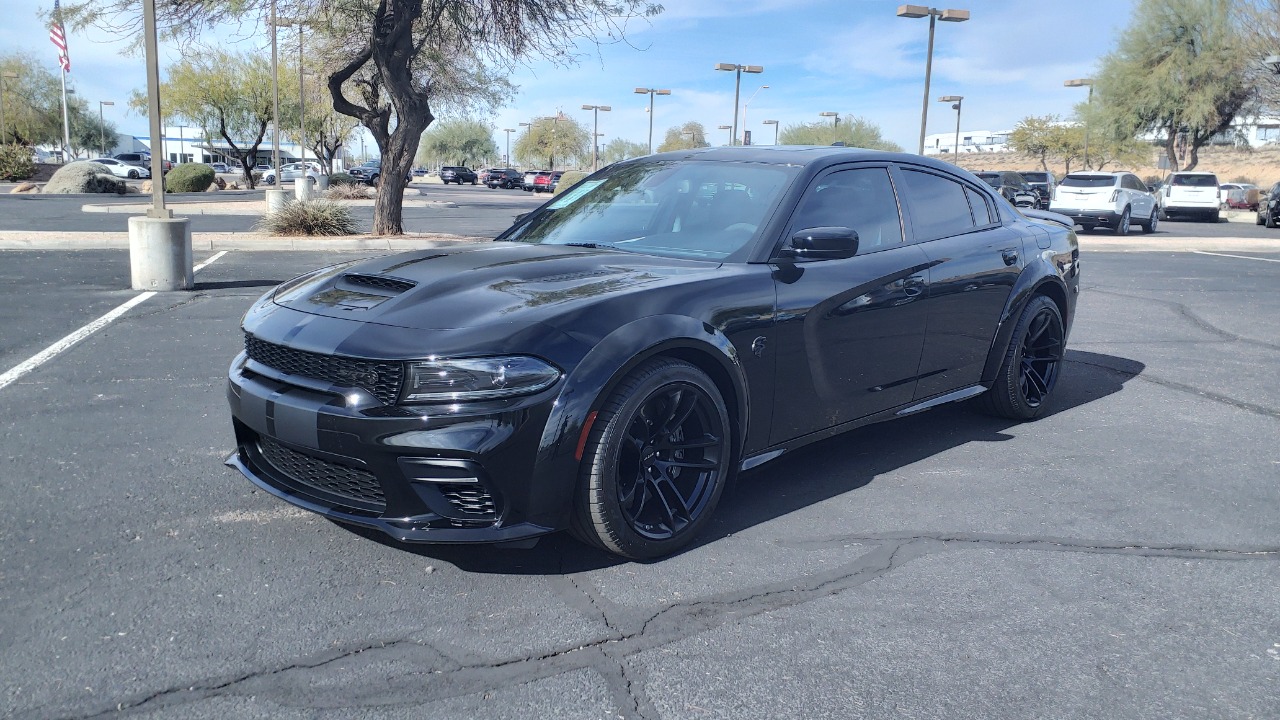
In Scat Pack form the Charger carries a naturally aspirated 6.4-liter Hemi V8 rated at 485 horsepower inside a full-size four-door sedan, a combination the rest of the market abandoned for coupes and SUVs. Nothing else offered that much thrust alongside a genuinely usable rear bench at a comparable price.
The practicality is real and so is the running cost. Fuel consumption, tire wear and insurance all scale with the output, and the platform’s age shows in its cabin technology. Families buying one are knowingly choosing horsepower over refinement.
8. Chevrolet Corvette: Supercar Output, Domestic Sticker
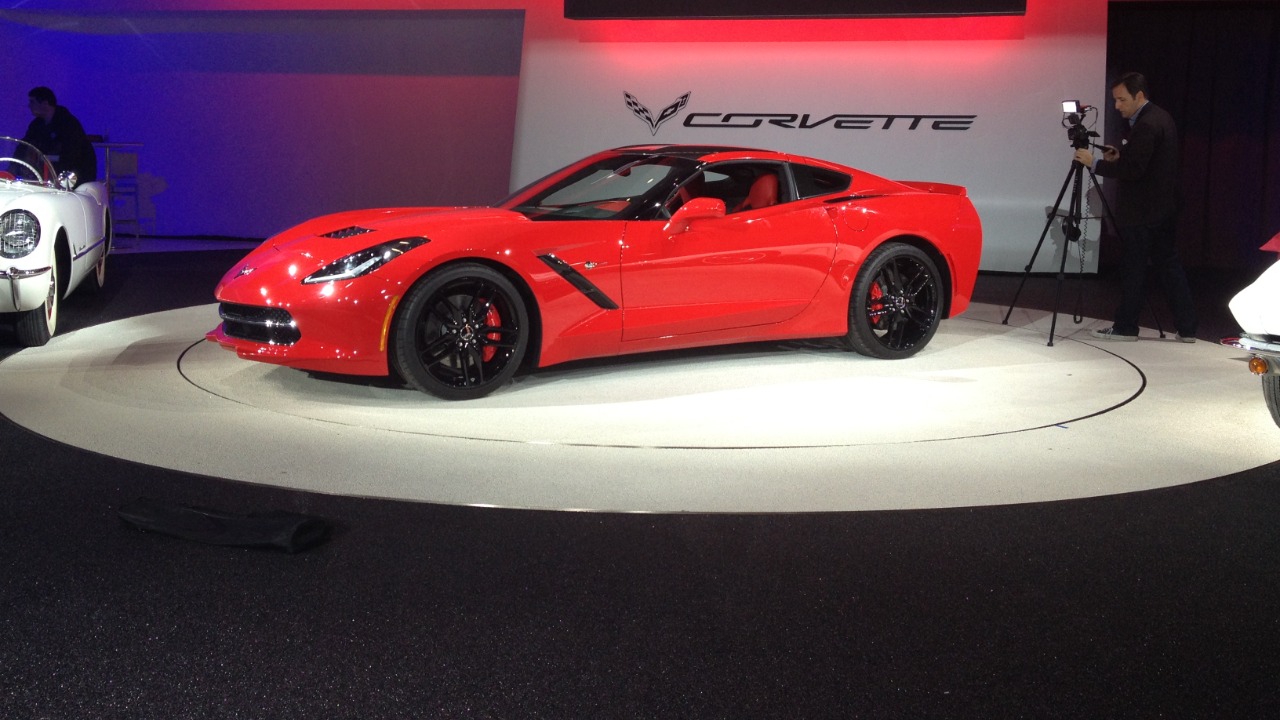
Corvette Stingray trims have run Chevrolet’s 6.2-liter small-block V8 at roughly 460 to 495 horsepower depending on generation and exhaust, output that reaches into exotic territory. Chevrolet’s volume sports car undercuts the European machinery it gets benchmarked against because a pushrod V8 is comparatively cheap to build at scale.
That discount does not extend to ownership. Tires, brakes and insurance are priced like a performance car because it is one, and dealer markups have distorted real transaction prices at every launch. On raw output per dollar, though, few production cars come close.
9. Ford Mustang Dark Horse: Track Hardware Without Shelby Money
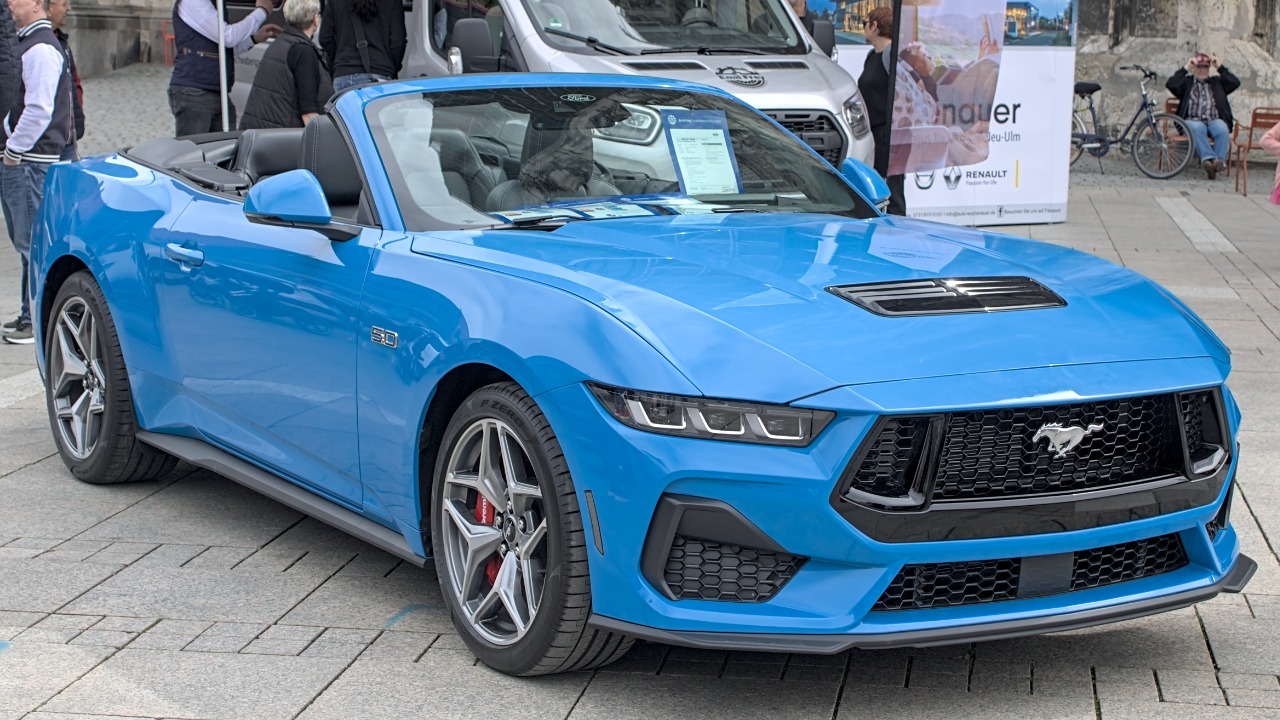
Dark Horse tunes the 5.0-liter Coyote V8 to 500 horsepower and adds strengthened internals, extra cooling and track-focused chassis hardware, slotting above the GT. Ford’s track-focused Mustang variant reaches output once reserved for Shelby models without Shelby pricing, and it arrives with a factory warranty attached.
It remains a specialized purchase. Stiffer suspension and aggressive gearing are wasted on commuting, and the options list pushes the price into genuinely expensive territory quickly. The per-horsepower figure stays attractive only for a buyer who resists the configurator.
10. Genesis G70: Luxury Trappings, Bargain Output
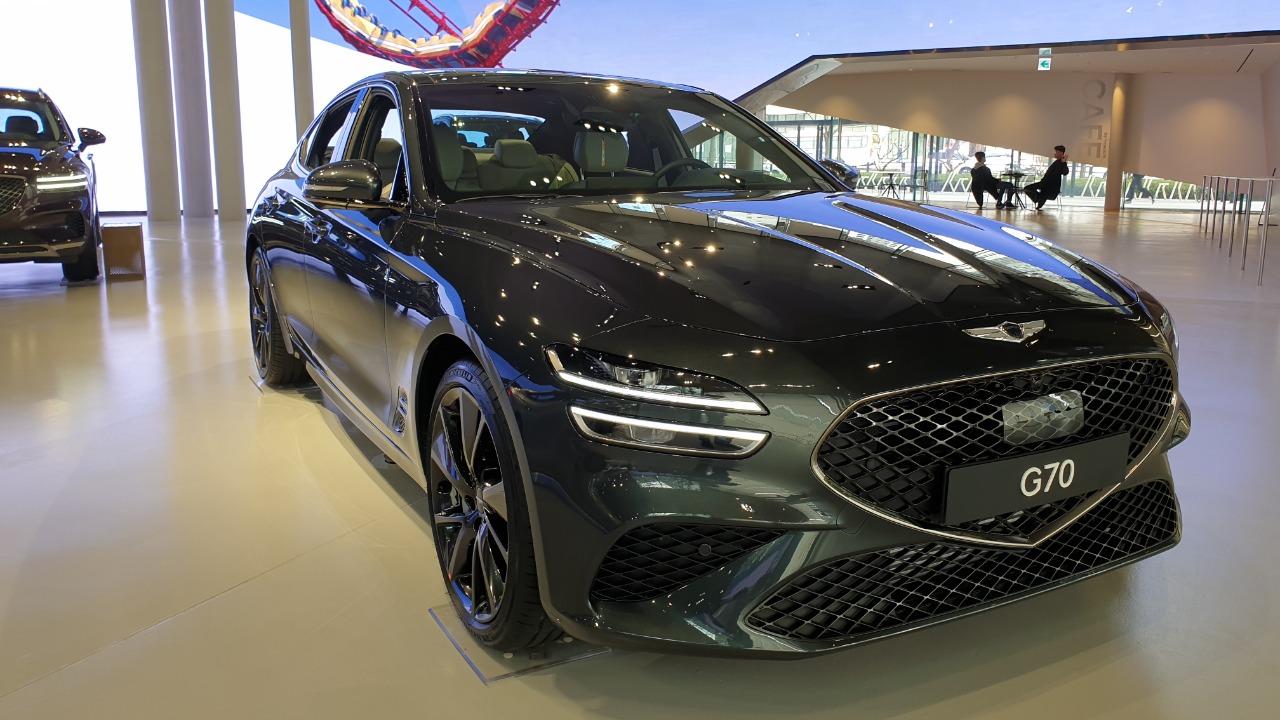
The G70’s 3.3-liter twin-turbocharged V6 makes 365 horsepower in a compact sedan that shares much of its engineering with the Stinger. Genesis priced the compact luxury sedan beneath the German cars it targets, so the same output arrives with leather, a long warranty and included maintenance for less money.
Brand equity is the trade. Resale values lag the established German marques, dealer networks are thinner in some regions, and rear-seat space is tight for the class. For anyone optimizing power and equipment per dollar, none of that changes the arithmetic.
More from Morning Overview
- A handful of SUVs keep hitting 300,000 miles, and they share one engine trait
- Supplements now rank as the fifth-leading cause of death from liver disease.
- A study names the one SUV most likely to reach 250,000 miles
- More than 60,000 people flee the Spokane area as complex fires overrun 600 structures
