
Repair bills do not spread themselves evenly across the car market. Luxury badges, turbocharged engines, air suspension and dense electronics all push the cost of an ordinary fault well past what a mainstream sedan asks for, and the gap widens the moment a factory warranty lapses. Here are ten cars that tend to cost their owners the most to repair, year after year.
1. BMW 5 Series: Executive Comfort, Executive Invoices
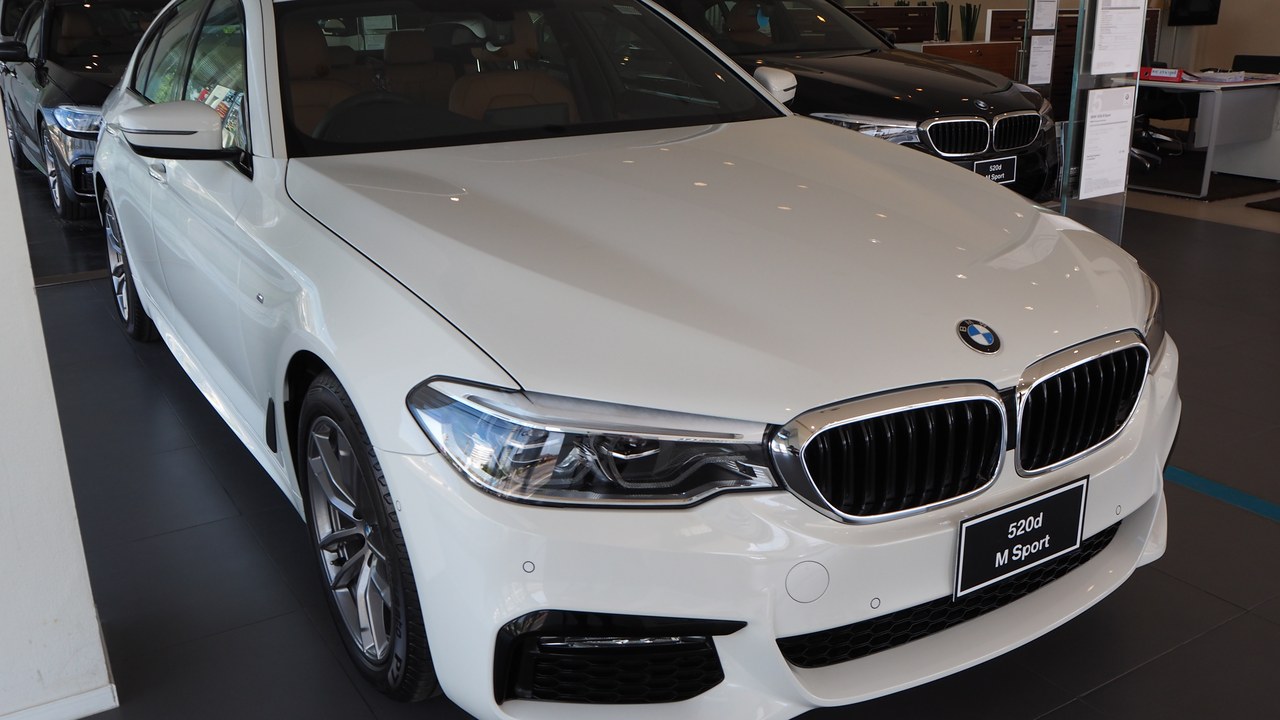
Few sedans show the gap between sticker price and running cost as plainly as the BMW 5 Series, an executive car sold across recent generations with turbocharged inline-six and V8 engines, adaptive dampers and xDrive all-wheel drive. Every one of those systems is a separate thing that can fail, and every one is priced as a premium component rather than a commodity part.
The bills tend to land in the years just after the factory warranty lapses, when a single suspension or electronics fault can outrun several routine services on a mass-market rival. Independent specialists soften the labor rate, but parts pricing still follows the badge.
2. Mercedes-Benz E-Class: Parts Priced Like The Badge
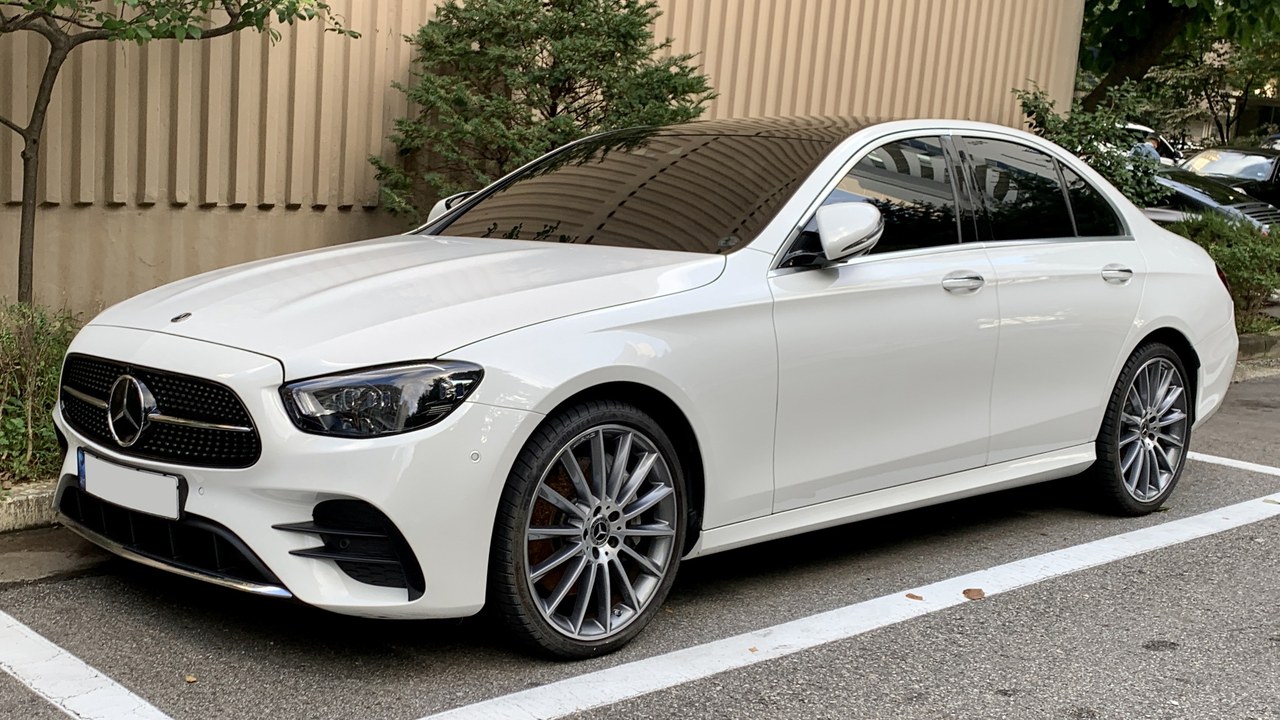
Long the volume seller in its maker’s executive range, the Mercedes-Benz E-Class has carried air suspension, multi-link axles, adaptive damping and successive layers of driver-assistance hardware for decades, much of it optional equipment that a second or third owner inherits. Replacing any of it is a parts-and-labor exercise rather than a quick roadside fix.
That arithmetic bites hardest on used examples bought for mainstream money, because the repairs stay luxury grade even when the purchase price no longer is. Diesel and hybrid variants stack emissions and battery hardware onto the list, and dealer diagnostic time mounts before a single component is ordered.
3. Land Rover Discovery: Electronics That Rarely Age Quietly
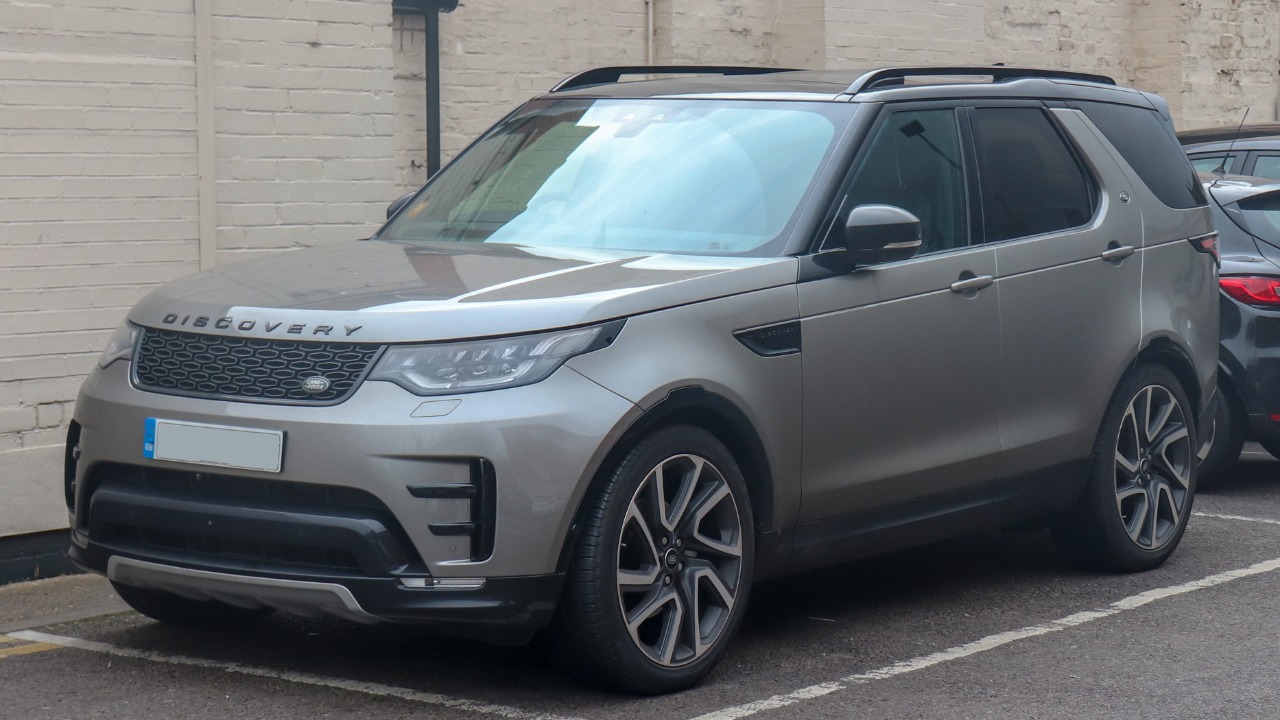
Off-road ability is engineered in electronically on the Land Rover Discovery, which pairs height-adjustable air suspension with the Terrain Response driving-mode system, electronic traction aids and a dense web of body control modules. The capability is genuine, and so is the side effect: far more components that can fail on an ordinary commute than a simpler SUV carries.
Air springs, compressors and control units are the repairs owners trade stories about, and none of them is inexpensive once the warranty has expired. Anyone shopping the used market is generally better served paying a marque specialist for an inspection than trusting a tidy service history at face value.
4. Audi A6: Complexity In A Quiet Suit
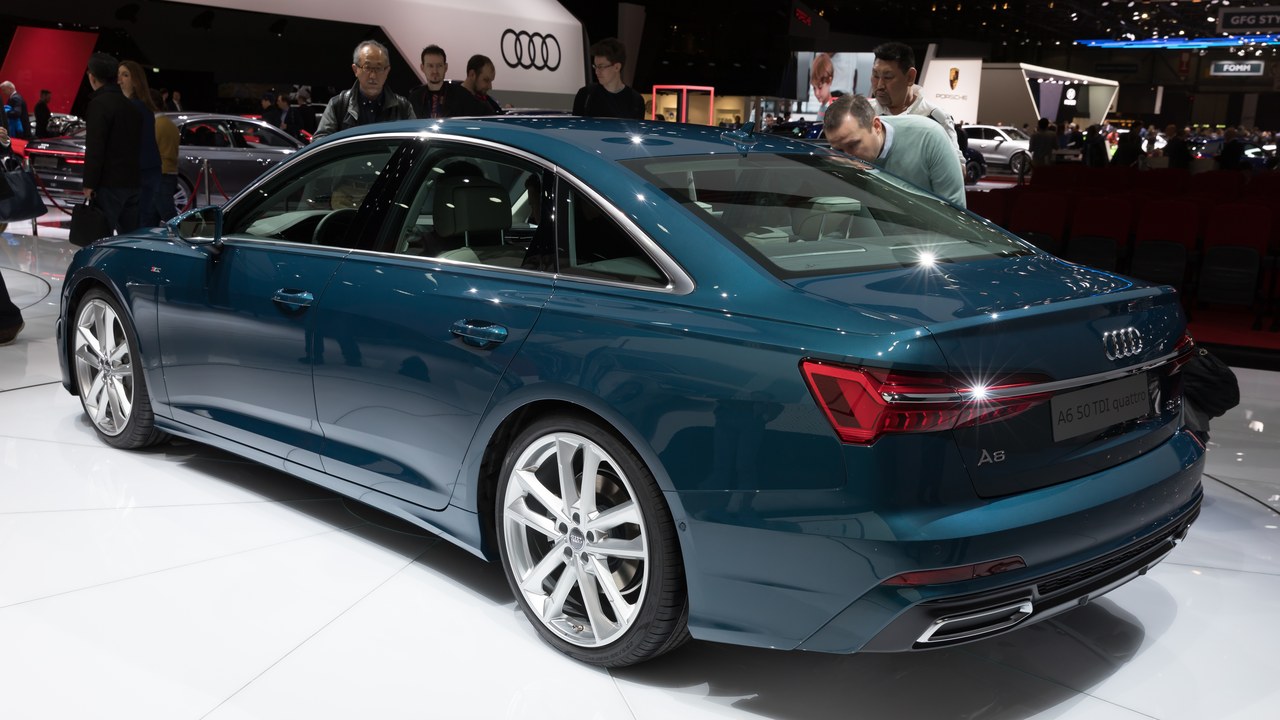
Understated sheet metal hides a great deal of hardware in the Audi A6, offered with quattro all-wheel drive, multi-link suspension, optional adaptive air springs and, in later generations, a 48-volt mild-hybrid system feeding a cabin built around stacked touchscreens. Sophistication of that kind rarely simplifies a repair estimate.
Owners typically find the expense is not one catastrophic failure but a steady accumulation: sensors, modules, air-suspension components and specialist diagnostic time. Cars still under a manufacturer plan hide most of it, which is exactly why the third and fourth years of ownership can feel so different from the first two.
5. Porsche 911: Bespoke Engineering, Bespoke Prices
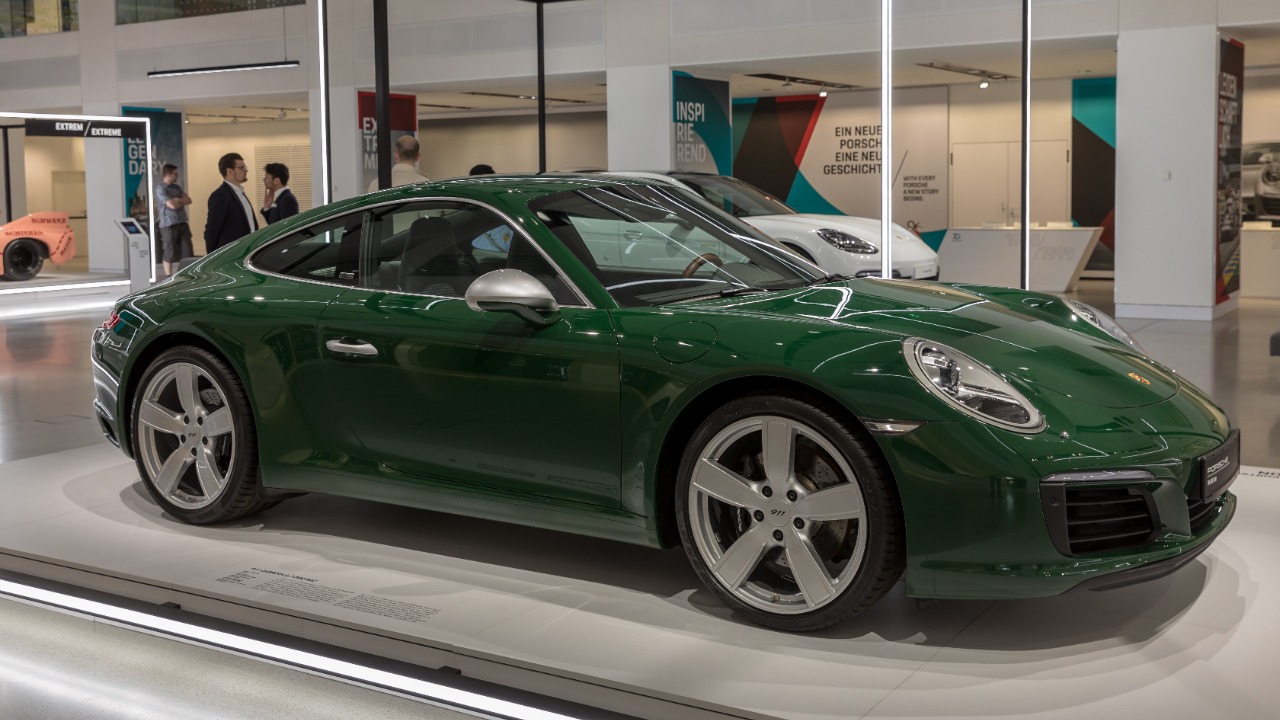
Almost nothing on the Porsche 911 is a shared, high-volume part, from the rear-mounted flat-six engine to the model-specific brakes, tires and suspension components developed alongside the company’s racing programs. Consumables also wear faster than average, because the car is engineered to be driven the way its buyers tend to drive it.
Scheduled maintenance itself is manageable; the real money goes on clutches, brakes and tires priced for a sports car rather than a commuter. Optional carbon-ceramic brake packages are the extreme case, turning what is a routine wear item on any other vehicle into a genuinely major invoice.
6. Volvo XC90: Safety Hardware Has A Service Bill

Sensors define the modern Volvo XC90 as much as its seven seats do, with radar, cameras and driver-assistance controllers threaded through the body, plus plug-in hybrid variants that add a battery pack, an electric motor and their own cooling and control systems. Each addition is a component that can eventually need replacing.
A windshield or bumper on a vehicle this heavily instrumented is no longer just a panel, since calibration work often follows the part itself. The safety case for all that equipment is strong, but buyers weighing a long ownership run should treat it as a cost line rather than a free feature.
7. Cadillac Escalade: Everything Scaled Up, Bills Included
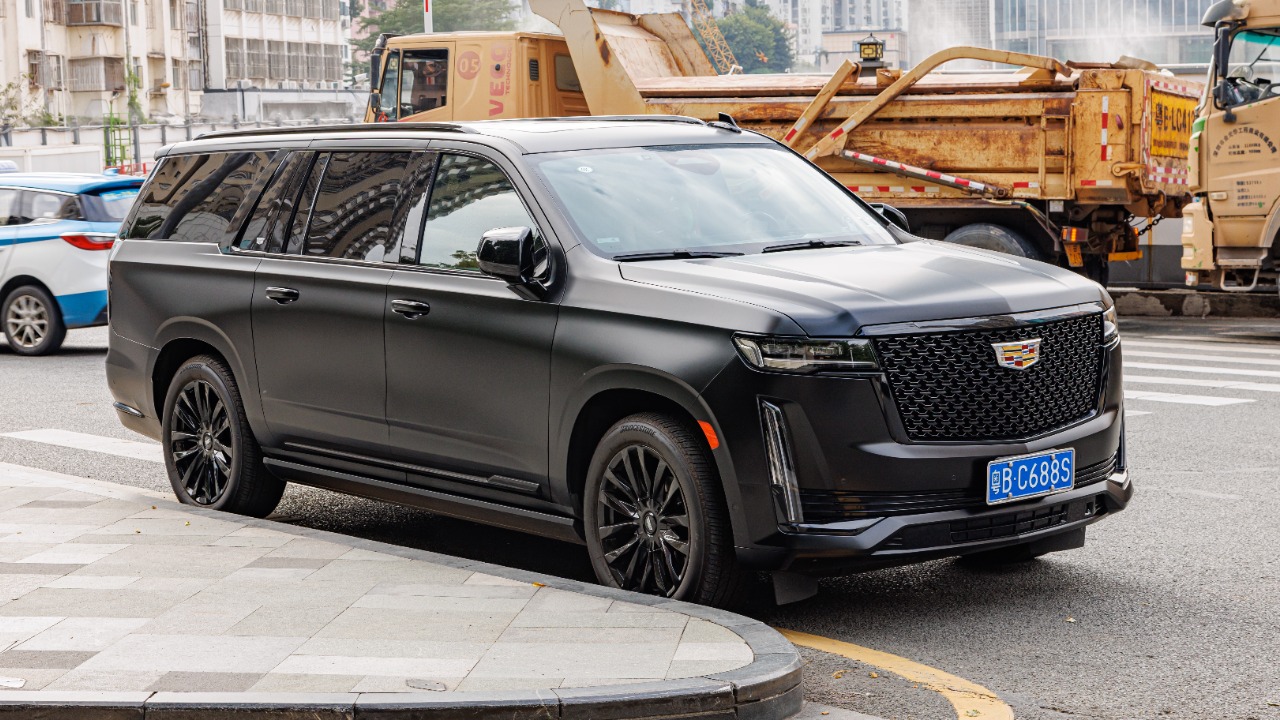
Sheer scale sets the tone with the Cadillac Escalade, a full-size luxury SUV built on General Motors body-on-frame truck architecture with V8 power, magnetorheological adaptive damping, air-assisted rear suspension and oversized wheels wrapped in low-profile tires. Nothing on a vehicle that heavy is a small part.
Tires, brakes and suspension components all carry the mass penalty, and fuel is only the visible half of the running cost. The luxury cabin adds screens, powered seats and climate hardware that the mechanically related work truck simply never fitted, giving faults more places to appear as the miles accumulate.
8. Jaguar F-Pace: Aluminum Body, Specialist Repairs
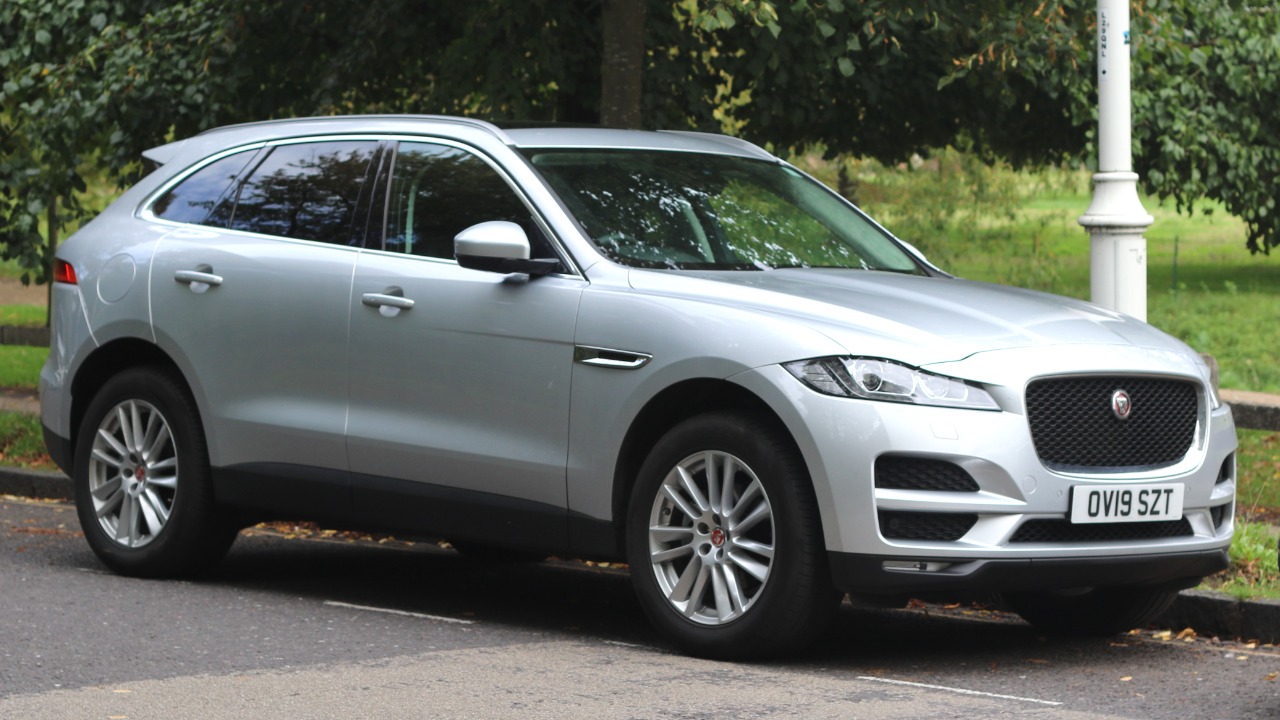
Body construction is the quiet cost driver on the Jaguar F-Pace, which uses its maker’s aluminum-intensive architecture instead of conventional steel. Aluminum resists corrosion and saves weight, yet it also demands bonded and riveted repair techniques, dedicated tooling and body shops certified to work with the material.
Collision work therefore costs more than the size of the dent suggests, while mechanical repairs follow the familiar luxury pattern of premium parts and dealer diagnostic hours. Checking how previous accident damage was repaired matters more on this SUV than on a steel-bodied crossover from the mainstream brands.
9. Mini Cooper: Small Car, Premium Parts Bin
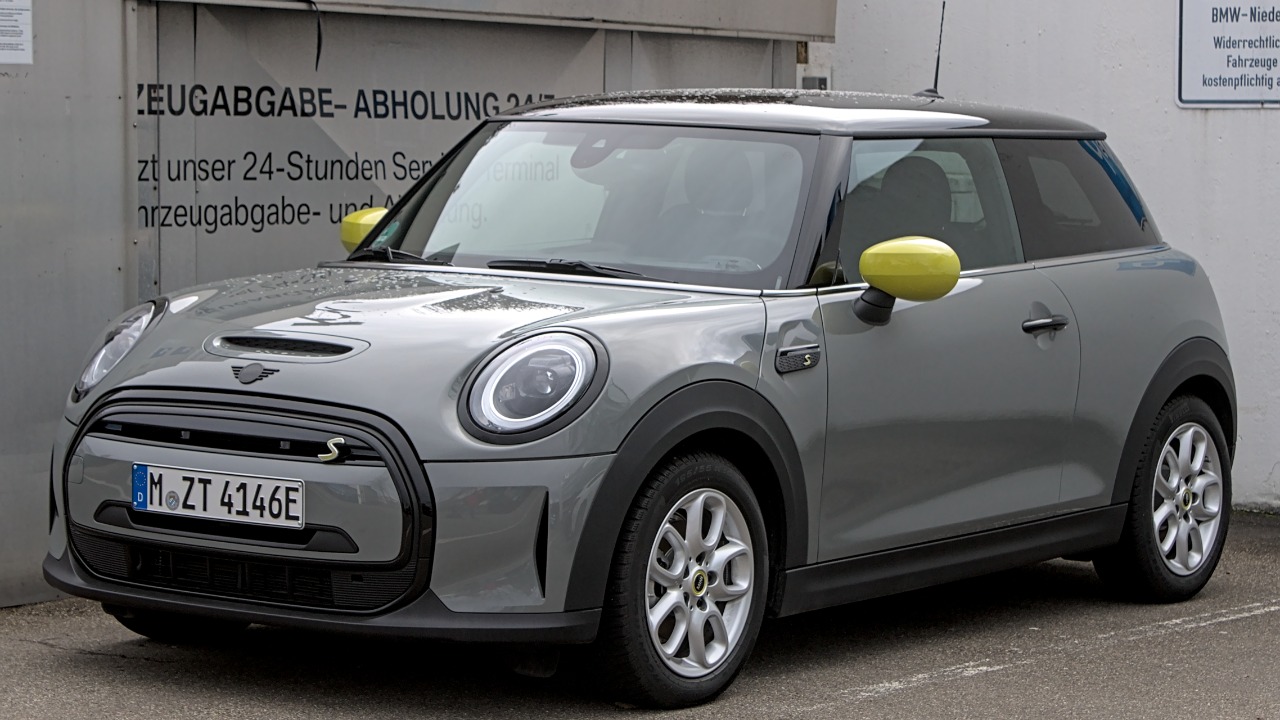
Compact dimensions do not translate into compact invoices for the Mini Hatch, sold in the United States as the Mini Hardtop or Cooper and engineered as a BMW Group product that shares engines, electronics and platform hardware with far pricier cars. The badge is playful; the parts catalog is not.
Turbocharged engines, run-flat tires fitted to many versions and a densely packed engine bay push labor time up on jobs that sound trivial. Buyers cross-shopping conventional small hatchbacks often price the purchase correctly and the ownership years afterward far too optimistically.
10. BMW X6: Coupe Roofline, Full-Size Hardware

Two categories of expense meet in the BMW X6, which wraps a sloping coupe roofline around the weight, xDrive all-wheel-drive system and large-diameter wheels of a full-size luxury SUV. Because the mechanical package is shared with the X5, parts pricing tracks the heavier vehicle rather than the sportier shape.
Tires and brakes wear at the rate the performance implies and cost what the badge implies, while optional air suspension and adaptive damping supply additional failure points. The tapered rear bodywork is specific to this model too, so collision panels come from a narrower supply than a mainstream crossover enjoys.
More from Morning Overview
