
Continuously variable transmissions promised smooth, efficient driving, yet a handful of models turned that promise into repair bills and roadside frustration. Some shudder, some overheat, and others simply give out well before the odometer reaches the mileage owners expected. These are the ten cars drivers most often blame for CVT trouble.
1. Nissan Altima: The poster child for CVT complaints
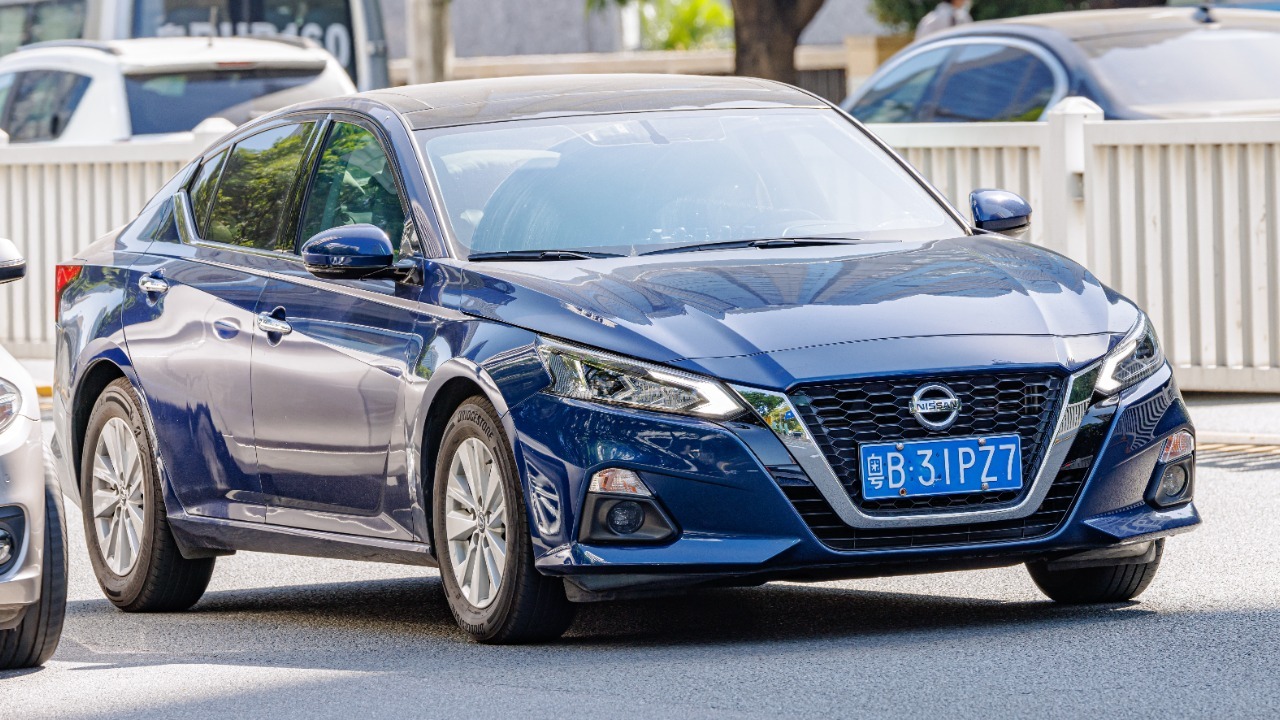
Few sedans draw as much CVT criticism as the midsize Nissan, whose 2013 through 2016 model years became notorious for shuddering under acceleration and hesitating at highway speeds.
Owners frequently report the transmission failing near 100,000 miles, sometimes far sooner, leaving them with replacement costs that can rival the value of an aging car. The judder that precedes a failure is often mistaken for engine trouble, delaying repairs until the unit is beyond saving. Extended warranties softened the blow for some, but the Altima remains the model most people picture when the phrase CVT failure comes up in conversation.
2. Nissan Sentra: Compact commuter, familiar weakness
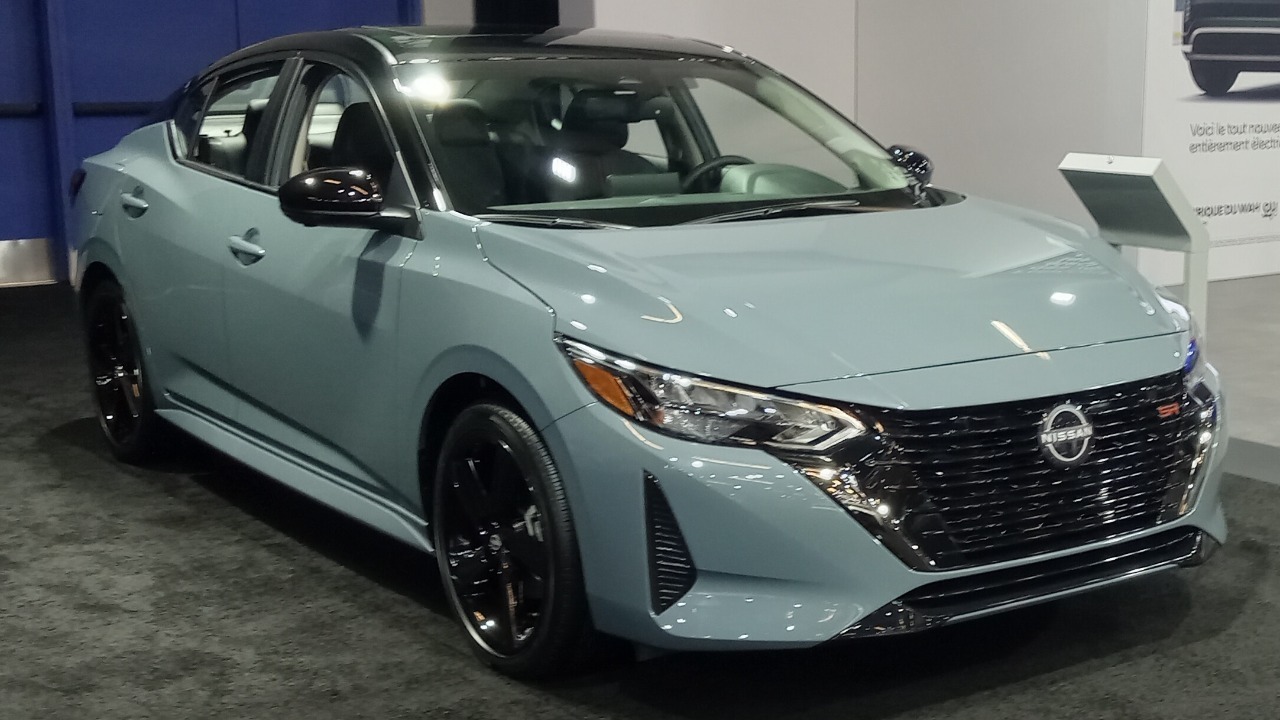
The compact Sentra shares much of its Altima-era engineering, and with it the same overheating tendencies that plague Nissan’s continuously variable transmission family.
Stop-and-go traffic and hot climates accelerate the wear, and drivers describe a distinct loss of power once temperatures climb. Because the Sentra sells to budget-minded buyers, an out-of-warranty failure hits especially hard, turning an economical commuter into an expensive lesson. Mechanics often trace the trouble to a cooling system that never quite kept up, and repeated overheating slowly degrades the belt and pulleys until the transmission simply refuses to hold a steady ratio.
3. Nissan Pathfinder: A family hauler that strained its gearbox
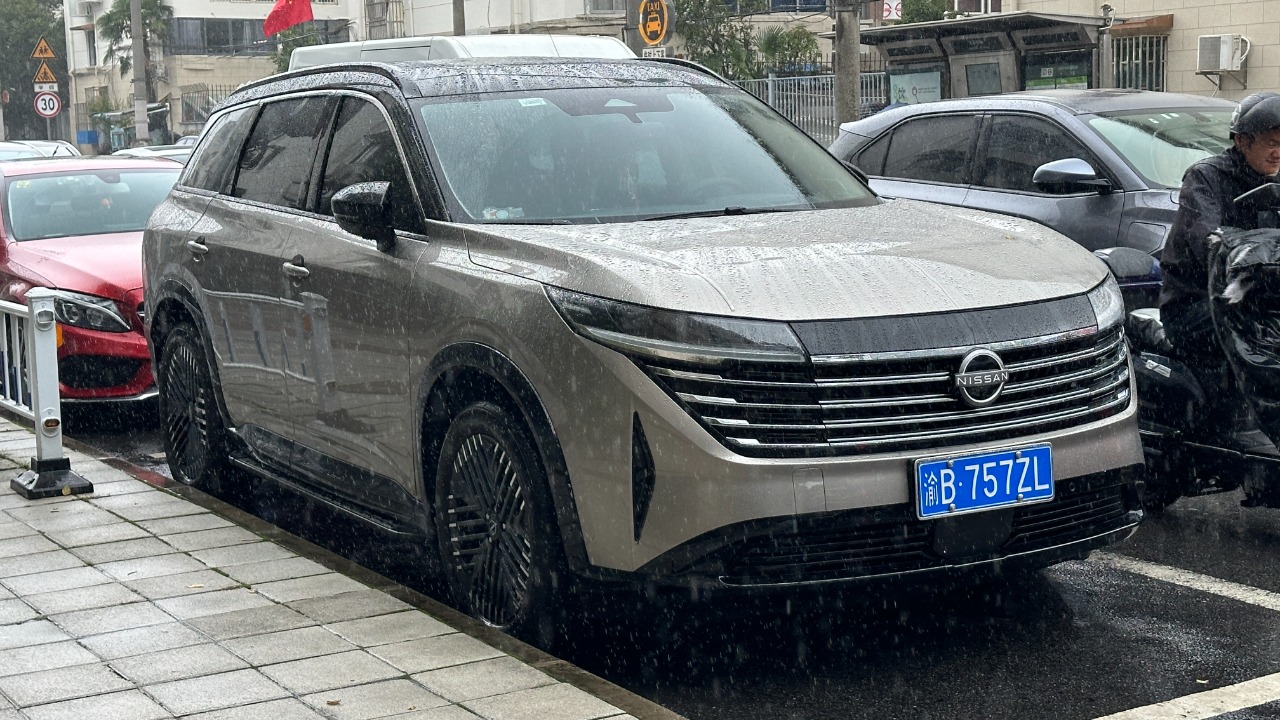
When Nissan moved the Pathfinder to a car-based platform, it paired the SUV with a CVT that struggled under load, particularly in the 2013 and 2014 model years.
Hauling passengers, cargo, or a trailer pushes the transmission harder than a lighter sedan ever would, and failures rank among the worst in the lineup. Buyers drawn to the three-row practicality often discovered the drivetrain could not match the vehicle’s family-hauling ambitions. Complaints describe shuddering on inclines and sudden loss of drive, problems that carried real safety concerns for families relying on the SUV for road trips and daily school runs alike.
4. Nissan Rogue: A best-seller with a costly flaw

As one of Nissan’s most popular crossovers, the Rogue put its early CVT weaknesses in front of a huge audience of owners.
Complaints center on jerky acceleration, whining noises, and outright failure that left many facing costly gearbox work well before the vehicle felt old. The sheer volume of Rogues on the road means the problem surfaces often, and used-car shoppers are frequently warned to check its service history carefully. A clean maintenance record and evidence of regular fluid changes can separate a dependable example from one destined for an expensive and inconvenient breakdown down the line.
5. Jeep Compass: Rugged looks, fragile transmission
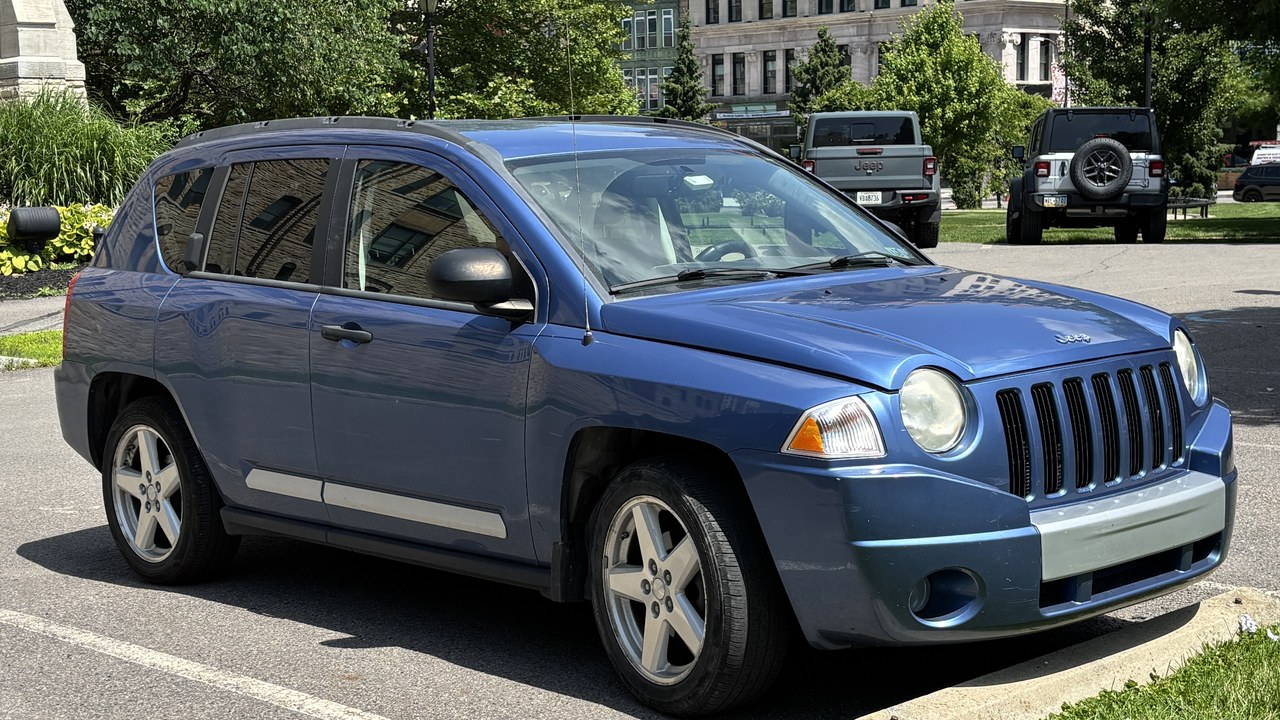
The first-generation Compass wrapped rugged styling around a CVT that drew heavy complaints for its unreliability and sluggish behavior.
Drivers expecting Jeep durability instead met overheating and premature wear that clashed with the crossover’s adventurous image. The transmission’s reputation was poor enough that it colored perceptions of the entire model, and later redesigns worked hard to distance the nameplate from those early frustrations. Owners who ventured off pavement found the unit especially unhappy, since low-speed crawling and steep grades generated exactly the kind of heat the fragile system handled worst of all.
6. Jeep Patriot: The Compass’s boxy twin, same trouble
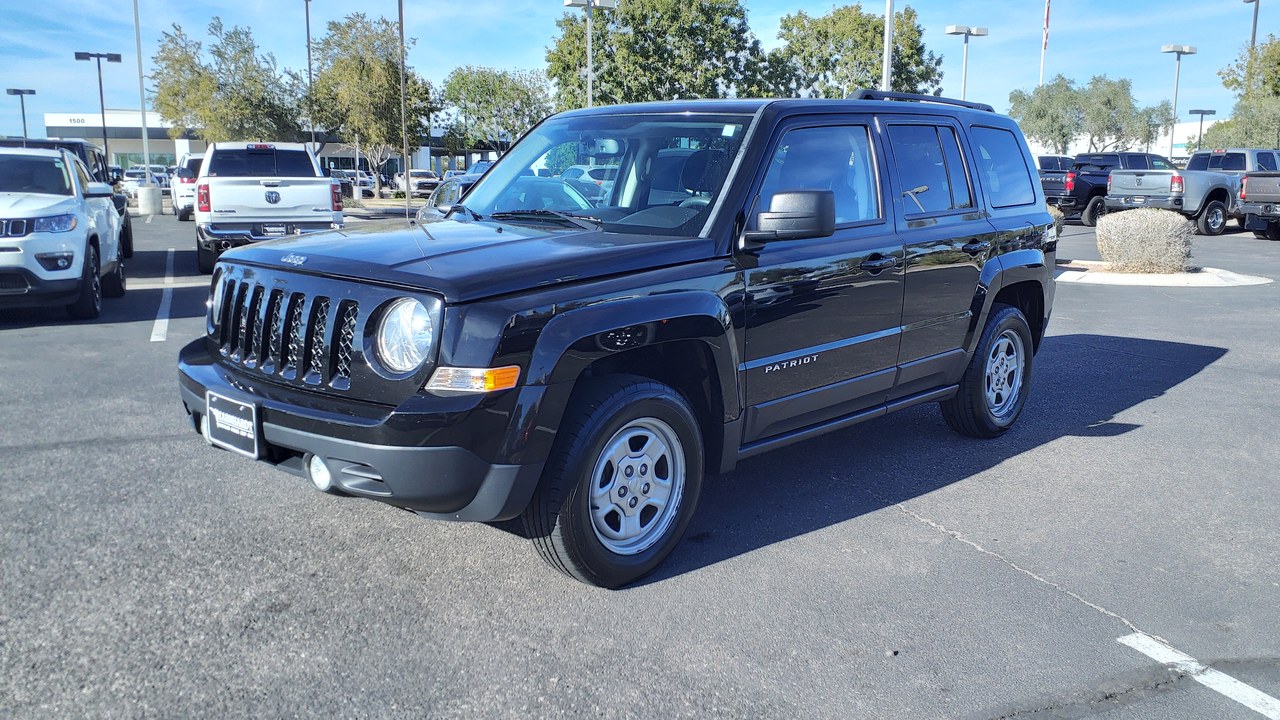
Sharing a platform and drivetrain with the Compass, the boxier Jeep Patriot inherited the same troublesome CVT and the reliability questions that came with it.
Owners report similar patterns of overheating and hesitation, especially when the compact SUV is pushed on hills or in warm weather. Marketed as an affordable entry into the Jeep family, the Patriot instead became another cautionary tale about pairing budget crossovers with early continuously variable transmissions. Its rugged appearance set expectations the drivetrain could not meet, and many buyers who wanted trail-ready capability found themselves nursing a fragile gearbox through ordinary suburban driving instead.
7. Subaru Forester: A reliable name with an occasional weak link
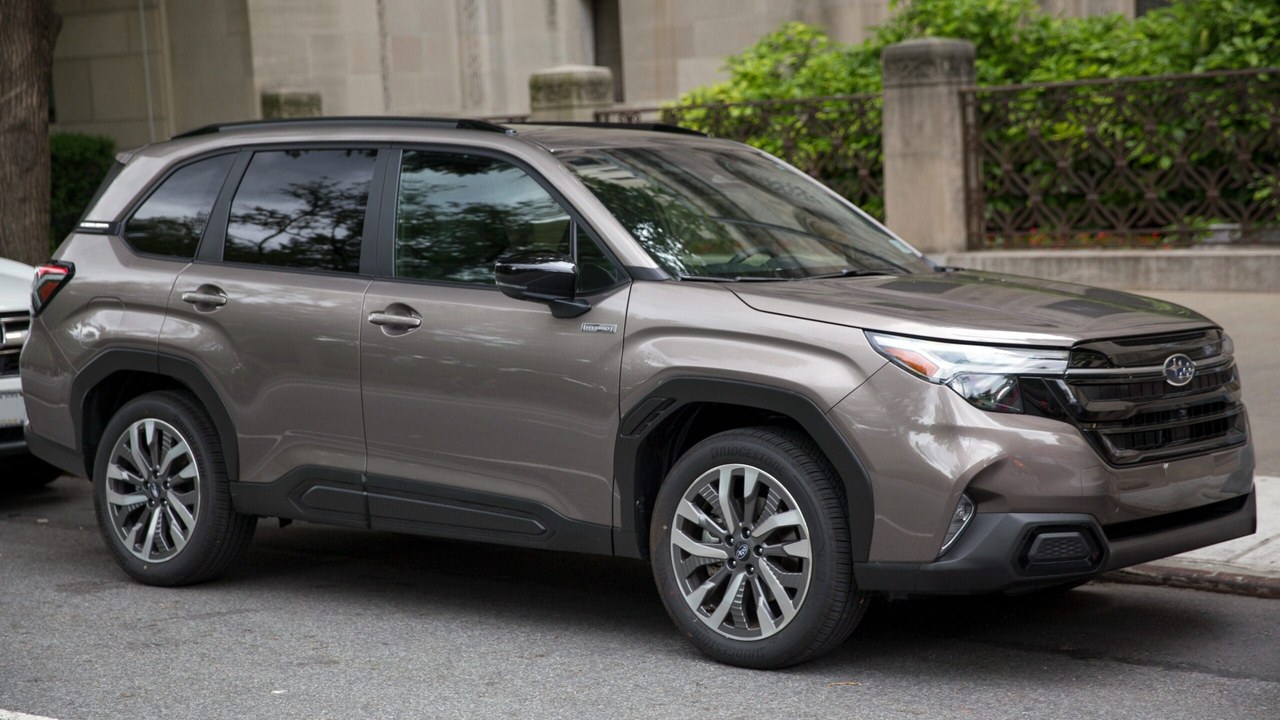
Subaru built a loyal following on dependability, yet certain Forester model years faced chain and valve-body issues within their continuously variable transmissions.
The problems are less widespread than Nissan’s, but affected owners describe shuddering, harsh shifts, and expensive internal repairs that stood out against the brand’s sturdy reputation. Because Foresters often serve as high-mileage family workhorses, a transmission fault can arrive precisely when owners were counting on many trouble-free years ahead. Subaru extended warranty coverage on some units in response, an acknowledgment that even a company famous for durability had shipped a flawed component.
8. Honda Civic: Even a reliability icon slipped up
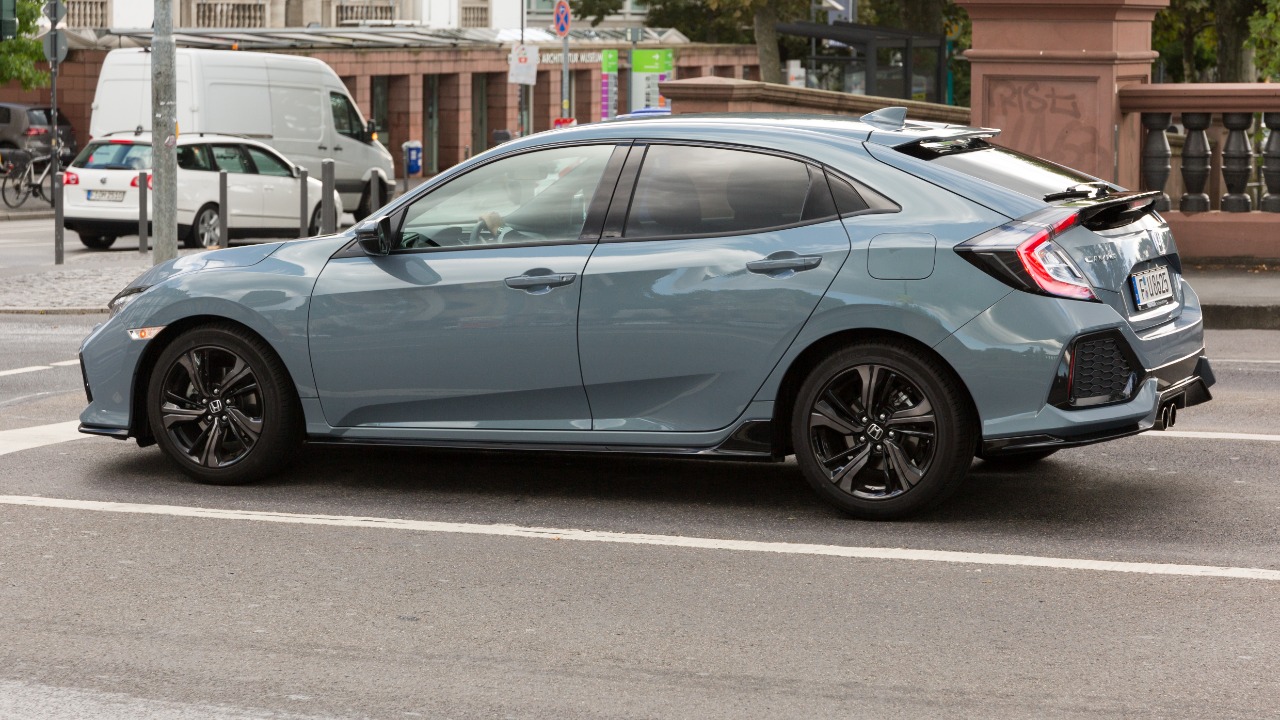
The Civic is a benchmark for dependable transportation, but a few CVT-equipped years drew judder complaints that surprised the model’s devoted fans.
Drivers noticed a vibration at low speeds and hesitation when accelerating, symptoms uncharacteristic of a car known for going the distance. Honda addressed many cases under warranty, yet the episode showed that even a reliability icon was not immune to the growing pains of continuously variable transmission design. For a nameplate that built its reputation on effortless longevity, the complaints served as a reminder that new technology can trip up even the most trusted engineering teams.
9. Mitsubishi Outlander: Whines and slips as miles pile up
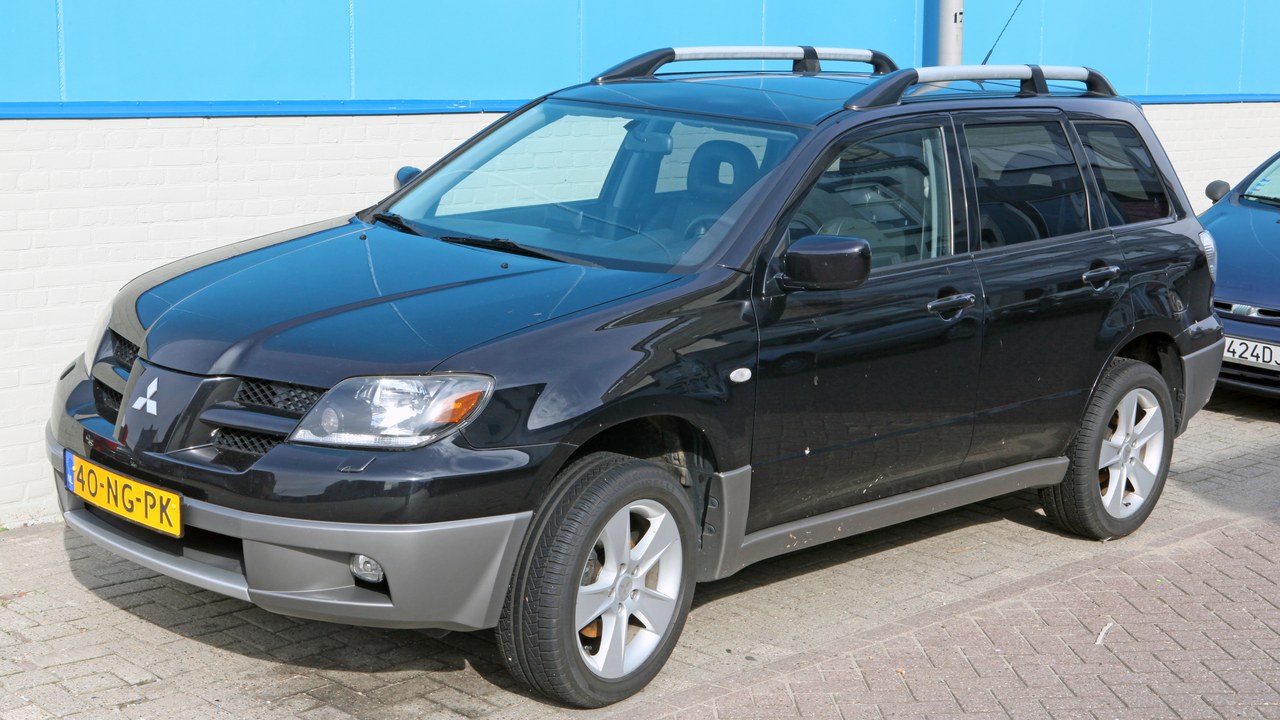
The Mitsubishi Outlander relies on a CVT that can begin to whine and slip as the odometer climbs into higher territory.
Owners describe a gradual decline rather than a sudden failure, with rising noise and inconsistent power delivery signaling trouble ahead. For a crossover marketed on value and long warranties, the drivetrain’s tendency to weaken with age undercuts the sense of long-term security that first drew many buyers to the brand. Regular fluid service can delay the worst of it, but once slipping sets in, drivers often face a rebuild or replacement that erases the crossover’s budget-friendly appeal entirely.
10. Chrysler 200: A different gearbox, the same headaches
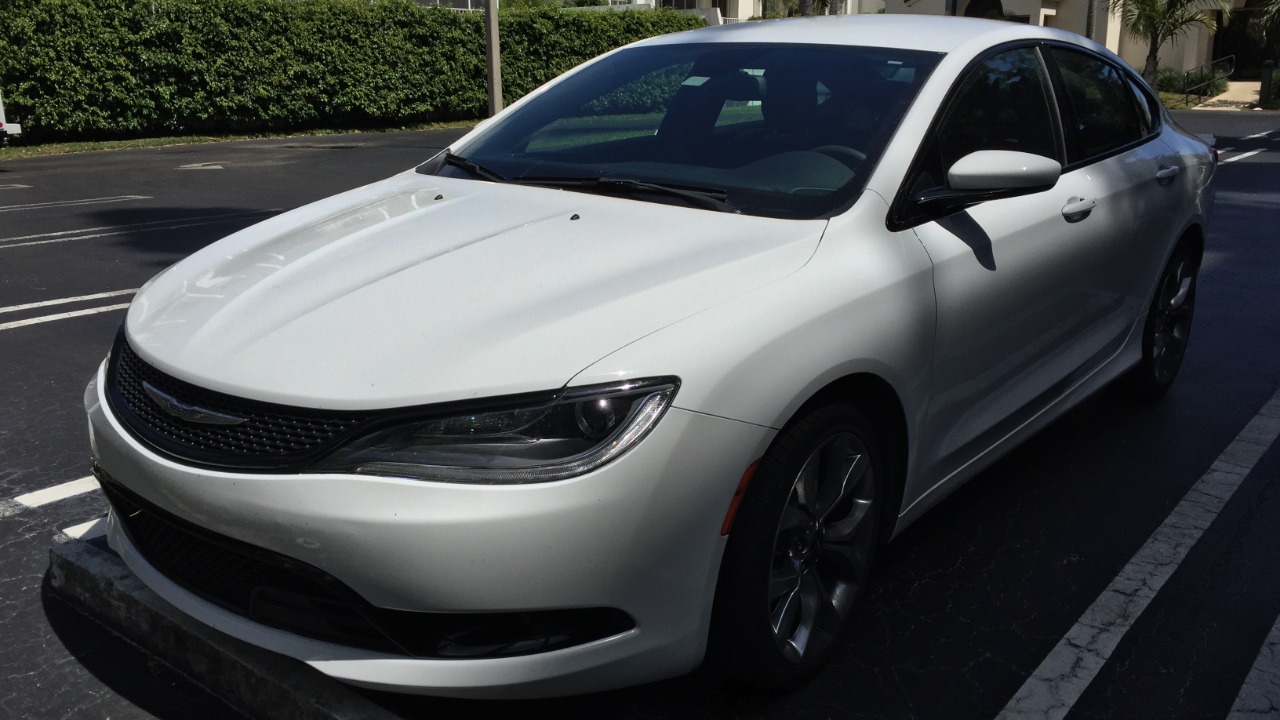
Rounding out the list, the Chrysler 200 earned its spot through a troubled nine-speed automatic that frustrated owners in much the same way a bad CVT would.
Rough shifts, hesitation, and software glitches plagued the sedan from launch, and repeated updates never fully cured the complaints. The transmission woes contributed to the model’s short life, a reminder that any gearbox rushed to market, continuously variable or not, can leave drivers stranded and disappointed. Buyers attracted by the sedan’s sleek styling and aggressive pricing often traded that value away in repeated trips to the dealer chasing a fix that never fully arrived.
More from Morning Overview
- The Pentagon’s newest UFO files describe a fish-scaled, potato-shaped object on camera
- Scientists spotted a rare tusked whale alive at sea for the first time, then fired a crossbow at it.
- A Colorado wildfire forced level-three ‘leave now’ orders across Ouray County
- A skeleton beneath Petra’s Treasury was found clutching a chalice that resembles the Holy Grail
