
A rubber timing belt is a wear item with a hard deadline, and on an interference engine it takes the valves with it when it lets go. Shops rarely touch the belt alone, since the water pump, tensioner and idler pulleys sit behind the same covers. Here are ten vehicles whose belt service has earned a reputation for stinging.
1. Honda Odyssey: The Minivan That Bills Like A Sports Car
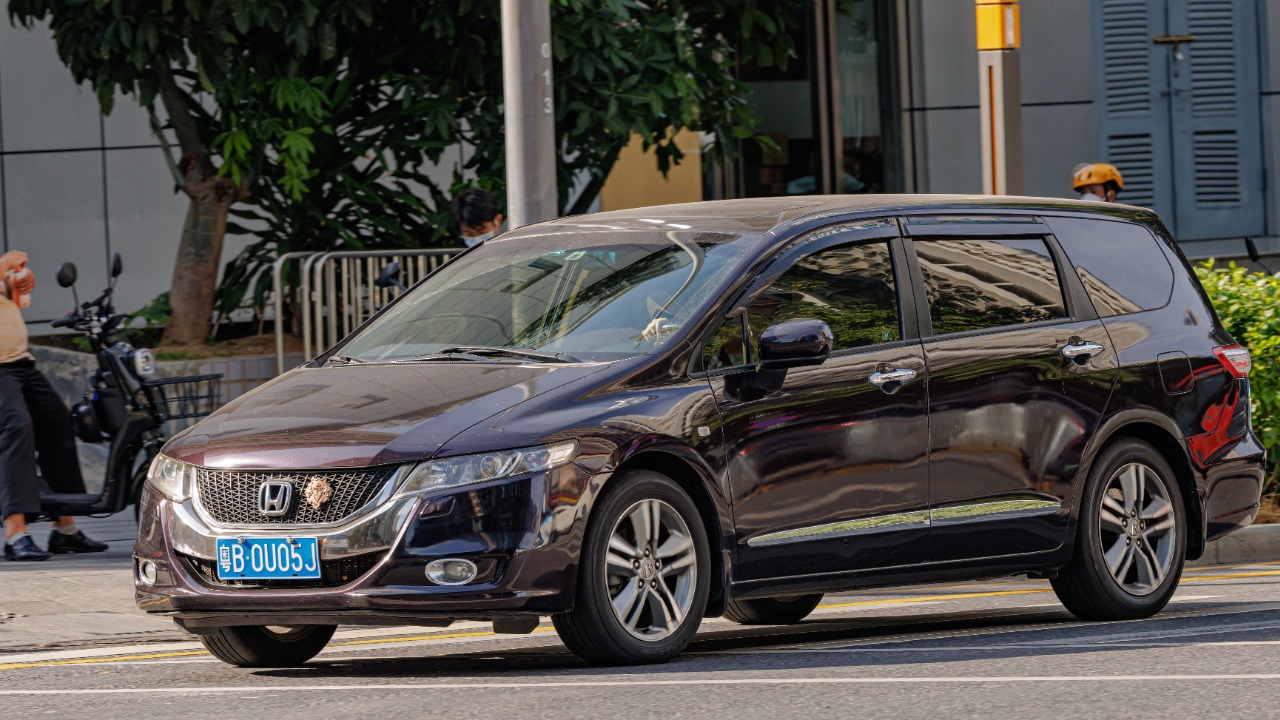
Honda has long driven the camshafts on its transverse V6 with a rubber belt rather than a chain, and the Odyssey minivan buries that belt against the passenger-side wheel well. Reaching it means removing the accessory drive, a motor mount and a stack of covers, so labor dominates the invoice rather than parts.
Because the layout is an interference design, a sheared belt leaves pistons and valves competing for the same space. Most shops replace the water pump, tensioner and idlers in the same teardown, since doing them separately would mean paying for the disassembly twice.
2. Subaru Outback: Two Cylinder Banks, Twice The Pulleys
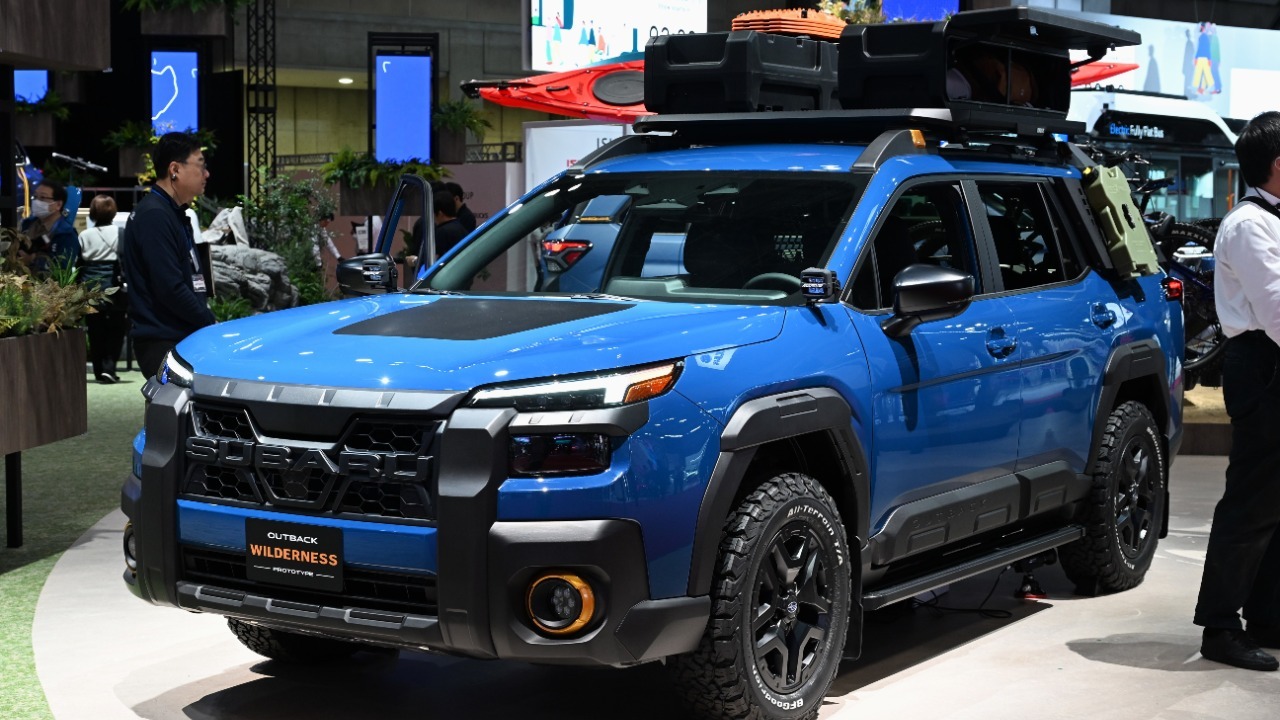
Boxer engines complicate the arithmetic, because the flat-four splits its cylinders into two banks and the belt on earlier Outback wagons must loop across camshafts on both sides along with several idlers and a tensioner. Every one of those pulleys is itself a wear part, and a seized idler can throw a belt as surely as age can.
Later Subaru fours moved to a chain, which is why the belt question tends to sort used listings by generation. On an older example, a documented kit replacement is worth real money at trade-in.
3. Volkswagen Passat: Front End Off Before The First Bolt
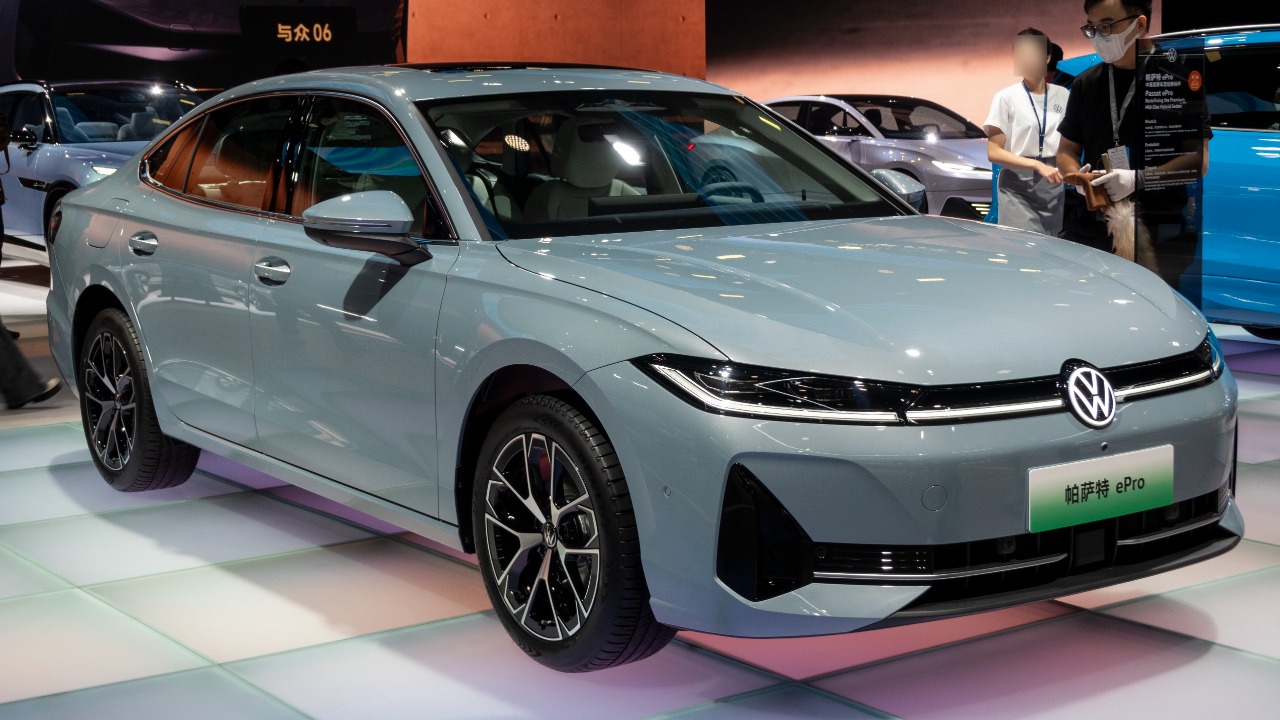
German four-cylinders of the 1990s and 2000s placed the belt at the nose of a tightly packed bay, and the Passat’s engine layout in several generations made access worse by putting the cooling stack and front bodywork in the way. Technicians frequently slide the entire front carrier forward just to reach the crankshaft pulley.
The belt also turns the water pump on many of these engines, so coolant weeping is the usual sign that the interval is overdue. Deferring the work on an interference design risks bent valves rather than a simple roadside tow.
4. Acura MDX: Luxury Labor Rates, Familiar Hardware
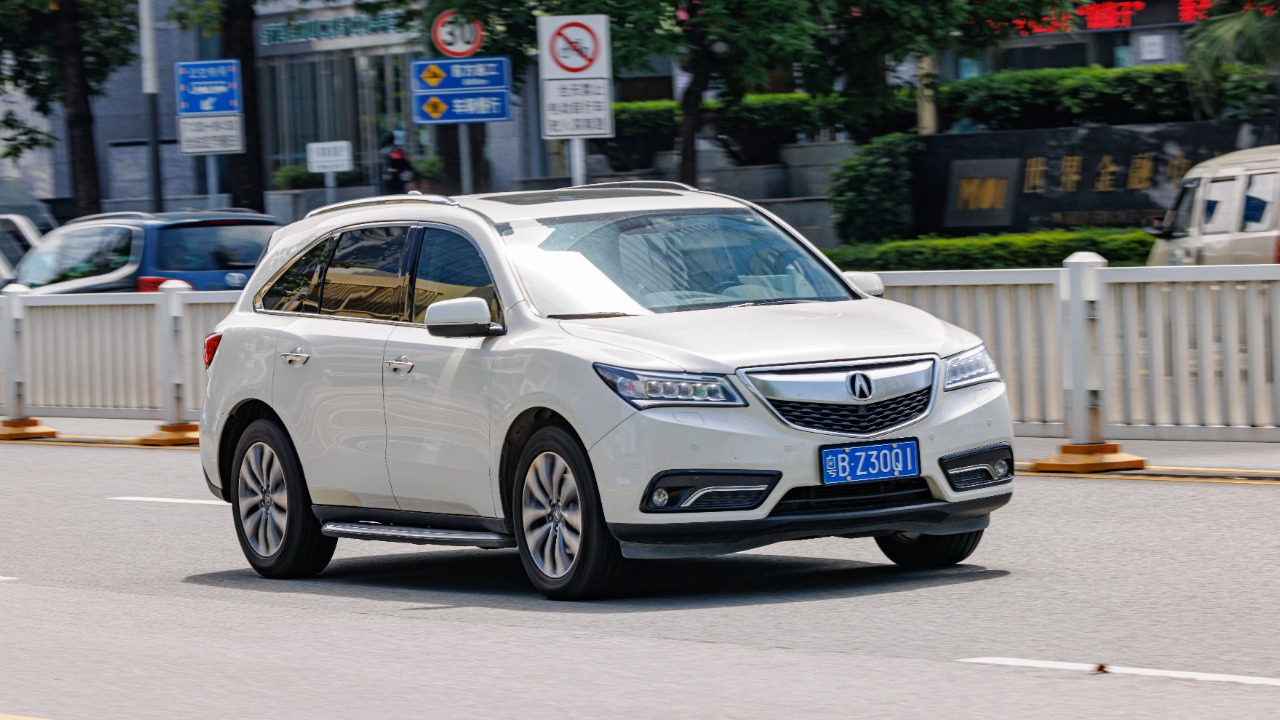
Sharing Honda’s V6 architecture means the MDX crossover inherits both the belt-driven camshafts and the awkward access that comes with them. The engine sits sideways, so a wheel, the splash shield and assorted brackets come off before a technician ever sees the timing cover.
Premium-badge shop rates compound that geometry, and dealers typically bundle the pump, seals and accessory belts into a single quote. Deferred service is common by the third or fourth owner, which is why a receipt for the job is a strong signal in a used listing.
5. Honda Pilot: Family Miles Arrive Before The Wear Shows
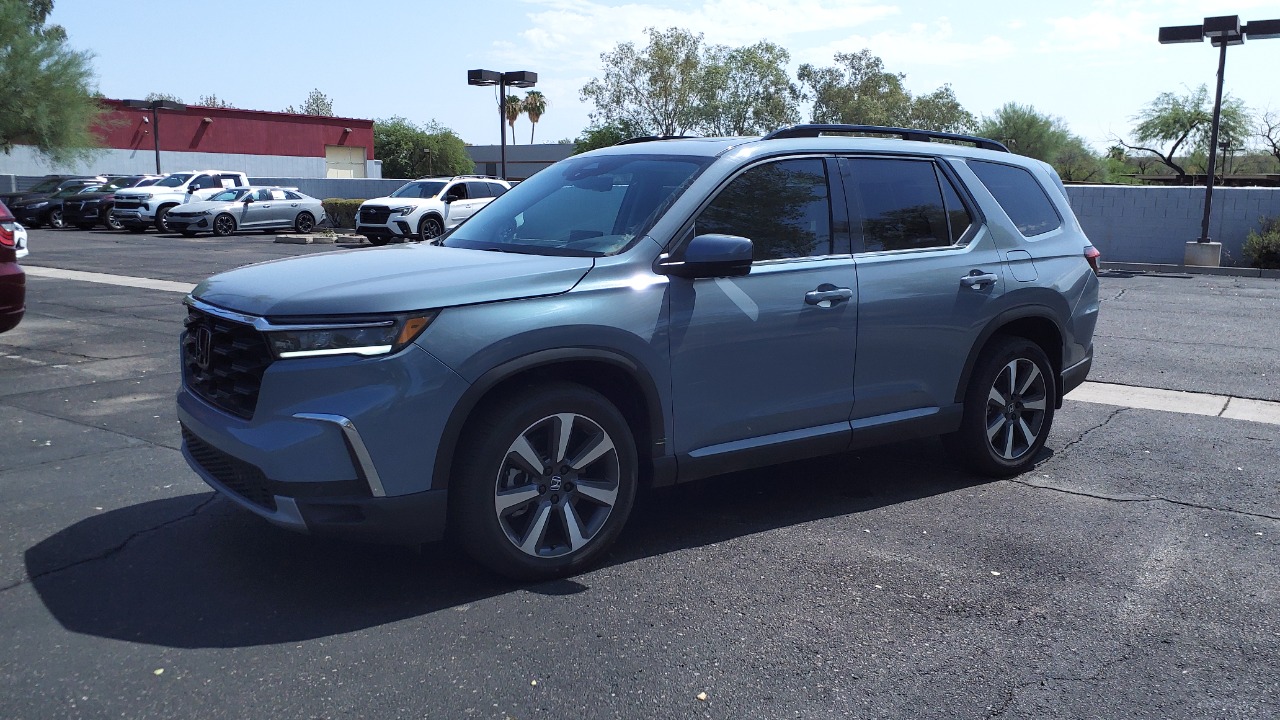
Honda’s three-row SUV runs the same family of belt-driven V6 engines, and the Pilot’s engine bay is packed tightly enough that the service consumes an afternoon rather than a service-lane slot. The consequence of a failure is mechanical rather than merely inconvenient, since the valves and pistons share space when timing is lost.
Mileage accumulates quickly on a vehicle used for school runs and road trips, so the interval often arrives while the SUV still looks close to new. Shops quote a kit rather than a belt, because the pump and pulleys behind the cover wear on a similar schedule.
6. Kia Sorento: The Truck Era Job Nobody Expects
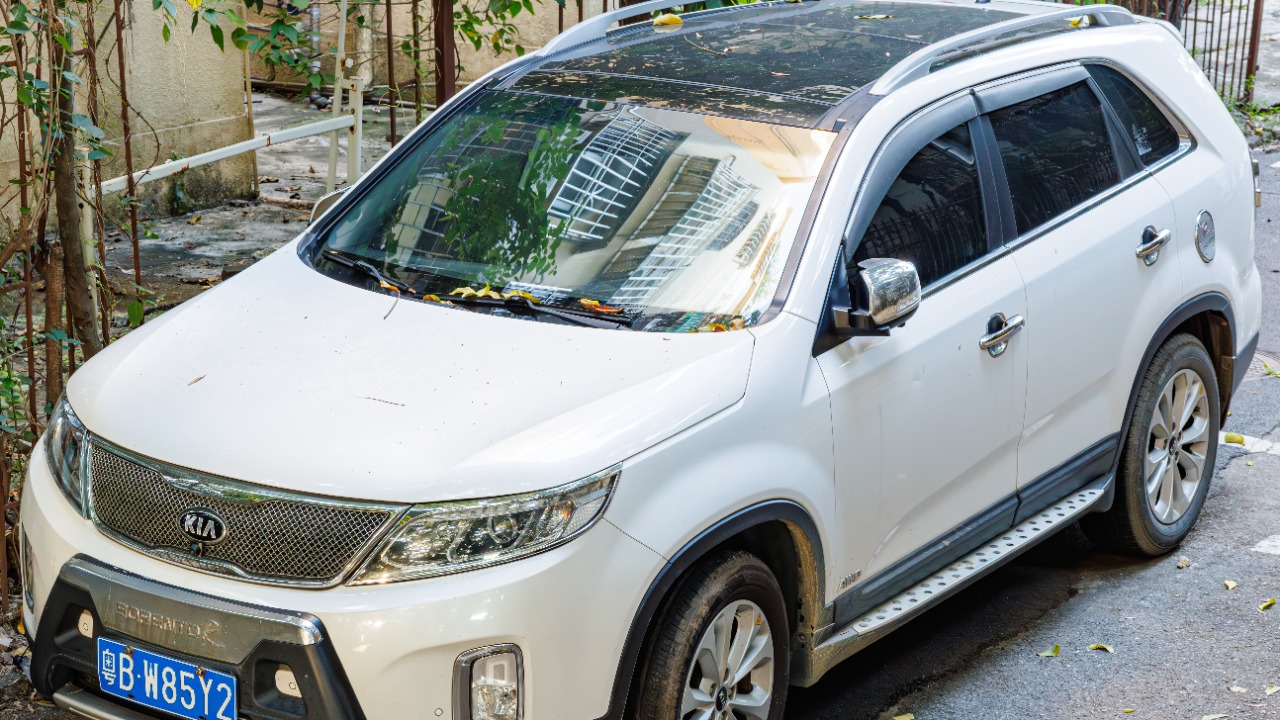
The first-generation Sorento SUV arrived as a body-on-frame model with a belt-driven V6, a combination that pushes the timing cover deep behind the accessory drive in a narrow bay. Later versions moved to chain-driven engines, so the expensive service belongs to those earlier trucks rather than the crossovers carrying the name now.
Parts for these remain inexpensive, but the hours do not, and that ratio is what catches owners off guard. A kit with pump and seals is standard practice for the same reason it is elsewhere on this list.
7. Hyundai Santa Fe: A Few Model Years Change Everything
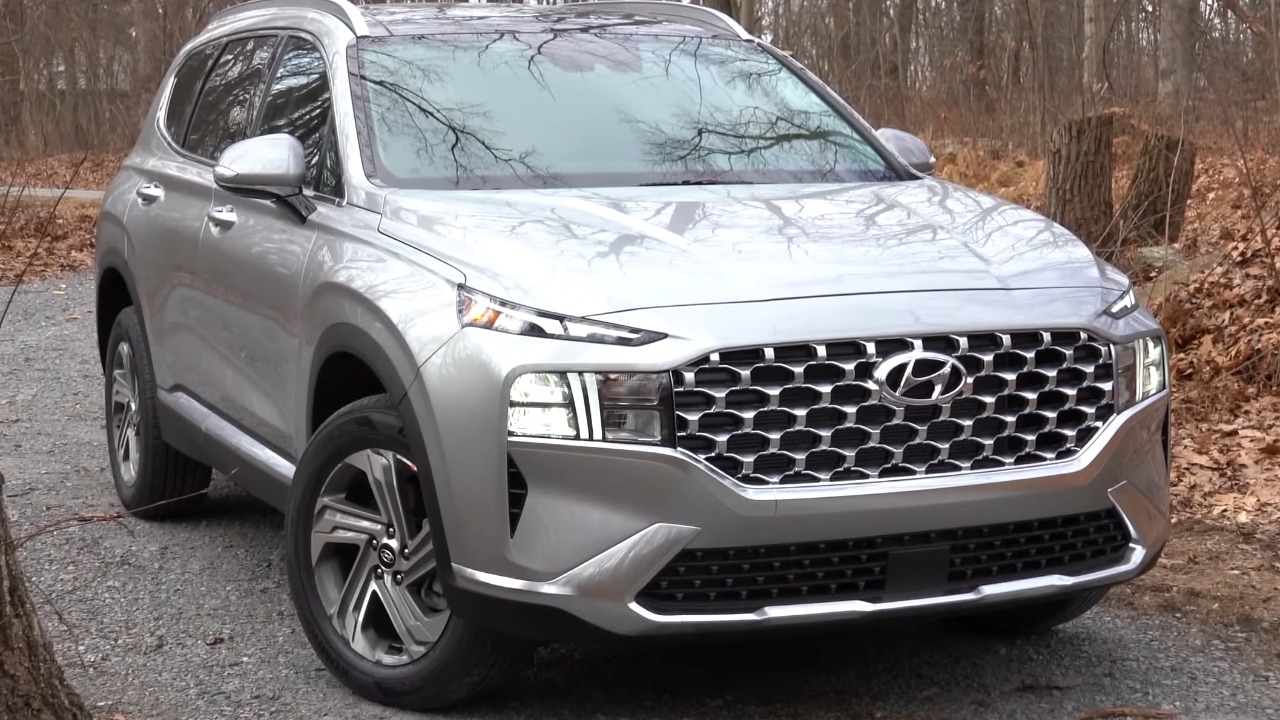
Early Santa Fe crossovers used a belt-driven V6 that carries the era’s basic problem, in that the belt lives behind covers, brackets and the accessory drive, and much of the front of the engine must come apart to reach it. Hyundai’s later engines adopted chains, which retired the interval on newer cars entirely.
That split matters most in the used market, where two examples built a few years apart carry very different maintenance obligations. A seller who cannot produce a belt receipt on an older one is effectively discounting the vehicle.
8. Volkswagen Jetta: The Diesel That Made The Interval Famous
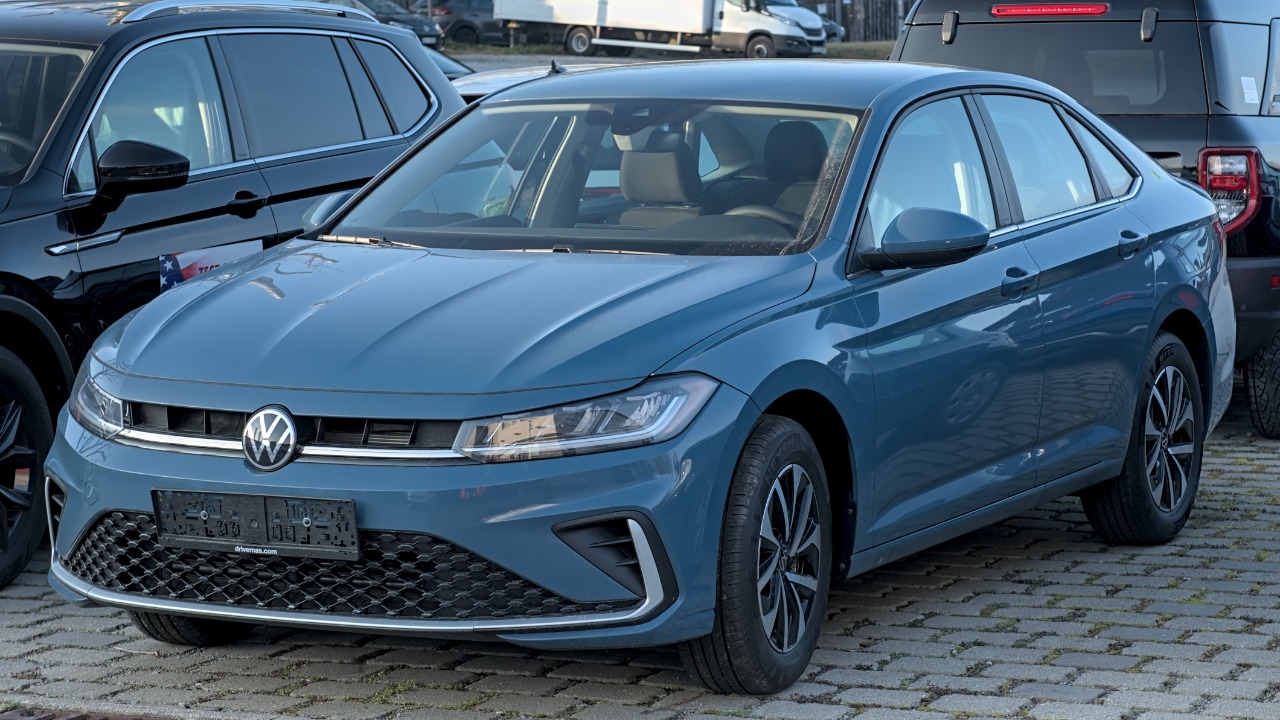
Diesel versions of the Jetta lineup gave the belt its reputation, because the turbodiesel four is an interference engine whose belt also turns cooling and injection hardware. Nothing about the failure mode is gentle, and a belt that jumps a few teeth can bend valves before the car coasts to the shoulder.
Specialists treat the work as a kit of tensioner, rollers and pump, and many add the serpentine belt while the front of the engine is already open. Owners of diesel examples tend to treat the published interval as non-negotiable.
9. Mitsubishi Outlander: Cheap Parts, Expensive Access
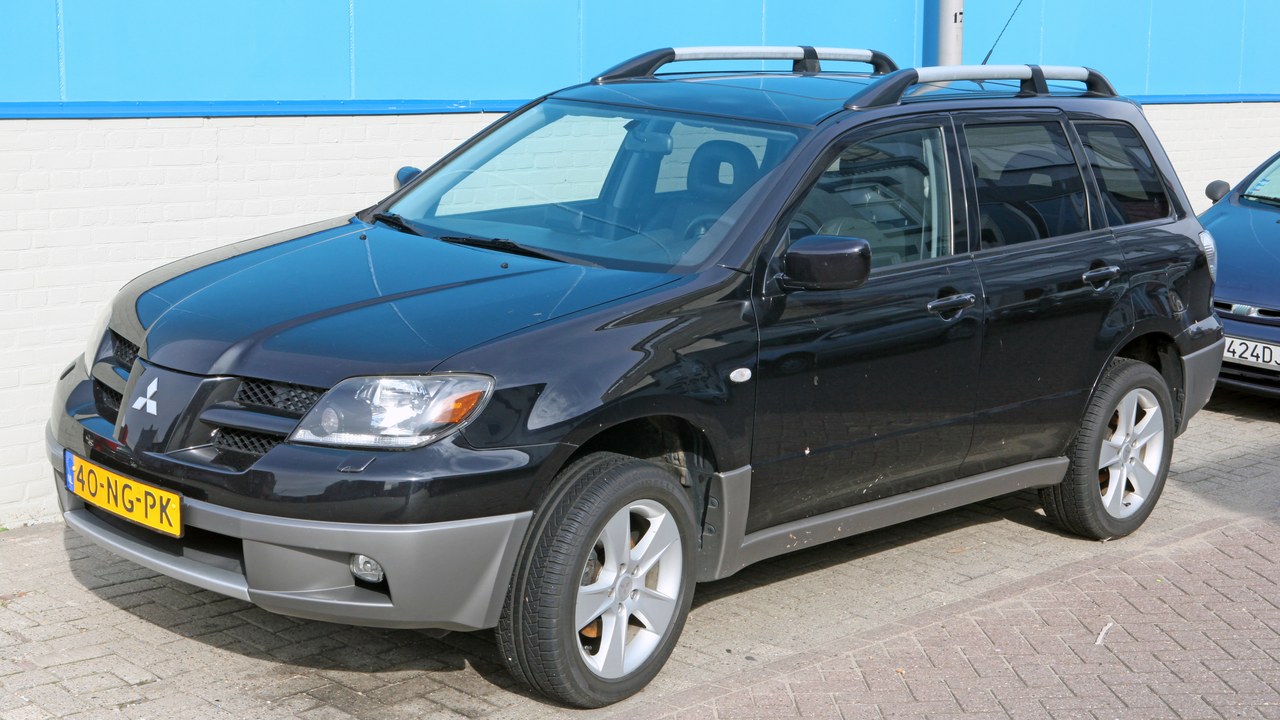
The earliest Outlander crossovers used engines from Mitsubishi’s older belt-driven families, before the company shifted to chain-driven designs, and the service that comes with them is the familiar one: covers, mounts and pulleys off, belt and tensioner replaced together. The components cost little, while the disassembly does not.
Values on the first generation have fallen far enough that a full belt service can approach a meaningful fraction of what the vehicle is worth. That arithmetic is why so many are sold rather than serviced once the interval comes due.
10. Audi A4: Pump Included, Whether Or Not It Leaks
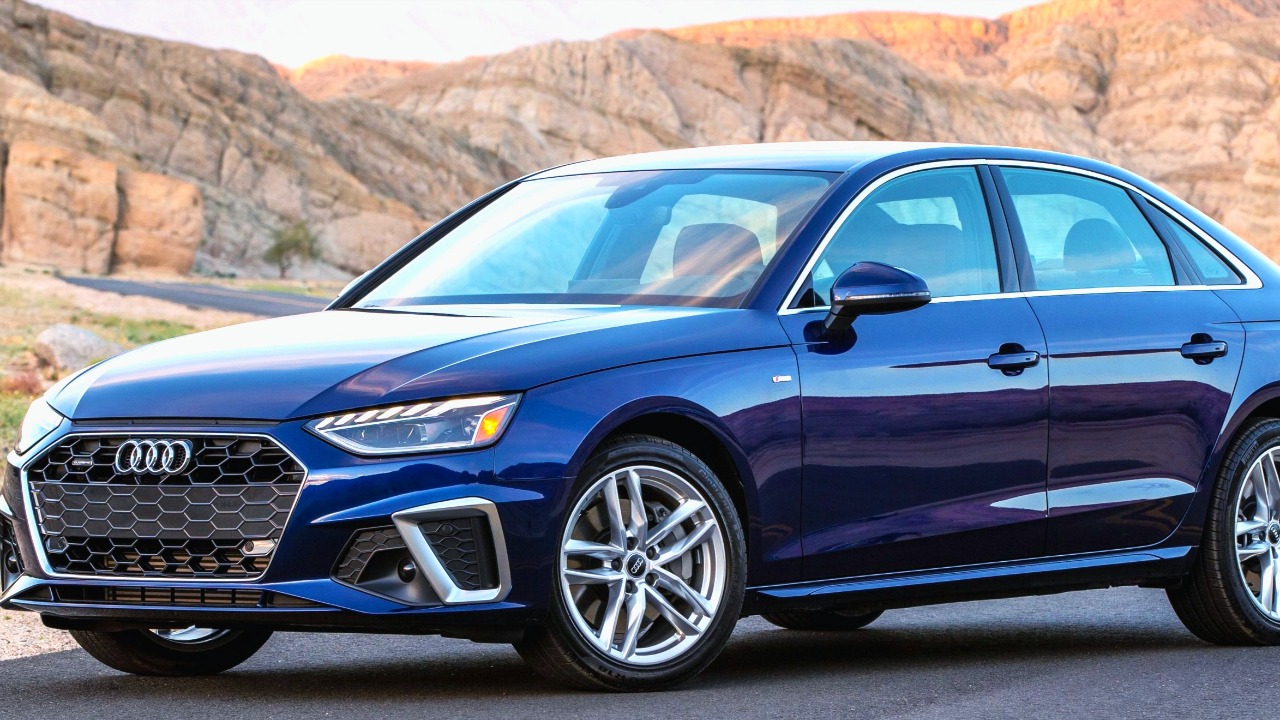
Turbocharged four-cylinder A4 sedans from the early 2000s paired a belt-driven interference engine with a bay packed tight against the radiator support. The belt turns the water pump on these cars, which makes the pump a mandatory line on any honest quote rather than an upsell.
Independent Audi specialists treat the interval strictly, since a failure takes the cylinder head with it and ends most repair discussions. On a car of this age, a documented belt and pump replacement often matters more to a buyer than the odometer reading.
More from Morning Overview
- The NSA is again telling phone owners to switch off one location setting
- A handful of car transmissions are so tough mechanics say they almost never fail
- A handful of SUVs keep hitting 300,000 miles, and they share one engine trait
- Supplements now rank as the fifth-leading cause of death from liver disease.
