
Rust rarely announces itself. It starts inside a rocker panel, behind a wheel arch or along a frame rail, and by the time paint bubbles the metal underneath is already thin. Here are ten vehicles with corrosion reputations earned in salt-belt driveways, and the specific places each one tends to give way first.
1. Chevrolet Cavalier: The Rocker Panel Warning
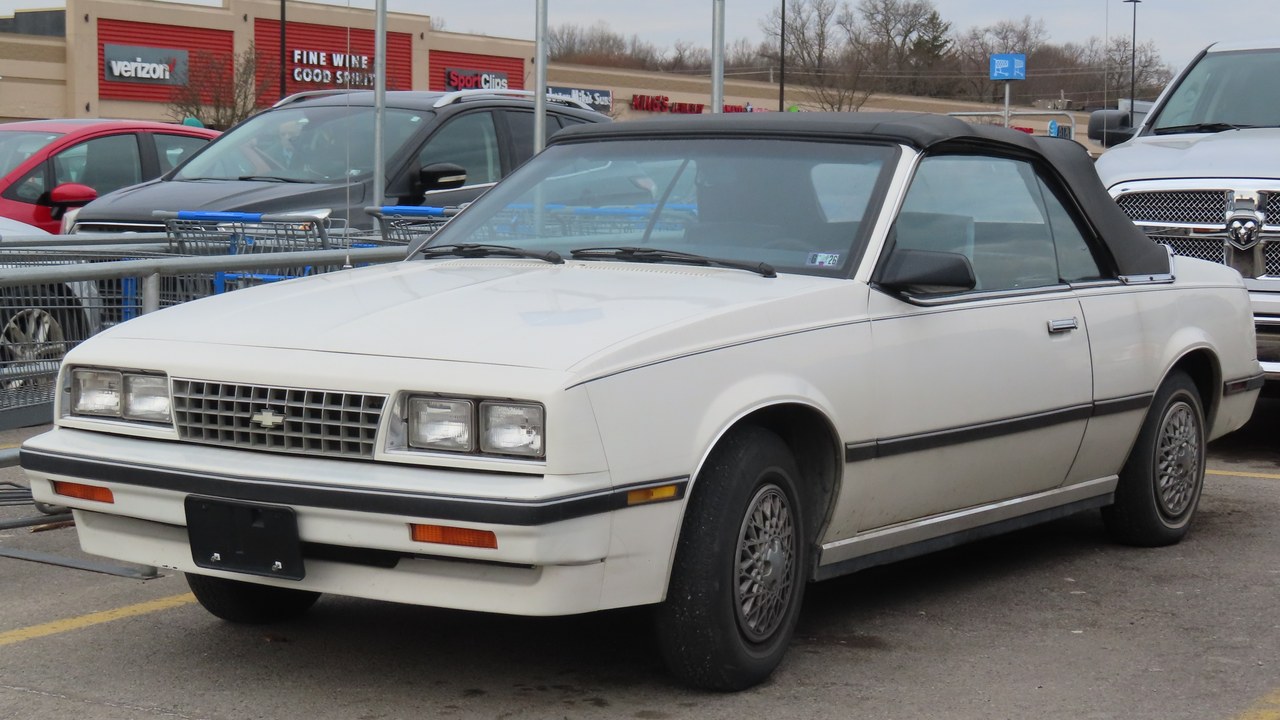
Built in enormous numbers as an economy compact, the Cavalier earned its reputation as much for what fell off as for what it cost. Rocker panels and front fender lips softened early, often while the drivetrain still ran, and the pattern was common enough that this front-drive Chevrolet compact became a standing cautionary tale about thin, lightly protected sheet metal meeting road salt.
Anyone evaluating a survivor should start at the seams, jack points and lower doors rather than the engine bay, because structural rot in those areas costs far more to repair correctly than it does to walk away from.
2. Toyota Tacoma: Frames Bought Back
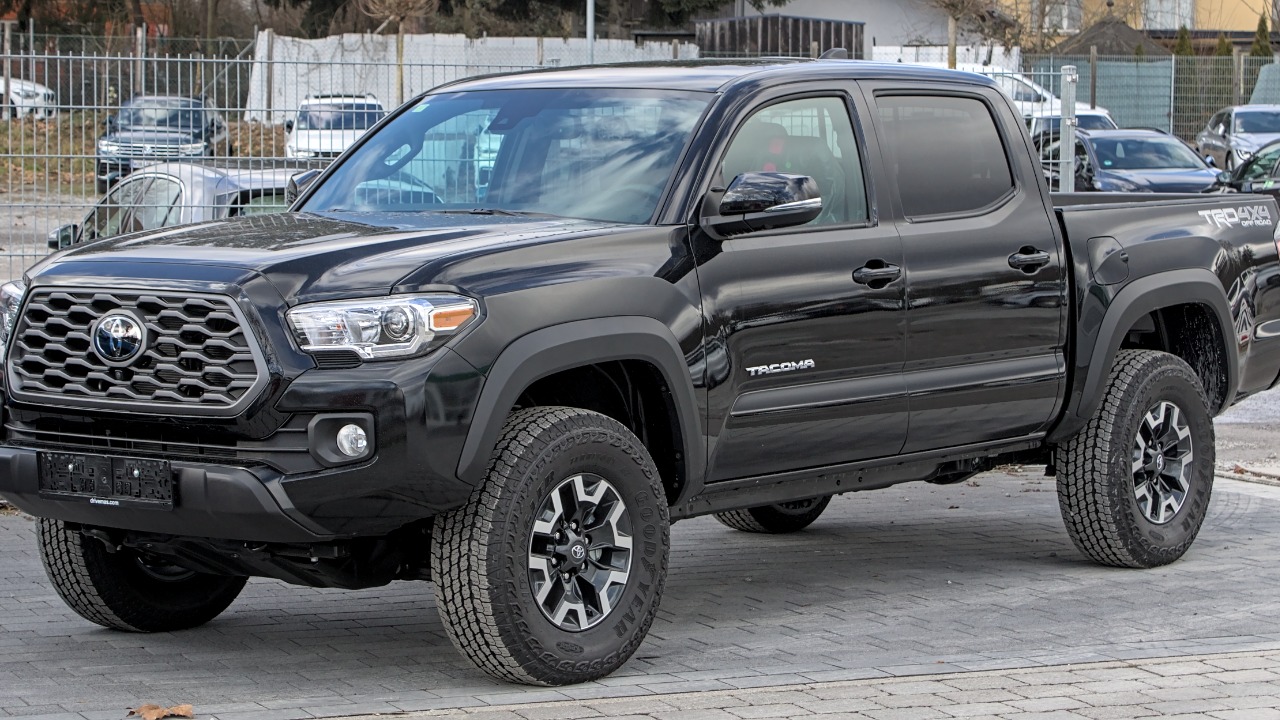
Few corrosion stories ended as expensively as this one: rust in the ladder frames of earlier Tacoma pickups escalated into a recall campaign and, for trucks judged too far gone, outright buybacks from the manufacturer. Inspections centered on perforation severe enough to compromise the rails, which is why the midsize Toyota pickup is still shorthand for frame rot despite its mechanical reputation.
Later generations use different frame treatments, but any older example deserves a trip up on a lift, where a screwdriver pushed against the rails tells more than any paint finish visible from above.
3. Ford Ranger: Bed Rails And Cab Corners
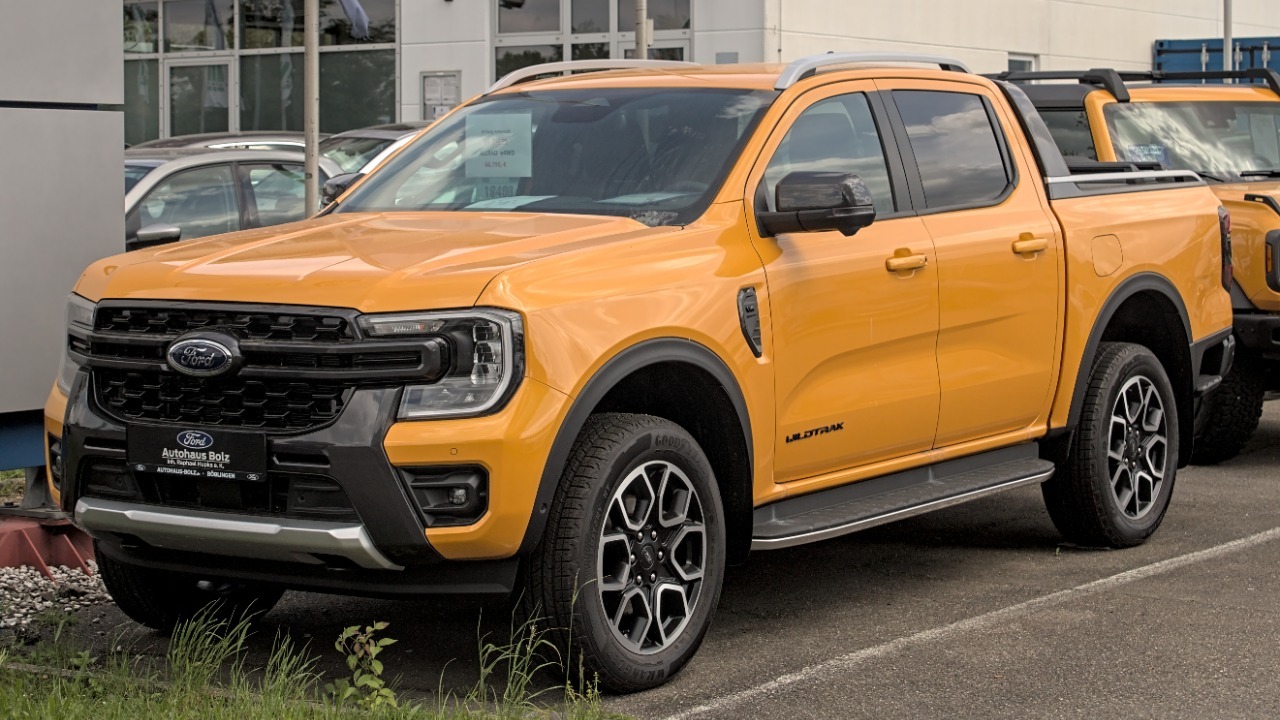
Salt-belt Rangers tend to fail from the outside in, with bed sides, wheel arches and the cab corners just behind the doors thinning while the mechanicals soldier on. Those panels sit directly in the spray path of the rear wheels and collect grit that holds moisture against bare steel, a weakness the compact Ford pickup wears especially visibly.
Replacement bed sides and cab corner patches are widely available, which keeps repair costs sane, though a rotted bed mount or cab floor is a different and much larger project.
4. Nissan Sentra: Subframes Under Pressure
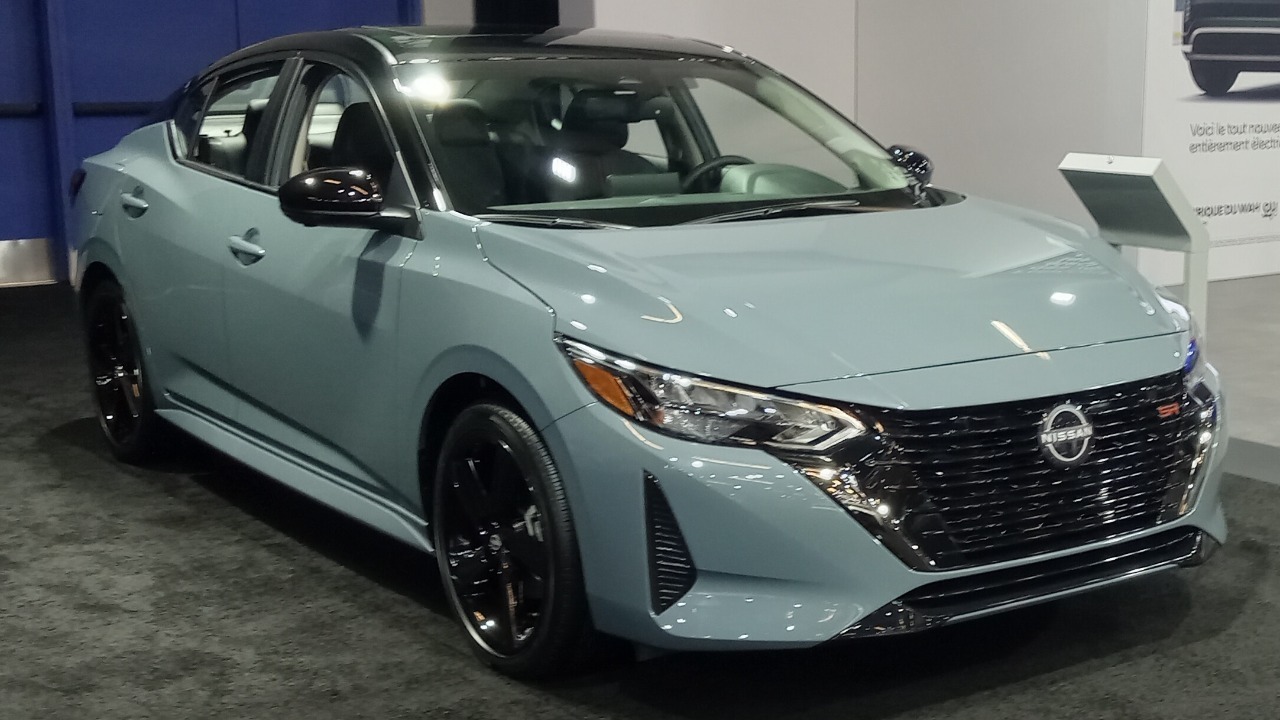
Corrosion on higher-mileage Sentras shows up in two places that matter for different reasons: the wheel arches, which are cosmetic until they are not, and the subframe, which carries suspension loads. Rust that reaches mounting points on a compact Nissan sedan turns a cheap used car into an inspection failure, since a perforated subframe cannot simply be patched and painted over.
A car showing bubbling above the rear wheels is worth inspecting from below, where the same salt exposure has usually been working on suspension pickup points for years without any visible sign.
5. Chevrolet Silverado: Cab Corners Give First
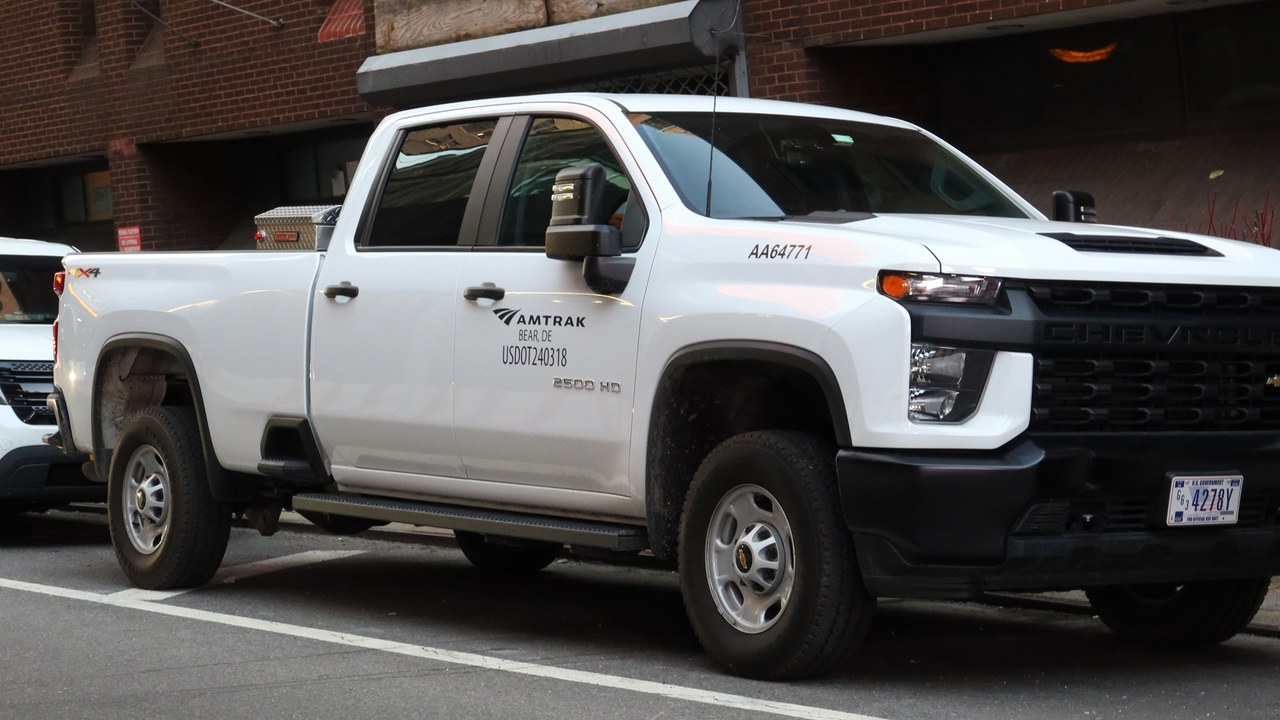
Trucks from the 2007 to 2013 run developed a well-mapped rust pattern, with cab corners and rocker panels rotting from the inside where drain paths clog and hold brine. Body shops see the same repair on the full-size Chevrolet pickup often enough that stamped replacement panels are stocked as routine inventory rather than special-order items.
The damage is usually cosmetic first and structural later, so a truck with fresh paint low on the cab deserves more scrutiny than one wearing honest surface rust in the open. Bubbling that returns within a season generally means filler was laid over untreated metal.
6. Subaru Outback: Bubbles Above The Rear Wheels

Northern-climate Outbacks develop a signature blemish along the rear quarter panels, where the arch lip traps salt spray and paint lifts in small blisters that spread along the seam. Popularity in exactly the states that salt most heavily means the Subaru wagon body accumulates that exposure faster than its mileage suggests.
Because the affected area is a structural outer panel rather than a bolt-on fender, proper repair means cutting and welding instead of swapping parts, which is why many owners simply live with it. Underbody coating applied before the first winter costs a fraction of that bodywork.
7. Volkswagen Jetta: Drains That Stop Draining

Water is supposed to leave a Jetta through channels rather than sit in it, and rust follows when it does not: sunroof drain tubes clog with debris, door bottoms hold whatever gets past the seals, and metal corrodes from the inside where no wash reaches. That routing makes the Volkswagen compact sedan a maintenance case as much as a materials case.
Clearing the drains is a low-cost seasonal task, but by the time carpets feel damp or paint bubbles along a door seam the corrosion has usually been underway for several winters.
8. Dodge Ram: Where The Bed Meets The Frame
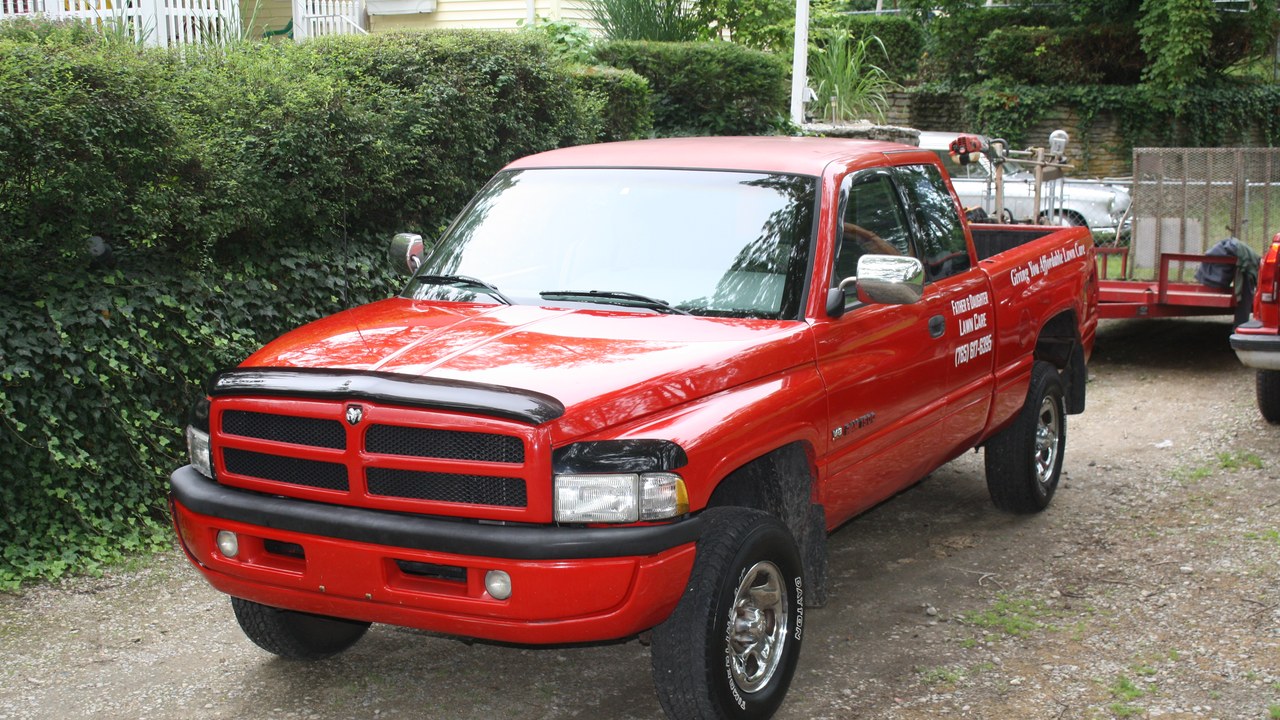
Rust on earlier Rams concentrates at mounting hardware rather than visible panels, attacking bed mounts and cab mounts where trapped grit, dissimilar metals and constant flexing meet. Failure at those points on a full-size Dodge pickup is more consequential than a rotted fender, because the body’s location on the frame depends on them.
Bodies that have shifted, doors that stop closing squarely and a bed sitting unevenly against the cab are the usual symptoms, and all of them point underneath rather than at the paint. Mount replacement is straightforward work caught early and fabrication work when it is not.
9. Kia Sportage: Seams From The Earliest Trucks

The original Sportage arrived as an inexpensive compact off-roader and showed its price in the body seams, which proved prone to rust where panels were joined and sealed. Corrosion starting at those welds and pinch seams spread outward on the first-generation Kia crossover, quickly enough that few early examples remain intact in salted regions.
Later Sportage generations were built to different standards, so the reputation belongs to the earliest trucks specifically rather than the nameplate, a distinction worth keeping straight when shopping used. Seam sealer that has cracked or been repainted over is the tell.
10. Chevrolet Colorado: Frames That Age Early
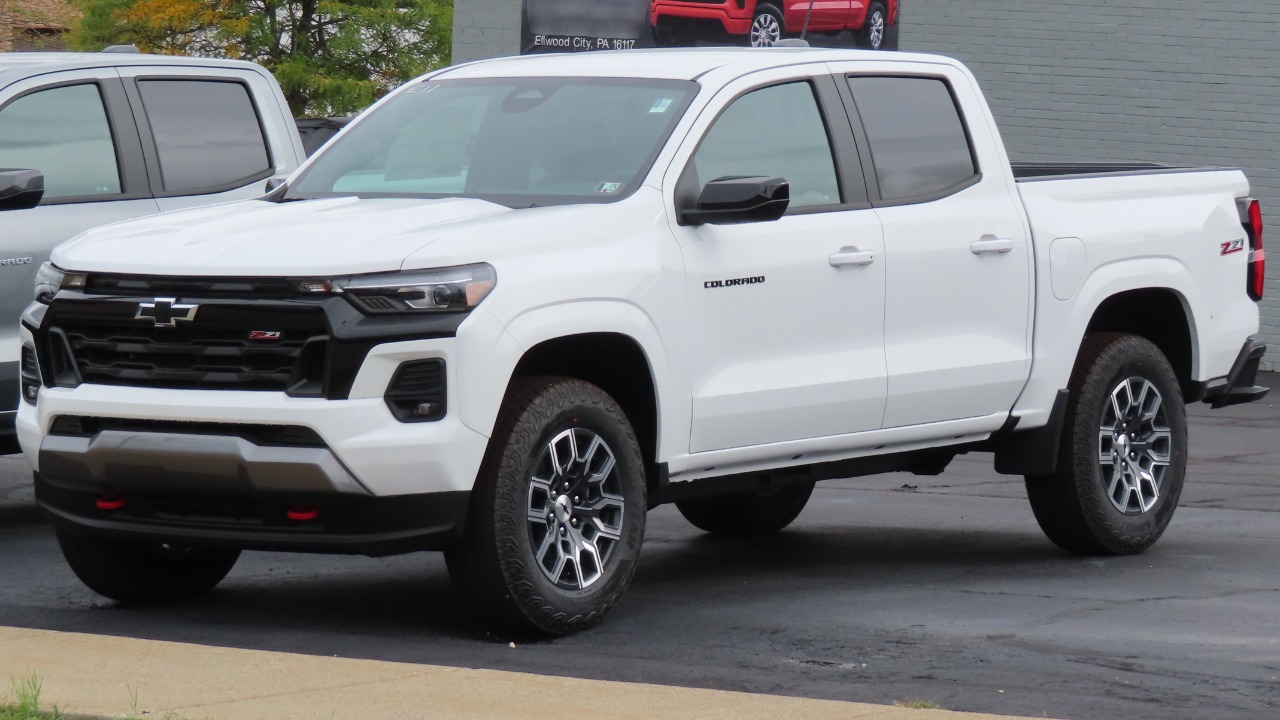
Colorado pickups driven on salted roads show corrosion sooner than their odometers imply, with frame rails and the bed floor taking the worst of it while the cab still looks presentable. Salt collecting inside the boxed sections of the midsize Chevrolet pickup keeps working through winter thaw cycles long after the exterior has been washed.
That mismatch between a clean body and a compromised frame is what makes an underside inspection non-negotiable on any example from a northern state, regardless of how the paint presents. Frame repair, unlike panel work, rarely makes financial sense.
More from Morning Overview
