
Rear-wheel steering has moved from a Porsche coupe in 1977 to electric trucks and luxury sedans today. The list covers sports cars, pickups and a flagship sedan, each tied to a documented moment in the technology. One of them cuts its turning circle to 35.7 feet, and the gallery below counts ten.
1. Porsche 928: The Weissach Axle Debut
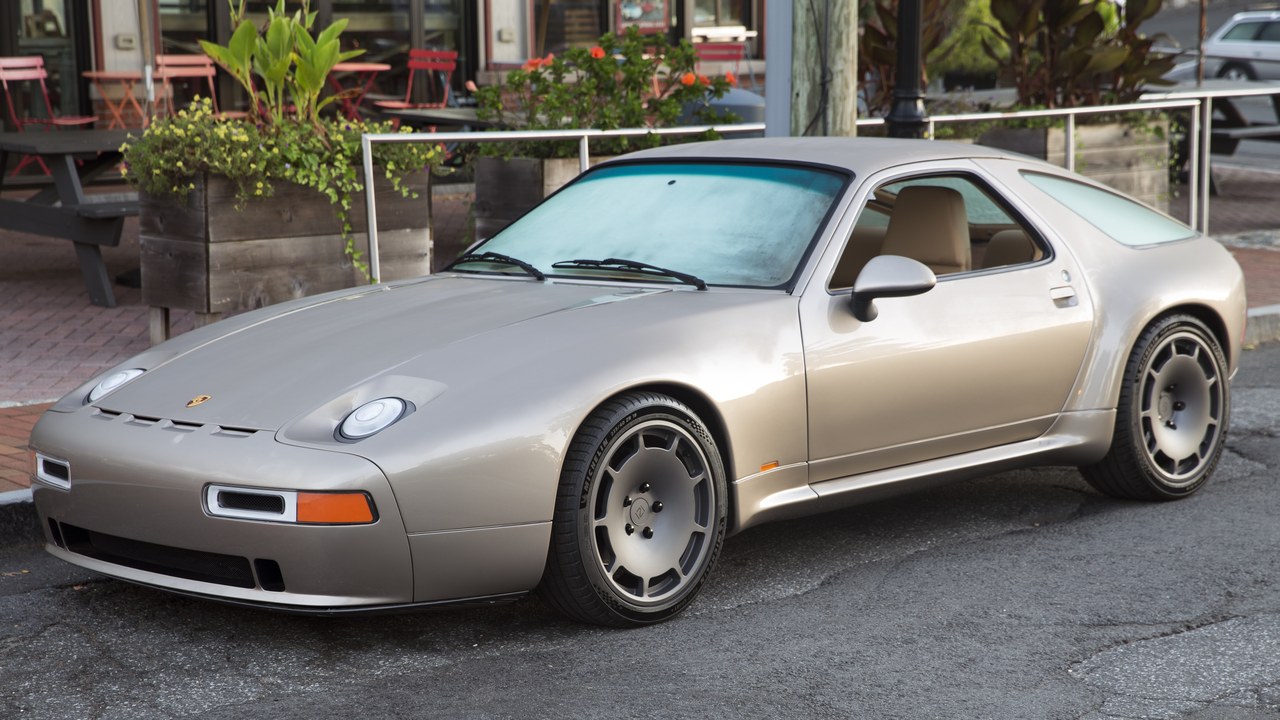
Porsche first introduced four-wheel steering in 1977 on the 928, using the passive rear-axle setup known as the Weissach Axle, according to a J.D. Power guide to rear-axle steering.
The setup was passive, so it worked differently from the active systems that arrived later, beginning with Nissan in 1985. Even so, the grand-touring coupe sits at the start of the timeline for rear-wheel steering on production cars, long before the feature spread to trucks and electric models, and the Weissach Axle name still marks the starting point.
2. Nissan Skyline: First Active System
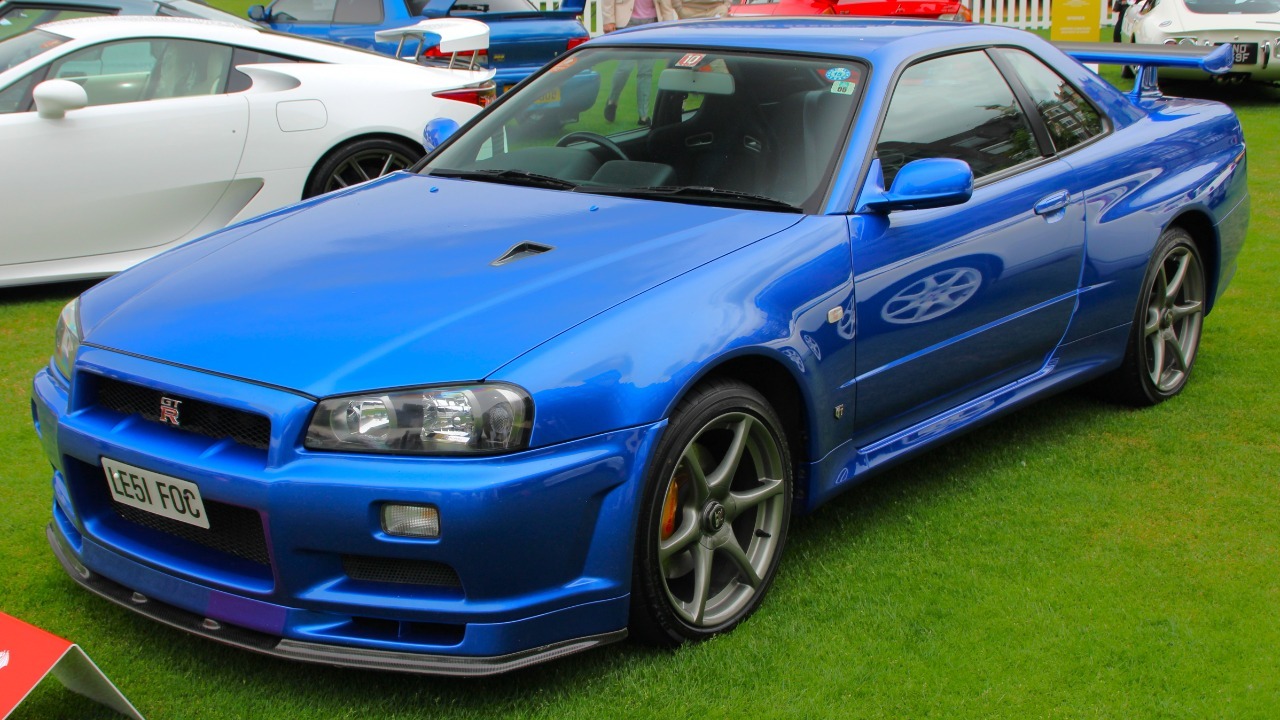
In 1985 Nissan introduced the first active four-wheel steering system, on the R31 Skyline for the Japanese market, as described in a J.D. Power explainer on rear steering.
The detail of the market matters, since the system debuted in Japan rather than worldwide. The Skyline is the car that later reappeared in the lineage of Nissan’s Super HICAS setup, and it marks the point where rear steering shifted from a passive arrangement to an actively controlled one, which is the distinction the guide draws between the Porsche and the Nissan.
3. Honda Prelude: Honda’s 1987 Answer
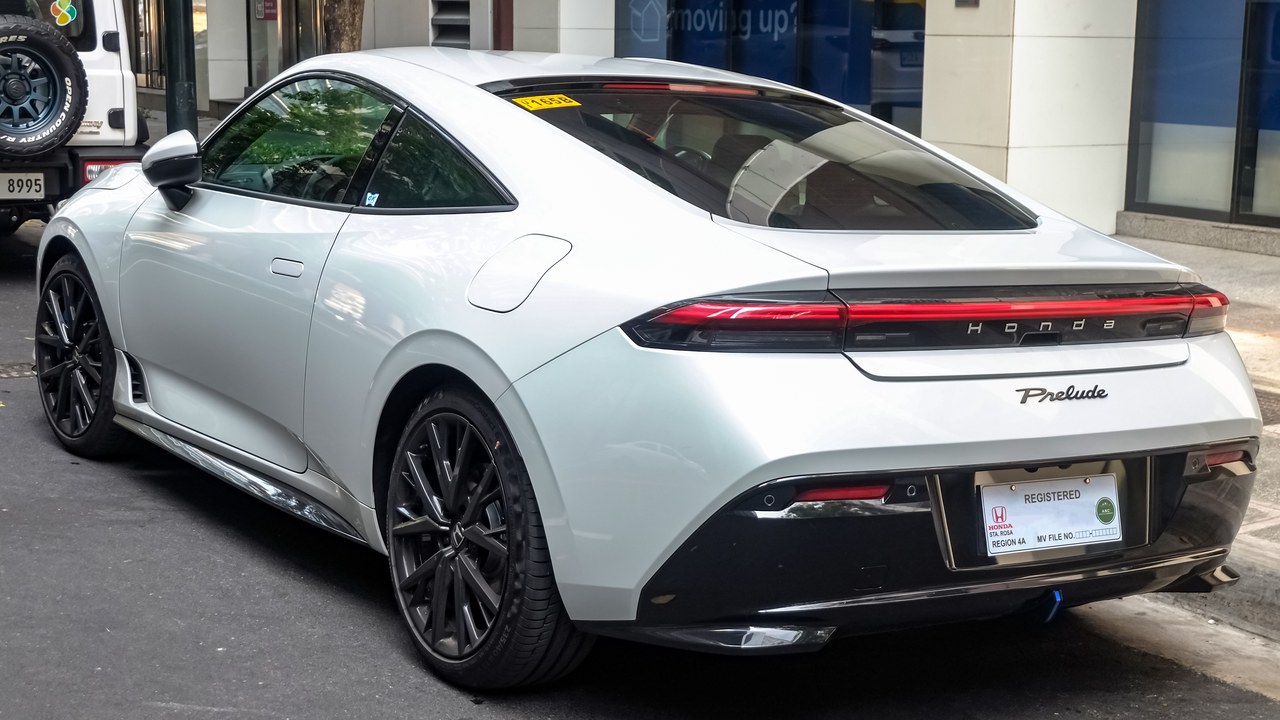
Honda equipped the Prelude with a four-wheel steering system in 1987, a move recorded in a J.D. Power rear-axle steering guide.
That timing placed the sporty coupe alongside Nissan and Mazda in the late-1980s rush by Japanese makers to add steering to the back wheels. The source gives only the year and the fitment, so the specific mechanism, whether mechanical or electronic, is not covered here, and details such as trim availability by market are left open, along with how many cars were actually built with it.
4. GMC Hummer EV: CrabWalk Mode
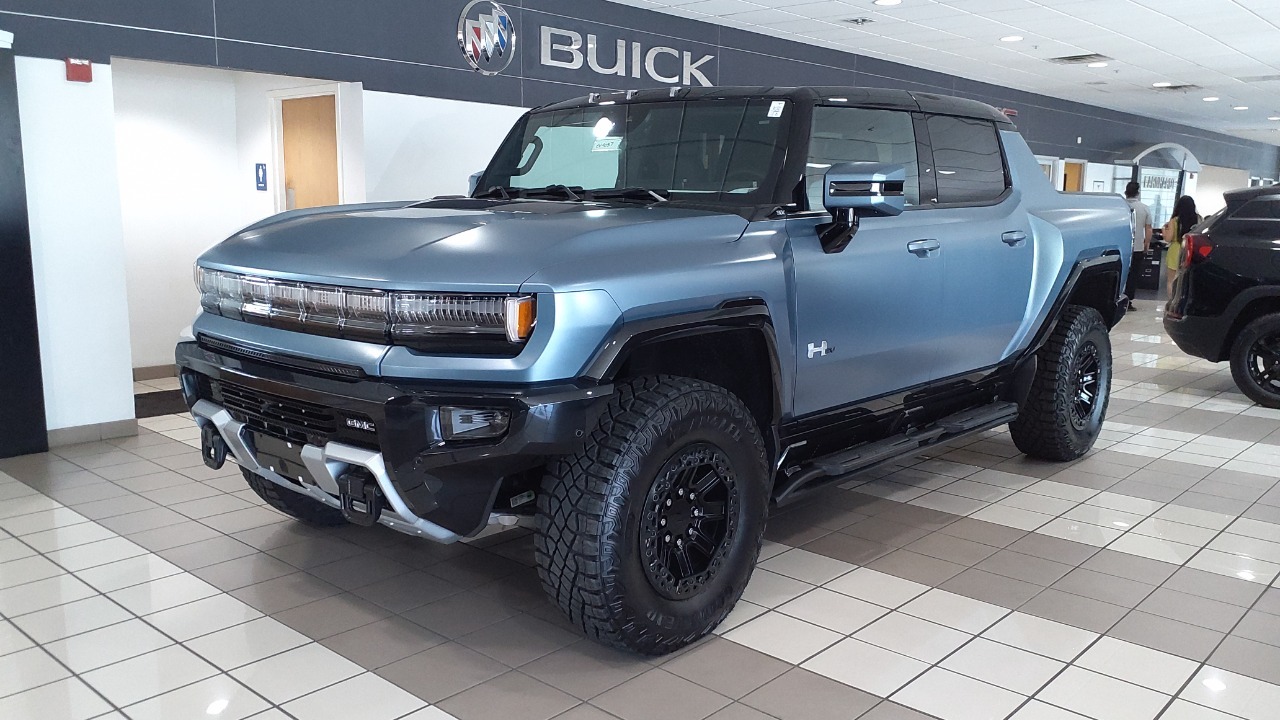
The GMC Hummer’s CrabWalk mode is the best-known recent application of rear-axle steering, per a J.D. Power overview of the technology.
The mode ties the electric truck to a technology that began with a Porsche in 1977. The source calls it the best-known recent use rather than the first, so the claim concerns visibility, and it says nothing about how many buyers use the mode, how the mode works in detail or how it compares with rivals, so it is best read as a pointer to current examples.
5. Mazda 626: Electronic Steering in 1988
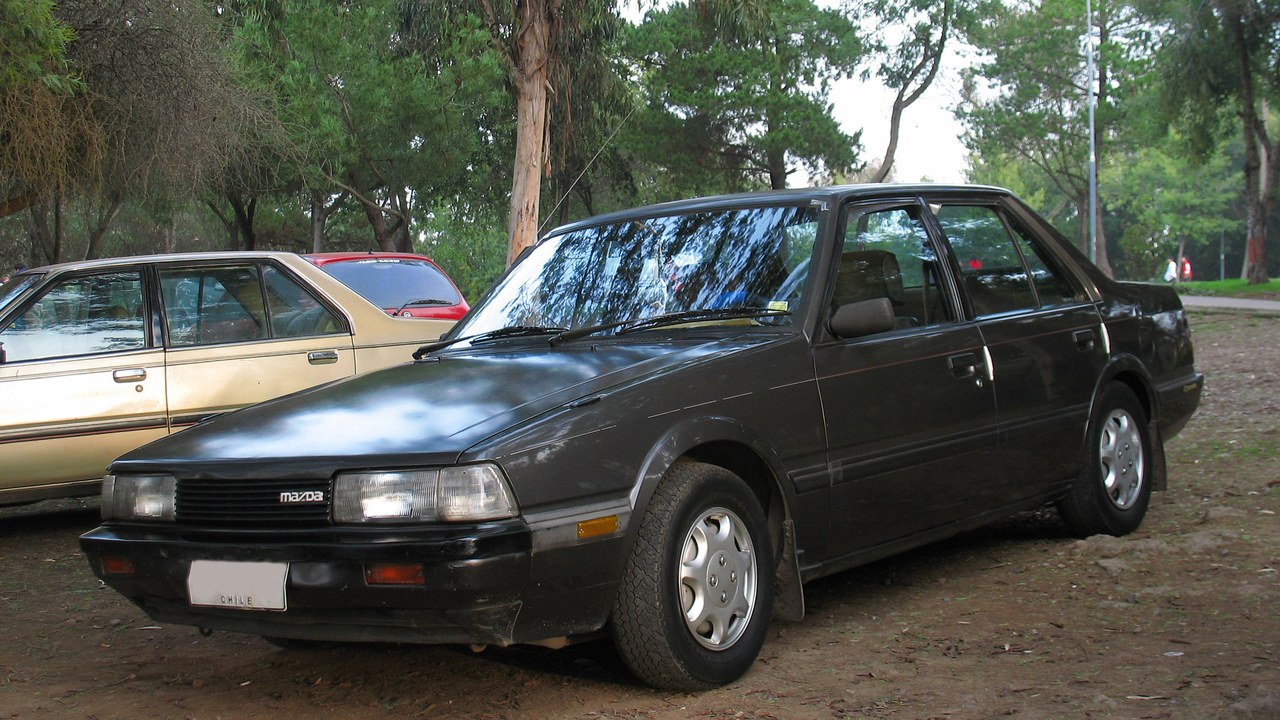
Mazda offered a version of its electronic four-wheel steering system on the 626 and MX-6 in 1988, according to the Wikipedia entry on four-wheel steering.
The sedan and its coupe sibling shared the technology, which shows the system was not limited to one body style. The source describes it as a version of the electronic system, so the exact tuning and the markets where it was sold are not spelled out, and later generations of the car are not covered by the entry at all.
6. Chevrolet Silverado: Quadrasteer Pickup
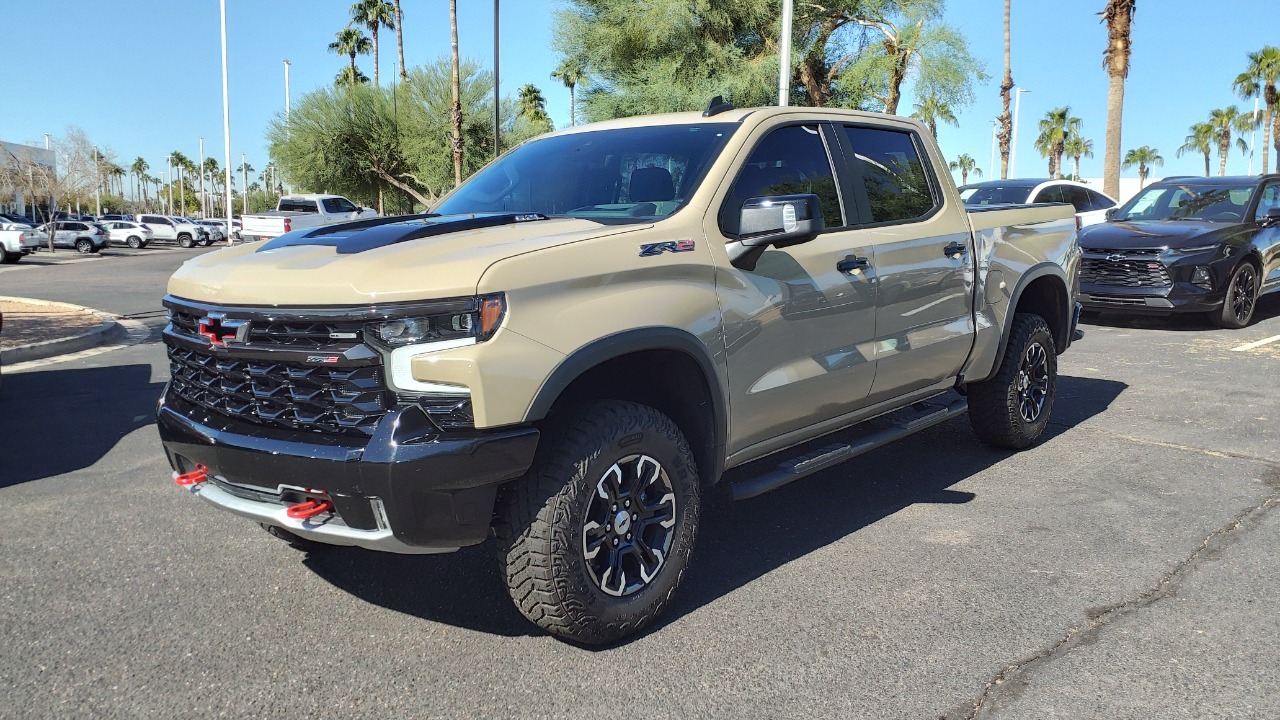
GM sold Delphi’s Quadrasteer four-wheel steering on the Silverado and Sierra and the Suburban and Yukon, discontinuing it at the end of the 2005 model year, as the Wikipedia entry on four-wheel steering explains.
The option brought rear steering to full-size trucks and sport utility vehicles from two badges each. Its run ended with the 2005 model year, so it was a short-lived feature, and the source does not say how many buyers chose it or why the option was dropped by the maker.
7. BMW 7 Series: Integral Active Steering

BMW equipped the E65 7 Series with optional all-wheel steering, called Integral Active Steering, in 2001, according to the Wikipedia entry on four-wheel steering.
The word optional matters: the system was an extra on the flagship sedan rather than standard equipment. The source gives the name and the year but not the steering angles or the price, so how much the rear wheels turned is not part of the record here, and later 7 Series cars are outside this entry altogether.
8. Porsche 911 Turbo: Standard Rear Steering
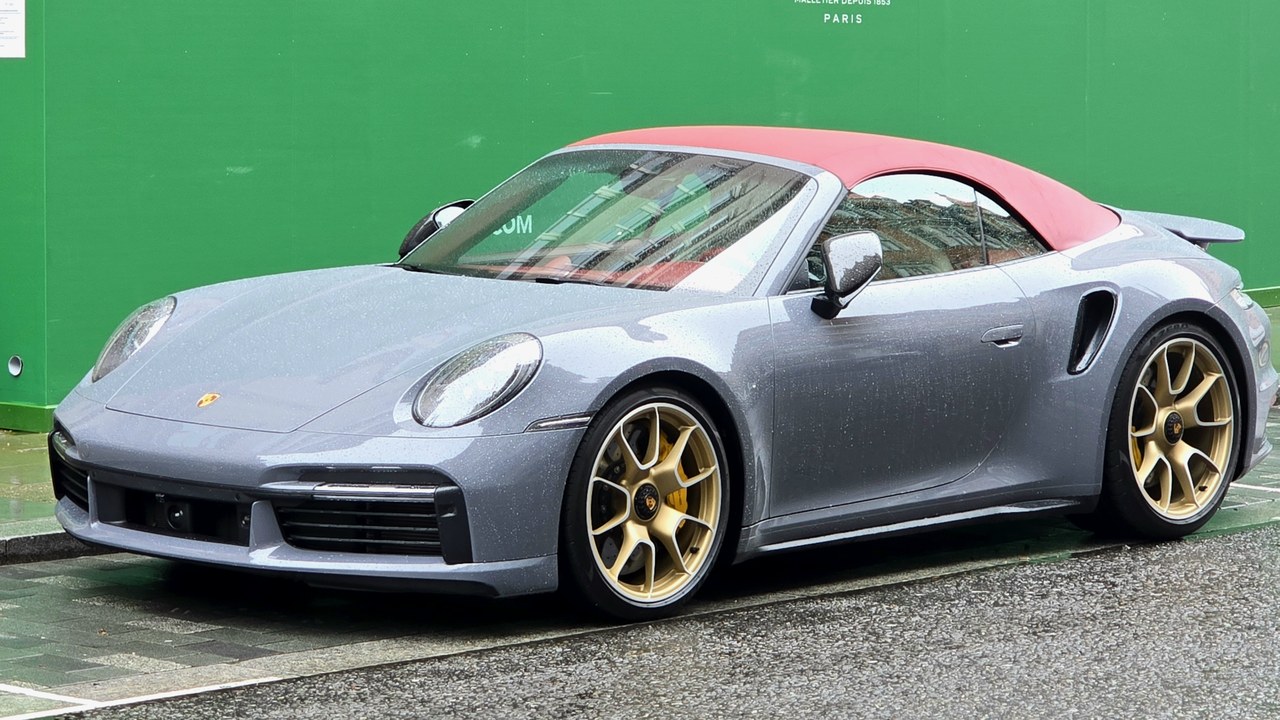
Porsche made rear-wheel steering standard equipment on the 911 Turbo in 2013, the Wikipedia entry on four-wheel steering reports.
Standard fitment differs from the earlier optional systems, since every buyer of the high-performance model received it. The source states the year and the model but offers no detail on the steering angle or the turning circle, so the benefit in numbers is not covered, and other 911 variants are not addressed, nor is it stated how the system was received by owners.
9. Mercedes-Benz EQS: Tighter Turning Circle
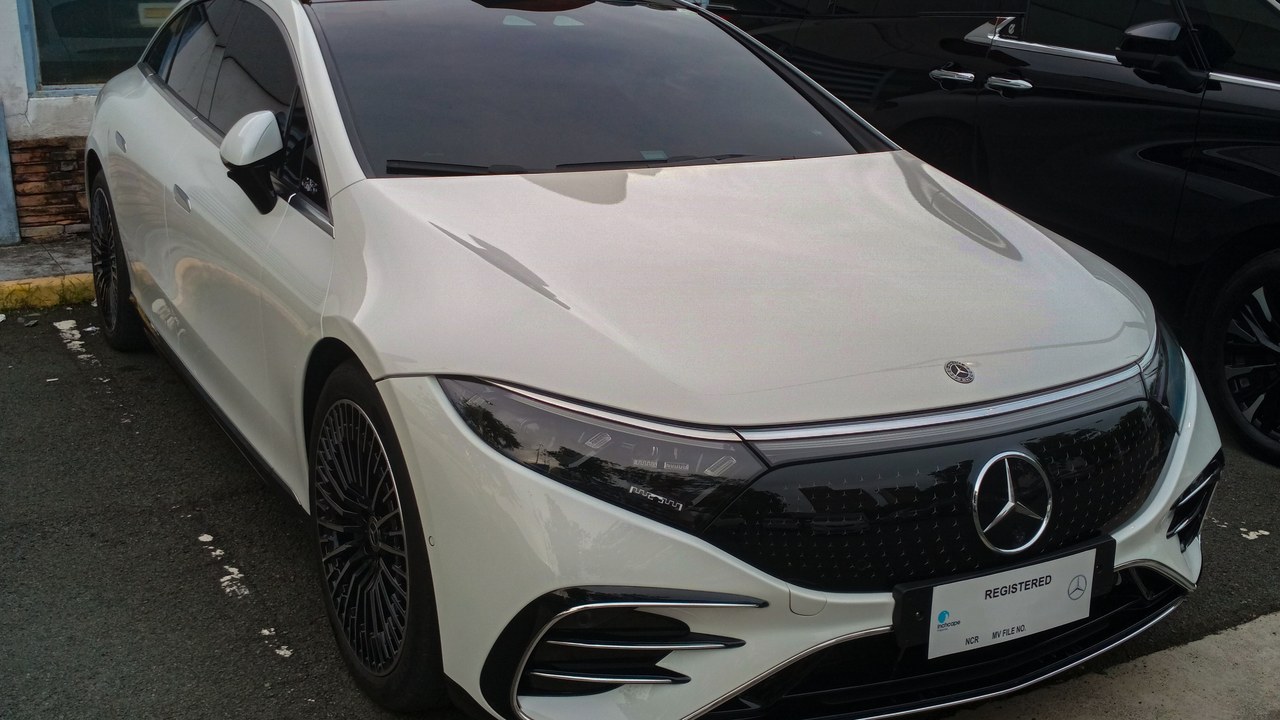
The EQS steers its rear wheels up to 4.5 degrees as standard, or 10 degrees with the paid option, cutting the turning circle to 10.9 metres (35.7 feet), according to Motor1 coverage of the EQS.
That figure of 35.7 feet is the one in the gallery headline. The source states the turning circle alongside both the standard and optional angles, so the report does not say which setup delivers it alone, and it does not compare it with the turning circle of a car without rear steering.
10. Nissan 300ZX: Super HICAS Lives On
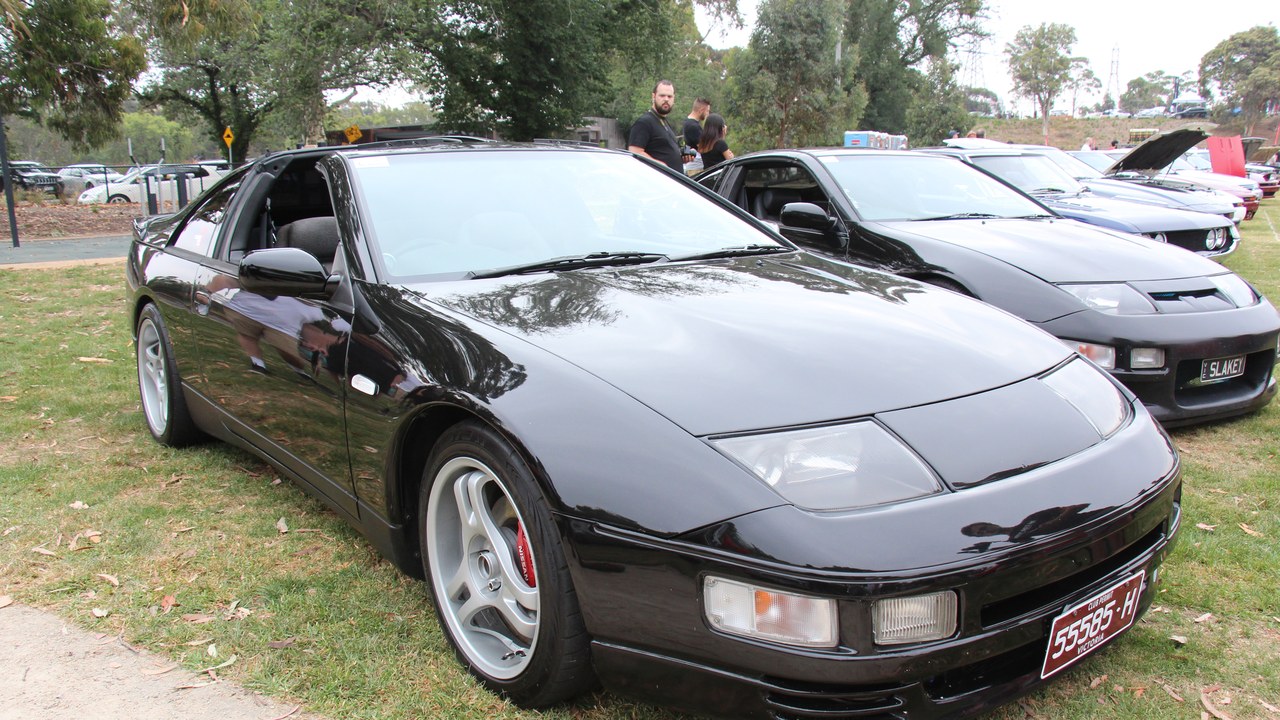
Turbocharged Z32 300ZXs carried Nissan’s Super HICAS four-wheel steering, a system first introduced on the R31 Nissan Skyline, through a run that reached 1996 in the US, as noted in the Wikipedia article on the 300ZX.
The sports coupe thus linked the 1985 Skyline to the 1990s. The source places the turbocharged cars in the US run that reached 1996 but does not say whether naturally aspirated versions had the system, so the claim is limited to the turbo models, and it does not describe how the system performed on the road.
More from Morning Overview
- The NSA says three phone features should be off whenever you aren’t using them
- Hawaii’s magnitude 6.0 Kona earthquake is now a federal major disaster
- Comcast is shutting down its email service, and Xfinity customers must act to keep it
- Invisible volcanic gas at a California ski resort has killed three ski patrollers
