Our planet is rich with ancient structures and artifacts that continue to baffle scientists and historians alike. From massive stone formations to intricate mechanical devices, these enigmas of the past challenge our understanding of human history, technology, and culture. Here we delve into ten such ancient sites and artifacts that science still can’t fully explain.
The Enigma of Stonehenge, England
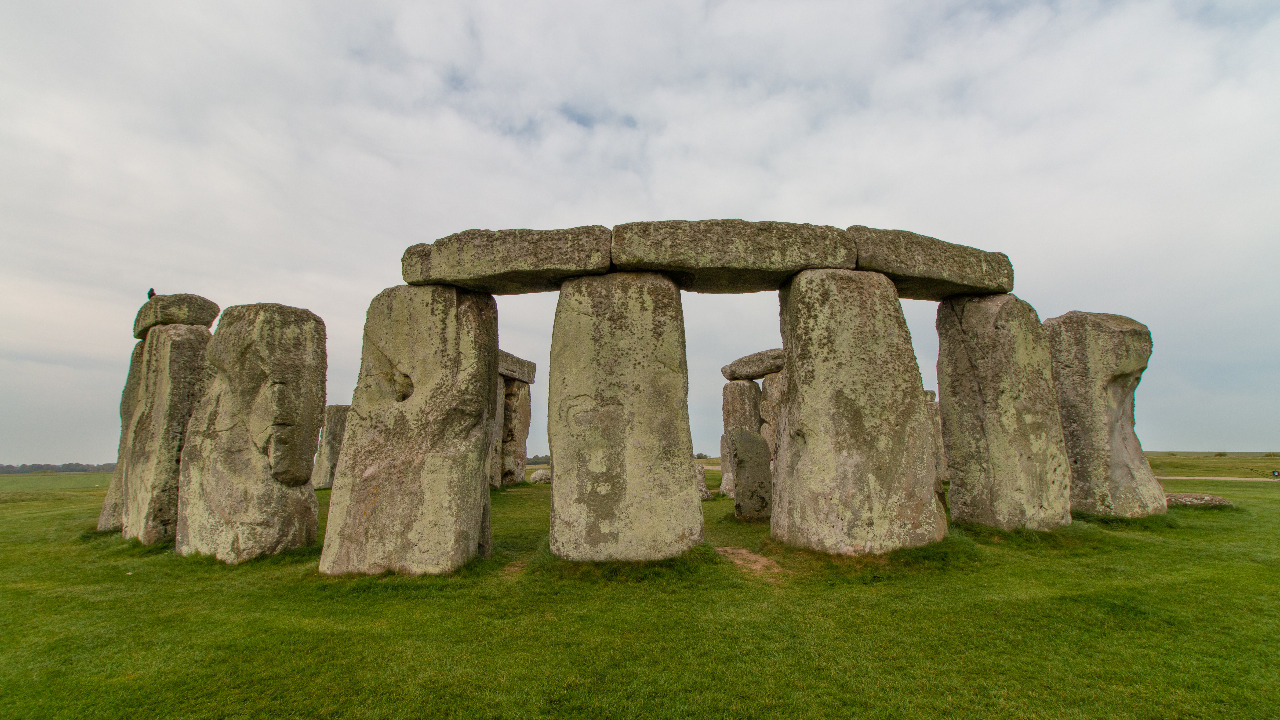
Stonehenge, located in Wiltshire, England, is one of the most famous and intriguing prehistoric sites in the world. Built around 5,000 years ago, its purpose and construction methods remain a mystery. Some theories suggest it was a burial ground, while others believe it was used for celestial observations or religious ceremonies. Despite extensive archaeological studies, we are yet to fully understand how the massive stones were transported and erected without modern technology.
Moreover, the exact alignment of the stones with the summer solstice sunrise continues to fascinate researchers. This archaeological marvel continues to challenge our understanding of Neolithic engineering and cultural practices.
The Mysterious Moai of Easter Island, Chile
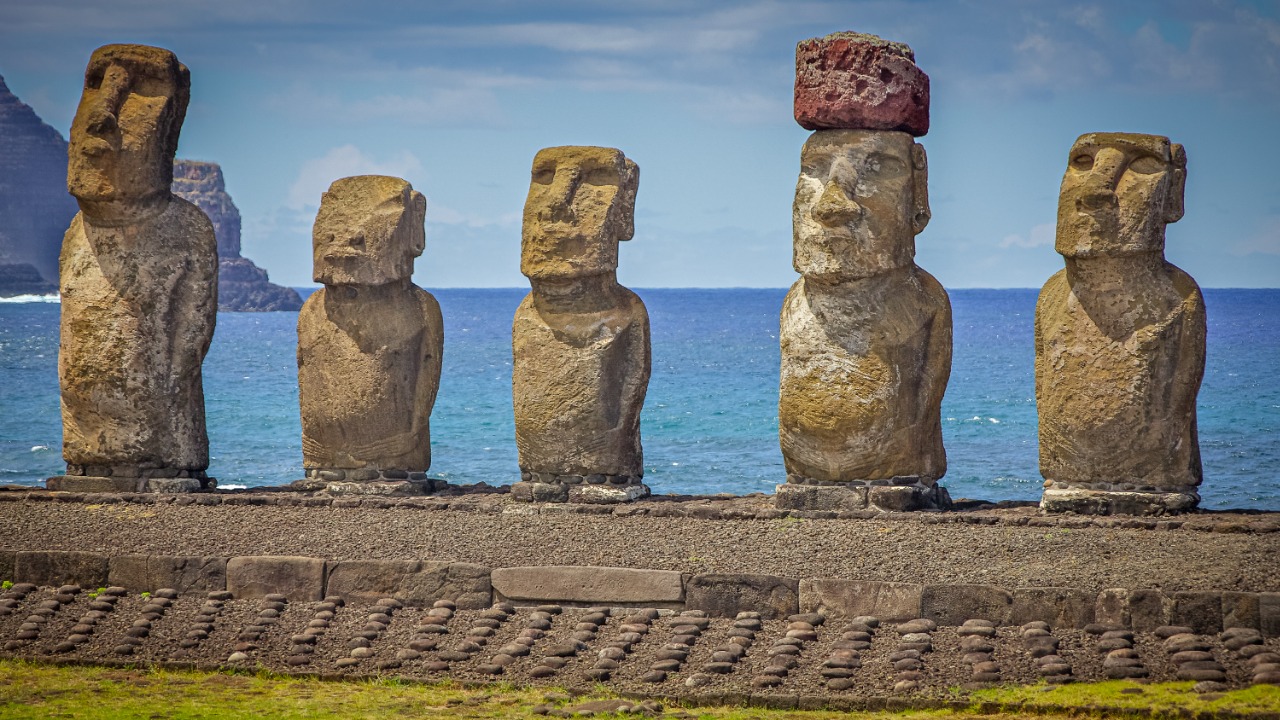
The remote Easter Island is home to the enigmatic Moai, massive stone statues carved by the Rapa Nui people. Despite their isolation, these people managed to carve, transport and erect these colossal statues, some weighing over 75 tons. The purpose of these statues, as well as the methods used in their construction and transportation, remain largely unknown.
Furthermore, the ecological and social conditions that led to the decline of the Rapa Nui civilization add to the mystery. The Moai statues serve as silent witnesses to a complex society that once thrived on this remote island.
The Undeciphered Voynich Manuscript, Italy
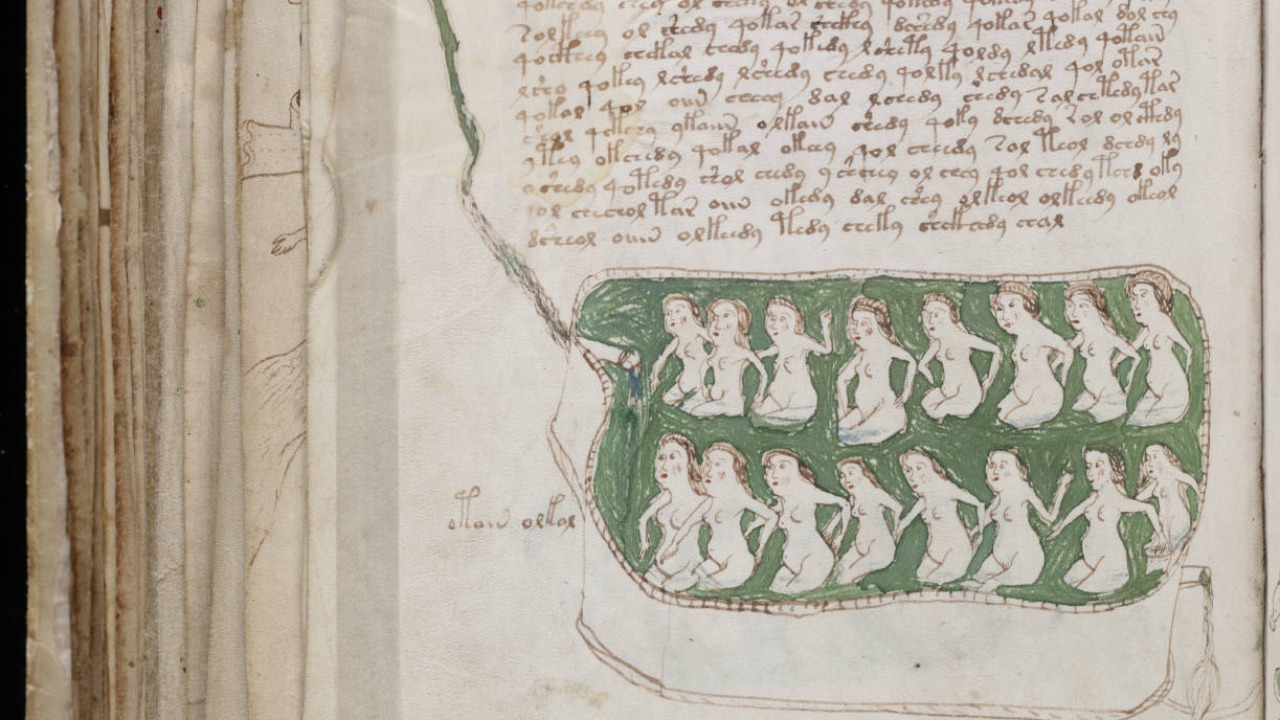
The Voynich Manuscript, discovered in Italy, is a hand-written book dating back to the early 15th century. It is filled with strange illustrations and written in an unknown language or code that has baffled cryptographers and linguists for over a hundred years. Despite numerous attempts, no one has been able to crack the Voynich code, making it one of the most intriguing mysteries of the ancient world.
The manuscript’s illustrations suggest it might be a scientific or medical text, covering topics such as astronomy, botany, and biology. However, without the ability to read the text, its true purpose remains shrouded in mystery.
The Unresolved Purpose of Teotihuacan, Mexico
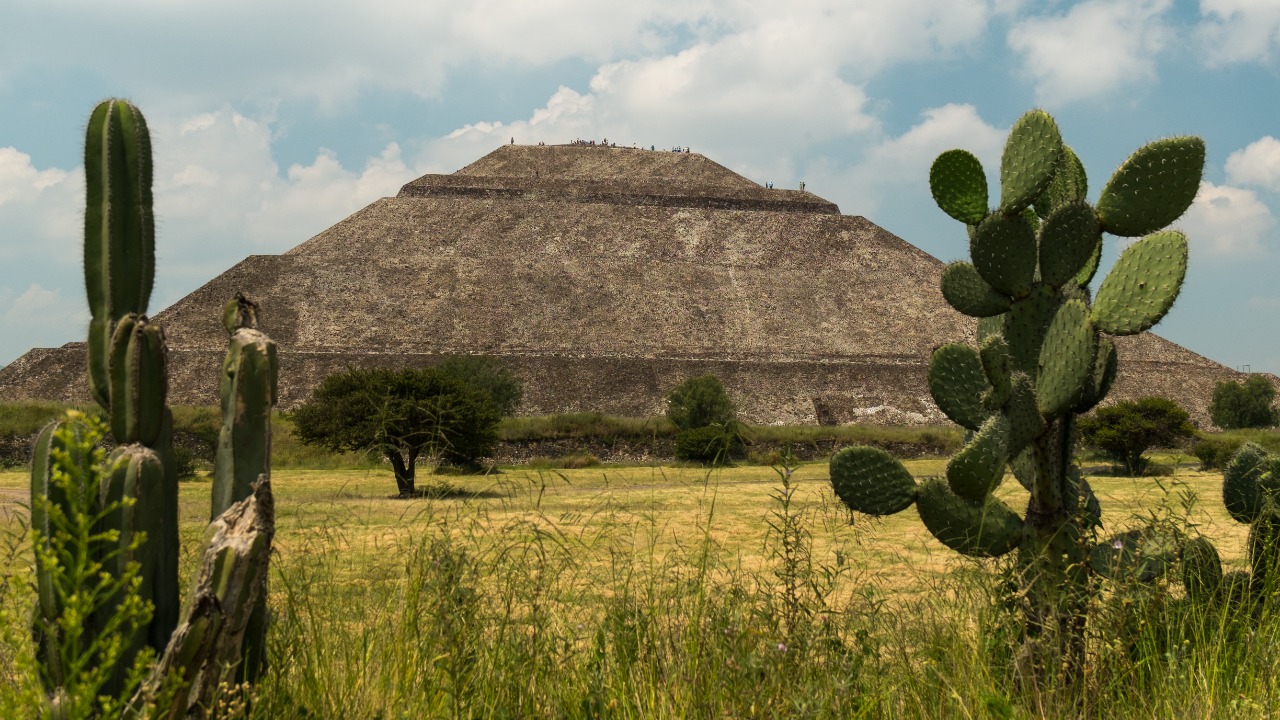
Teotihuacan, located near modern-day Mexico City, was once one of the largest cities in the ancient world. Its towering pyramids, including the Pyramid of the Sun and the Pyramid of the Moon, are arranged along a central avenue known as the Street of the Dead. Despite its grandeur and intricate urban planning, the purpose of these structures and the identity of its builders remain unknown.
Furthermore, the city seems to have been abandoned before the arrival of the Aztecs, who named it Teotihuacan or “the place where the gods were created”. The reasons behind its abandonment and the fate of its inhabitants are still unresolved mysteries.
The Bewildering Antikythera Mechanism, Greece
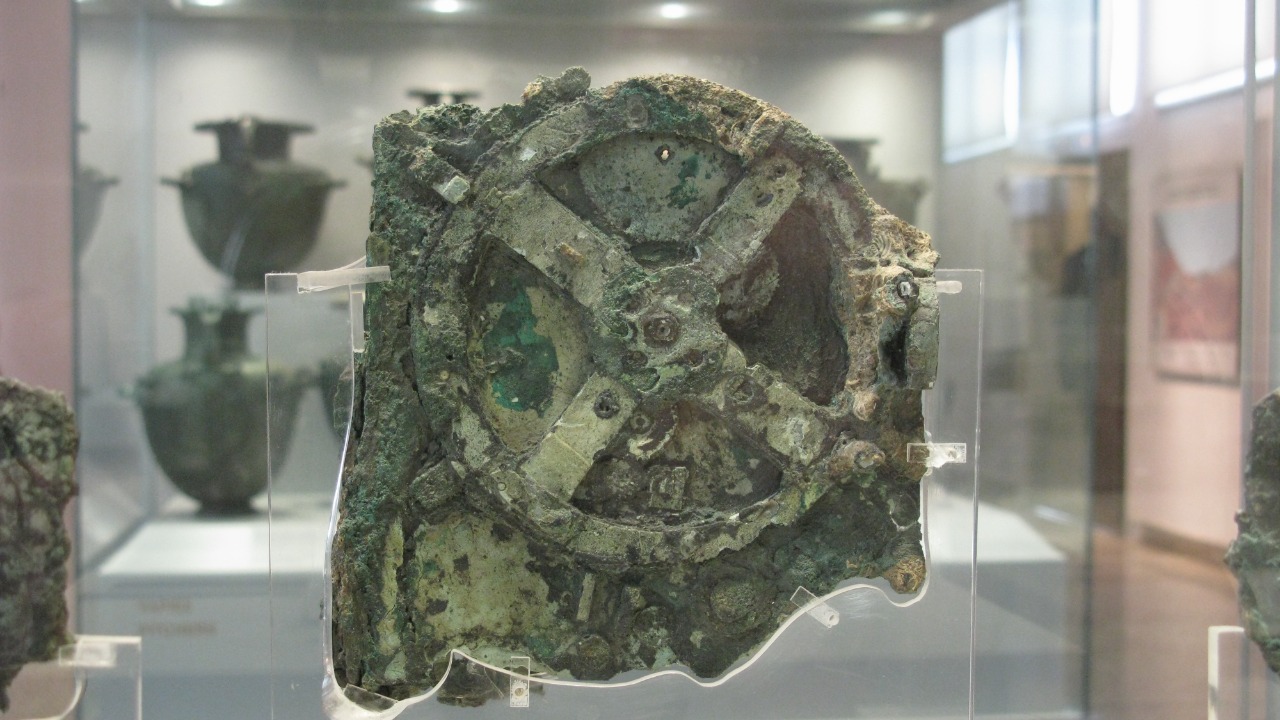
The Antikythera Mechanism, discovered in a shipwreck off the coast of Antikythera, Greece, is often described as the world’s first analog computer. This complex device, consisting of numerous gears and dials, is believed to have been used to predict astronomical events. Despite extensive studies, the exact workings, purpose, and origins of the Antikythera Mechanism are still not fully understood.
This artifact challenges the conventional understanding of technological capabilities in ancient Greece. Its level of mechanical sophistication would not be matched until the development of mechanical astronomical clocks in the 14th century.
The Inexplicable Nazca Lines, Peru
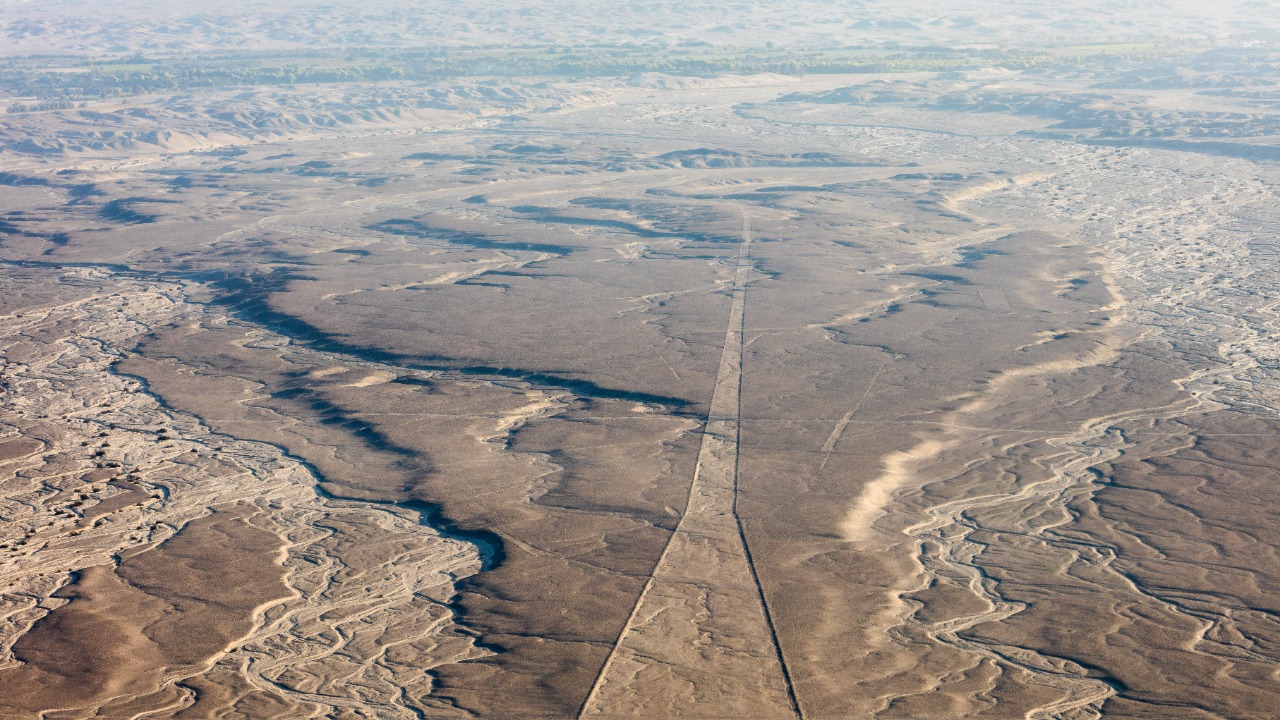
The Nazca Lines are a group of large geoglyphs etched into the desert floor in southern Peru. These massive figures, depicting various plants, animals, and geometric shapes, were created by the Nazca civilization around 2,000 years ago. The purpose of these geoglyphs is still a mystery, with theories ranging from astronomical calendars to religious rituals.
The fact that these designs can only be fully appreciated from an aerial view has led to speculation about ancient alien visitations. The Nazca Lines continue to be one of the most fascinating archaeological mysteries, attracting researchers and tourists from around the world.
The Unfathomable Great Pyramid of Giza, Egypt
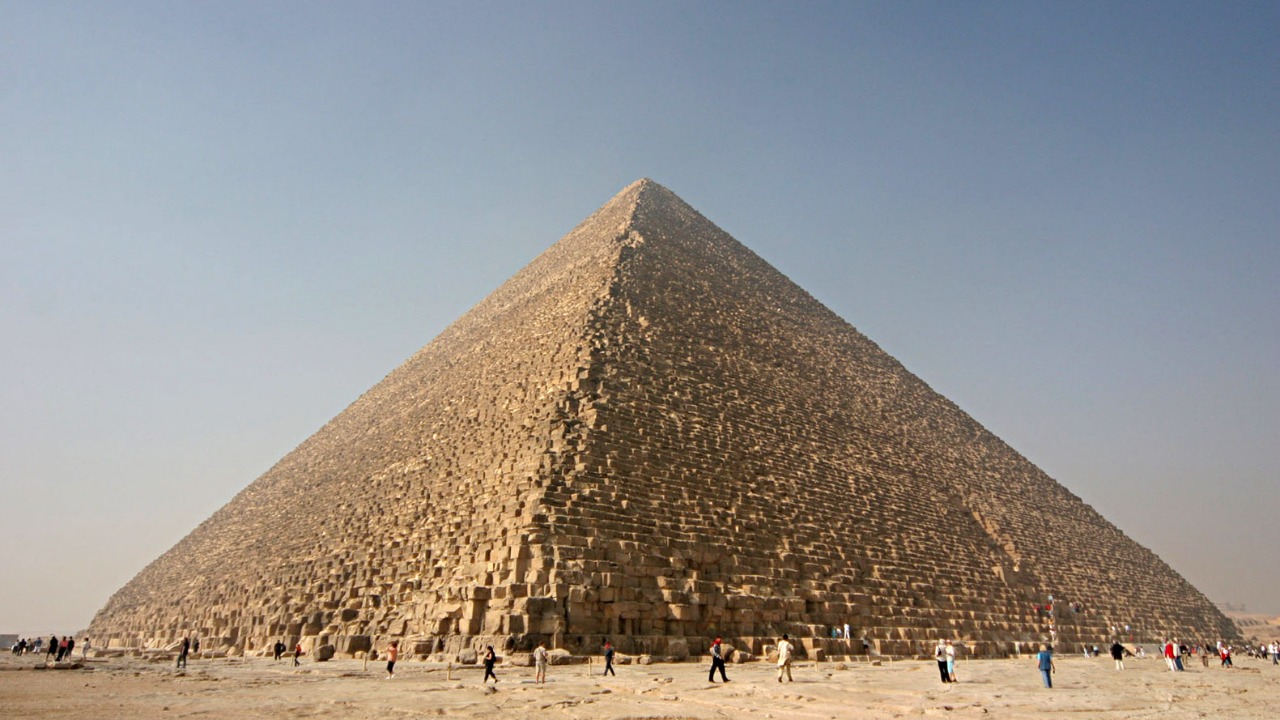
The Great Pyramid of Giza, built as a tomb for the Pharaoh Khufu around 4,500 years ago, is the last of the Seven Wonders of the Ancient World still in existence. Despite being one of the most studied ancient structures, many aspects about its construction and purpose remain unclear. The methods used to transport and align the massive stones with such precision continue to baffle researchers.
Moreover, recent discoveries of hidden chambers and passageways within the pyramid add to its mystery. The Great Pyramid continues to captivate us with its grandeur and enigmatic history.
The Puzzle of the Puma Punku Ruins, Bolivia
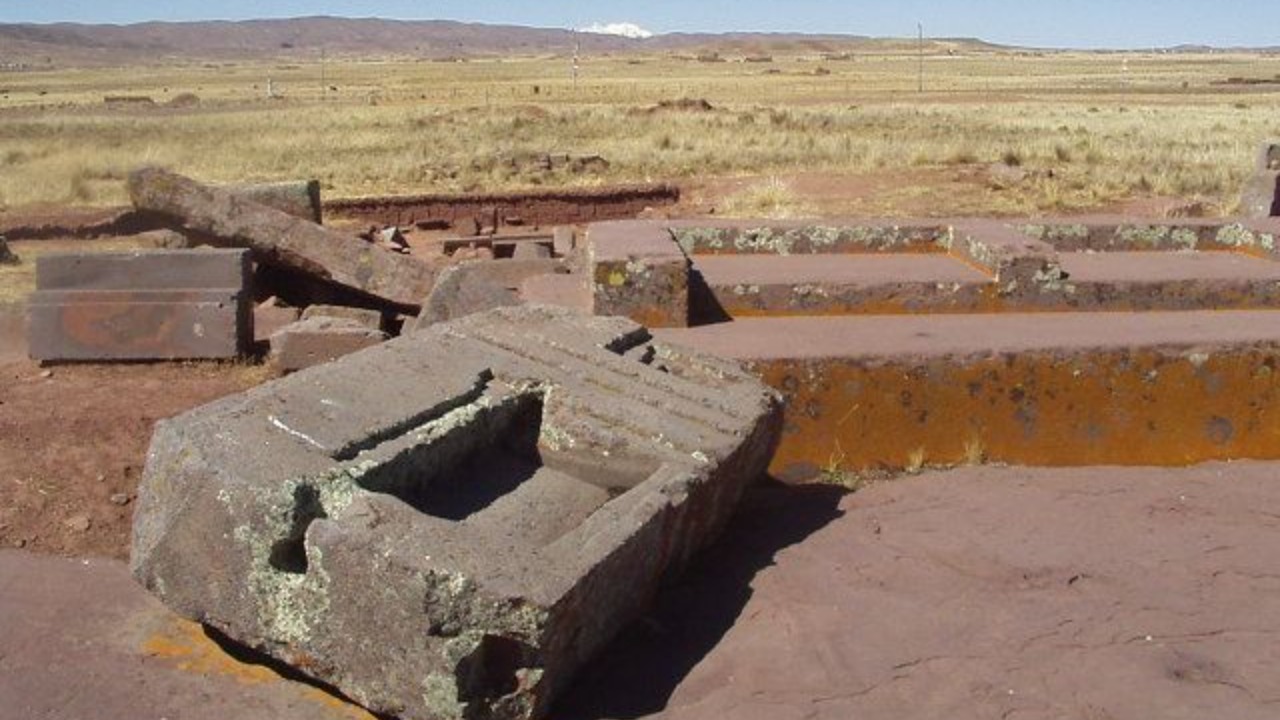
Puma Punku, part of the larger Tiwanaku site in Bolivia, is famous for its intricate stonework. The precision with which these stones were cut and fitted together is astonishing, leading to speculation about advanced ancient technology or even extraterrestrial intervention. Despite extensive research, the techniques used in its construction remain a mystery.
Furthermore, the purpose of Puma Punku and the reasons behind the collapse of the Tiwanaku civilization are still unknown. This ancient site continues to puzzle archaeologists and historians.
The Enigmatic Sacsayhuaman Fortress, Peru
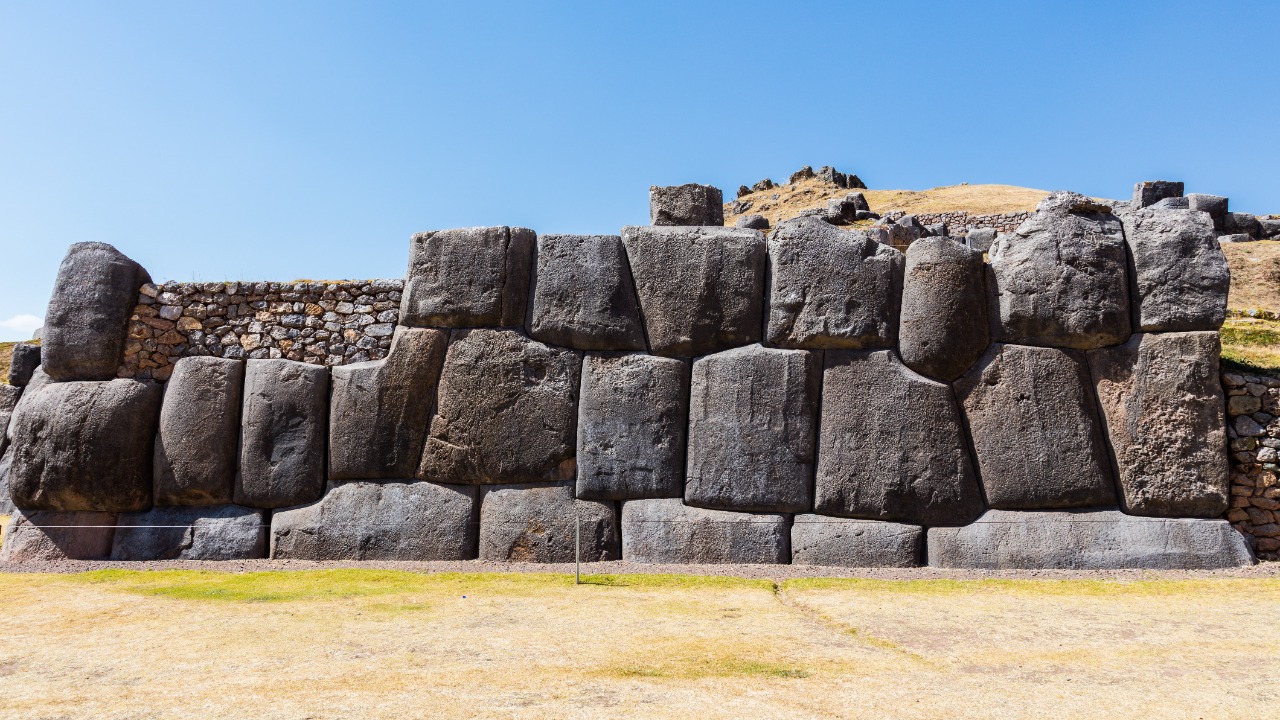
Sacsayhuaman is a massive fortress overlooking the ancient Incan capital of Cusco. Its massive walls, composed of colossal stones precisely fitted together, are a testament to the engineering skills of the Inca. Despite our understanding of Incan architecture, the methods used to transport and shape these gigantic stones remain a mystery.
The fortress was a significant site in the final battle between the Incas and Spanish conquistadors. However, much of its history and purpose remains shrouded in mystery, adding to the allure of this ancient site.
The Unresolved Mysteries of the Indus Valley Civilization, India & Pakistan
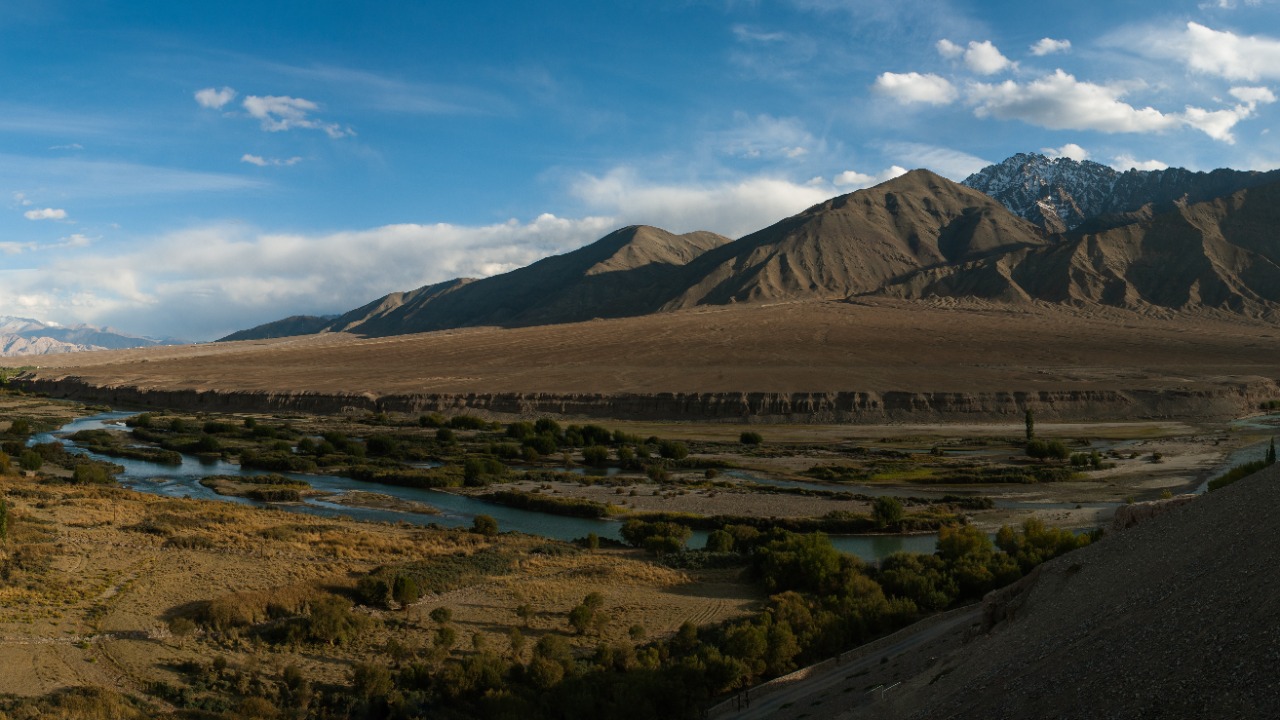
The Indus Valley Civilization, one of the oldest urban civilizations in the world, thrived around 5,000 years ago in what is now India and Pakistan. Despite its sophistication and urban planning, many aspects of this civilization remain unknown. The Indus script, found on numerous seals and tablets, has yet to be deciphered, hindering our understanding of their culture and society.
Moreover, the reasons behind the decline and disappearance of the Indus Valley Civilization remain unresolved. Despite extensive archaeological research, this ancient civilization continues to be a source of many unresolved mysteries.
