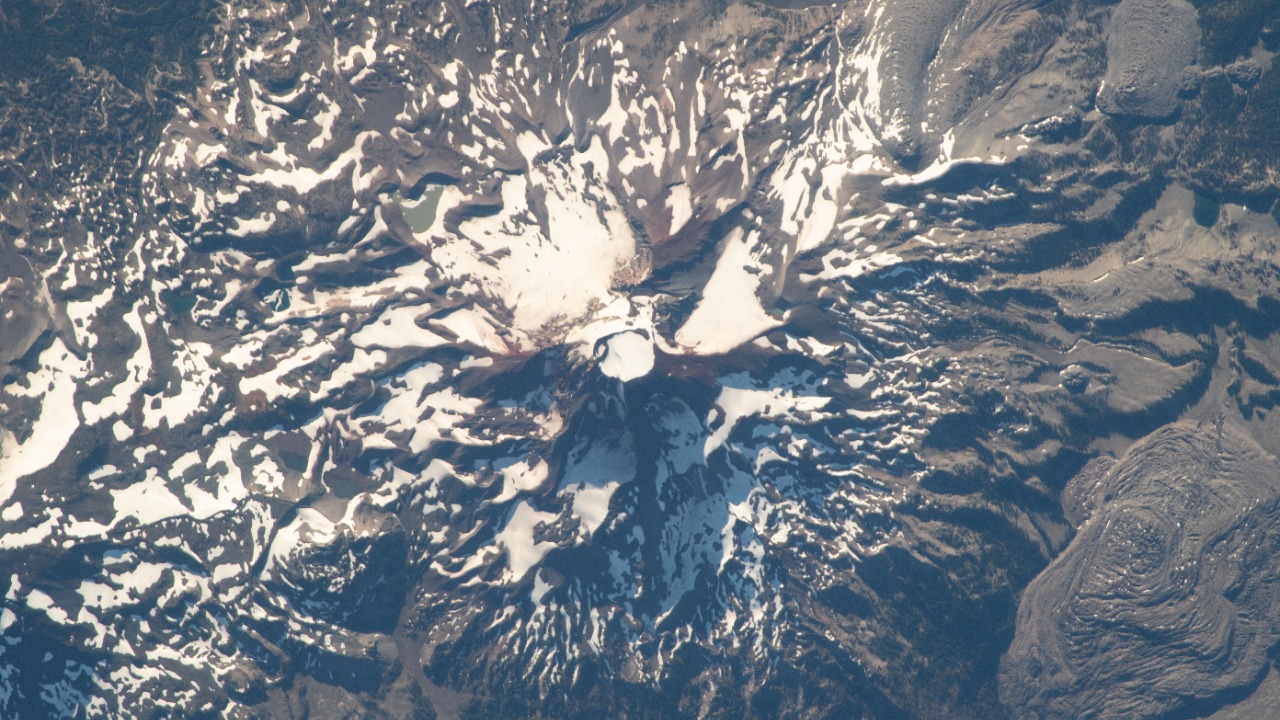

Hidden beneath an ancient volcanic basin on the Oregon and Nevada border, geologists say the United States may be sitting on the largest known lithium resource on Earth. The McDermitt Caldera, a vast dry lakebed in the high desert, is now at the center of a scramble to secure the metal that powers everything from smartphones to Tesla Model Y packs and Ford F-150 Lightning batteries. If fully proven and developed, the deposit could reshape global supply chains and turn a remote corner of the West into a strategic energy hub.
The U.S. Geological Survey has highlighted the McDermitt Caldera as a uniquely lithium rich system, and private estimates value the broader trove at up to $1.5 trillion. That scale of potential wealth is already drawing miners, investors and environmental advocates into a high stakes debate over how, and whether, to turn this buried “white gold” into real-world batteries.
The ancient volcano that became a lithium vault
The McDermitt Caldera is the eroded shell of a supervolcano that exploded roughly 16 million years ago, leaving behind a 475 square mile depression that later filled with mineral rich sediments. According to the U.S. Geological Survey, volcanic ash and hydrothermal fluids concentrated lithium in clay rich layers that now sit close to the surface. That unusual geology means the metal is not locked in hard rock, as in many South American and Australian deposits, but in softer material that could be mined and processed at scale.
Reporting on the region describes the Caldera as a broad, dry lakebed straddling Oregon and Nevada, remote from major cities but increasingly central to energy policy. Scientists cited in one analysis say this dormant volcanic system on the Nevada and Oregon border may hide the largest lithium deposit ever found on Earth, a claim echoed in work that maps the Caldera along the border of Oregon and Nevada.
How big is “world’s largest” in lithium terms?
Several independent assessments now converge on the idea that this is not just another mine, but potentially the largest single lithium trove identified so far. One detailed overview describes the World‘s largest lithium deposit, valued at $1.5 trillion, lying under a supervolcano in the U.S., with the buried resource estimated to be nearly $1.5 trillion in potential value. Another financial analysis of the Oregon volcano describes a $1.5 lithium jackpot, calling it the biggest U.S. stash ever and noting that it is $1.5 trillion in scale.
Social media posts amplifying the discovery describe a $1.5 trillion lithium deposit in the United States that could reshape the global battery industry, with one widely shared summary noting that, according to United States based estimates, the find rivals the value of traditional oil and gas fields. Another description of the same trove stresses that a massive lithium deposit, potentially the world’s largest, has been discovered in the McDermitt Caldera on the Nevada and Oregon border, framing it as a game changing resource for electric vehicle production.
From geology to gigafactories: why this matters for batteries
The strategic significance of this discovery is straightforward: lithium is the core ingredient in the rechargeable cells that underpin modern life, from iPhone batteries to grid scale storage for wind and solar farms. Analysts who have examined the Nevada and Oregon border find argue that the clay rich deposit could power the world’s batteries for decades, with one sustainability focused report noting that, Over the years, experts have discovered valuable mineral deposits in unexpected places, but few match this one in scale.
Researchers quoted in another analysis say that one of the most important lithium discoveries on Earth may be hiding in plain sight, beneath remote desert hills in a structure called the McDermitt caldera. Scientists examining the dormant volcano on the Nevada and Oregon border argue that it may hide the largest lithium deposit ever found on Earth, a view echoed in coverage that highlights how the Scientists believe volcanic processes trapped lithium in the basin.
Thacker Pass and the rush to build a North American supply chain
The most advanced effort to turn this geological fortune into actual lithium carbonate is unfolding at Thacker Pass, on the Nevada side of the Caldera system. The project’s owner describes it as the most significant opportunity to enable a North American lithium battery supply chain, noting that North American manufacturing could be anchored by a mine in Humboldt County, northern Nevada. The same overview explains that Thacker Pass received a Record of Decisi from federal regulators, clearing a key permitting hurdle for large scale construction.
Company updates describe how Major construction at Thacker Pass is progressing, with permanent concrete placement in the processing plant area and support facilities like maintenance shops and break tents nearing completion, according to a Major project update. Parallel to that, US Critical Metals Corp has laid out a 2026 Exploration Focus for its McDermitt East project, with USCM emphasizing that McDermitt East lies near Thacker Pass and is drawing interest from the Department of Energy and General Motors.
Local resistance, human rights concerns and environmental stakes
Even as construction ramps up, the Thacker Pass mine has become a flashpoint for environmental justice and tribal rights. A detailed human rights assessment argues that, according to the report, the Bureau of Land Management permitted the Thacker Pass lithium mine without meaningful consultation with affected Indigenous communities, and that this approval by the According Bureau of Land Management (BLM) may violate international human rights law and standards. Critics say the rush to secure battery metals risks repeating the extractive patterns of past mining booms, only this time under a green banner.
Environmental advocates also point to the water intensive nature of lithium extraction and the potential for habitat loss in the high desert. One analysis of the supervolcano deposit notes that, Sep, Given the soaring demand for lithium, the deposit could be a treasure trove, but obtaining it could come with a bunch of environmental and social trade offs, a tension highlighted in a Sep discussion of the project. That same debate surfaces in coverage of the Oregon volcano that is Buried beneath the high desert on the Oregon and Nevada line, where the lithium jackpot is framed as both an economic opportunity and a live policy and investment question for Buried communities.
More from Morning Overview