
With the rise of wearable technology, fitness trackers and smartwatches have become ubiquitous. They promise to help us lead healthier lives by monitoring our activity levels, heart rate, sleep patterns, and more. Yet, many of us find ourselves abandoning these devices after a short period. Why is that? Let’s delve into four key reasons and explore how we can overcome these hurdles.
Reason 1: Discomfort from wearing devices all day

One of the most common reasons people abandon their fitness trackers is discomfort. Wearing a device on your wrist all day, every day, can lead to physical irritation. This discomfort can be exacerbated if the device is too tight, too loose, or if you have a skin reaction to the materials used. To overcome this, it’s important to ensure that you choose a device that fits well and is made from materials that are comfortable against your skin. Additionally, giving your wrist a break from the device every now and then can also help alleviate any discomfort.
According to a study published in the Journal of Medical Internet Research, discomfort from wearing fitness trackers can also stem from the psychological burden of constantly being monitored. This constant surveillance can lead to feelings of pressure and anxiety, which can make wearing the device uncomfortable. To mitigate this, it’s recommended to use the device in moderation and to remember that it’s a tool to aid in your fitness journey, not a strict taskmaster. It’s also beneficial to periodically disconnect from the device to give yourself a mental break.
Furthermore, the discomfort can also be due to the design of the device. Some fitness trackers are bulky and not aesthetically pleasing, which can deter people from wearing them, especially in social situations. Manufacturers are recognizing this and are increasingly focusing on creating sleeker, more fashionable designs that can be worn comfortably throughout the day. Some are even incorporating fitness tracking capabilities into jewelry and other accessories to provide more comfortable and stylish options for users.
Reason 2: Inaccurate or overwhelming data
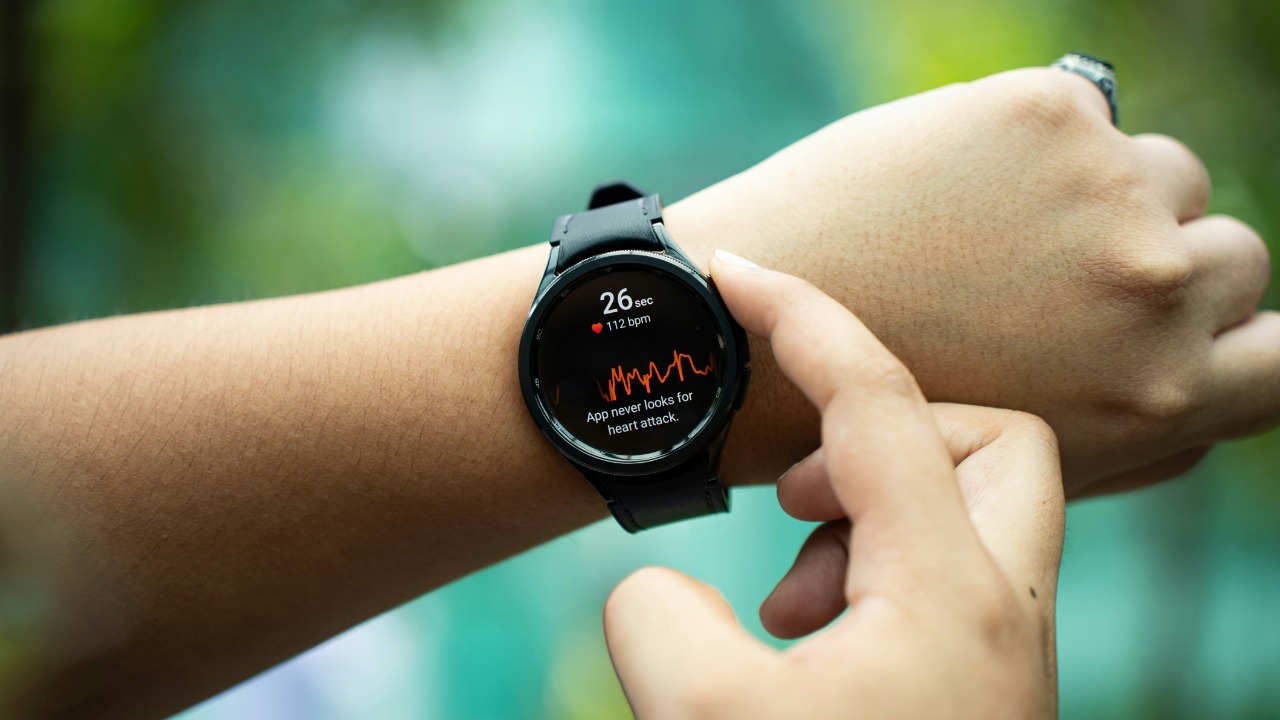
Another reason people stop using their fitness trackers is due to inaccurate or overwhelming data. If the device is not providing reliable metrics, it can erode trust and motivation. For instance, if your tracker is consistently overestimating the number of steps you take or the calories you burn, you may feel discouraged and stop using it. On the other hand, being bombarded with too much data can also be overwhelming and confusing. To address this, it’s important to focus on a few key metrics that are most relevant to your fitness goals. Additionally, choosing a device with a user-friendly interface can help you better understand and utilize the data.
Research from the University of Washington found that inaccurate data from fitness trackers can lead to negative health behaviors. For example, if a device underestimates the number of calories burned during a workout, users may overeat, thinking they’ve burned more calories than they actually have. Conversely, if the device overestimates the calories burned, users may not eat enough to properly fuel their bodies. To avoid these pitfalls, it’s recommended to use the data from fitness trackers as a general guide rather than an exact measure. It’s also helpful to consult with a healthcare professional or a fitness expert to better understand your personal health and fitness needs.
Moreover, the overwhelming data can also be due to the device’s interface. Some fitness trackers provide data on a multitude of metrics, from steps taken and calories burned to sleep quality and heart rate variability. While this can be useful for some, for others it can lead to information overload. To combat this, it’s suggested to customize the device’s settings to only display the metrics that are most relevant to your fitness goals. This can help simplify the data and make it more manageable and useful.
Reason 3: Short battery life and maintenance hassles

Technical frustrations, such as short battery life and maintenance hassles, can also lead to abandonment of fitness trackers. If you constantly have to charge your device or if it’s not easy to maintain, it can become more of a burden than a helpful tool. To overcome this, look for devices with longer battery life and easy maintenance. Additionally, developing a routine for charging your device, such as overnight or during a time when you’re less active, can help ensure it’s always ready to use.
According to a survey conducted by Gartner, short battery life is one of the top reasons people abandon their fitness trackers. The need to frequently charge the device can disrupt the tracking of daily activities and sleep patterns, which can be frustrating for users. Some users also report difficulties with syncing the device with their smartphones, which can lead to loss of data and further frustration. To address these issues, manufacturers are investing in developing more energy-efficient technologies and improving the device’s syncing capabilities. Some are even exploring solar-powered and kinetic energy-powered devices to extend battery life.
Furthermore, maintenance hassles can also include issues with the device’s durability. Fitness trackers are often exposed to sweat, water, and physical impact, which can lead to wear and tear over time. Some users report problems with the device’s screen, buttons, or strap breaking or malfunctioning. To overcome this, it’s recommended to choose a device that is water-resistant and has a robust build quality. It’s also beneficial to clean the device regularly and to handle it with care to prolong its lifespan.
Reason 4: Loss of novelty and integration challenges
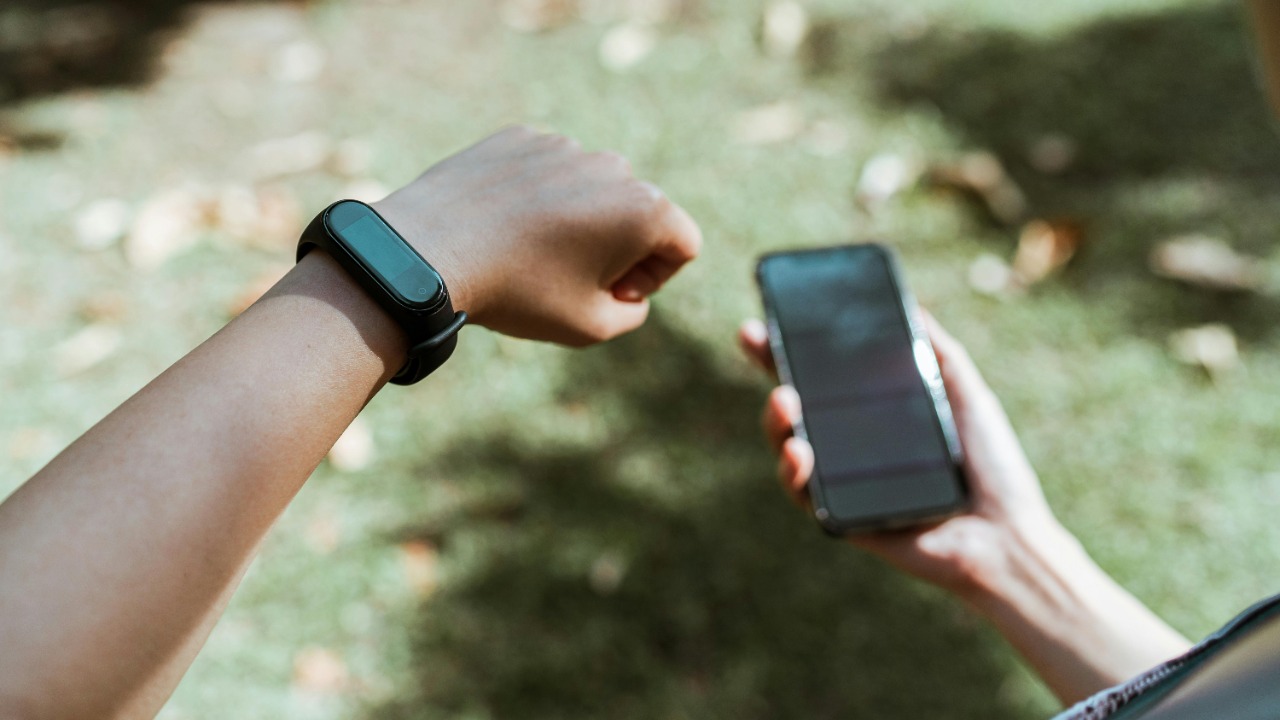
Finally, the novelty of a new device can wear off over time, leading to abandonment. If the device doesn’t seamlessly integrate with your lifestyle or other apps you use, it can become more of a hassle than a help. To address this, look for devices that easily sync with other apps you use regularly. Additionally, setting realistic expectations and viewing your device as a tool to aid in your fitness journey, rather than a magic solution, can help maintain your motivation over time.
In conclusion, while there are several reasons why people abandon their fitness trackers, there are also ways to overcome these challenges. By choosing a comfortable device, focusing on key metrics, addressing technical frustrations, and setting realistic expectations, you can make the most of your fitness tracker and stay motivated on your fitness journey. Source
