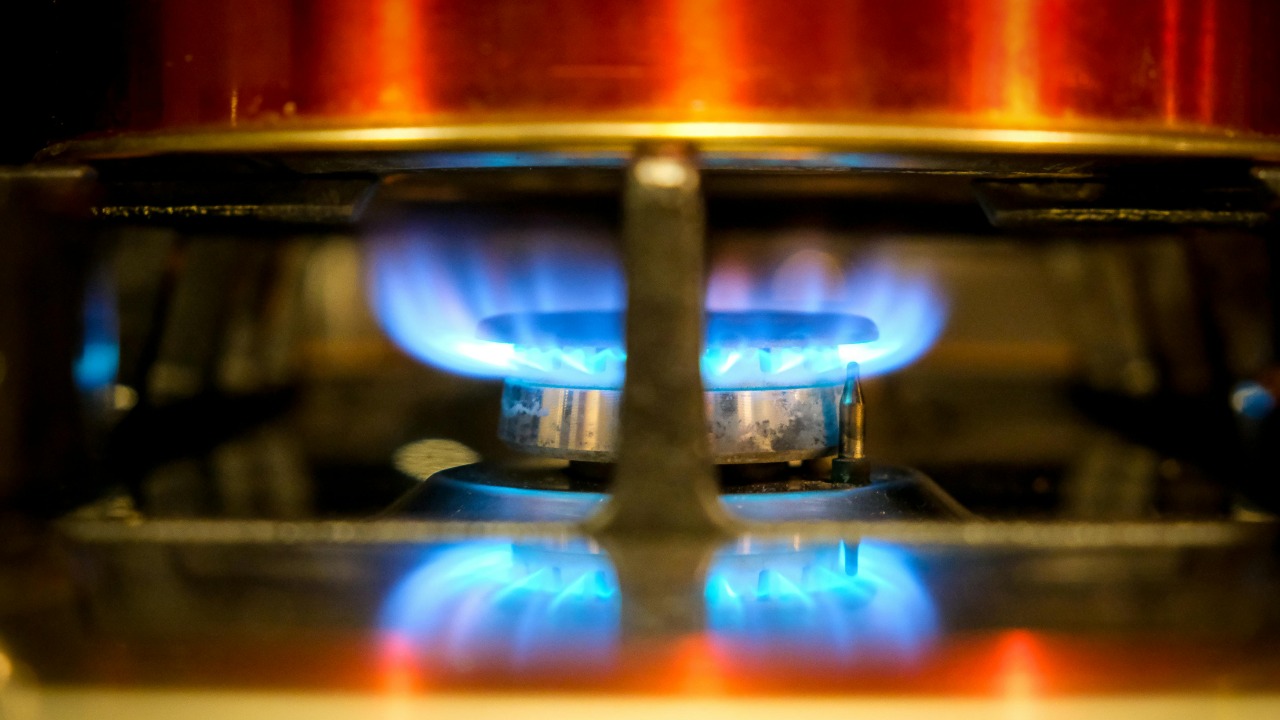

The potential ban on gas stoves in the US has sparked a heated debate among policymakers, environmentalists, and the public. Concerns about public health, environmental impact, and safety have fueled discussions about the future of gas stoves in American homes. Understanding the reasons behind the potential ban and its implications is essential for anyone invested in the future of home appliances and environmental policy.
Health Concerns Associated with Gas Stoves

One of the primary health concerns associated with gas stoves is their contribution to indoor air pollution. Gas stoves emit pollutants such as nitrogen dioxide (NO2) and carbon monoxide (CO), which can degrade indoor air quality and pose significant health risks. These emissions can be particularly hazardous in poorly ventilated kitchens, leading to increased exposure and potential health issues for residents.
Furthermore, studies have shown a link between the use of gas stoves and increased respiratory problems, especially in children. According to research, children exposed to gas stove emissions may experience higher rates of asthma and other respiratory issues, raising concerns about the long-term health impacts. Vulnerable populations, such as those with pre-existing health conditions and low-income families who may lack resources for proper ventilation or alternatives, are especially at risk.
Environmental Impact of Gas Stoves
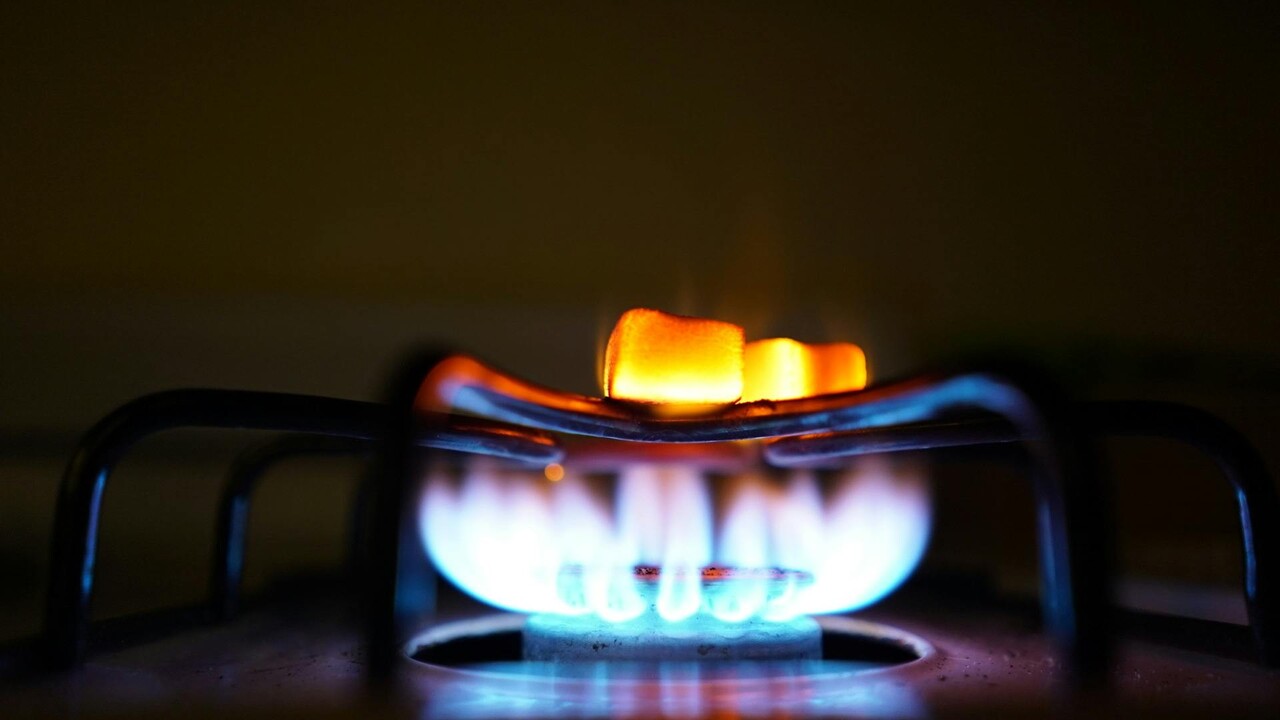
Gas stoves contribute to the release of greenhouse gases, primarily methane, which is a significant driver of climate change. As the world grapples with the urgent need to address environmental concerns, the role of household appliances in greenhouse gas emissions is increasingly scrutinized. The push to reduce methane emissions from gas stoves is part of a broader strategy to mitigate climate change effects.
Additionally, electric stoves are often more energy-efficient than gas stoves, leading to discussions on energy conservation and sustainability. The transition to electric stoves aligns with efforts to reduce reliance on fossil fuels and move towards renewable energy sources. This shift is seen as crucial for achieving long-term environmental goals and reducing the carbon footprint of residential energy use.
Regulatory and Policy Considerations

The US Consumer Product Safety Commission is currently evaluating the safety standards associated with gas stoves, considering evidence of potential health risks. This evaluation is part of a broader regulatory effort to address safety concerns and ensure that consumer products do not pose undue health risks. Various states and municipalities are also proposing regulations that could phase out or limit the installation of new gas stoves, marking a significant shift in policy considerations.
However, the gas appliance industry has expressed resistance to these regulatory changes, citing economic impacts and concerns over consumer choice. The industry argues that a ban could lead to job losses and increased costs for consumers who prefer or rely on gas stoves for cooking. This resistance highlights the complex interplay between environmental objectives, economic interests, and consumer preferences in shaping policy decisions.
Public Opinion and Consumer Behavior

Public awareness campaigns are underway to educate consumers about the health and environmental impacts of gas stoves. These campaigns aim to inform the public about the potential risks and benefits associated with different cooking technologies, encouraging informed decision-making. As consumers become more aware of the issues, there is a growing interest in electric alternatives that offer health and environmental benefits.
Despite this increased awareness, many consumers continue to prefer the cooking performance of gas stoves, which are often favored for their precise temperature control and quick heat response. However, the economic implications of transitioning to electric stoves, particularly for low-income households, remain a significant consideration in the debate. Policymakers must balance these economic factors with the need to address health and environmental concerns.
Technological Innovations and Alternatives

Advancements in electric cooktop technology, such as induction cooktops, offer efficient and effective alternatives to traditional gas stoves. Induction cooktops provide faster cooking times and precise temperature control, making them a viable option for those seeking to transition away from gas. As technology continues to evolve, these innovations are likely to play a central role in shaping the future of home cooking appliances.
Incentive programs from both government and private sectors may encourage the adoption of electric stoves and help offset the transition costs for consumers. These incentives can make electric stoves more accessible, particularly for low-income households, and support broader efforts to move towards sustainable energy use. As new technologies and alternative energy sources continue to develop, they are expected to reshape the landscape of residential cooking in the years to come.
Implications for the Future
Banning gas stoves may be part of a larger strategy to achieve environmental sustainability and meet climate targets. As efforts to reduce greenhouse gas emissions intensify, the role of household appliances in achieving these goals becomes increasingly significant. The potential ban on gas stoves could have far-reaching implications for housing developments and the design of residential kitchens, influencing future trends in architecture and interior design.
Ongoing research into the impacts of gas stoves on health and the environment will be crucial in shaping future policies and consumer choices. As new data emerges, it will inform the development of regulations and guide the transition to more sustainable cooking technologies. The future of gas stoves in the US remains uncertain, but the discussions surrounding their potential ban highlight the complex challenges and opportunities in balancing health, environmental, and economic considerations.