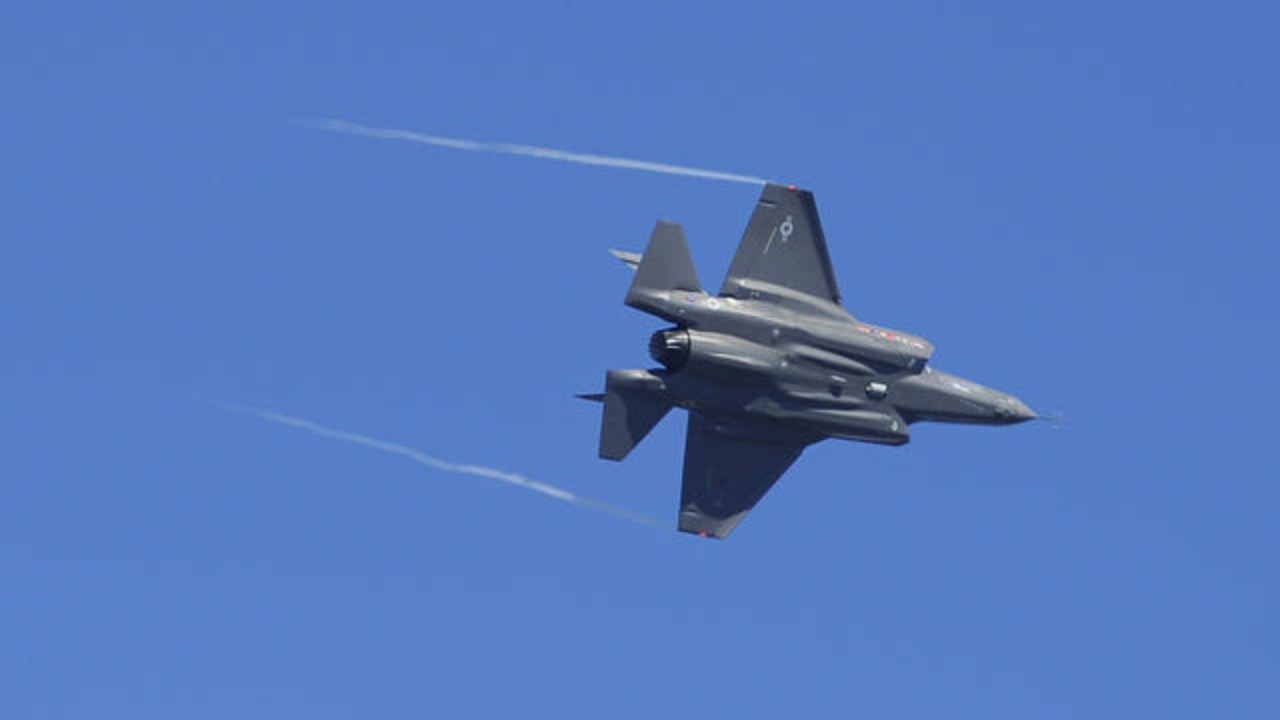

The F-35 Lightning II, a fifth-generation multirole fighter, has faced criticism for its dogfighting capabilities. Despite its cutting-edge technology and stealth features, the aircraft’s effectiveness in close-range aerial combat remains a contentious issue, raising questions about its design and strategic role in modern warfare.
Design and Development Challenges
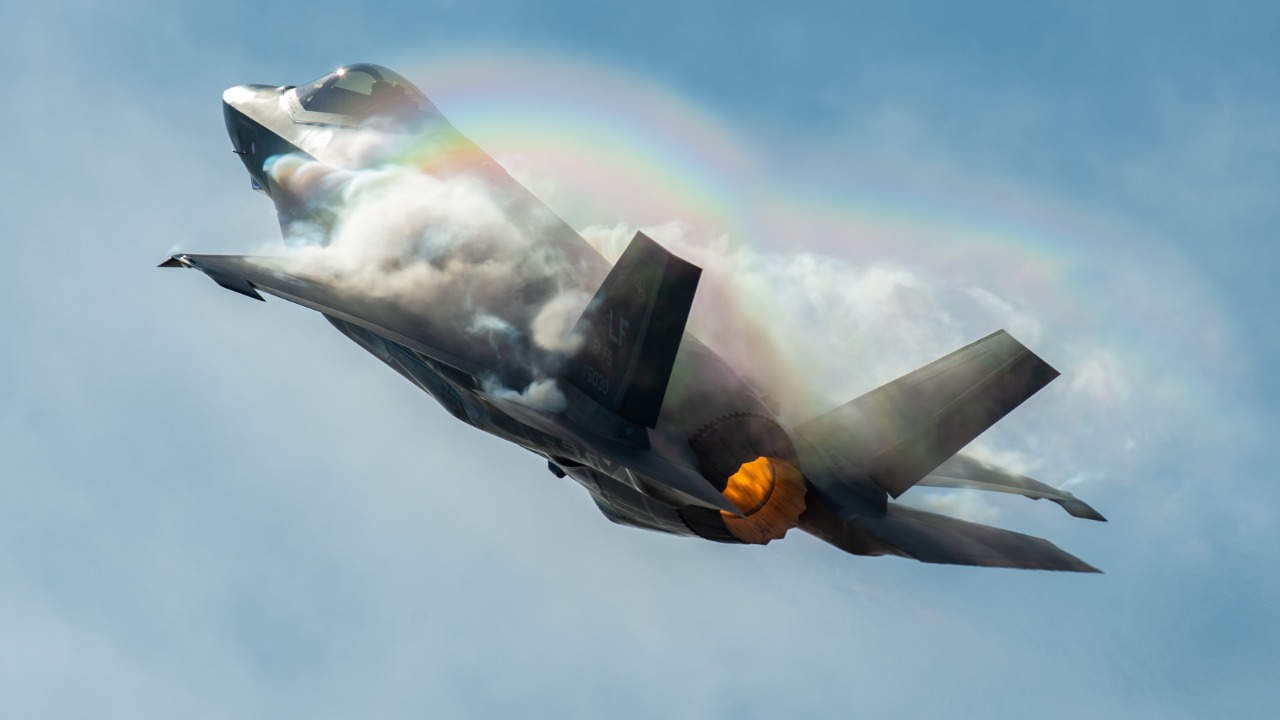
The F-35’s development has been fraught with challenges, particularly in terms of weight and design compromises. The need to incorporate a wide range of technologies and capabilities has resulted in a heavier airframe, which inevitably impacts maneuverability. The aircraft’s weight, exacerbated by its internal weapons bays and additional systems, limits its agility compared to other fighters designed specifically for air superiority roles.
Software and systems integration have also posed significant hurdles. The F-35 relies heavily on advanced software for its operations, but software stability issues have been a recurring concern. During dogfights, real-time performance is crucial, and any glitches or lags in software can severely impact the aircraft’s effectiveness. Furthermore, as a multirole fighter, the F-35’s design inherently limits its optimization for close combat scenarios, as it must balance various mission profiles beyond just air superiority.
Comparative Analysis with Legacy Fighters
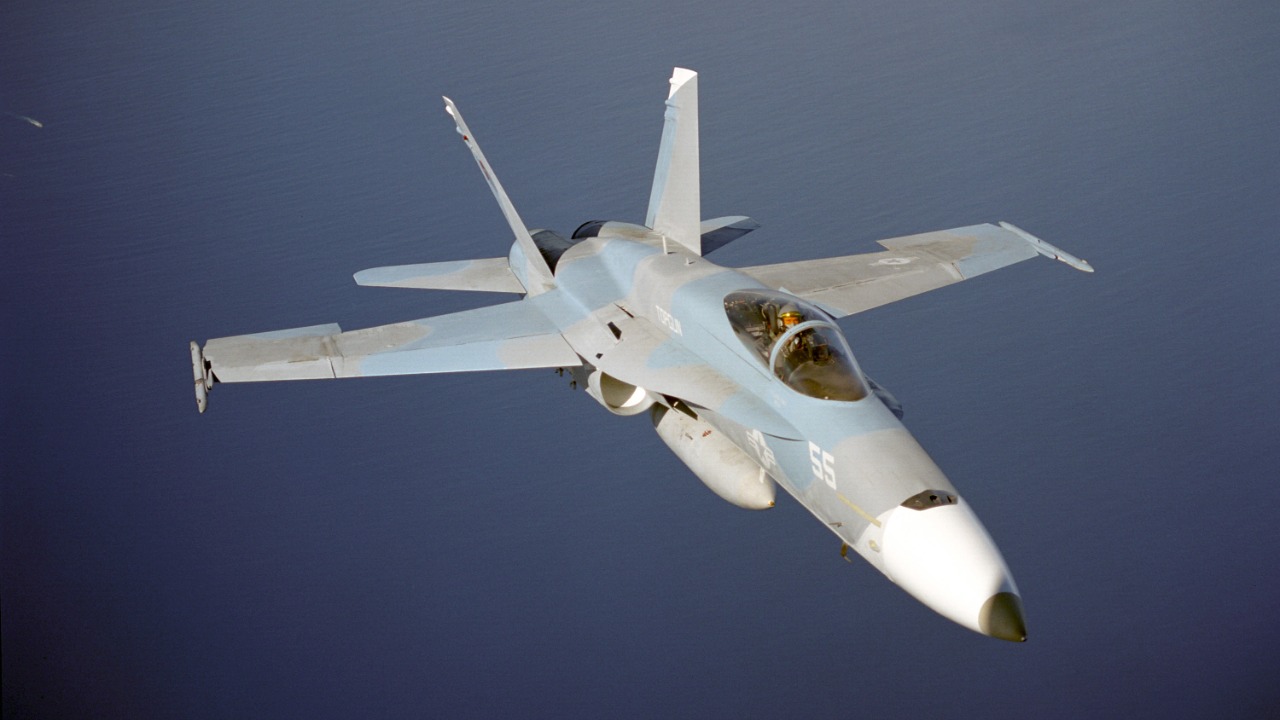
The F-35 often finds itself compared to legacy fighters like the F-16 and F-18, renowned for their dogfighting prowess. When examining performance metrics, the F-35’s agility, speed, and maneuverability often fall short. Legacy aircraft, designed during an era where dogfighting was a priority, offer exceptional turning capabilities and acceleration, which the F-35 struggles to match.
Pilot training and adaptation also play a critical role in the transition from legacy platforms to the F-35. Pilots accustomed to the nimble handling characteristics of older jets must adjust to the F-35’s different flight dynamics, which can impact their dogfighting tactics. Operational feedback from exercises and mock dogfights has highlighted both the strengths and limitations of the F-35 in close combat, offering valuable insights for future improvements.
Technological Advantages and Limitations
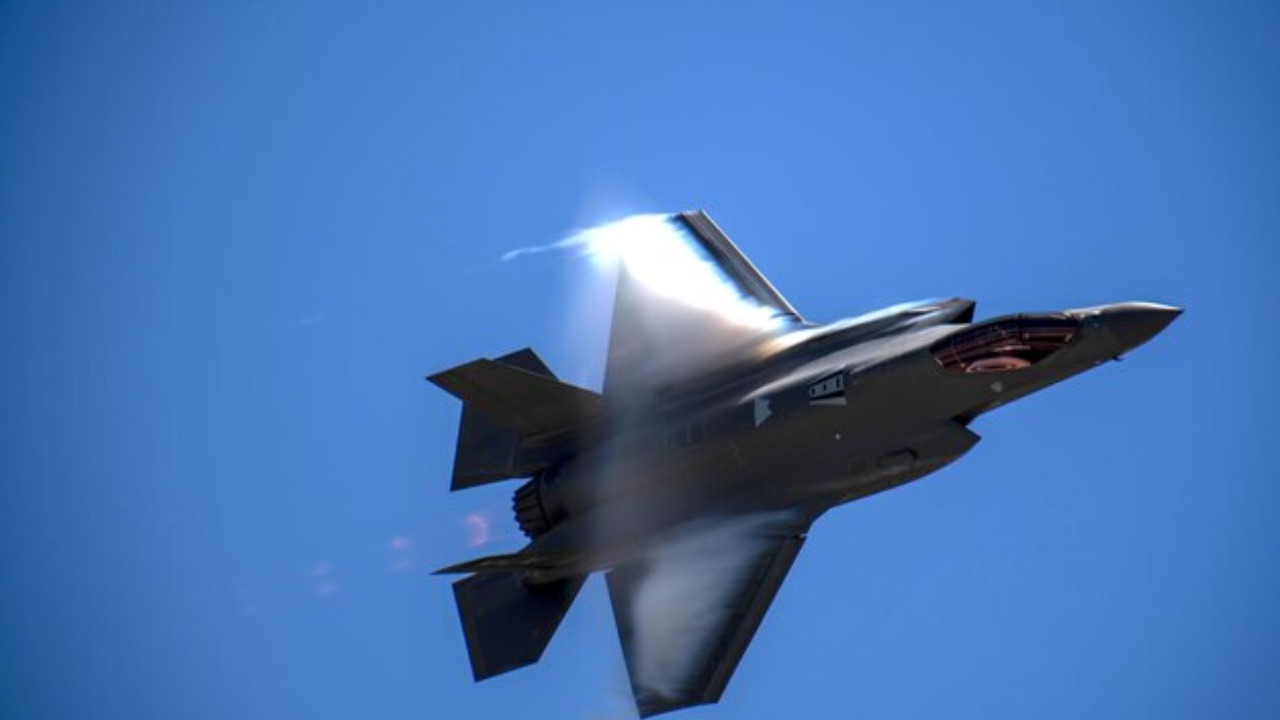
While the F-35 may not excel in traditional dogfighting, its advanced stealth capabilities and sensor fusion provide significant advantages. These technologies are designed to allow the aircraft to detect and engage enemies before being detected itself, potentially offsetting its dogfighting limitations. The emphasis on beyond visual range capabilities reflects a strategic shift towards engaging adversaries at long distances, reducing the reliance on close combat skills.
However, the F-35’s weaponry and loadout also influence its dogfighting performance. The internal weapons bays, while aiding stealth, limit the number and types of munitions the aircraft can carry, potentially affecting its effectiveness in sustained engagements. External load configurations, while expanding payload options, compromise stealth and maneuverability, further complicating its role in dogfights.
Strategic Role in Modern Combat
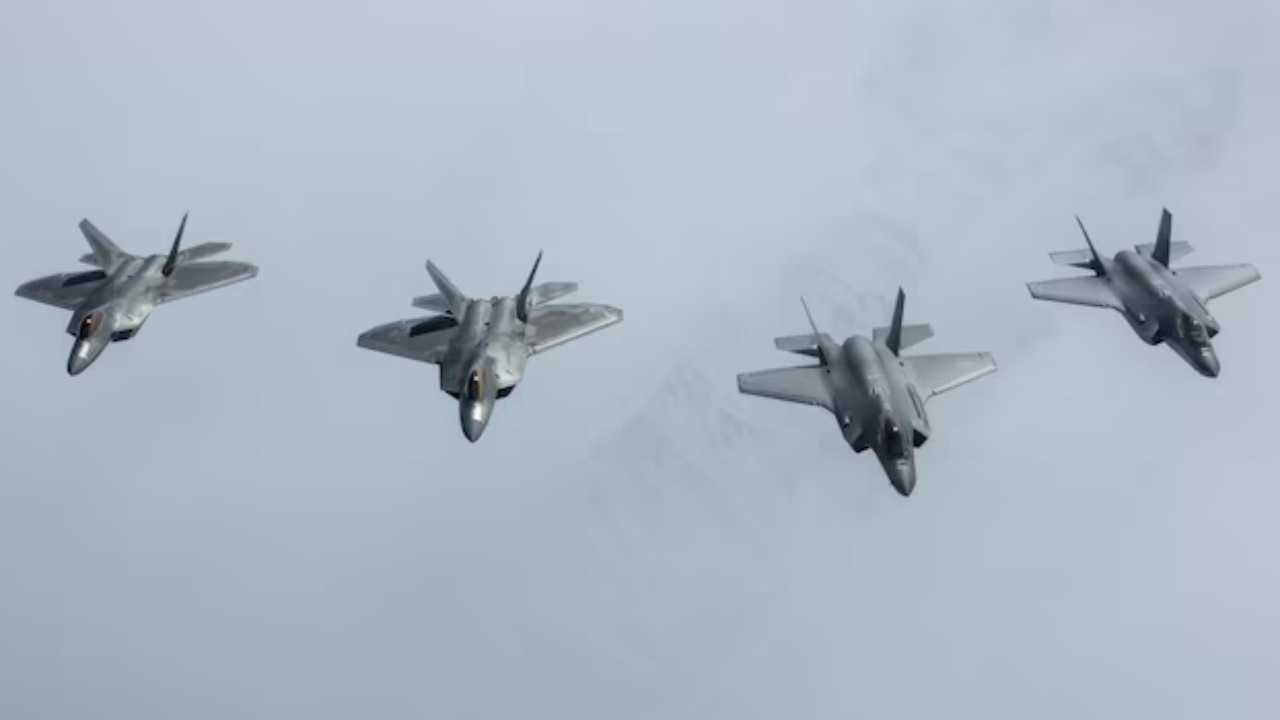
The evolution of air combat doctrine has seen a shift from traditional dogfighting to strategies prioritizing stealth and network-centric warfare. The F-35 is at the forefront of this transformation, designed to operate as part of an integrated system where information dominance is key. This shift acknowledges the changing nature of threats and the need for aircraft capable of performing multiple roles in complex conflict environments.
The goals of the Joint Strike Fighter Program, under which the F-35 was developed, were to create a versatile aircraft that could meet diverse military needs. In this context, the F-35’s capabilities align with modern military expectations, focusing more on survivability and network integration rather than dogfighting. Additionally, its integration with allied forces underscores its strategic importance in joint operations, where its advanced systems can be leveraged effectively within a coalition framework.
Future Prospects and Developments
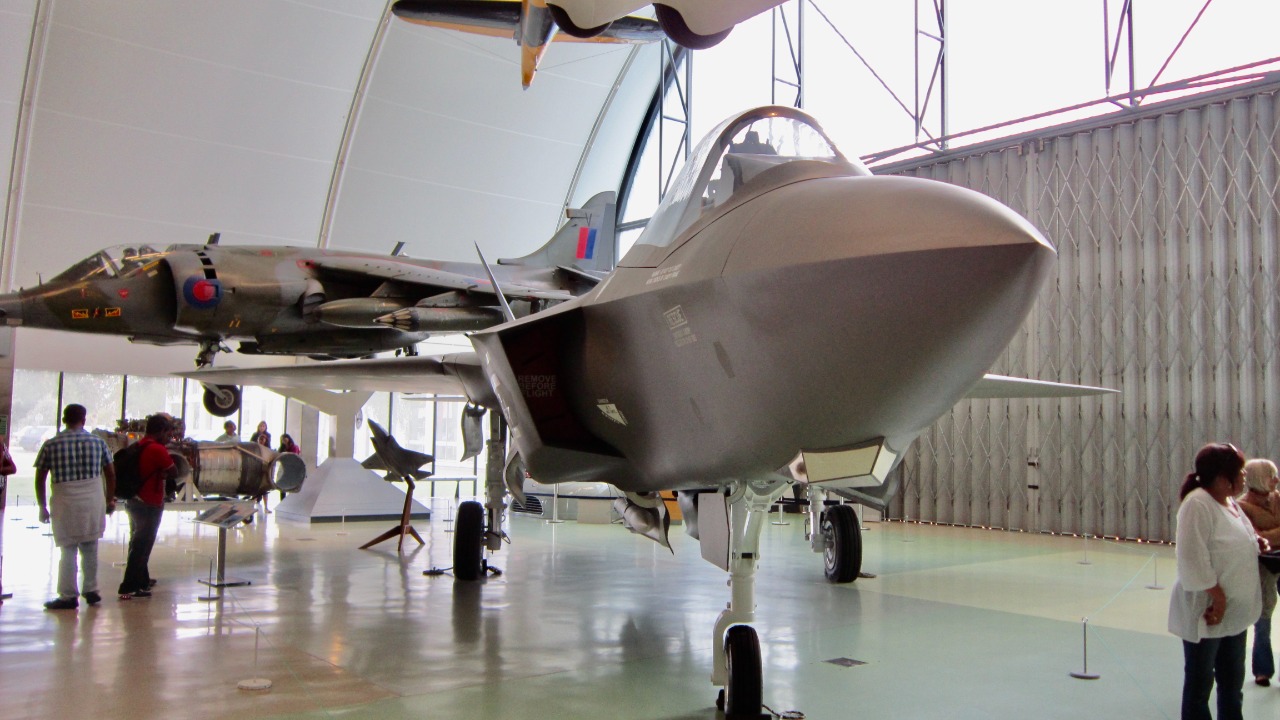
Looking ahead, ongoing software and hardware upgrades are expected to enhance the F-35’s performance, potentially addressing some of its current dogfighting limitations. Continuous feedback from pilots and operational experience drive these improvements, ensuring the aircraft remains relevant as threats evolve. The lessons learned from the F-35’s deployment inform not only its future iterations but also the development of potential successors and alternatives that may further refine air combat capabilities.
As technology advances, the possibility of new fighter designs that incorporate lessons from the F-35’s operational history becomes increasingly likely. These future developments may offer solutions to current limitations, ensuring that future aircraft can meet the demands of both modern warfare and potential dogfighting scenarios. The F-35’s journey provides valuable insights into the complex balance between technological innovation and practical combat requirements.
“`