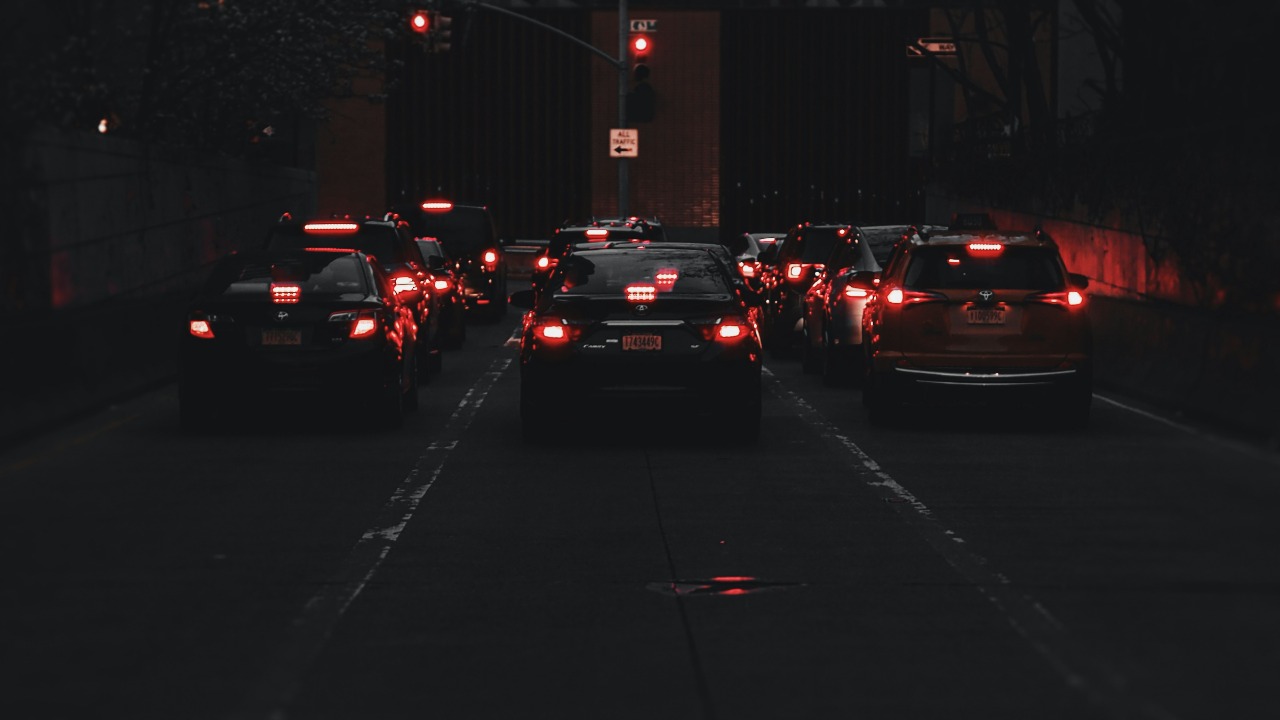

Across the United States, the line between routine summer heat and life‑threatening disaster is getting thinner. As temperatures climb and electricity demand surges, cities are confronting the prospect of deadly heat colliding with prolonged blackouts that could leave neighborhoods in the dark for days. The stakes are no longer abstract: recent storms and grid warnings point to a future in which outages during extreme weather are not rare accidents but recurring tests of urban resilience.
That future is arriving fastest in places already battered by winter storms and heat waves, from sprawling metro areas to smaller cities with aging infrastructure. Grid planners, local officials and community groups are racing to adapt, but the pace of climate‑driven extremes is outstripping the upgrades. The question I keep returning to is not whether outages will happen, but how many people will be left dangerously exposed when they do.
Grids under strain as demand surges and weather extremes collide
The basic math of the American power system is shifting in ways that make summer outages more likely. The EIA has projected that U.S. electricity demand will climb from a record 4,198 billion kilowatt‑hours in 2025 to 4,256 billion in 2026, with further growth expected in 2027. That rise is driven by everything from data centers to electrified vehicles and heating, all layered on top of hotter summers that push air‑conditioning use to new highs. When that demand spike hits a grid already stressed by aging lines and limited transmission, the margin for error shrinks to a sliver.
Grid operators are already seeing what that looks like in real time. On the largest regional system in the country, analysts expect Transmission congestion to soar as record electricity demand tests the network’s ability to move power where it is needed. At the same time, the nonprofit regulator NERC has warned that parts of the country face elevated risks of “energy emergencies during peak summer conditions,” a phrase that translates into rolling blackouts when supply cannot keep up. In its latest seasonal outlook, NERC flagged that Iowa and 14 other states could be pushed into that territory if heat and demand spike together.
Winter chaos offers a preview of summer blackout risks
Recent winter storms have provided a grim preview of what prolonged outages can mean when they coincide with dangerous weather. During a historic cold blast, Frigid Weather Stresses documented how power systems across multiple regions were pushed to their limits as snow and ice knocked out lines and forced generators offline. In storm‑hit states, more than 700,000 customers lost electricity at the peak, a figure that only slowly declined as crews struggled to reach damaged infrastructure. Those numbers are not just statistics, they represent households suddenly cut off from heat, medical devices and communications.
The human toll has been stark. As bitter cold gripped the eastern United States, Updated January reports described power outages lingering into the night while storm‑related deaths climbed, including Three Texas siblings who died after falling into an icy pond. In Nashville and other major cities, more than More than 700,000 outages were reported as snow and ice brought down lines. Several U.S. states, including parts of the Midwest and South, were placed under a state of emergency as Several communities reported hypothermia deaths linked directly to the loss of power.
Why heat plus outages is a uniquely lethal combination
If winter storms have exposed the fragility of the grid, summer heat waves threaten to turn that fragility into a mass‑casualty risk. Public health researchers have shown that Power outages during hot weather sharply increase mortality, particularly in dense urban neighborhoods where concrete and asphalt trap heat overnight. When air‑conditioning units fall silent, indoor temperatures can climb well above outdoor readings, turning apartments into ovens. For older residents, people with chronic illnesses and those without access to cooling centers, even a few hours without electricity can be dangerous.
Experts have been blunt about how unprepared cities remain for this scenario. Experts warn that a major blackout coinciding with a heat wave would significantly increase health risks and that states and cities are not ready for a prolonged, multi‑day event. Health officials have already had to caution residents about improvised coping strategies during outages, with Health authorities stressing that using gas‑powered stoves to heat homes can emit fumes that increase the risk of carbon monoxide poisoning. They have also emphasized that restoring power after a major storm can take days, not hours, which in a heat emergency could be the difference between life and death.
Southern and Midwestern cities on the front line
The geography of risk is not evenly spread. Cities across the South, already accustomed to sweltering summers, are facing a new level of vulnerability as both heat and storms intensify. In Tennessee, Mississippi, Louisiana and Texas, sprawling metro regions combine high humidity, large low‑income populations and grids that have already been tested by both hurricanes and winter freezes. When Winter Storm Fern loomed over the region, Forecasts for Winter prompted warnings from Simon Mahan, Executive Director of a regional energy group, that the storm’s ice and wind could pose a serious risk to the electric grid. That same mix of weather hazards and infrastructure weaknesses will be in play when the next heat dome settles over the Gulf Coast.
The Midwest is hardly safer. Iowans have already been warned that if demand continues to outpace supply, rolling blackouts could be necessary during peak summer conditions. A recent assessment highlighted that NERC sees several North American regions as vulnerable to reliability issues when heat domes drive up demand. States like Kentucky, which sit at the intersection of multiple grid regions, can find themselves squeezed when neighboring systems are also short on power and less able to export electricity during a crisis.
What cities can do now to blunt the impact
City leaders are not powerless in the face of these threats, but the window for preparation is narrowing. Energy experts have outlined steps that could reduce blackout risks during extreme weather, from investing in local generation and storage to improving coordination between utilities and emergency managers. In a recent analysis, specialists argued that The United States must overhaul how it plans for winter storms and extreme weather in general, including better weatherization of power plants and more flexible demand‑response programs that can quickly reduce load. Engineers have also stressed that Multiple factors, from tree trimming to undergrounding lines, can reduce the damage that Ice storms inflict on grids.
On the public‑health side, cities can save lives by planning for the assumption that some outages will last days. That means mapping vulnerable residents, pre‑identifying buildings that can serve as 24‑hour cooling and heating centers with backup power, and investing in communication systems that work even when cell networks falter. Long Island communities, for example, are grappling with how to maintain reliability after 2 wind projects off the coast were paused by the Trump administration, even as a U.S. power grid regulator warns of possible blackouts due to heat and ongoing drought. At the neighborhood level, residents can take practical steps: Moreover, keeping informed through tools like outage maps and local alerts can provide crucial clarity in the chaotic first hours of a blackout.
More from Morning Overview