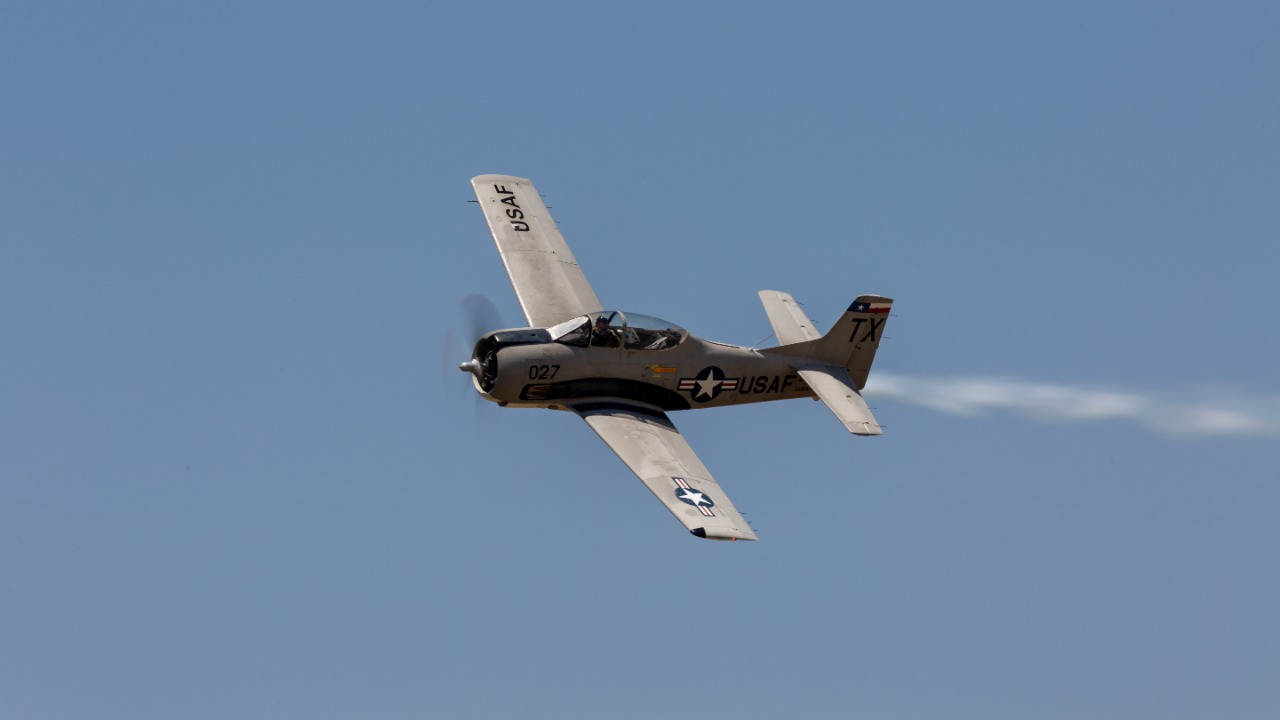

Throughout aviation history, certain aircraft have stood out not only for their speed and agility but also for their unparalleled armor and resilience. These warbirds, designed to withstand the harshest conditions and enemy fire, have earned their place as icons of military aviation. This exploration covers the development, features, and legacy of the most armored aircraft in history.
Evolution of Armored Aircraft
Early Innovations in Aircraft Armor
The introduction of armor in aircraft dates back to World War I when the need for protection against enemy fire became apparent. Early designs focused on shielding pilots and critical components, leading to the development of armored seats and reinforced fuselages. These innovations marked a crucial shift in aircraft design, influencing both strategy and tactics on the battlefield.
As the war progressed, engineers experimented with various materials and configurations to optimize protection without compromising performance. This era laid the groundwork for future advancements, as military strategists recognized the value of armored aircraft in achieving air superiority. The lessons learned during World War I set the stage for more sophisticated developments in the decades to follow.
World War II Advancements
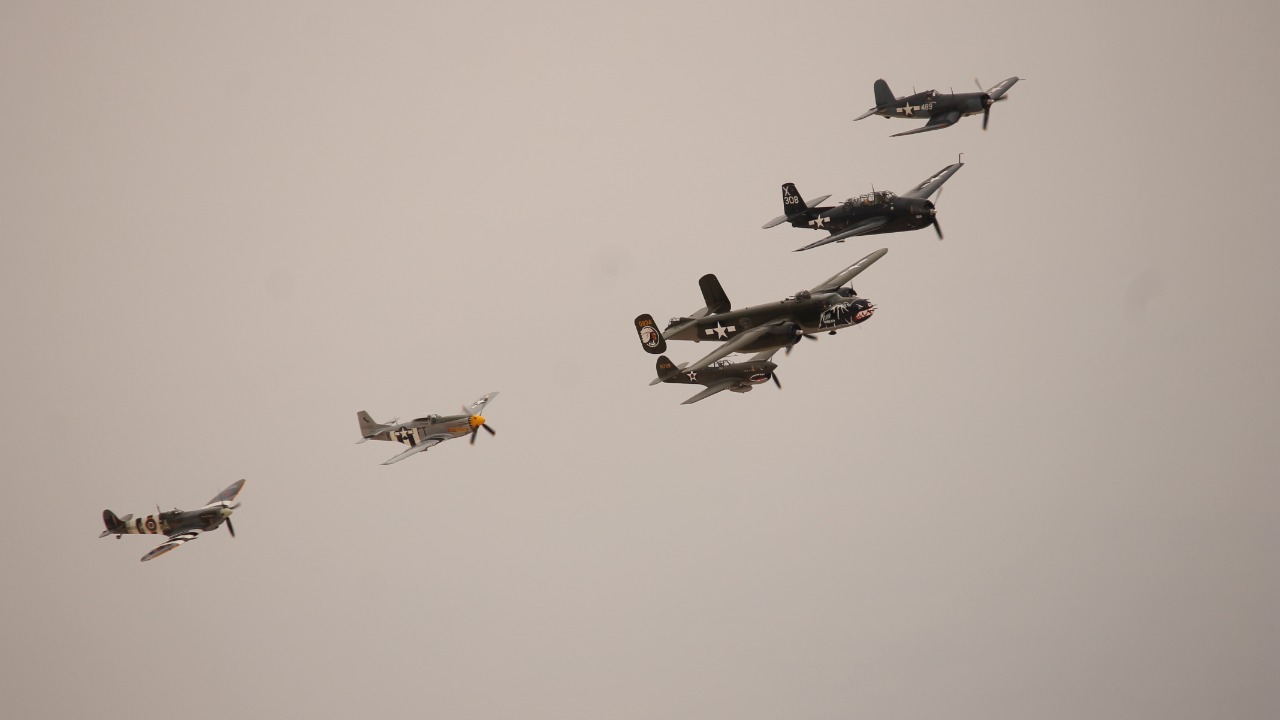
The technological leaps in armor during World War II were significant, with aircraft like the P-47 Thunderbolt and the B-17 Flying Fortress emerging as formidable forces in the sky. These planes were equipped with thicker armor plating and self-sealing fuel tanks, enhancing their ability to survive intense enemy fire. The P-47, known for its robust design, demonstrated remarkable resilience in combat, often returning from missions with extensive battle damage.
The B-17 Flying Fortress earned its name through its ability to withstand heavy attacks while continuing to deliver its payload. Engineers focused on reinforcing critical areas and improving structural integrity, ensuring these aircraft could endure the rigors of war. This period also saw the introduction of more advanced weaponry, necessitating further enhancements in defensive capabilities.
Post-War Developments
After World War II, the onset of the Cold War spurred further advancements in aircraft armor. The integration of new materials such as aluminum alloys and titanium became prevalent, allowing for lighter yet stronger airframes. These innovations were crucial in the development of jet-powered aircraft capable of withstanding the high-speed demands of modern warfare.
Engineers also began to explore the use of advanced composite materials, paving the way for future innovations. The Cold War era emphasized the importance of maintaining a technological edge, driving continuous improvements in design and materials. This period of rapid advancement laid the foundation for modern armored aircraft, setting new standards for durability and performance.
The Lockheed SR-71 Blackbird: A Case Study
Design and Construction
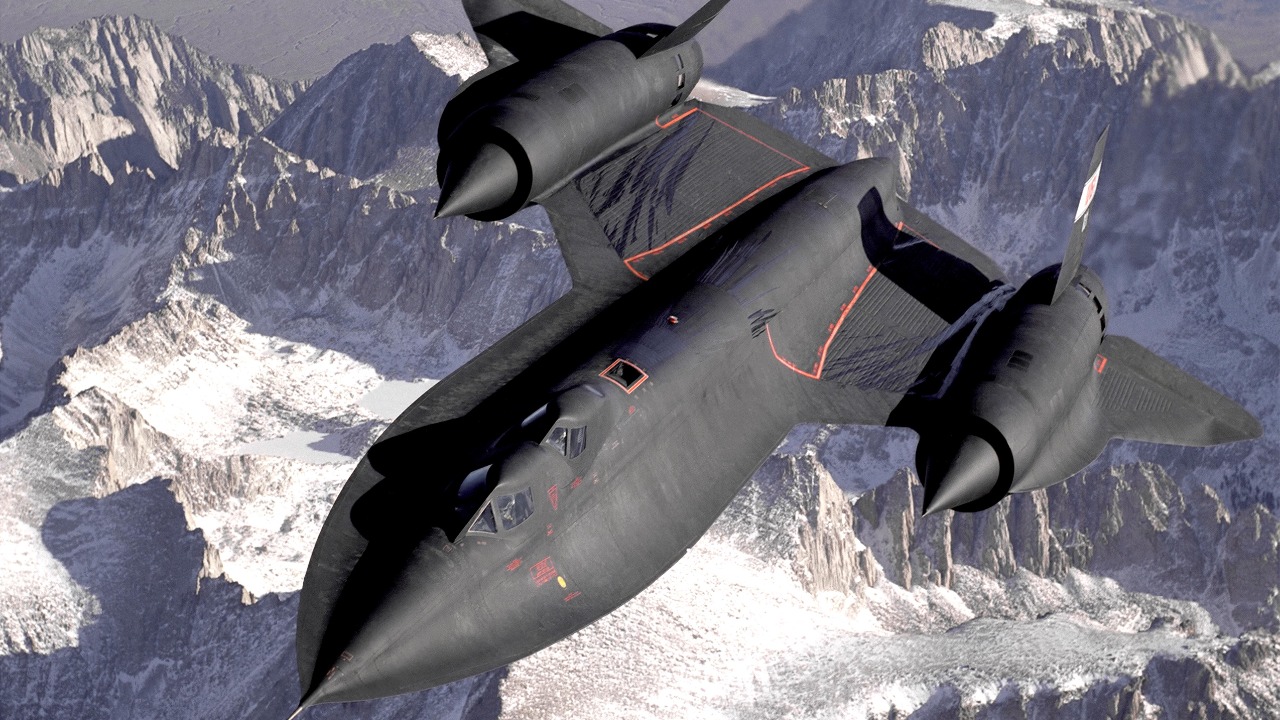
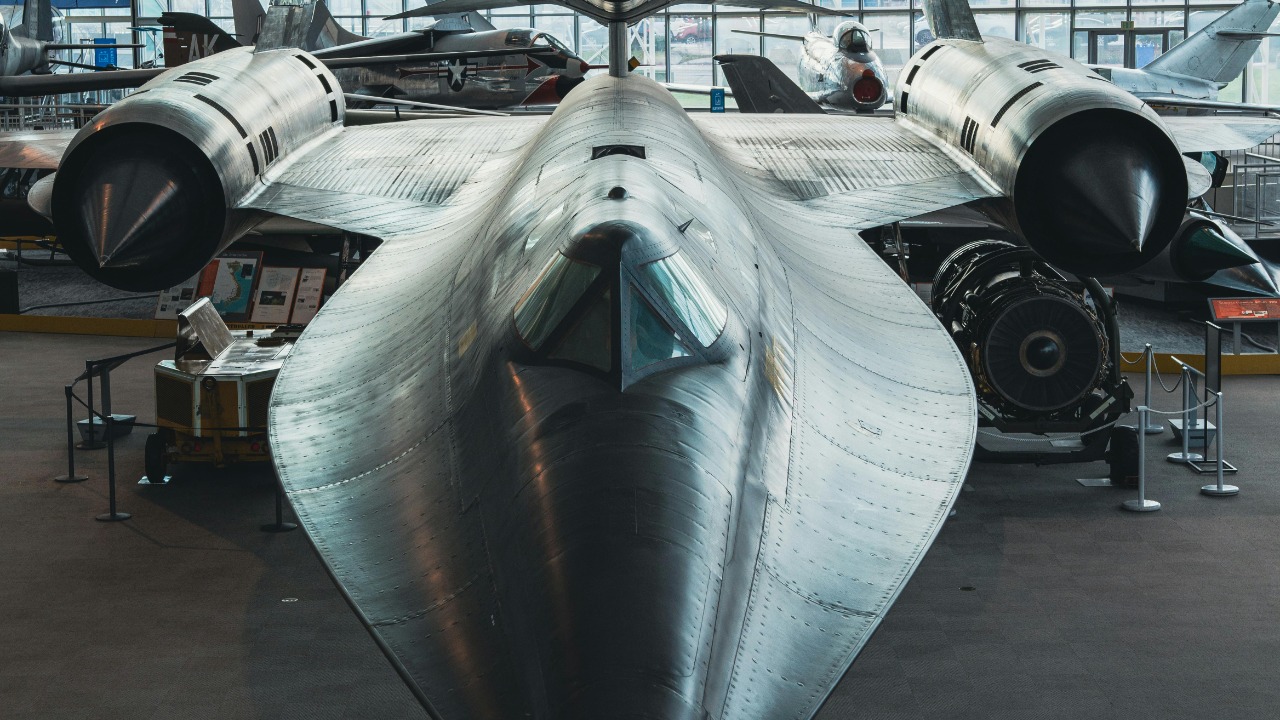
The Lockheed SR-71 Blackbird stands as a testament to the possibilities of aircraft design and material science. Conceived during the Cold War, the Blackbird featured a unique design that prioritized speed and stealth. Its titanium construction allowed it to endure the intense heat generated by flying at Mach 3, while its sleek profile minimized radar detection.
Engineers employed cutting-edge techniques to assemble the aircraft, overcoming the challenges associated with working with titanium. The result was a plane that could operate in hostile environments, gathering intelligence without detection. The SR-71’s design remains a masterclass in balancing speed, stealth, and resilience, influencing future generations of aircraft.
Operational History
The SR-71 Blackbird’s operational history is filled with remarkable missions that demonstrated its capabilities. From reconnaissance over hostile territories to gathering critical intelligence during the Cold War, the Blackbird proved its worth as a strategic asset. Its ability to fly at altitudes exceeding 85,000 feet made it nearly invulnerable to enemy defenses, earning it a reputation as one of the most effective spy planes ever built.
Despite numerous attempts by adversaries to intercept or shoot down the Blackbird, it remained untouchable throughout its service. The aircraft’s speed and altitude capabilities allowed it to evade threats, completing missions with unparalleled success. This operational record solidified the SR-71’s legacy as an icon of military aviation.
Legacy and Influence
The legacy of the SR-71 Blackbird extends beyond its operational achievements. Its influence on modern aircraft design is evident in the continued emphasis on speed, stealth, and advanced materials. The Blackbird’s success inspired subsequent generations of aircraft, including the development of stealth technology and advanced reconnaissance platforms.
Today, the SR-71 is celebrated in museums and airshows worldwide, where it continues to capture the imagination of aviation enthusiasts. Its enduring impact on military aviation is a testament to the innovative spirit that drove its creation, ensuring its place in history as a pioneering aircraft.
Technological Innovations in Aircraft Armor
Material Science Breakthroughs
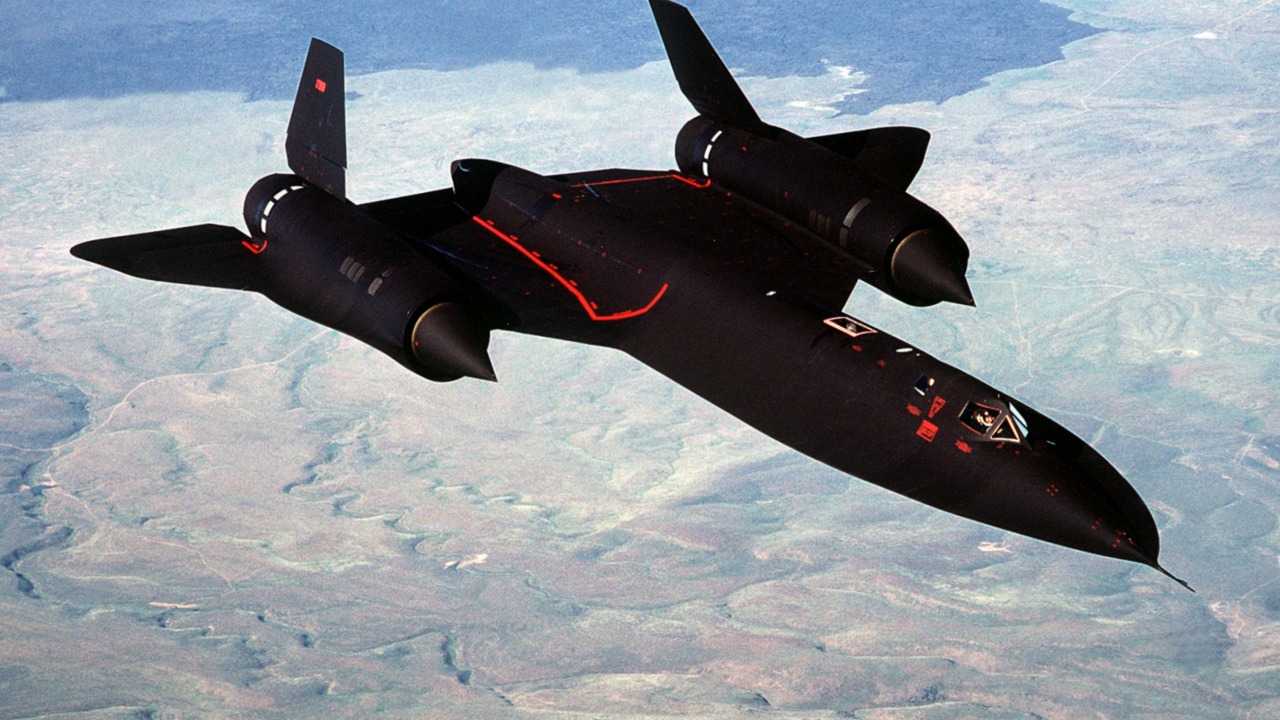
Advancements in material science have revolutionized aircraft armor, with the development of stealth composites playing a significant role. These materials offer superior protection while minimizing weight, enhancing both survivability and performance. Engineers continue to explore new alloys and composites, seeking to balance strength and flexibility in aircraft design.
Recent breakthroughs have focused on integrating these materials into airframes, optimizing for both durability and stealth. The ability to absorb radar waves further enhances an aircraft’s ability to evade detection, providing a critical advantage in modern warfare. As material science progresses, the potential for even more advanced armor solutions continues to grow.
Active and Passive Defense Systems
In addition to material advancements, the role of electronic warfare and stealth technology has become increasingly important in enhancing aircraft survivability. Active defense systems, such as electronic countermeasures and radar jamming, are now standard features in modern military aircraft. These technologies allow planes to disrupt enemy targeting systems, reducing the likelihood of successful attacks.
Passive systems, including radar-absorbent materials and low-observable designs, further contribute to an aircraft’s defensive capabilities. The integration of these systems represents a holistic approach to aircraft armor, combining physical protection with technological innovations. This synergy ensures that modern warbirds remain formidable adversaries in any conflict scenario.
Future Trends
Looking to the future, advancements in aircraft armor will likely focus on further enhancing stealth capabilities and integrating artificial intelligence for adaptive defense strategies. The development of smart materials that can change properties in response to threats is an exciting prospect, offering new possibilities for aircraft protection.
As global threats evolve, so too must the technology that protects military assets. The continued investment in research and development promises to yield innovations that will redefine the standards of aircraft armor. These future trends underscore the dynamic nature of military aviation, where the pursuit of excellence drives constant evolution.
The Role of Armored Aircraft in Modern Warfare
Strategic Importance
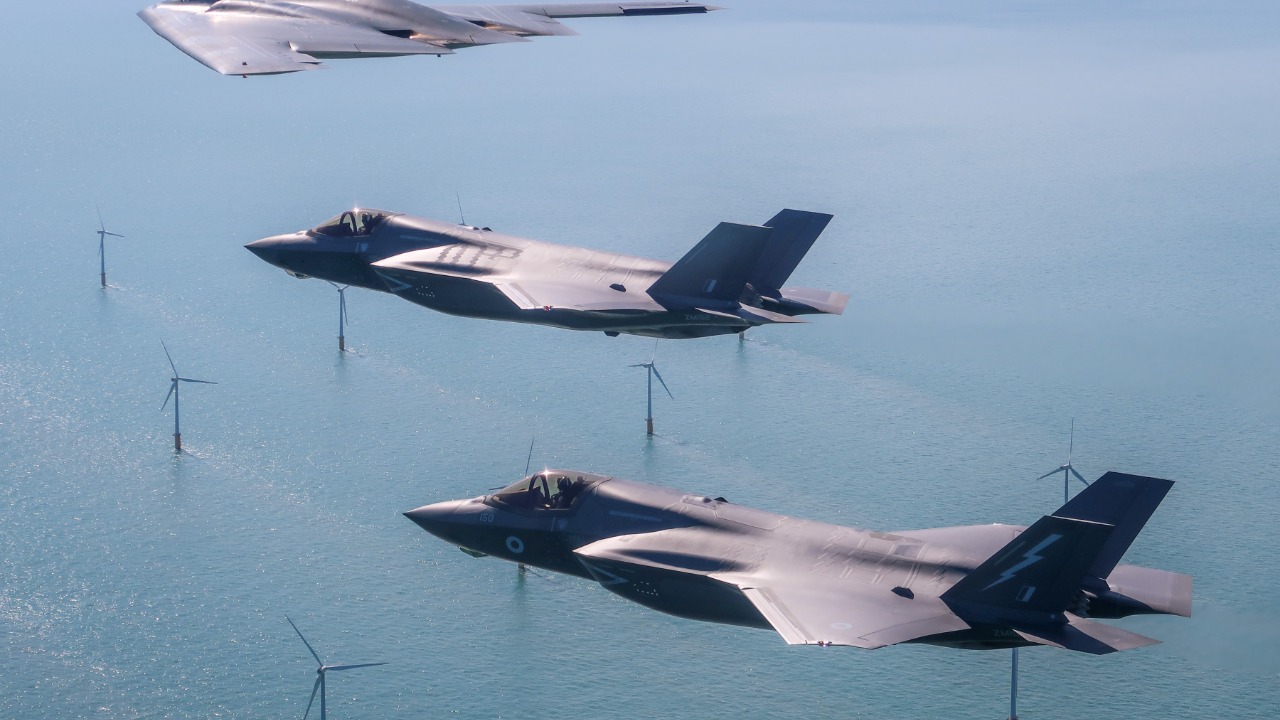
In the context of modern warfare, armored aircraft play a critical role in maintaining air superiority. Their ability to survive in hostile environments and deliver precise strikes makes them invaluable assets in any military operation. The strategic importance of these aircraft lies in their versatility, allowing for rapid deployment and effective engagement across various missions.
By providing reliable support to ground forces and conducting reconnaissance, armored aircraft contribute significantly to operational success. Their presence in a theater of war serves as a deterrent, demonstrating a nation’s military capabilities and commitment to defense. As a result, these aircraft remain central to contemporary military strategies.
Challenges and Limitations
Despite their advantages, heavily armored aircraft face challenges related to weight, maneuverability, and cost. The addition of armor increases an aircraft’s overall weight, potentially impacting its agility and fuel efficiency. Engineers must carefully balance protection with performance to ensure optimal functionality.
Moreover, the cost of developing and maintaining advanced armored aircraft can be prohibitive. These expenses necessitate careful consideration by military planners, who must weigh the benefits against budgetary constraints. Nonetheless, the continued demand for robust aerial platforms underscores their enduring value in modern warfare.
Case Studies
Recent conflicts have highlighted the strategic value of armored aircraft, with numerous examples demonstrating their effectiveness. In operations across the Middle East, for instance, aircraft equipped with advanced defensive systems have played pivotal roles in achieving mission objectives. These real-world applications underscore the importance of armored aircraft in contemporary military engagements.
The success of these platforms in various theaters of conflict serves as a testament to their design and technological sophistication. As military tactics evolve, the lessons learned from these case studies will inform future developments in aircraft armor and defensive capabilities.
Cultural and Historical Impact
Iconic Status
Armored aircraft have captured the public’s imagination, becoming symbols of national power and technological prowess. Their iconic status is reflected in the reverence shown by aviation enthusiasts and the general public alike. These warbirds represent the pinnacle of engineering, embodying the spirit of innovation and resilience.
The fascination with these aircraft extends beyond their military applications, as they inspire admiration for their design and capabilities. Their presence in museums and airshows worldwide ensures that their legacy endures, offering future generations a glimpse into the history of military aviation.
Media and Popular Culture
Representations of armored aircraft in films, literature, and video games have further cemented their place in popular culture. Iconic movies and books often feature these aircraft, highlighting their strategic importance and technological sophistication. This media exposure has shaped public perceptions, fostering a sense of awe and respect for these machines.
Video games, in particular, have brought the thrill of piloting armored aircraft to a broader audience. These digital experiences allow players to engage with the challenges and excitement of aerial combat, further popularizing these legendary warbirds. The cultural impact of these representations is significant, influencing how society views military aviation.
Preservation and Museums
Efforts to preserve historic armored aircraft are essential in maintaining their stories for future generations. Museums and airshows play a crucial role in this endeavor, showcasing these warbirds to the public. These institutions offer an opportunity to learn about the technological advancements and historical significance of armored aircraft.
By preserving these machines, we ensure that their legacy endures, inspiring future innovations in military aviation. The dedication to maintaining these historic aircraft reflects a broader appreciation for the contributions they have made to national defense and technological progress.