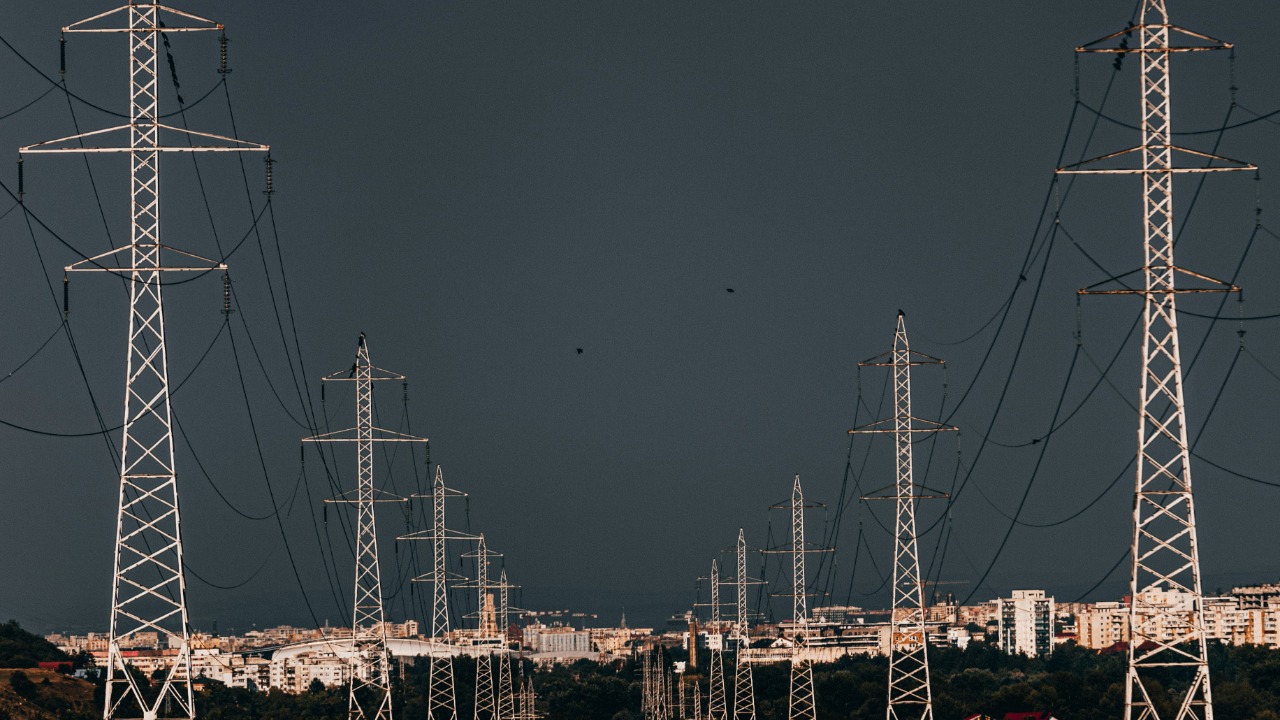

America’s power grid is entering 2026 with mounting stress, and experts warn that a handful of states face the sharpest blackout risk if extreme weather hits. With demand climbing faster than new capacity and winter storms already exposing weak links, the threat is no longer theoretical. I look at five states that, based on current reliability warnings and regional vulnerabilities, are most likely to face disruptive outages in the year ahead.
Texas
Texas sits at the center of blackout fears because its isolated grid and volatile weather combine into a dangerous mix. Regional planners warn that peak winter demand is rising faster than new generation, with a 2.5% jump in expected peak winter power demand outpacing planned capacity additions. That imbalance leaves Texas exposed when cold snaps freeze gas infrastructure or sideline wind output. Grid operators can order rolling outages, but if plants trip unexpectedly, entire metro areas could go dark for hours.
Recent winter forecasts highlight how a single severe system can push Texas to the brink. Analysts tracking a major storm have warned that southern states in its path face heightened outage risk as ice and freezing rain hit power lines and transformers. In Texas, where many homes still rely on electric resistance heating, that surge in load can collide with fuel supply disruptions. For residents and businesses, the stakes include frozen pipes, shuttered factories, and hospitals scrambling to keep backup generators fueled.
Louisiana
Louisiana faces a different but equally serious threat, as overlapping hurricane and winter hazards strain an aging grid. The same Gulf moisture that feeds tropical storms can turn into crippling ice when Arctic air plunges south, coating lines and knocking out substations. Experts tracking the projected path of a major winter system warn that southern states like Louisiana are at particular risk because heavy precipitation and cold can simultaneously damage infrastructure and spike heating demand, a combination that sharply raises the chance of extended blackouts.
Compounding that, Louisiana’s power mix leans heavily on natural gas, which can be disrupted when freezing temperatures hit power generating stations and wellheads. When gas pressure drops, plants may be forced offline just as demand peaks, leaving utilities to rely on limited imports from neighboring states that are also under stress. For refineries, petrochemical plants, and port facilities clustered along the Mississippi River, even short outages can halt production, disrupt exports, and ripple through national fuel supplies.
Mississippi
Mississippi’s blackout risk in 2026 stems from its position in a corridor where severe winter storms and summer heat waves are both intensifying. The state sits within the southern band highlighted by forecasters as vulnerable to a powerful winter system that could test already fragile infrastructure. Ice accumulation on distribution lines, combined with tree damage in rural areas, can leave entire counties cut off from power for days. When that happens, local utilities often struggle to bring in mutual aid crews quickly enough, especially if neighboring states are hit at the same time.
Mississippi’s grid also depends on gas-fired plants and long transmission corridors that cross flood-prone and storm-prone terrain. If freezing conditions disrupt fuel delivery while high winds topple lines, operators may have to shed load aggressively to prevent a wider collapse. For households, that means preparing for outages that last longer than a single night, with particular consequences for residents who rely on electric medical equipment or lack alternative heating. Industrial customers, including steel and paper mills, face costly shutdowns whenever voltage sags or service is interrupted without warning.
Alabama
Alabama is another southern state where 2026 could bring a convergence of rising demand and weather-driven stress. The state lies squarely in the zone where a major winter storm is expected to track, and analysts warn that the combination of freezing rain, snow, and strong winds could overwhelm distribution networks. Unlike regions built around heavy snow, much of Alabama’s infrastructure is not designed for prolonged ice loading, so poles and lines are more likely to fail when conditions deteriorate. That vulnerability is magnified in wooded areas where falling branches can trigger cascading outages.
At the same time, Alabama’s growing population and industrial base are pushing electricity use higher, tightening the margin between available capacity and peak load. If a storm knocks out multiple transmission corridors, grid operators may have to prioritize power for critical facilities such as hospitals and water systems while residential neighborhoods sit dark. The experience of Canadian utilities, where experts warn that extreme weather is outpacing grid upgrades, offers a cautionary parallel. Without accelerated investment in hardening lines and substations, Alabama risks repeating those failures under Southern conditions.
Tennessee
Tennessee rounds out the list because it sits at the crossroads of multiple regional power flows and faces both winter and summer reliability challenges. When Arctic air plunges into the Tennessee Valley, electric heating demand can spike rapidly, stressing transmission ties that move power across state lines. Analysts warning of a coming grid crisis in 2026 describe how, in a widespread event, You could step outside to eerie silence, with No Wi and no background hum of daily life, as entire neighborhoods lose electricity at once.
In that scenario, Tennessee’s role as a regional hub becomes a liability, because problems in neighboring states can quickly spill over into local outages. If upstream generators trip offline or transmission constraints tighten, operators may be forced into rolling blackouts to keep the wider system stable. For residents, that means planning for multi-hour interruptions even if their immediate area avoids direct storm damage. Manufacturers along key corridors, including auto plants and logistics hubs, would face production losses and supply chain delays every time the grid operator orders an emergency curtailment.
More from Morning Overview