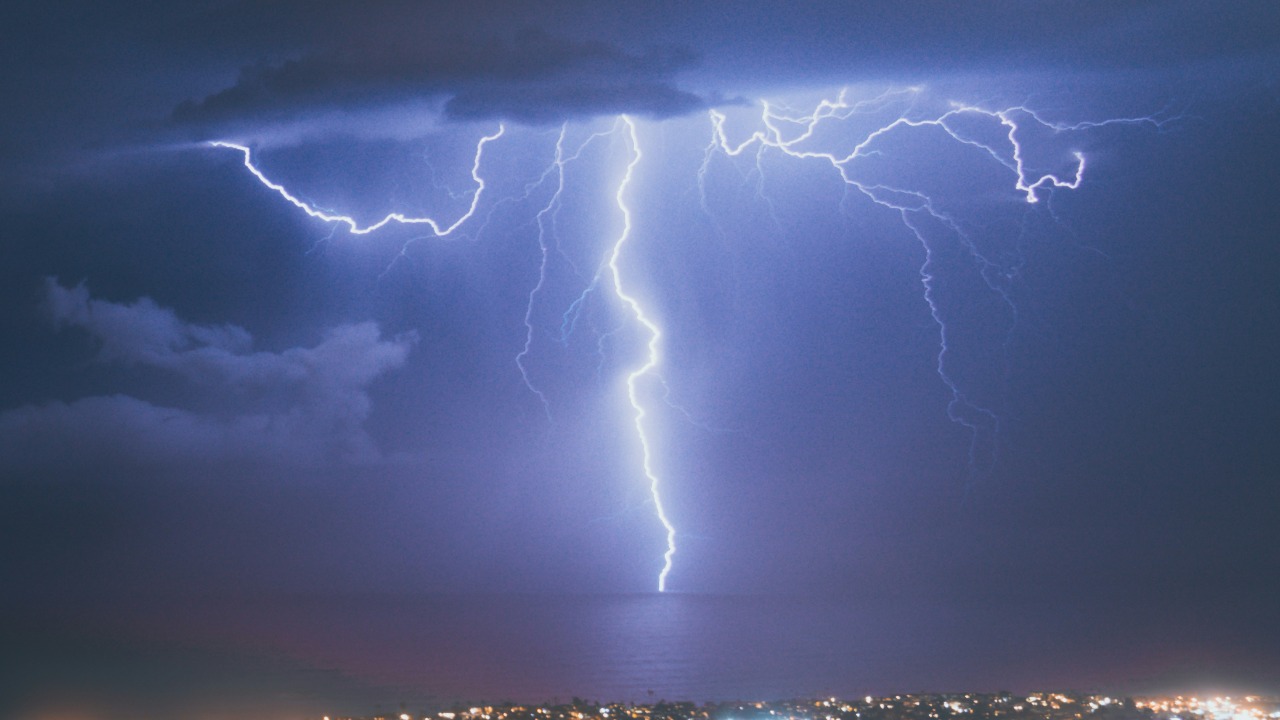

The most electrified place in the country is no longer the Sunshine State. New data for 2025 shows that Florida has been pushed off its long-held perch as the nation’s lightning leader, with a Great Plains rival now taking the crown. The shift caps a year when lightning activity surged nationally and forces a rethink of where the greatest storm risks really lie.
At the same time, Florida’s reputation for dangerous storms is far from gone, as the state still tops the country in lightning deaths. The new rankings highlight how changing weather patterns, population growth and outdoor lifestyles are reshaping who faces the greatest risk from the sky.
How Oklahoma surged past Florida
The new lightning champion is Oklahoma, which now records the highest lightning flash density in the country. According to a nationwide analysis of cloud-to-ground and in-cloud strikes, the state logged roughly 73 lightning flashes per square mile in 2025, a figure that puts it ahead of every other state and signals a broader spike in storm activity across the Great Plains. That 73 figure, drawn from a dense sensor network, reflects not just the classic spring severe weather season but also frequent warm-season thunderstorms that bubbled up over the state’s open terrain.
Researchers who compiled the 2025 United States point to a combination of ingredients that helped Oklahoma overtake its subtropical rival. Warm, humid air from the Gulf of Mexico colliding with drier air from the interior, plus strong upper-level winds, created an ideal setup for towering thunderclouds and repeated lightning outbreaks. A separate national overview of storm activity notes that U.S. lightning hits, and Oklahoma’s jump to the top of the rankings is one of the clearest signs of that broader trend.
Florida’s dethroning, and what has not changed
For decades, Florida has been shorthand for lightning in the United States, thanks to its humid air, sea-breeze collisions and long, hot summers. The new data confirms that the state no longer has the highest flash density, but it still sits near the top of the list of stormiest states and remains a global hotspot for electrical storms. A regional breakdown of storm patterns shows that stadiums in MIAMI GARDENS, Fla, including Hard Rock Stadium, and other large outdoor venues in the state continue to rank among the most lightning-prone sports locations in the country, underscoring how often storms fire over the peninsula.
Even more sobering, Florida still leads the nation in lightning fatalities. One analysis of lightning deaths in 2025 found that, Despite losing the statistical title of lightning capital, Florida recorded more deaths than any other state, with incidents skewing heavily toward men and often involving people caught outdoors near water or open fields. Another breakdown of the new rankings notes that residents in NORFOLK, Va. were among those learning that Florida had slipped from the top spot even as the state still logged a high number of strikes compared to 2024, a reminder that risk is about people as much as raw flash counts.
A record year in the sky
The reshuffling of the lightning leaderboard comes in a year when the country as a whole saw a dramatic spike in electrical storms. The Vaisala Xweather Annual Lightning Report 2025, released in Jan as the Vaisala Xweather Annual, found that The United States recorded 252 m lightning events in 2025, the highest total in eight years. That figure includes both cloud-to-ground and in-cloud flashes, captured by a nationwide network of sensors that can detect the electrical signatures of storms over land and water.
Other analyses echo that surge, noting that the stormiest states in America saw a noticeable uptick in thunderstorm days and lightning frequency. A separate summary of the new rankings notes that Last year, Florida was dethroned as the lightning strike capital of the United States, according to a new report, and that shift happened in the context of a broader national increase in lightning activity. That same overview, framed as NEED TO KNOW for weather-aware readers, emphasizes that the United States is dealing with more frequent and sometimes more intense thunderstorms even in regions that had a relatively drier than usual year, a pattern that helps explain why Oklahoma’s flash density surged while some traditional storm belts saw more uneven rainfall.
Why Oklahoma is so electrified
To understand why Oklahoma now tops the lightning charts, it helps to look at its geography and storm climatology. The state sits at the crossroads of moist Gulf air, hot continental heat and cooler, drier air from the Rockies, a collision zone that routinely breeds severe thunderstorms. Meteorologists who examined the 2025 data told national outlets that this setup allowed Oklahoma to surpass Florida, with one expert noting that the state’s position in the Great Plains corridor makes it especially prone to repeated storm development over the same areas. That helps explain why the flash density reached 73 per square mile, a figure highlighted in a separate breakdown of how AEM, with the help of its Earth Networks Total Lightning Network, mapped lightning activity across the Great Plains and found a clear maximum over the Sooner State.
Within Oklahoma, some counties and communities stand out as particular hotspots. Analysts point to Kay County in the north and areas near Shady Grove in the east as examples of places that saw frequent storms roll through in 2025. A closer look at Shady Grove shows how rural communities with open fields, sparse tree cover and outdoor work can face repeated exposure when storm clusters sweep across the state. A video explainer on the new rankings, shared in early Jan, underscores that Florida has been dethroned as the lightning capital of the US and that title now belongs to Oklahoma, reinforcing how the state’s unique storm environment has turned it into the country’s most electrified landscape.
Risk, readiness and what comes next
The new lightning map carries real-world consequences for safety planning, infrastructure and public awareness. Even as Oklahoma claims the statistical crown, Florida’s high death toll shows that human behavior, tourism and outdoor culture can matter as much as raw flash counts. State and local officials in both places are being urged to expand lightning safety campaigns, from stadium protocols in MIAMI GARDENS, Fla to outreach in rural Great Plains counties where people often work outside with little shelter. A detailed look at Oklahoma’s new status notes that the surge in lightning activity across the Great Plains is prompting calls for better forecasting tools and more targeted alerts for farmers, construction crews and energy workers.
Other storm-prone states are watching closely. Texas, with its sprawling cities and oil fields, remains a major lightning hotspot, while Oklahoma and neighboring Plains states continue to see intense storm seasons. At the same time, multiple summaries of the new rankings stress that Last year’s lightning surge unfolded even as some regions had a drier than usual year, a reminder that thunderstorms and rainfall do not always move in lockstep. For Florida, the loss of its old label has not erased its stormy reality: searches for Florida’s lightning record still show a state near the top of national rankings, and additional breakdowns of Florida’s climate highlight how its warm, humid environment continues to fuel frequent storms. As I see it, the new crown for Oklahoma, confirmed in searches for Oklahoma’s lightning statistics and in fresh rundowns of Florida’s changing rank, is less about bragging rights and more about a shifting risk map that emergency managers, utilities and everyday people will have to take seriously.
More from Morning Overview