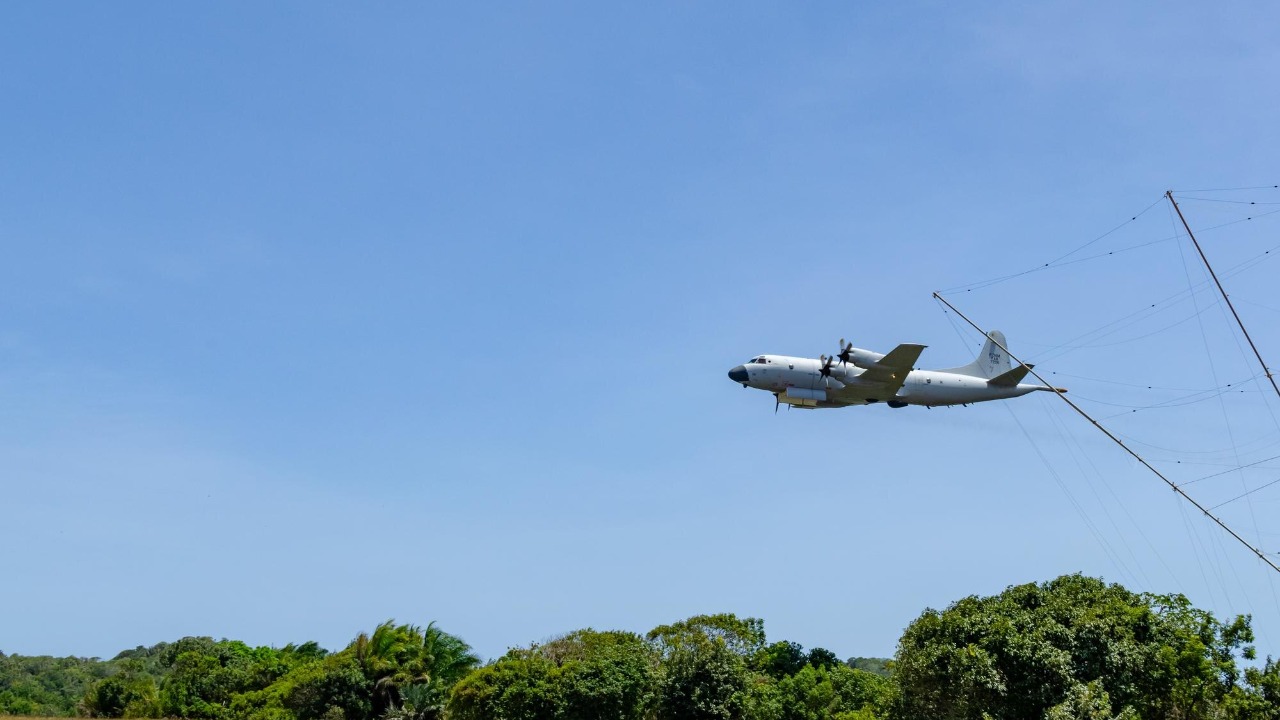

Low-flying warplanes and helicopters rattling windows over South Florida have become more than a passing curiosity. For residents from Broward County to Palm Beach County, the roar of engines skimming the rooftops has stirred anxiety about safety, transparency and what it means to live under increasingly crowded skies. The latest surge in military activity has collided with long‑running frustration over civilian flight paths, leaving neighborhoods on edge and demanding clearer answers.
Sudden military flyovers jolt quiet neighborhoods
When military aircraft slice low across a residential skyline, the impact is immediate and visceral. Earlier this week, people across South Florida described jets and helicopters thundering over their homes with a force that felt out of place in suburban streets and gated communities. On the community app Neighbors, Multiple users shared videos and posts after they Hear the roar of engines and see low‑flying planes and helicopters sweeping over their blocks on a Wednesday evening, turning a routine night into an impromptu air show that nobody had asked for, and that many interpreted as a sign something had gone wrong.
That sense of unease was especially sharp in Broward County, where Residents reported what they believed were military planes flying at unusually low altitudes over several neighborhoods. The timing, again on a Wednesday, fed speculation that the flights were tied to an unfolding emergency rather than a scheduled drill. Only later did officials connect the low‑flying military aircraft over Broward County to a Coast Guard search effort, explaining that the operation had been active and then suspended pending new information, a clarification that arrived long after the noise had already frayed nerves and flooded social feeds.
From Coast Guard search to “rehearsal,” explanations lag behind
For people on the ground, the most unsettling part of these episodes is often not the volume but the vacuum of information that follows. In the Broward County case, authorities eventually confirmed that the low‑flying military aircraft were supporting a Coast Guard search, a mission that was later suspended when no new leads emerged. That explanation helped reframe the flyovers as part of a life‑saving effort rather than a random show of force, but it also highlighted how slowly official details can reach residents who are already on edge, especially when the first alerts they see are panicked posts from neighbors rather than calm updates from agencies.
The communication gap widened again when more Military planes and helicopters were spotted over the South Florida sky and described publicly as a Rehearsal, with little context about what exactly was being rehearsed or why it required such low passes over homes. By Nathalie Rodriguez, one account captured how residents traded theories ranging from training for a major event to preparations for a security operation, all in the absence of a clear, real‑time briefing. When explanations arrive late or in fragments, I find that even routine exercises can feel like a threat, because people are left to fill in the blanks with their own fears.
Long memories of roaring jets and training runs
Part of why the latest flyovers hit such a raw nerve is that South Florida has seen this movie before. Years earlier, residents woke to the sound of fighter jets ripping across the sky, a reminder that the region’s proximity to training ranges and strategic facilities makes it a frequent backdrop for military drills. One of those mornings, David Woods, a resident of Wellington, watched four jets streak overhead at about 8:15 a.m. and admitted he had never heard a jet that low in his neighborhood, a reaction that captured how jarring it can be when combat aircraft suddenly share airspace with school buses and morning dog walks.
Those earlier training days unfolded over several days of military activity, with jets repeatedly roaring over Wellington and nearby communities as part of scheduled exercises. For people like David Woods, the repetition turned an isolated shock into a grinding disruption, as each pass reignited questions about noise, safety and whether local residents had any say in how often their skies could be used as a practice range. When I look at the current complaints, they echo that same frustration, suggesting that the region has never fully resolved how to balance national security needs with the daily lives of the people living under the flight paths.
Noise fatigue meets broader anger over flight paths
The tension is not limited to military hardware. In Palm Beach and West Palm Beach, Residents have been protesting new flight paths that route more commercial traffic directly over homes, arguing that the constant rumble of jets has become a daily hardship. One resident put it bluntly, saying “It is a hardship. It is impacting everybody’s lives,” a sentiment that reflects not just annoyance but a sense that the soundscape of their neighborhoods has been permanently altered without meaningful input from the people who live there. Concerns in those protests have gone beyond noise to include potential health impacts from sustained exposure to aircraft emissions and stress.
Those demonstrations unfolded even as some residents worried that a government shutdown could stall efforts to revisit or adjust the controversial routes, leaving communities stuck with the new patterns for longer than expected. When I connect that civilian frustration with the recent low‑flying warplanes, a pattern emerges: people feel decisions about the sky above them are being made far away, with limited transparency and few avenues for recourse. Whether the aircraft carry tourists or troops, the underlying complaint is the same, that the cumulative effect of constant overflights is eroding quality of life in places that once sold themselves on quiet streets and ocean breezes.
Living under crowded skies in a high‑stakes region
South Florida’s geography and infrastructure help explain why its residents keep finding themselves under noisy flight paths. The region sits at the crossroads of Caribbean and Atlantic routes, with busy commercial airports, Coast Guard operations and military training corridors all layered into the same airspace. When a Coast Guard search triggers low‑flying military aircraft over Broward County, or when a Rehearsal sends helicopters and planes sweeping across the South Florida sky, those missions intersect with neighborhoods that have already been primed by years of civilian overflight disputes and memories of jets roaring over Wellington.
As I see it, the challenge now is not simply to reduce noise, which may be impossible given the strategic and commercial importance of the region, but to rebuild trust between residents and the institutions that control the air above them. That starts with faster, clearer communication when low‑flying warplanes or helicopters are part of a search, a drill or any other operation that will be impossible to miss on the ground. It also means taking seriously the protests in Palm Beach and West Palm Beach, where Residents have framed new flight paths as a hardship that is impacting everybody’s lives, and recognizing that each new roar overhead lands in a community already stretched thin by years of feeling unheard. Until that trust is restored, every unexpected engine note over South Florida will sound a little more ominous than it needs to.
More from Morning Overview