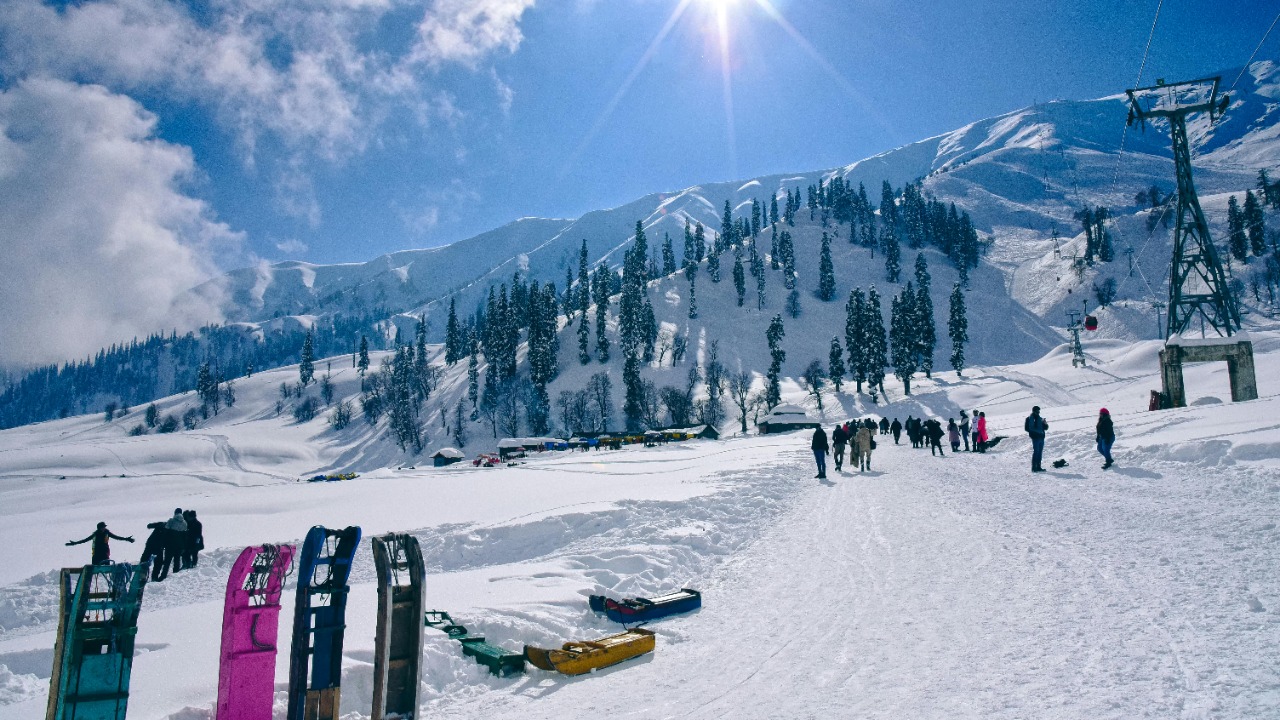

From the Rockies to the Alps, the winter playgrounds that defined modern ski culture are running out of the one thing they cannot replace: reliable snow. As global temperatures rise, seasons are shrinking, storms are shifting to rain, and even famous destinations that once promised powder from November to April are confronting the possibility that their business model, and their identity, may not survive.
The threat is not abstract. Scientists now warn that entire mountain regions could see “peak extinction” of glaciers within a decade, while industry data already shows steep drops in skier visits and mounting costs to keep lifts spinning. The result is a collision between climate physics and a multibillion‑dollar tourism economy that has long depended on cold, predictable winters.
From postcard winters to patchy slopes
For generations, names like Aspen, Whistler, Chamonix and Zermatt have been shorthand for deep snow and long winters. That reputation was built on cold climates and high elevations that once guaranteed consistent coverage from valley floor to glacier. Now, research cited in recent Alpine reporting finds that with 2C of global heating, more than half of existing resorts risk having too little natural snow to operate reliably, a warning that has already translated into “ghost” lifts and abandoned slopes in parts of France, according to Research.
The physical backdrop is changing just as fast. Scientists tracking Alpine ice now project that The Alps will experience “peak glacier extinction” in the early 2030s, with THOUSANDS of glaciers expected to vanish. That loss does not just erase iconic backdrops for resorts such as Cortina and Verbier. It also destabilizes the snowpack, accelerates meltwater runoff and raises the freezing line, which means more rain at mid‑mountain and fewer days when snowmaking can even function.
Low‑elevation resorts are already on the brink
The first casualties of this new climate are the low‑elevation hills that once relied on cold continental air to turn modest storms into skiable snow. In Utah, local reporting describes how warmer temperatures have left low‑elevation ski areas scraping by with thin coverage and long stretches of bare ground. One public radio segment from KUER 90.1, By Macy Lipkin, Published January, details how operators have poured money into snowmaking and infrastructure upgrades, only to watch Jan thaws erase their work before holiday crowds arrive.
The same pattern is visible across the western United States, where a snow drought has left mountains brown and reservoirs underfilled. Jon Meyer, Utah’s assistant state climatologist, has warned that storms are increasingly arriving as rain instead of snow, starving the high country of the frozen water it needs to feed both ski runs and the Colorado River. When the snowpack fails, resorts lose ticket revenue, but downstream communities also lose a natural reservoir that once buffered them against dry summers.
Big‑name destinations are not immune
Even the largest corporate players are feeling the hit. In a Season update released in Jan, Vail Resorts reported that season‑to‑date total skier visits were down 20.0% compared to the prior year period, a drop the company linked to limited terrain being opened in December. The same filing, highlighted again in a separate release titled Vail Resorts Reports, underscores how even diversified portfolios of mountains cannot escape a warm start to Winter when storms arrive late and thin.
Across the Atlantic, long‑established European destinations are confronting the same squeeze. Analysts tracking the sector note that Ski areas in the Alps are seeing shorter seasons and more rain events, while But European resorts accustomed to competing for high‑paying tourists are now dealing with a common enemy in climate volatility. Even high‑profile venues for the next Winter Games are under pressure: Northern Italy is known for its cold, snowy winters, but officials preparing for the Milan‑Cortina Olympics have already acknowledged that seasonal snowfall has reduced considerably throughout the Alpine region, forcing organizers to plan for vast volumes of artificial snow measured in Olympic swimming pools.
Costly adaptations, creative experiments
Faced with unreliable winters, resort operators are racing to adapt, often at enormous cost. A detailed industry assessment notes that Ski resorts across Europe are investing heavily in snowmaking, slope regrading and water storage to stretch ever‑shorter seasons. In Switzerland, Crans Montana Ski Resort Confronts Snow and Safety Challenges, with managers weighing how to protect skiers from rockfall and ice hazards as permafrost thaws and slopes destabilize. These upgrades may buy time, but they also lock resorts into higher energy and water use at the very moment climate policy is pushing for cuts.
Some mountains are experimenting with more radical strategies. In France, the small village of Saint-Colomban-des-Villards has responded to dwindling snow by making its slopes free of charge, a move chronicled by Abigail Butcher Travel Writer, who described how Unreliable winters have forced the community to rethink its entire tourism model in a Jan feature set to GMT, as detailed in Abigail Butcher Travel. In the United States, destination marketing groups are promoting four‑season offerings, from mountain biking to wine festivals, while travel analysts note that One major climate change‑driven shift is the disruption of traditional travel seasons, with ski tourism also facing disruption according to One.
On the ground, adaptation can look surprisingly mundane. Winter brings unique challenges to commercial property owners, from ice damage to burst pipes, and resort operators are now treating climate resilience as part of basic risk management, as outlined in a facilities brief that notes how Winter weather is becoming less predictable. In Utah, resort managers are rolling out a variety of resilience‑focused projects, from more efficient snow guns to forest‑health work aimed at reducing wildfire risk in a warming climate.
Winners at altitude, losers everywhere else
Not every mountain is equally exposed, and that unevenness is already reshaping the map of global skiing. A ranking of North American areas least impacted by climate change highlights how high‑elevation, north‑facing resorts with strong snowfall records, such as Heavenly in Calif, still score relatively well Overall despite Poor marks for some metrics, according to Heavenly. In Europe, glacier‑linked destinations like Verbier and high‑alpine hubs such as Crans-Montana still offer relatively reliable snow compared with low‑lying family hills in the foothills.
Yet even these apparent “winners” are living on borrowed time. Climate scientists warn that as warming continues, the band of elevations that can sustain consistent snow will keep climbing, squeezing skiable terrain into ever‑narrower zones. A recent geographic analysis of resort risk notes that But European and North American operators alike must now plan for a volatile weather future, where rain‑on‑snow events, mid‑winter heat waves and sudden freezes can all hit in a single Season. For iconic destinations built on the promise of dependable powder, the existential question is no longer whether climate change will arrive, but how long their snow can hold out before the sport itself has to reinvent where, when and how it is practiced.
More from Morning Overview