
The Grumman F7F Tigercat stands as a testament to technological advancement in aviation, yet it faced challenges that kept it from fully realizing its potential during World War II. Designed as a powerful, twin-engine fighter, the Tigercat was too advanced for its time, and its speed posed a problem for aircraft carrier operations.
Historical Overview of the F7F Tigercat
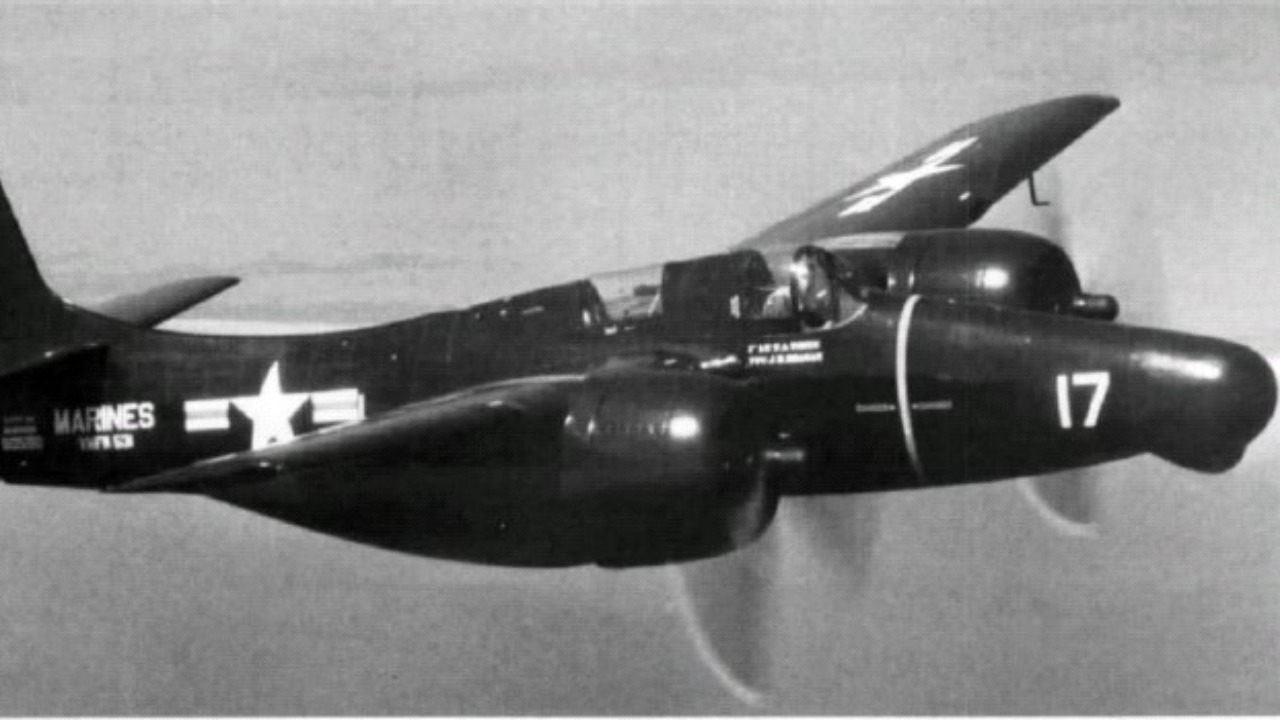
The development of the Grumman F7F Tigercat began with a vision for a heavily armed, long-range fighter that could excel in both ground attack and air superiority roles. The U.S. Navy aimed to create a twin-engine fighter that was not only fast and powerful but also capable of enduring the rigors of extended missions. The result was a groundbreaking aircraft that incorporated innovative technologies and a sleek design. The Tigercat’s development was driven by the demands of a rapidly evolving battlefield, where air dominance was becoming increasingly crucial.
Initially, the Tigercat was intended to play a significant role in World War II by providing the U.S. Navy with a formidable aircraft capable of operating from aircraft carriers. However, its development faced numerous challenges and delays. By the time the F7F was ready for deployment, the war was drawing to a close. Despite its advanced features and promising capabilities, the Tigercat missed the opportunity to showcase its potential on the front lines of the conflict. Its absence from major WWII engagements left many wondering about the impact it could have had.
The delayed deployment of the F7F Tigercat meant that it never had the chance to prove itself in the high-stakes environment of WWII combat. While it was a product of wartime innovation, the aircraft ultimately arrived too late to make a significant difference. The Tigercat’s absence from the war theater was a missed opportunity, as its advanced design and capabilities could have provided the U.S. Navy with a substantial tactical advantage during the conflict.
Technical Specifications and Performance
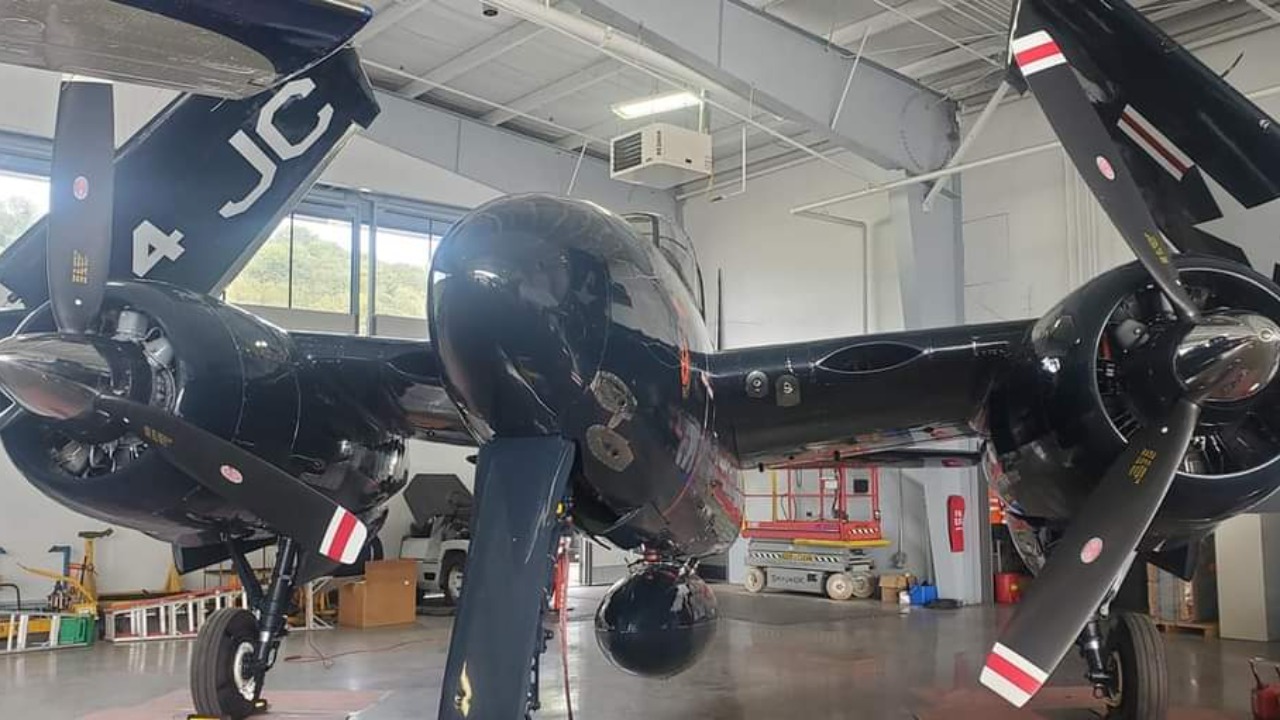
The Grumman F7F Tigercat was equipped with two powerful Pratt & Whitney R-2800 engines, which provided the aircraft with exceptional power and speed. This twin-engine configuration was a key feature that set the Tigercat apart from other fighters of its time. Its impressive armament included an array of machine guns and cannons, making it a formidable adversary in both air-to-air and ground attack scenarios. The combination of speed and firepower positioned the Tigercat as a potent force in military aviation.
One of the most notable characteristics of the Tigercat was its speed, which proved to be both an asset and a hindrance. The aircraft’s high velocity made it a formidable opponent in aerial combat, but it also posed challenges for safe carrier landings and takeoffs. The Tigercat’s speed required pilots to adapt quickly to its handling characteristics, which could be demanding during carrier operations. This duality of speed as both an advantage and a drawback made the F7F a unique case in military aviation history.
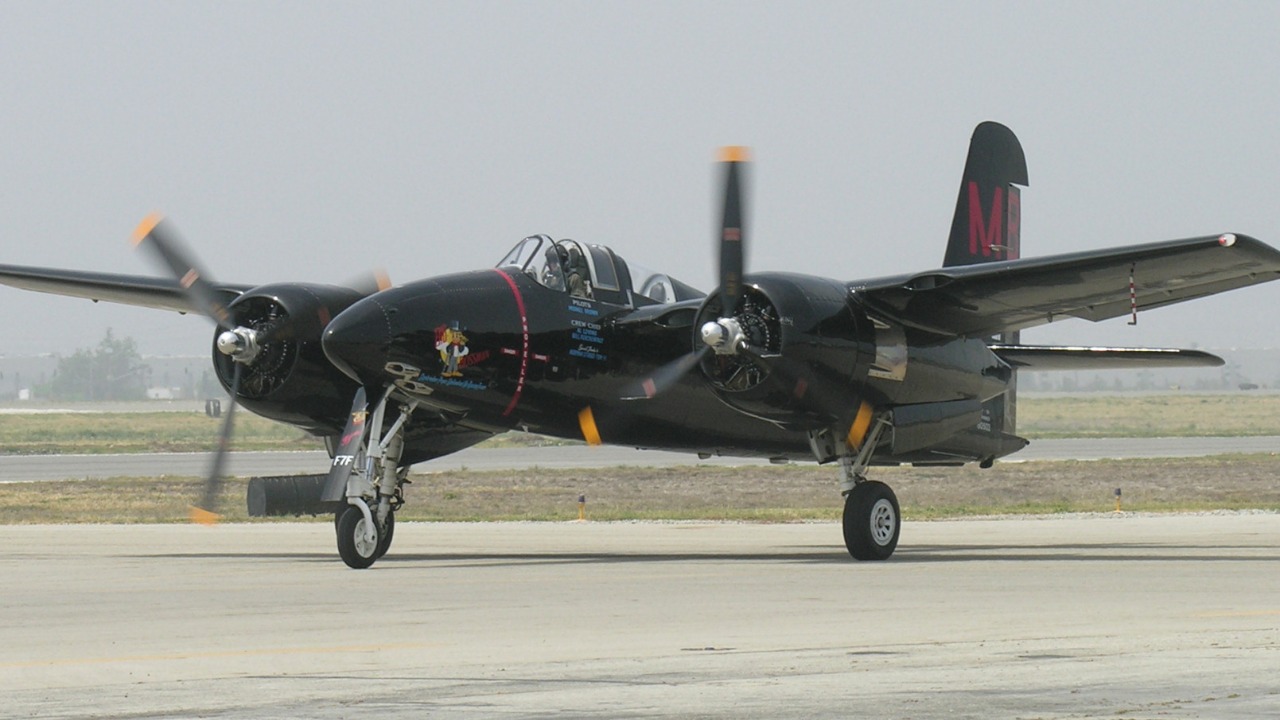
The Tigercat’s structural design was another area where it stood out. Featuring tricycle landing gear and a sleek, aerodynamic frame, the aircraft was engineered to deliver impressive performance. Its innovative design elements contributed to its agility and maneuverability, allowing it to excel in various combat scenarios. Despite its advanced engineering, the Tigercat’s capabilities were ultimately limited by the challenges it faced in carrier operations, which restricted its use during the war.
Challenges in Carrier Operations
The F7F’s size and speed presented significant challenges for carrier operations, as it struggled with the constraints of carrier decks. The aircraft’s dimensions and weight made it difficult to operate on the limited space available on aircraft carriers. Its high landing speed further complicated carrier operations, as pilots had to contend with the risk of overshooting the deck during landings. These challenges highlighted the difficulties of integrating advanced aircraft into existing naval aviation infrastructure.
Operational experiences with the Tigercat revealed the difficulties pilots and crew faced in adapting the aircraft for carrier-based missions. The aircraft’s characteristics required significant adjustments to standard carrier procedures, which were not always feasible given the constraints of wartime operations. Pilots had to undergo rigorous training to manage the Tigercat’s unique handling characteristics, which added to the complexity of its deployment. As a result, the Tigercat saw limited operational use in carrier-based missions.
Safety concerns were paramount during the Tigercat’s service, particularly in the context of carrier operations. The aircraft’s speed and size raised questions about its suitability for carrier deployment, and these concerns were not unfounded. The risk of accidents during takeoffs and landings was a persistent issue, leading to a cautious approach in its deployment. These safety considerations further limited the Tigercat’s role in naval aviation, as the Navy prioritized the safety of its personnel and resources.
Post-War Service and Legacy
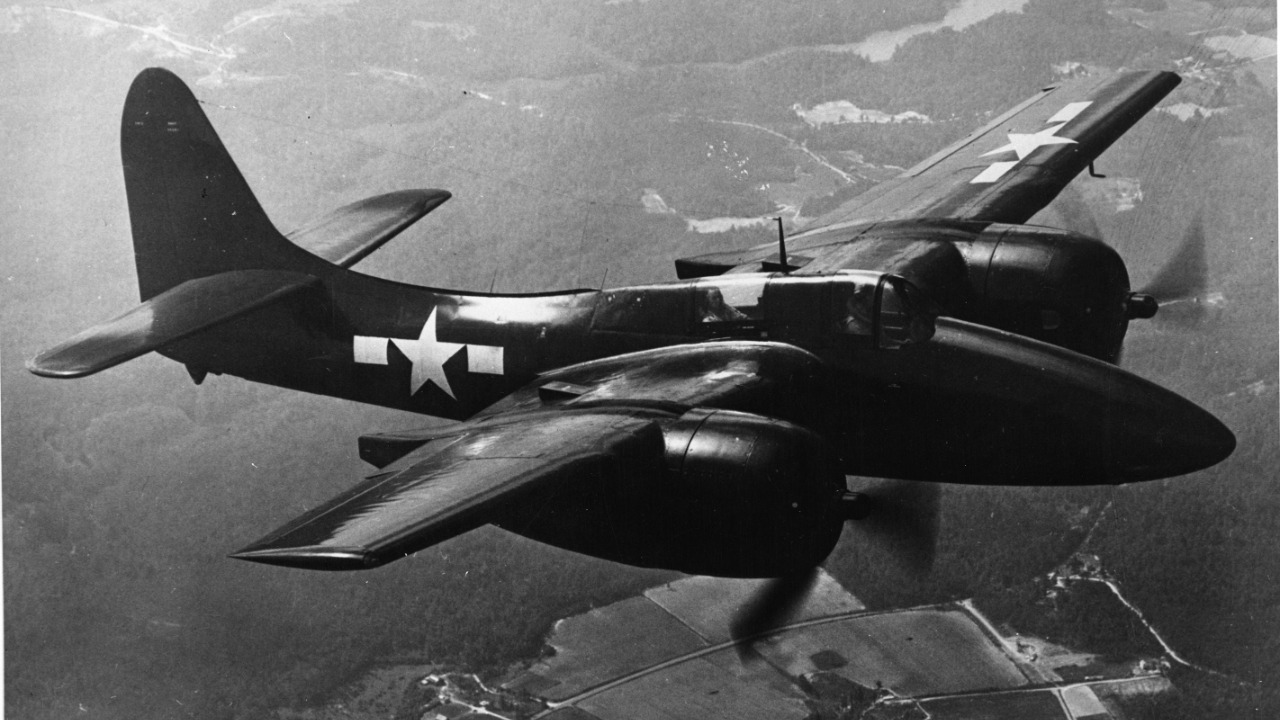
After World War II, the Tigercat transitioned to peacetime roles where its speed and firepower could be effectively utilized. It found a niche in roles such as night fighting and ground attack, where its advanced capabilities were advantageous. The Tigercat’s adaptability allowed it to continue serving in various capacities, even as the nature of warfare evolved. Its post-war service demonstrated the versatility of its design and the potential it held beyond the confines of carrier operations.
The lessons learned from the F7F’s development and deployment influenced future aircraft designs, particularly in balancing speed with carrier compatibility. The challenges faced by the Tigercat underscored the importance of designing aircraft that could operate effectively within the constraints of naval aviation. These insights informed the development of subsequent generations of military aircraft, which sought to integrate advanced capabilities with practical operational requirements. The Tigercat’s legacy can be seen in the evolution of aircraft design that followed.
Today, the Tigercat is remembered as an engineering marvel that was ahead of its time, offering valuable insights into the evolution of military aviation technology. Its story is a testament to the challenges and triumphs of innovation in the face of adversity. The Smithsonian Institution and other historical organizations continue to preserve the legacy of the Tigercat, ensuring that its contributions to aviation history are recognized and celebrated. The F7F’s journey from concept to operational service serves as a reminder of the relentless pursuit of excellence in the field of aviation.
