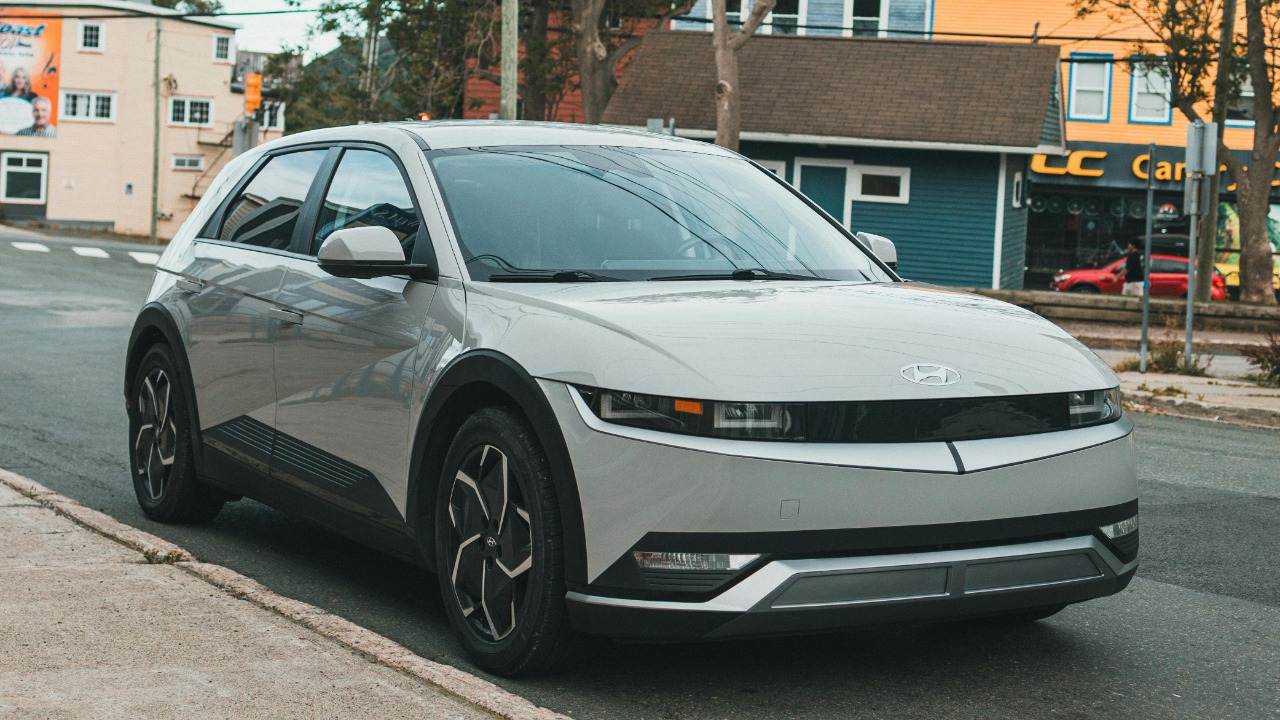

For years, electric cars were sold on a promise: cleaner streets, quieter neighborhoods, and fewer kids wheezing their way into emergency rooms. That promise is no longer theoretical. Across some of the most traffic-choked parts of the United States, researchers are now tracking measurable drops in harmful pollutants that line up directly with the rise of plug-in vehicles.
The pattern is clearest in dense urban corridors where combustion engines once dominated every rush hour. As more drivers switch to battery-powered models, the invisible haze of nitrogen dioxide and other exhaust byproducts is thinning, and early health data suggest those gains are arriving faster than many policymakers expected.
Satellites catch the pollution drop in real time
The strongest evidence that electric cars are cleaning city air is coming from above. Using high resolution instruments, Satellites are now mapping nitrogen dioxide, a key traffic pollutant, block by block over major metro regions. When researchers overlay those maps with registration data for plug-in cars, they see a consistent pattern: neighborhoods that add more electric vehicles experience sharper declines in nitrogen dioxide than similar areas that stick with gasoline fleets.
In one large analysis, scientists at the University of Southern California Keck School of Medicine combined ground measurements with satellite analysis to track how pollution changed as local drivers adopted plug-in models. The team found that as the number of zero emission vehicles climbed, nitrogen dioxide concentrations fell in tandem, confirming that the adoption of electric vehicles is tied to real world reductions in air pollution that can be seen from orbit and at street level, according to Using.
On the ground, fewer tailpipes mean cleaner lungs
From the street, the story looks just as compelling. A major study across California linked local surges in electric vehicle adoption to better air quality and fewer emergency room visits. In communities that saw the fastest growth in plug-in cars, researchers documented a clear drop in nitrogen dioxide and a lower rate of asthma related ER visits by 3.2 percent, a signal that cleaner traffic is already easing the burden on hospitals and families, according to California.
Researchers at the University of Southern California Keck School of Medicine have gone further, tying the adoption of plug-in models to rapid improvements in local air quality and health outcomes. Their work shows that as households replace combustion cars with battery powered vehicles, nitrogen dioxide levels fall and respiratory risks ease in the very census tracts where those cars are registered, reinforcing the conclusion that the adoption of electric vehicles is tied to real world reductions in air pollution, as detailed by the adoption.
City hot spots feel the shift first
The benefits are not spread evenly, and that is precisely what makes the new data so revealing. In dense urban areas where traffic once created chronic smog hot spots, the arrival of plug-in cars is showing up as a distinct cooling of nitrogen dioxide peaks. NEWS highlighted work by Researchers who used satellite data to compare neighborhoods with high electric vehicle uptake to those still dominated by combustion engines, finding that the former now have lower NO₂ concentrations and a noticeably cleaner pollution profile, as described in NEWS.
Other researchers have zeroed in on specific metropolitan regions to understand how local policy and infrastructure shape these gains. In one project focused on large American cities, scientists found that neighborhoods with better access to charging, stronger incentives, and higher early adoption rates saw the steepest declines in nitrogen dioxide and related pollutants, suggesting that targeted investments can accelerate the air quality payoff from electrification, according to air quality.
The numbers behind “quietly cleaning up”
For all the sweeping rhetoric around green technology, what stands out in the latest research is how specific the numbers have become. During the study period in one large regional analysis, the number of zero emission vehicles increased by an average of 272 per region, and it was confirmed that for every additional 100 zero emission vehicles, nitrogen dioxide concentrations decreased by 1.1 percent, a relationship that turns abstract climate goals into a concrete pollution equation, according to During the.
Another synthesis of recent work, drawing on multiple urban case studies, concludes that electric vehicles Are Quietly Cleaning Up The Air and that This New Study Proves It by linking the spread of battery powered models to consistent declines in nitrogen dioxide and related pollutants across several dense city regions, reinforcing the idea that each new plug-in car delivers a measurable local benefit, as summarized by the Univ.
Quieter streets and what comes next
The shift to electric drivetrains is also changing cities in ways residents can hear. Research on Electric Vehicle Noise Emissions has consistently found that battery powered cars produce lower decibel levels at typical urban speeds than comparable combustion models, especially during acceleration and low speed cruising, giving planners a new tool to cut both air and noise pollution in crowded neighborhoods, according to Research.
As the evidence base grows, the debate is shifting from whether electric vehicles can improve local air quality to how quickly cities can scale the transition. Analysts tracking these trends note that EVs are supposed to clean up the air, but finding real world proof has been surprisingly difficult until now, and the latest satellite and ground based work shows that the impact on local air quality right now is both visible and significant, as highlighted by Satellites.
More from Morning Overview