
The cosmic enigma surrounding odd radio circles has deepened with the recent discovery of the most distant and powerful one yet. This finding builds on earlier observations, such as the real-time detection of a cosmic fast radio burst with an unexplained origin. Adding to the intrigue, a mystery cosmic body bursting with X-rays has been discovered, with researchers stating, “This object is unlike anything we have seen before,” further complicating our understanding of high-energy phenomena in the universe.
What Are Odd Radio Circles?
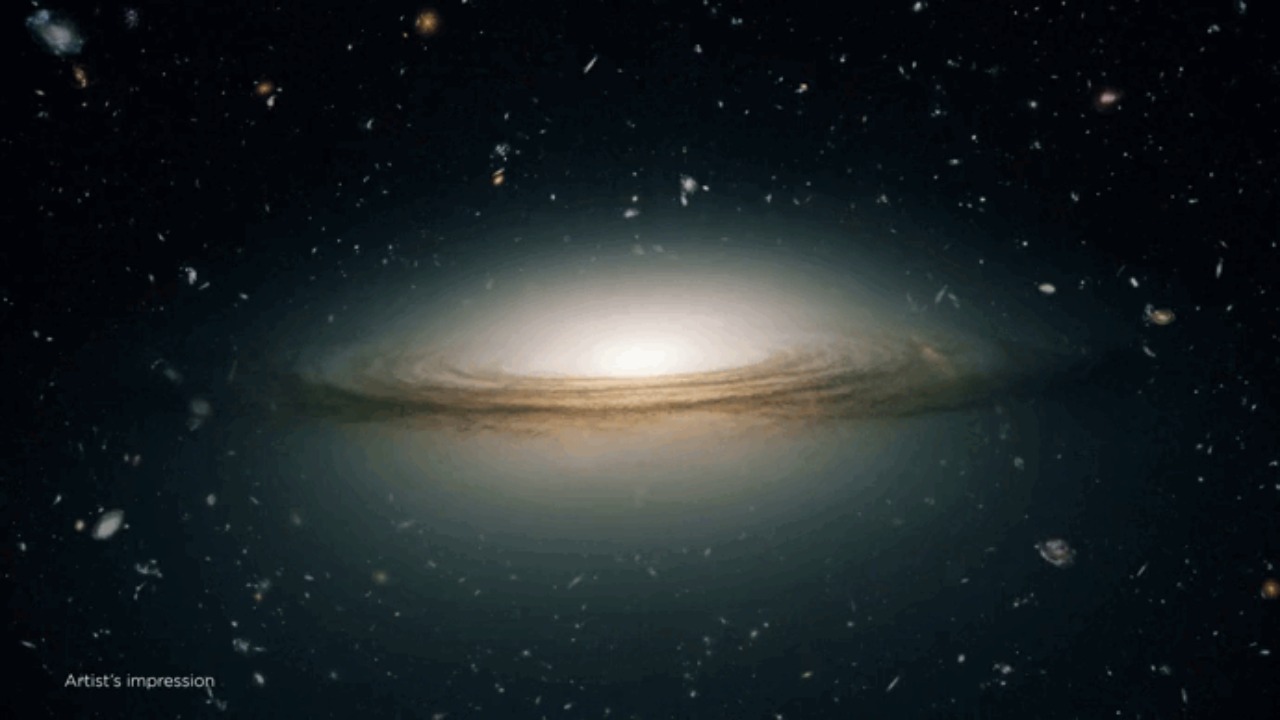
Odd radio circles are rare, ring-shaped radio emissions detected in the sky. They were first identified in recent astronomical surveys and have since intrigued scientists with their unusual properties. These include their vast sizes and unexpected radio signals, which do not align with known cosmic phenomena. The odd radio circles’ peculiar characteristics have led to a flurry of theories about their origins, with some suggesting possible links to galactic mergers or shockwaves from distant events.source
Odd radio circles, or ORCs, are not only distinguished by their circular shape but also by their brightness, which is typically uniform across the ring. They are often found at great distances from our galaxy, indicating their extragalactic nature. The circles are not visible in optical, infrared, or X-ray light, but only in radio wavelengths. This has led to speculation that they may be a new type of celestial phenomenon, or perhaps a known phenomenon viewed from a different perspective. The size of these circles is also noteworthy, with diameters often spanning over a million light-years. This is significantly larger than typical galaxies, adding to the intrigue surrounding their nature and origin.source
The Latest Discovery: Most Distant and Powerful Yet
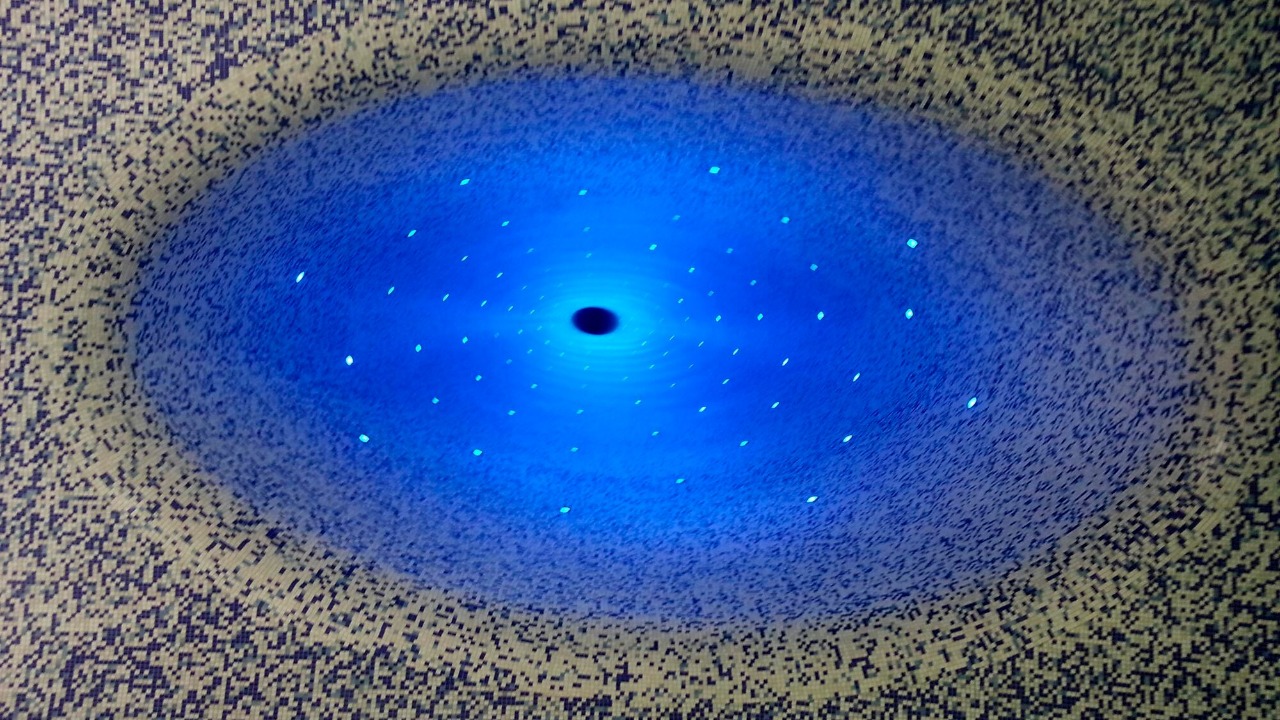
The recent discovery of the most distant odd radio circle has not only expanded our understanding of these phenomena but also raised new questions. The power level of this ORC is so high that it suggests an incredibly energetic event or object at its source. However, the exact nature of this source remains unknown. The distance of this ORC also poses a challenge, as it is located billions of light-years away. This makes it difficult to study in detail with current technology. Despite these challenges, the discovery of this ORC has provided valuable insights into the extreme conditions that can exist in the universe, and it serves as a tantalizing hint of the new discoveries that await us as our observational capabilities continue to improve.source
Connections to Fast Radio Bursts
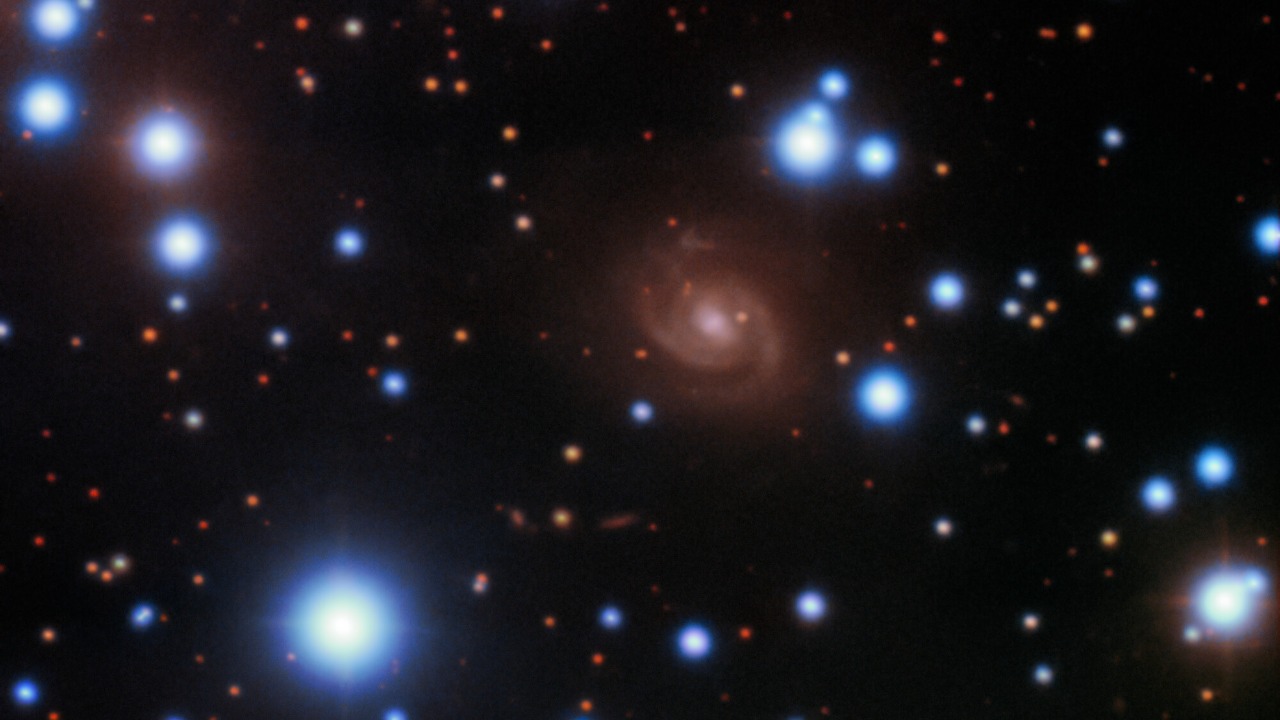
In 2015, astronomers observed a cosmic fast radio burst in real-time, deepening the mystery surrounding their origins. Fast radio bursts share some similarities with odd radio circles, particularly their transient, high-energy radio emissions. Both phenomena challenge current models of cosmic events, as there are no definitive explanations for their sources. The ongoing research into these phenomena continues to push the boundaries of our understanding of the cosmos. source
Fast radio bursts are intense flashes of radio waves that last only a few milliseconds. The exact cause of FRBs is still unknown, but they are thought to originate from highly energetic events in the distant universe. Some scientists have proposed that there may be a connection between FRBs and ORCs, as both involve high-energy radio emissions. However, this connection is still speculative and more research is needed to confirm it. The study of FRBs and ORCs together could potentially lead to new insights into the nature of high-energy events in the universe. source
The X-Ray Bursting Cosmic Body
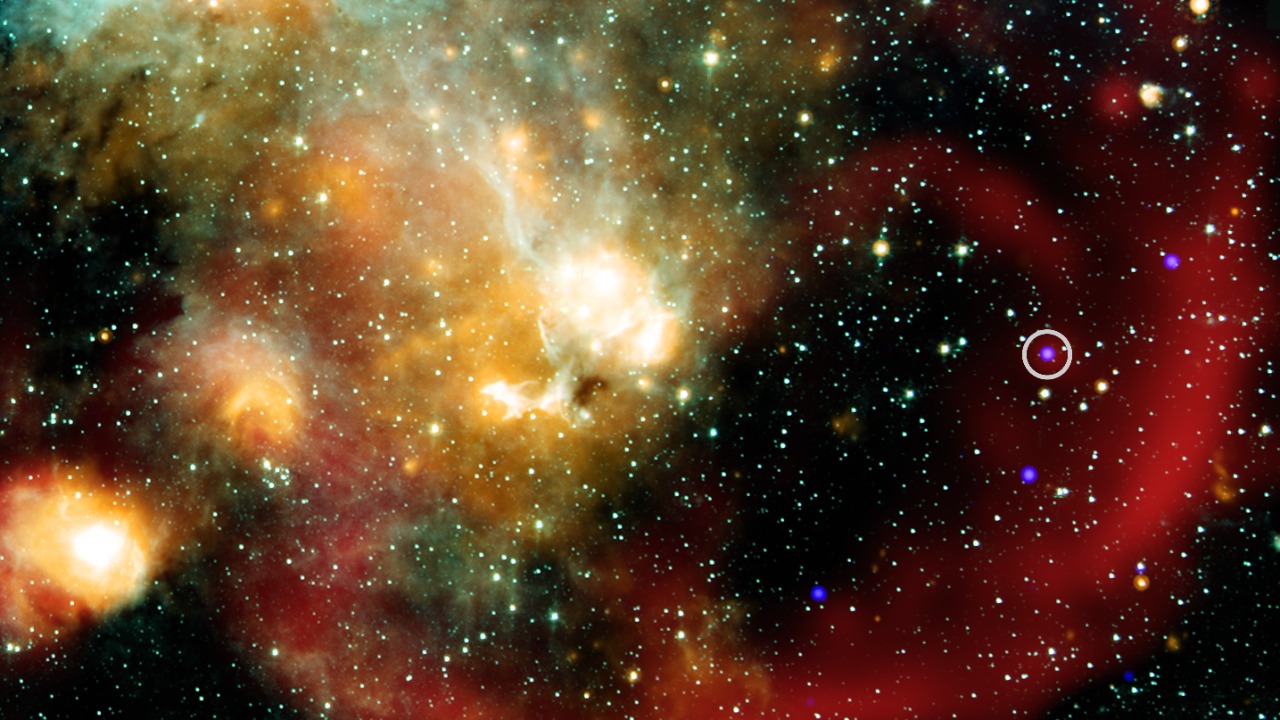
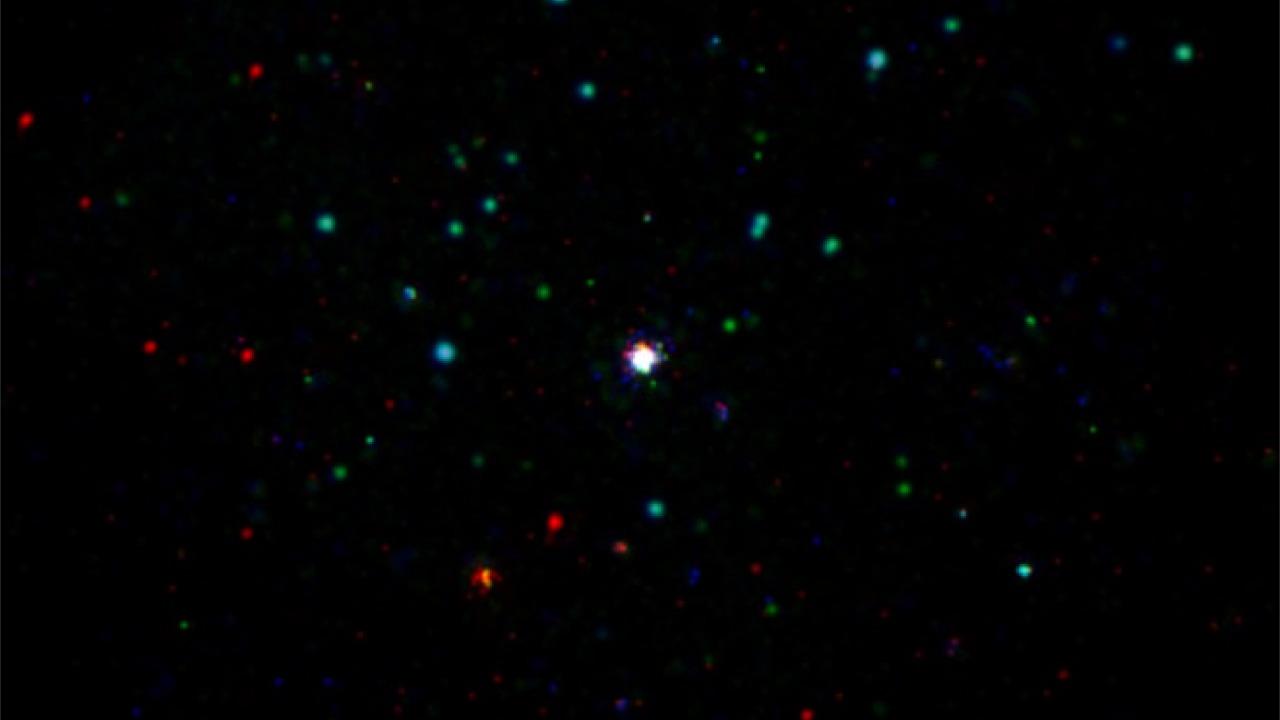
Earlier this year, astronomers discovered a mystery cosmic body that is bursting with X-rays. Researchers have described this object as unlike anything seen before, emphasizing its uniqueness. This discovery has added another layer to the broader cosmic mysteries, such as LPT-ASKAP J1832-0911, which could potentially be related to radio circle formations. source
Some scientists have speculated that it could be a neutron star or a black hole, but these theories are still unconfirmed. The study of this object could potentially provide new insights into the nature of X-ray emissions and their role in the universe. source
Implications for Astronomy
The study of odd radio circles, fast radio bursts, and X-ray bursting cosmic bodies has far-reaching implications for astronomy. These phenomena provide a unique window into the high-energy universe, allowing us to study extreme conditions that cannot be replicated on Earth. They also challenge our current understanding of the universe, forcing us to revise our theories and models. The study of these phenomena could potentially lead to new insights into the nature of matter, energy, and the fundamental laws of physics. Furthermore, these discoveries underscore the importance of multi-wavelength astronomy, as different types of light can reveal different aspects of the universe.source
Future Observations and Research

Looking ahead, astronomers plan to conduct follow-up studies using radio telescopes to track similar odd radio circles. Multi-wavelength observations are also proposed to connect fast radio bursts with ring-like structures. Additionally, investigations into X-ray emitting bodies will be carried out to decode their relation to radio mysteries. As we continue to probe the cosmos, each new discovery brings us one step closer to unraveling the mysteries of the universe. source
As we continue to explore the universe, the study of odd radio circles, fast radio bursts, and X-ray bursting cosmic bodies will remain a priority for astronomers. Future observations will likely involve the use of more powerful radio telescopes, as well as telescopes that can observe other types of light, such as X-rays and gamma rays. These observations will be complemented by theoretical research, as scientists try to develop new models to explain these phenomena. The study of these phenomena is a prime example of the ongoing process of scientific discovery, where each new observation can lead to new questions and insights. source
