
Underwater exploration has reached new depths with the advent of advanced navy drones. These autonomous vehicles are transforming the way we study and interact with the ocean’s mysteries. From mapping the seafloor to conducting environmental research, these underwater drones are essential tools for scientists and engineers alike.
1) Bluefin-21 Autonomous Underwater Vehicle (AUV)
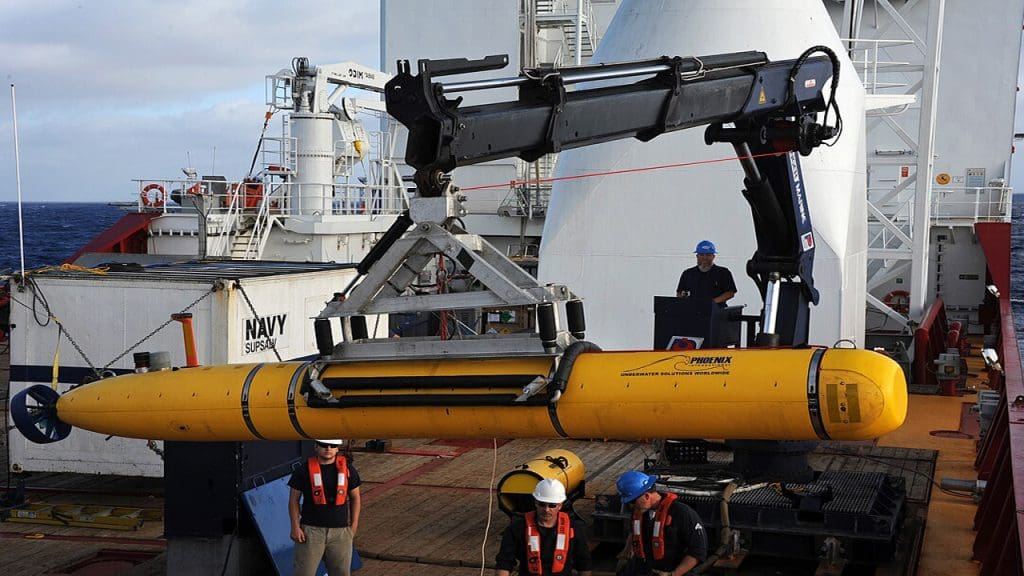
The Bluefin-21 AUV is a versatile tool that has been deployed in various missions, including the search for the missing Malaysia Airlines Flight MH370. Known for its precision and reliability, this underwater drone is capable of diving to depths of 4,500 meters. Its modular design allows for easy customization, enabling it to carry different types of sensors and equipment. The Bluefin-21 is particularly valued in the defense sector, where it aids in mine countermeasure operations and intelligence gathering.
2) REMUS 600
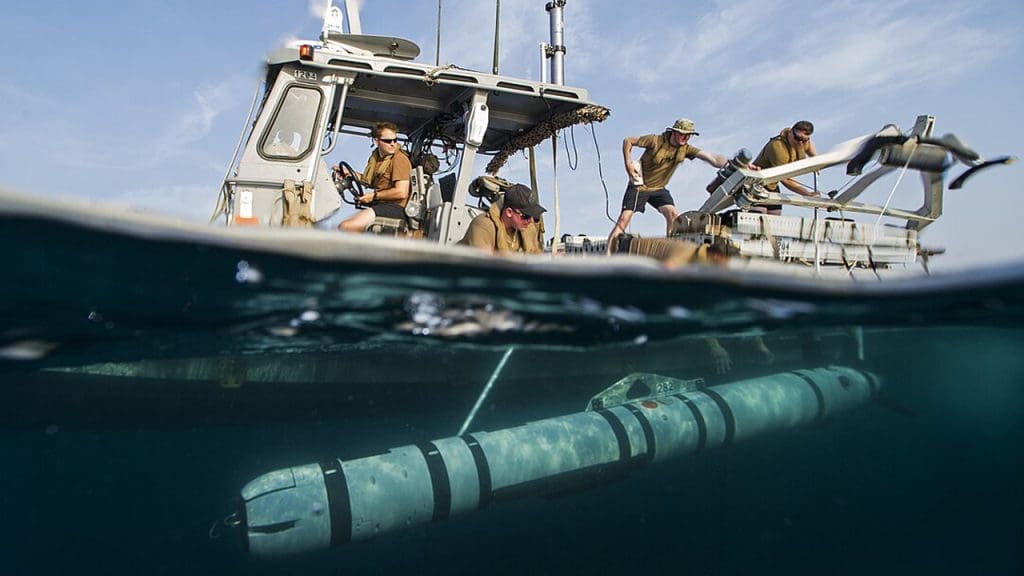
The REMUS 600 is another remarkable underwater drone, designed to operate autonomously for extended periods. It can dive up to 600 meters and is often used in both military and scientific research applications. Its endurance and range make it ideal for long-term data collection missions. The REMUS 600 has been used in various studies, including marine biology and environmental monitoring, providing valuable insights into underwater ecosystems.
3) Seaglider
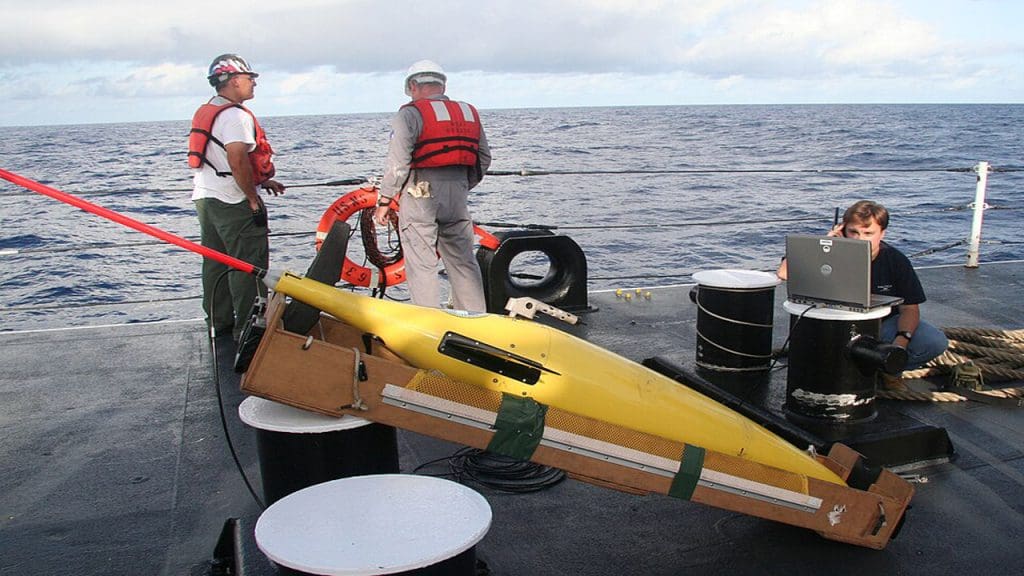
The Seaglider is an innovative underwater drone designed for long-range missions. With the ability to travel thousands of kilometers on a single battery charge, it’s an excellent choice for oceanographic research. Unlike many other AUVs, the Seaglider uses buoyancy changes to propel itself, making it energy-efficient and quiet. This unique propulsion method allows it to gather data on ocean currents, temperature, and salinity over extended periods. According to The Drone U, Seaglider’s design reduces operational costs, making it a favorite among researchers.
4) Saab Seaeye Falcon
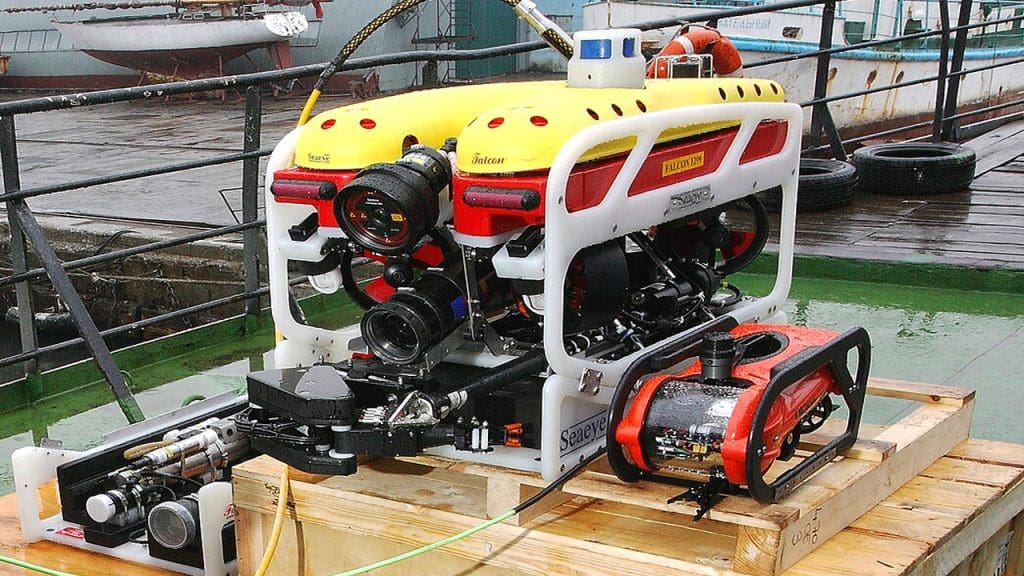
The Saab Seaeye Falcon is a compact yet powerful remotely operated vehicle (ROV) known for its agility and adaptability. It’s used in a wide range of applications from underwater inspections to marine research. The Falcon’s five powerful thrusters allow it to hover in strong currents, making it an ideal tool for detailed subsea inspections. Its modular design enables operators to equip it with various sensors and tools, enhancing its functionality. The Falcon is also used in military applications, where its maneuverability and robustness are highly valued.
5) Proteus
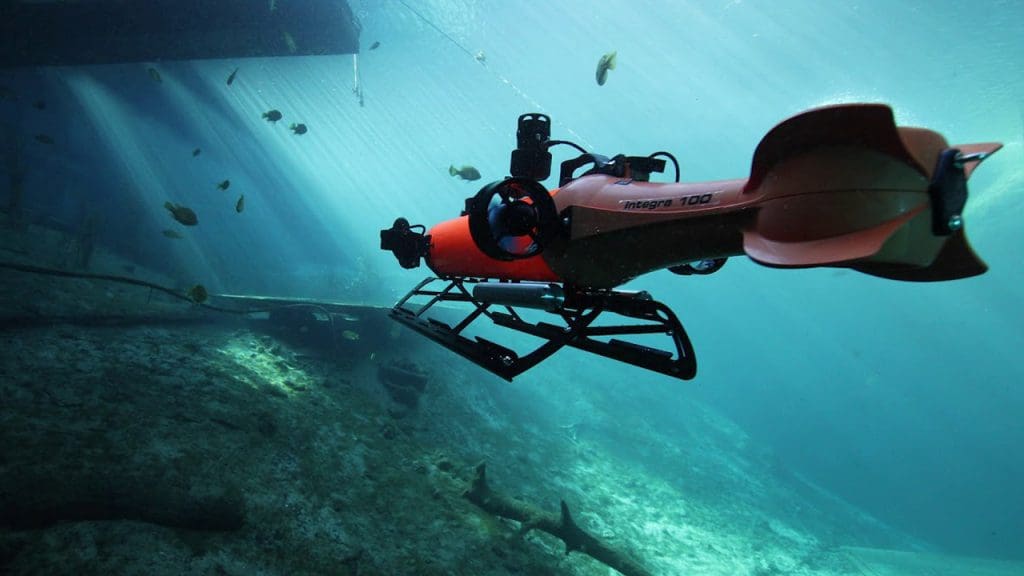
Designed for versatility and endurance, Proteus is a hybrid ROV/AUV that can be operated autonomously or remotely. This flexibility makes it a valuable asset for complex underwater missions. Proteus can carry large payloads, making it suitable for a variety of tasks, including infrastructure inspections and environmental monitoring. Its ability to stay submerged for extended periods allows it to collect continuous data over large areas. With its robust design, Proteus is well-suited for military and commercial applications.
6) Iver3 AUV
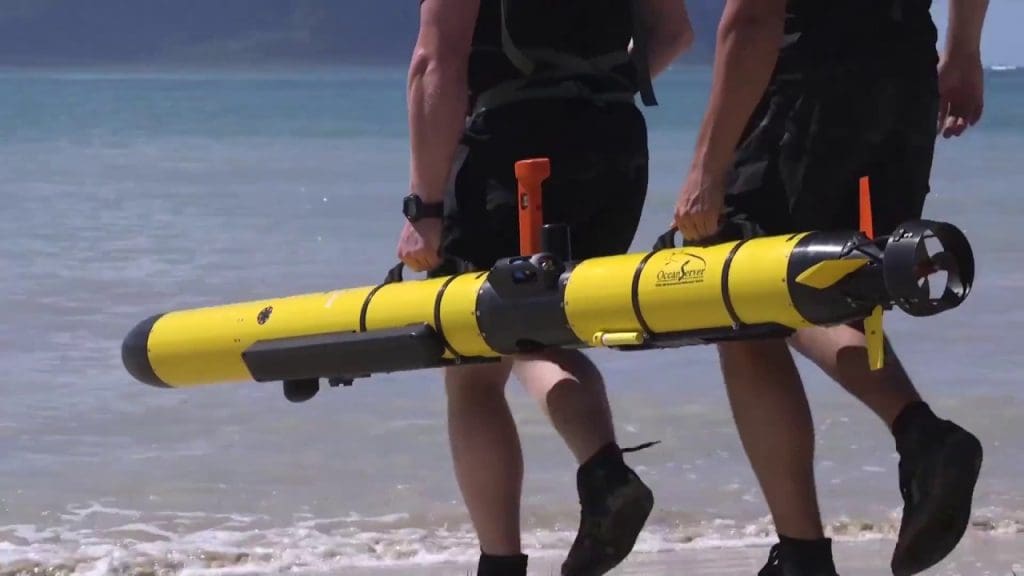
The Iver3 AUV is a portable and cost-effective solution for shallow water missions. Capable of diving to depths of 100 meters, it’s ideal for coastal surveys and environmental assessments. Its small size and lightweight design make it easy to deploy and recover, even from small boats. The Iver3 is equipped with advanced navigation systems and can be fitted with various sensors, providing high-quality data for mapping and analysis. Its efficiency and affordability have made it a popular choice among research institutions worldwide, as highlighted in Bloomberg’s report on oceanic drones.
