
Exploring the mysteries of ancient cities buried beneath layers of earth reveals fascinating stories of human history and nature’s might. These cities, once thriving centers of civilization, now lie hidden from view, waiting to be rediscovered. Join me as I uncover the secrets of six ancient cities that have been buried beneath the surface.
1. Pompeii, Italy
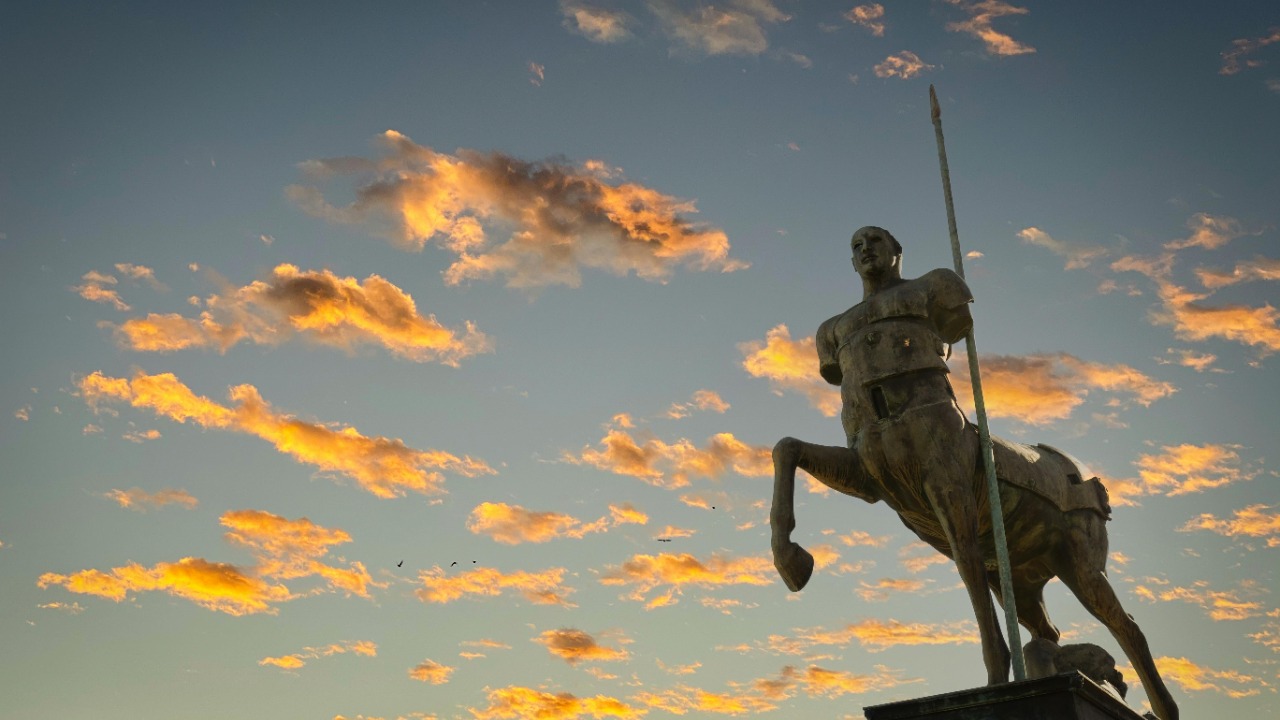
The ancient city of Pompeii, located near modern-day Naples in Italy, was buried under volcanic ash and pumice after the catastrophic eruption of Mount Vesuvius in 79 AD. This sudden disaster preserved the city in remarkable detail, providing a unique snapshot of Roman life. Excavations have revealed homes, public baths, and even graffiti on the walls, allowing historians to piece together the daily lives of its inhabitants.
Today, Pompeii stands as an open-air museum, drawing millions of visitors each year eager to walk its ancient streets. The site continues to be a rich source for archaeological study, offering new insights into Roman urban planning and architecture. The tragic fate of its residents serves as a poignant reminder of nature’s unpredictable power.
2. Machu Picchu, Peru
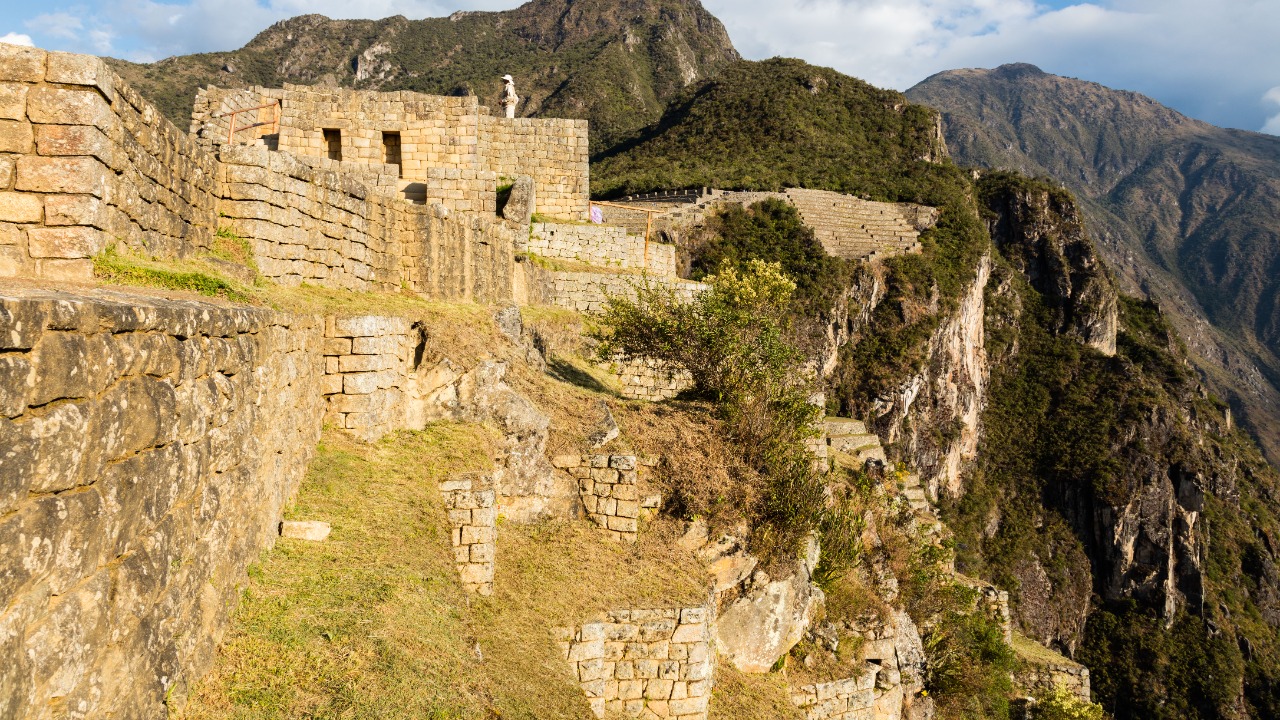
Perched high in the Andes Mountains, Machu Picchu is an iconic symbol of the Inca Empire. Although not buried by natural forces, it remained hidden from the outside world until its rediscovery in 1911. The city is renowned for its sophisticated dry-stone construction, with buildings carefully placed to withstand seismic activity.
Machu Picchu’s remote location and stunning backdrop make it a marvel to behold. Visitors can explore its terraced fields, ceremonial sites, and the Intihuatana stone, believed to have been used as an astronomical clock. Efforts to preserve this UNESCO World Heritage Site ensure that its mysteries continue to captivate future generations.
3. Petra, Jordan
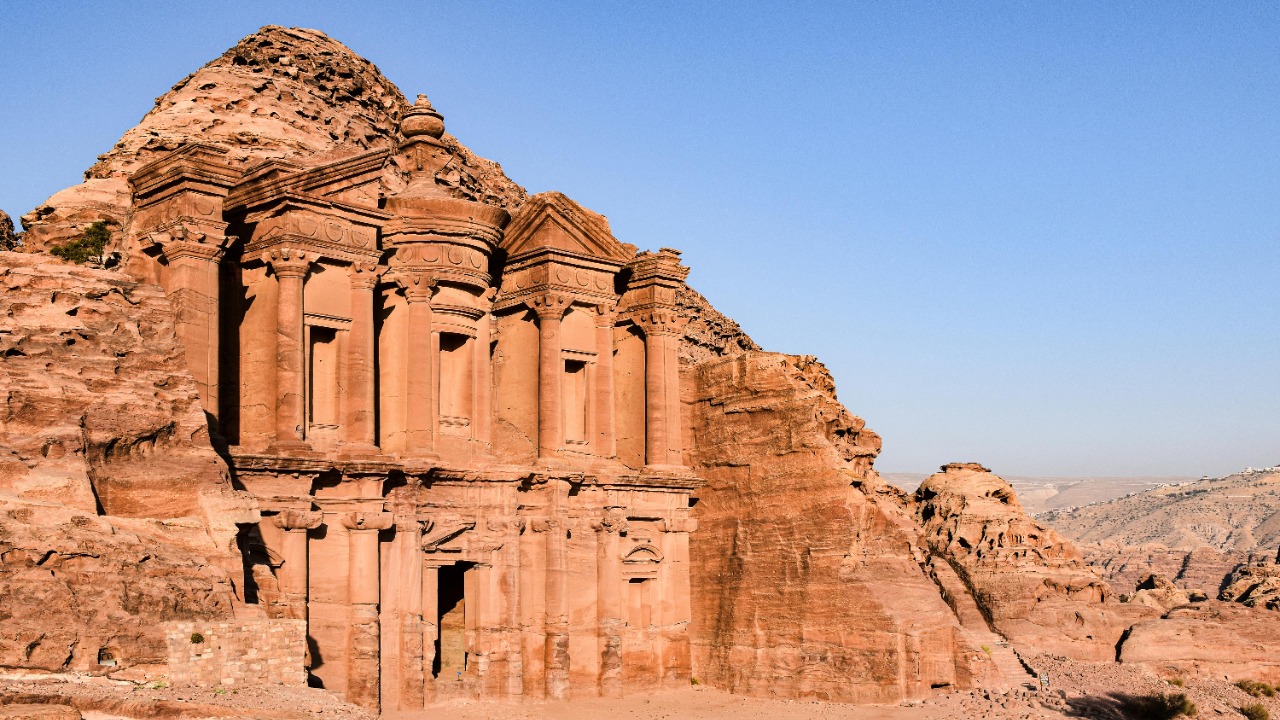
Known as the “Rose City” due to its pink sandstone cliffs, Petra was once a thriving trading hub and the capital of the Nabataean Kingdom. Over time, shifting trade routes and natural disasters led to its decline. Rediscovered in the early 19th century, Petra’s intricate rock-cut architecture continues to awe visitors.
The city’s most famous structure, Al-Khazneh, often referred to as “The Treasury,” is just one of many impressive monuments. Petra’s unique blend of Eastern and Hellenistic architecture highlights the cultural exchange that occurred along ancient trade routes. Preservation efforts are crucial, as tourism and natural erosion pose ongoing challenges.
4. Troy, Turkey
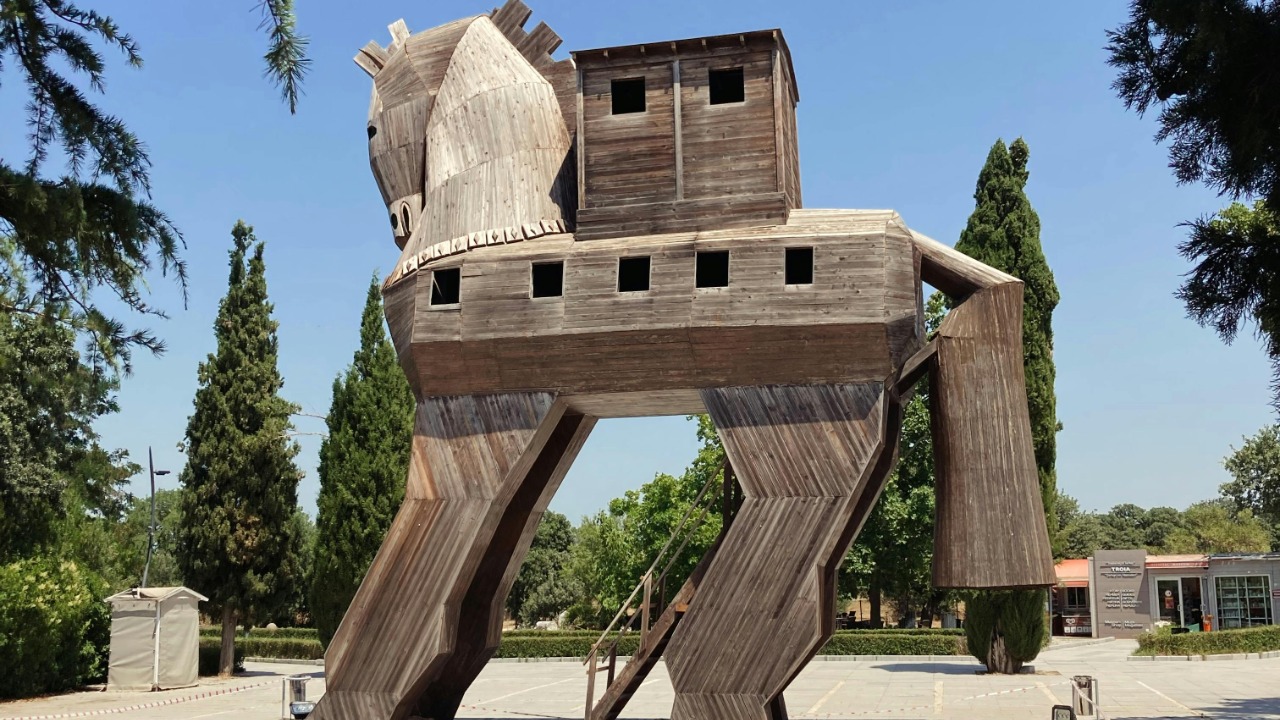
The ancient city of Troy, immortalized in Homer’s “Iliad,” was long thought to be a myth until its ruins were uncovered in the 19th century. Situated in modern-day Turkey, Troy’s strategic location made it a significant city in the ancient world. Archaeological excavations have revealed multiple layers of settlement, each destroyed and rebuilt over centuries.
Visitors to Troy can explore the remains of its defensive walls, gates, and other structures that offer a glimpse into its storied past. The site’s historical significance continues to attract scholars and tourists alike, eager to unravel the truths behind its legendary tales.
5. Teotihuacan, Mexico
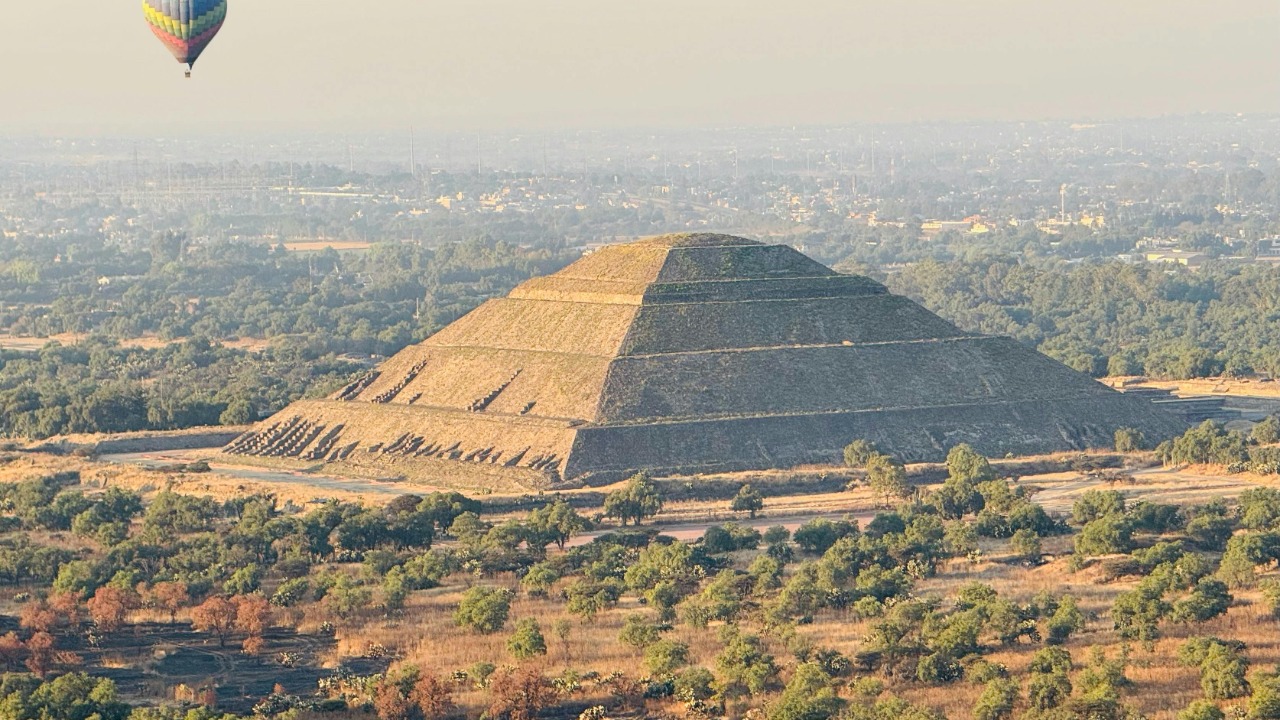
Teotihuacan, once one of the largest cities in the ancient world, is located near present-day Mexico City. Known for its monumental pyramids and complex urban grid, Teotihuacan remains shrouded in mystery, as much about its original inhabitants and their culture is still unknown. The city’s decline around the 7th century AD led to its eventual abandonment.
Today, the Pyramid of the Sun and the Pyramid of the Moon are among its most iconic structures, attracting visitors who wish to walk the Avenue of the Dead. Ongoing research continues to uncover new insights into this enigmatic civilization.
6. Mohenjo-Daro, Pakistan
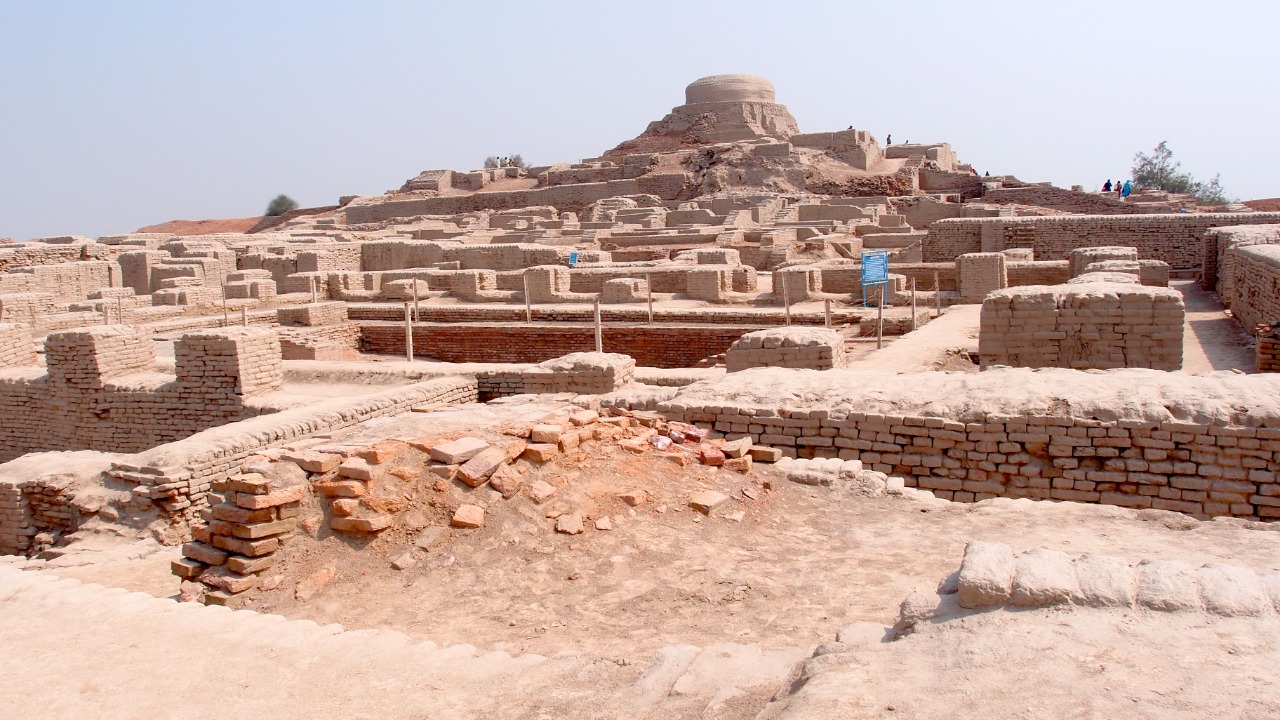
Mohenjo-Daro, part of the ancient Indus Valley Civilization, flourished around 2500 BCE. This city, located in present-day Pakistan, was a marvel of urban planning with its sophisticated drainage systems and standardized building techniques. However, its decline and eventual abandonment remain subjects of scholarly debate.
Excavations of Mohenjo-Daro have revealed a highly organized city, with evidence of trade, agriculture, and governance. Efforts to preserve this ancient site are ongoing, as climate change and human activity threaten its integrity. As the cradle of one of the world’s earliest civilizations, Mohenjo-Daro continues to captivate archaeologists and historians.
