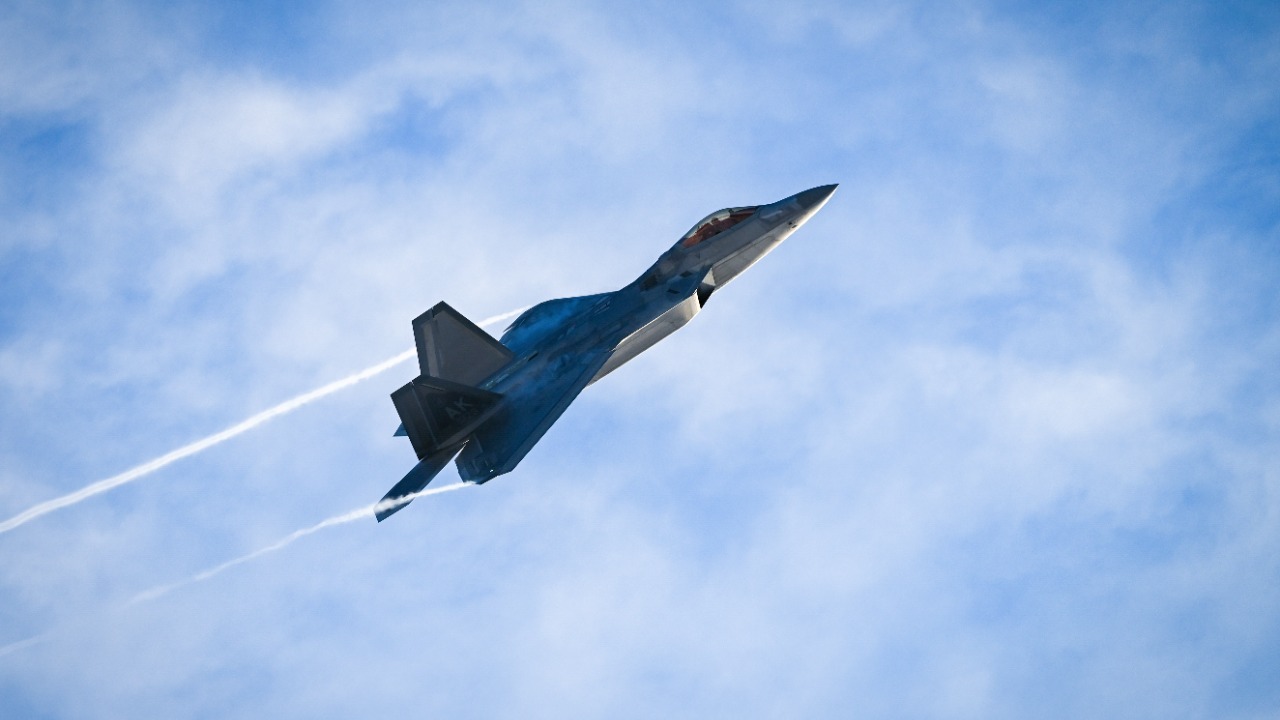

Stealth technology has revolutionized airpower, enabling aircraft to evade detection and engage in missions with unprecedented secrecy. Over the years, several aircraft have been developed and tested under a veil of secrecy, pushing technological boundaries. In this exploration, I delve into five stealth aircraft that were shrouded in mystery during their development and testing phases.
Lockheed F-117 Nighthawk
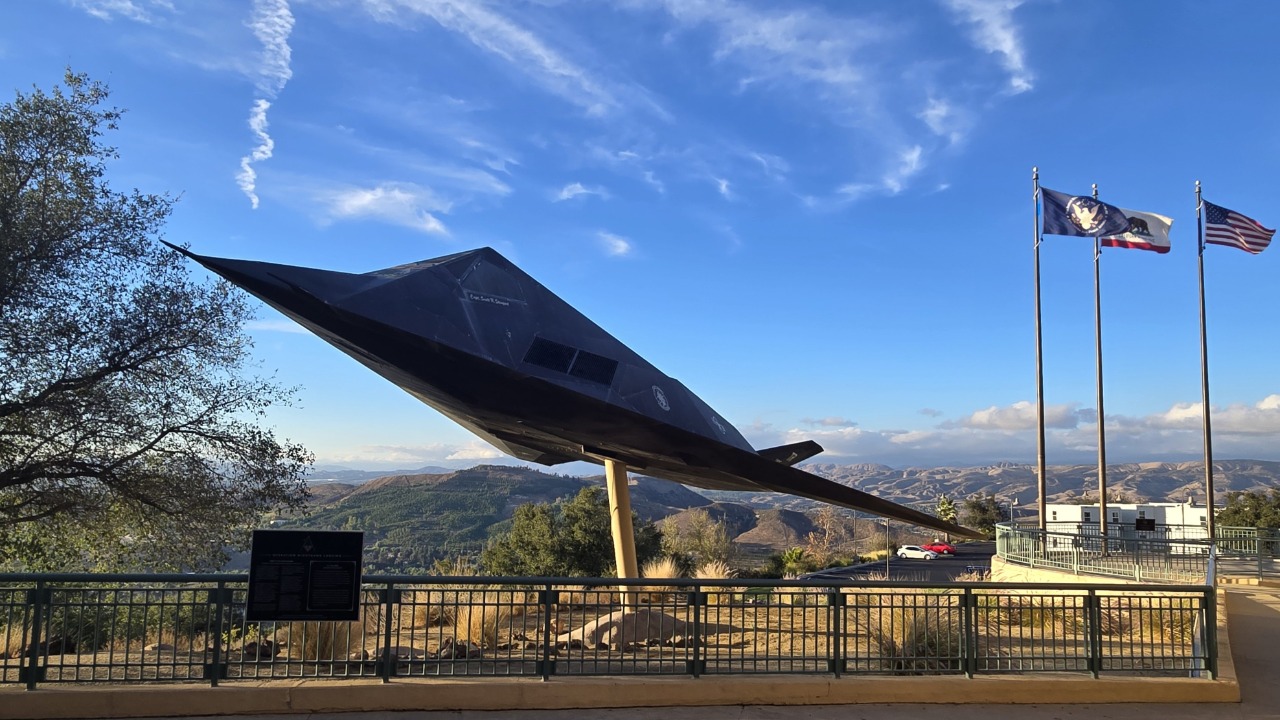
The Lockheed F-117 Nighthawk was the first operational aircraft specifically designed around stealth technology. Developed in the 1970s, it was cloaked in secrecy, with its existence not publicly acknowledged until the late 1980s. The F-117’s unique angular design helped minimize radar detection, making it a pivotal asset in the U.S. Air Force’s inventory.
Although its career was relatively short-lived, the F-117 Nighthawk played a critical role in conflicts such as the Gulf War, demonstrating the strategic advantage of stealth capabilities. Its retirement in 2008 marked the end of an era, yet its legacy continues to influence modern stealth designs.
Northrop Grumman B-2 Spirit
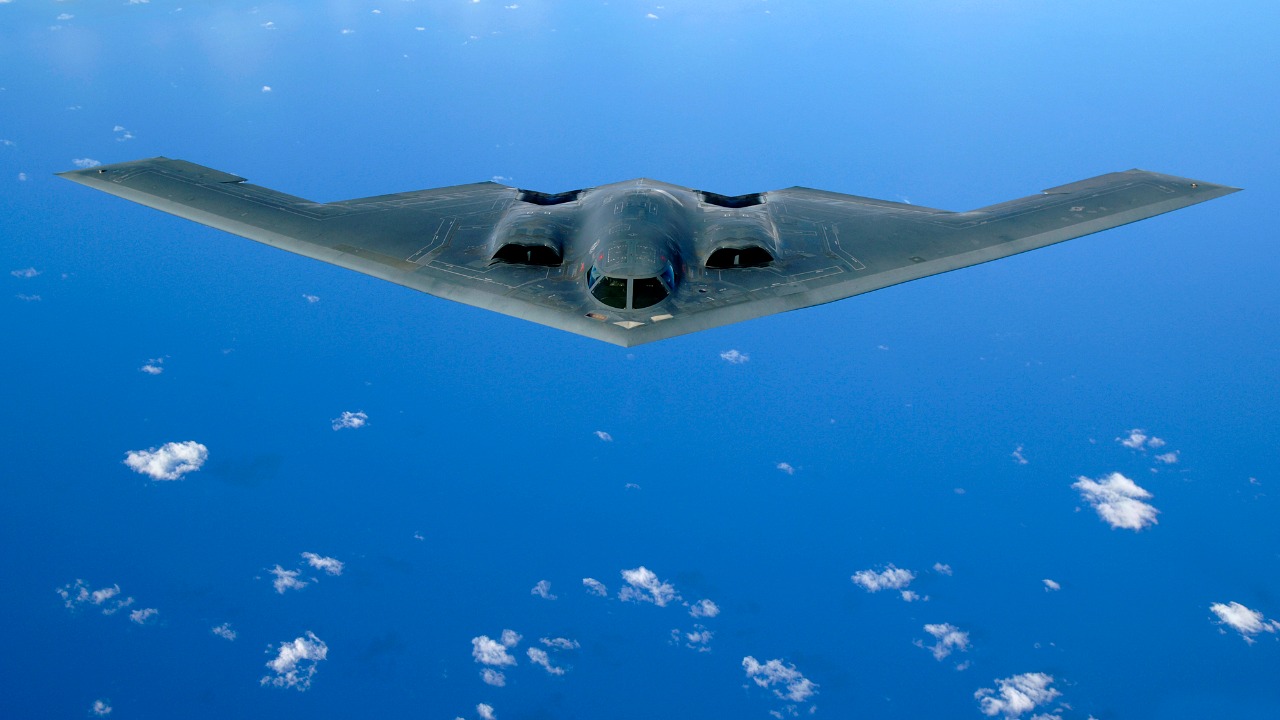
The Northrop Grumman B-2 Spirit is renowned for its unique flying wing design and ability to penetrate sophisticated air defenses. Developed during the Cold War era, the B-2 was shrouded in secrecy, with its first flight occurring in 1989. Its radar-evading capabilities and advanced avionics make it a crucial component of the U.S. strategic bomber fleet.
Despite its high cost, the B-2 Spirit remains a formidable asset, capable of delivering both conventional and nuclear weapons. Its development highlights the significant advancements in stealth technology, as discussed in this integrated review.
Lockheed Martin F-22 Raptor
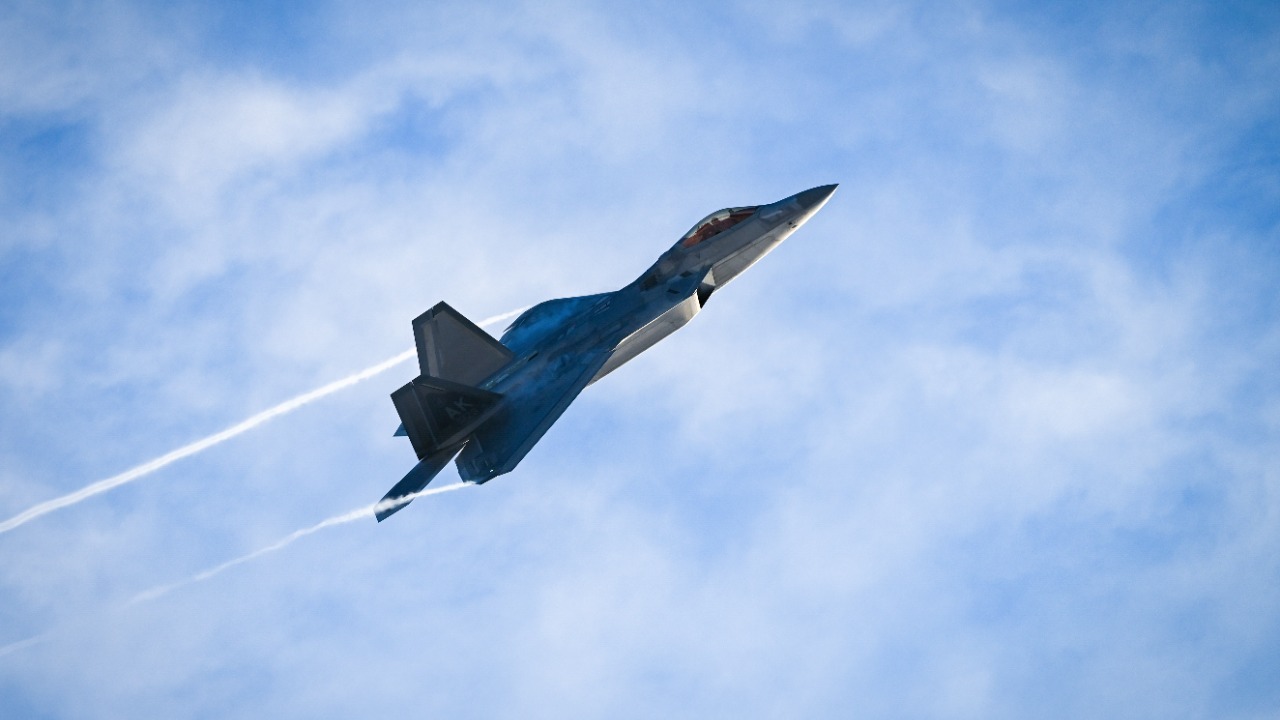
The Lockheed Martin F-22 Raptor stands as one of the most advanced stealth fighters ever built. First introduced in the early 2000s, the F-22 combines stealth capabilities with unmatched speed and agility, setting a new standard for air dominance. Developed in secrecy, it was designed to counter emerging threats and maintain air superiority.
The F-22’s advanced avionics and sensor systems allow it to excel in both air-to-air and air-to-ground missions. While production was limited due to high costs, the F-22 remains a vital part of the U.S. Air Force’s tactical arsenal, as highlighted in a detailed overview of top-secret military aircraft.
Northrop Grumman RQ-180
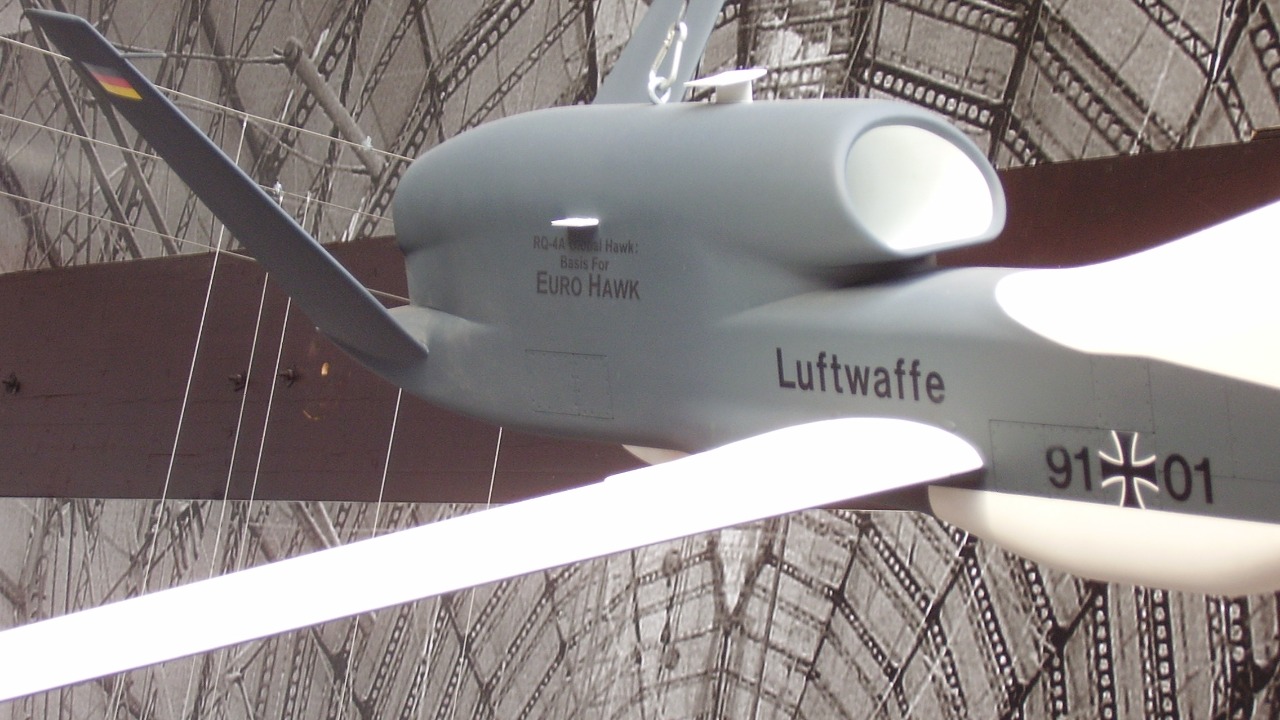
The Northrop Grumman RQ-180 is a next-generation stealth drone that has been developed under a veil of secrecy. Known as the “Great White Bat,” the RQ-180 is designed for intelligence, surveillance, and reconnaissance missions. It reportedly features advanced stealth technology, allowing it to operate in contested environments with a reduced likelihood of detection.
While specific details about the RQ-180 remain classified, its development signifies a shift towards unmanned stealth capabilities. The RQ-180’s capabilities are still being explored, but it is poised to play a significant role in future military operations, as discussed in this YouTube analysis.
Boeing Phantom Ray
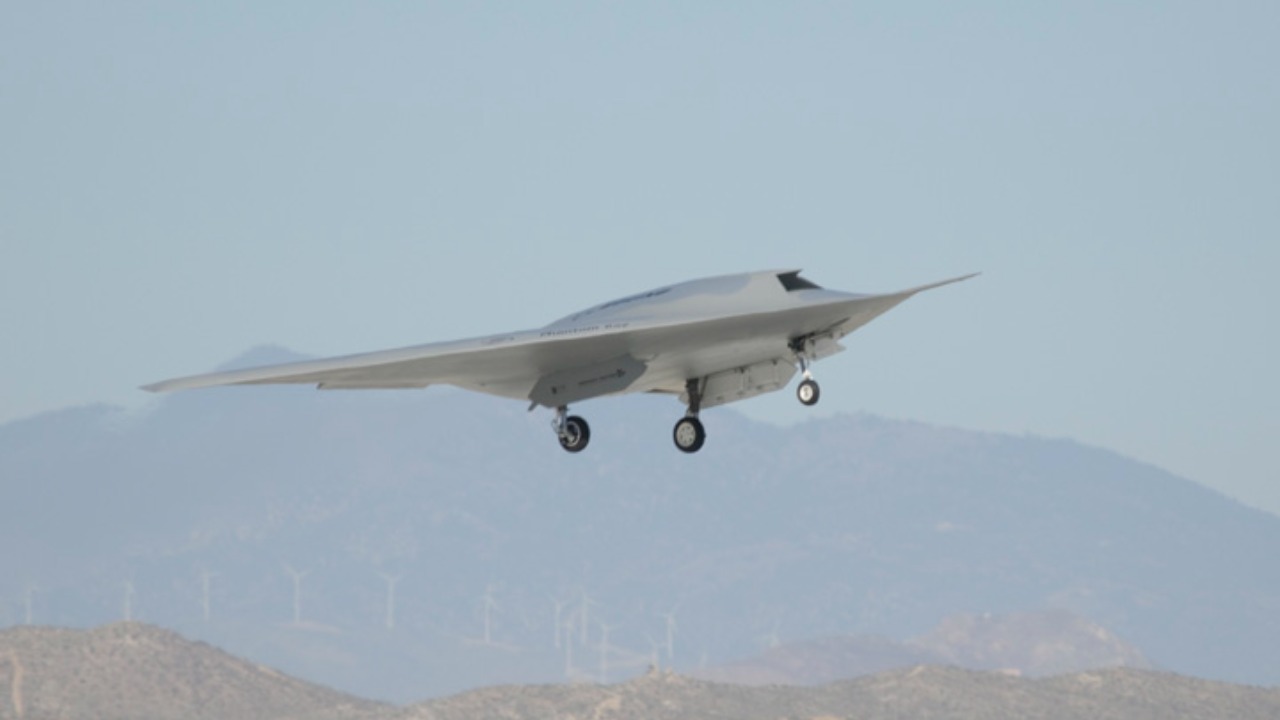
The Boeing Phantom Ray is an unmanned combat air vehicle (UCAV) that emerged from Boeing’s Phantom Works division. Developed in secrecy, the Phantom Ray was designed to perform a variety of missions, including surveillance, reconnaissance, and electronic attack. Its first flight took place in 2011, showcasing its potential as a versatile stealth platform.
Although the Phantom Ray has not entered widespread operational service, it serves as a testbed for future technologies and concepts in unmanned stealth operations. Its development reflects the ongoing evolution of stealth technology and its integration into unmanned systems, as explored in this video presentation.