
A recent scientific discovery has identified a 2.4-mile-deep magma cap beneath Yellowstone National Park, which could be acting as a stabilizing layer that contains magma activity and reduces the immediate risk of explosive events at the supervolcano. While Yellowstone remains active, this geological feature provides a natural safeguard against catastrophic eruptions in the near term.
Discovery of the Magma Cap
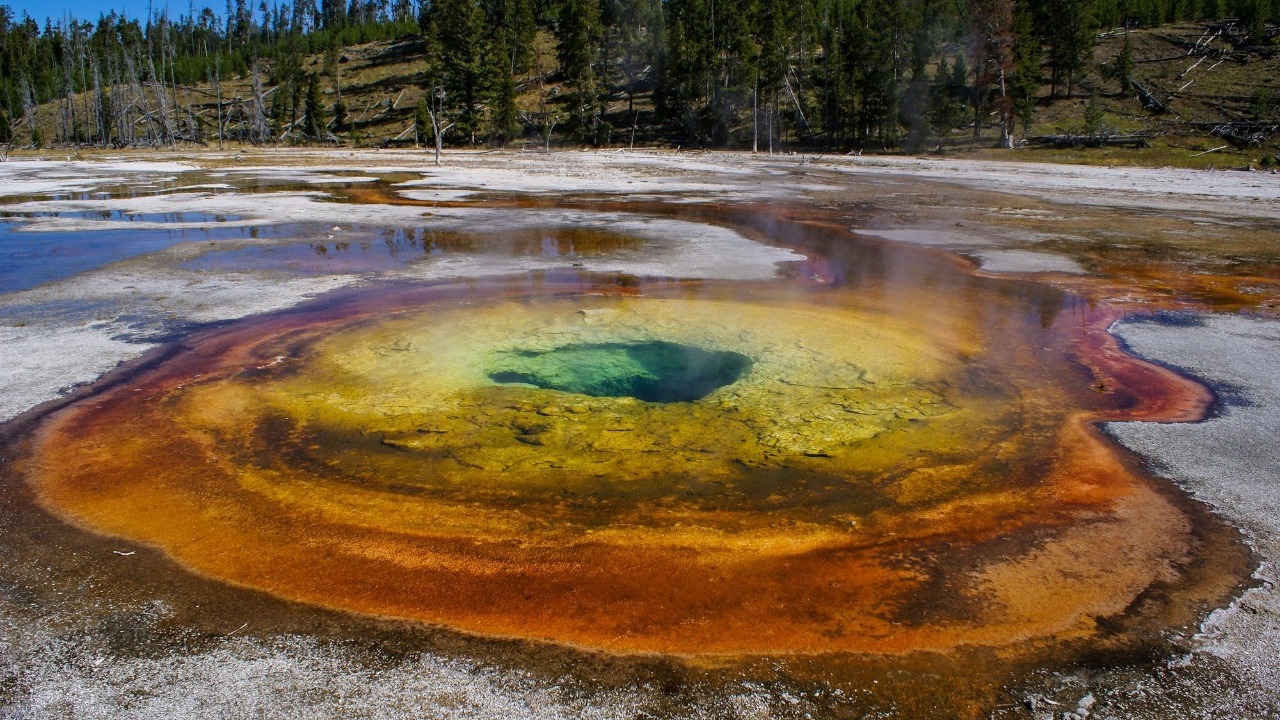
Advanced geophysical imaging techniques have enabled scientists to detect a distinct magma cap located 2.4 miles beneath Yellowstone National Park. This discovery marks a key advancement in understanding subsurface structures at the site. The cap’s role in stabilizing the region’s volcanic system was later confirmed, highlighting its significance in the geological makeup of the park. source
The discovery of the magma cap was made possible by the use of cutting-edge geophysical imaging techniques, which allowed scientists to visualize the subsurface structures of Yellowstone National Park in unprecedented detail. These techniques, which include seismic tomography and magnetotellurics, enabled the detection of the magma cap’s distinct signature. The cap’s discovery has opened new avenues of research into the geological processes that govern the behavior of supervolcanoes like Yellowstone.
Moreover, the discovery of the magma cap has also shed light on the unique geological history of Yellowstone. The formation of the cap is believed to be a result of the park’s long history of volcanic activity, which has seen multiple cycles of magma intrusion, cooling, and solidification. This process has led to the formation of a dense, viscous layer of rock that acts as a barrier to further magma ascent, thereby playing a crucial role in stabilizing the volcanic system.
Structure and Composition of the Cap
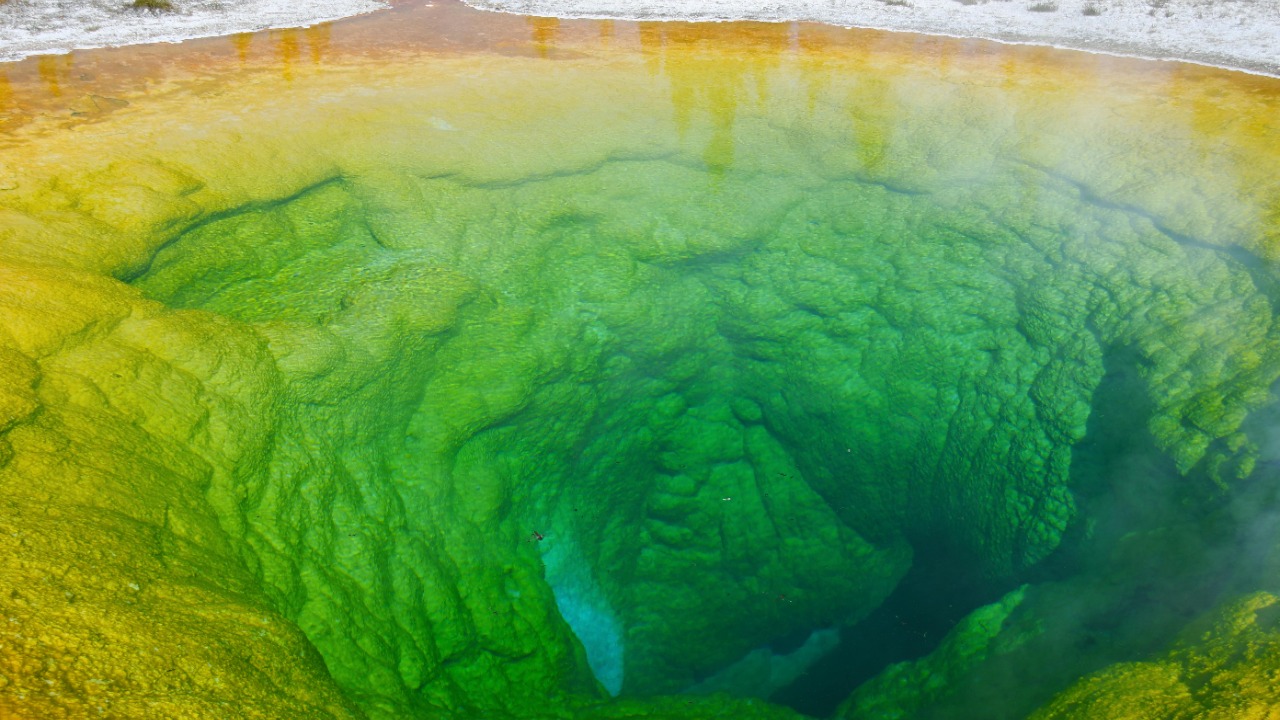
The magma cap is a complex geological feature, characterized by its unique structure and composition. It is primarily composed of solidified magma, which has cooled and crystallized over thousands of years. This solidified magma is interspersed with pockets of semi-solid magma, which lend the cap its viscous nature. The cap’s composition is further complicated by the presence of various minerals and gases, which are trapped within the magma during the solidification process.
The structure of the magma cap is also of significant interest to scientists. The cap is not a uniform layer, but rather a complex network of interconnected chambers and conduits. These structures are the result of the dynamic nature of the magma system, which is constantly being reshaped by the forces of heat, pressure, and chemical reactions. Understanding the structure of the magma cap is crucial for predicting its behavior and assessing its role in mitigating volcanic activity.
Role in Preventing Eruptions
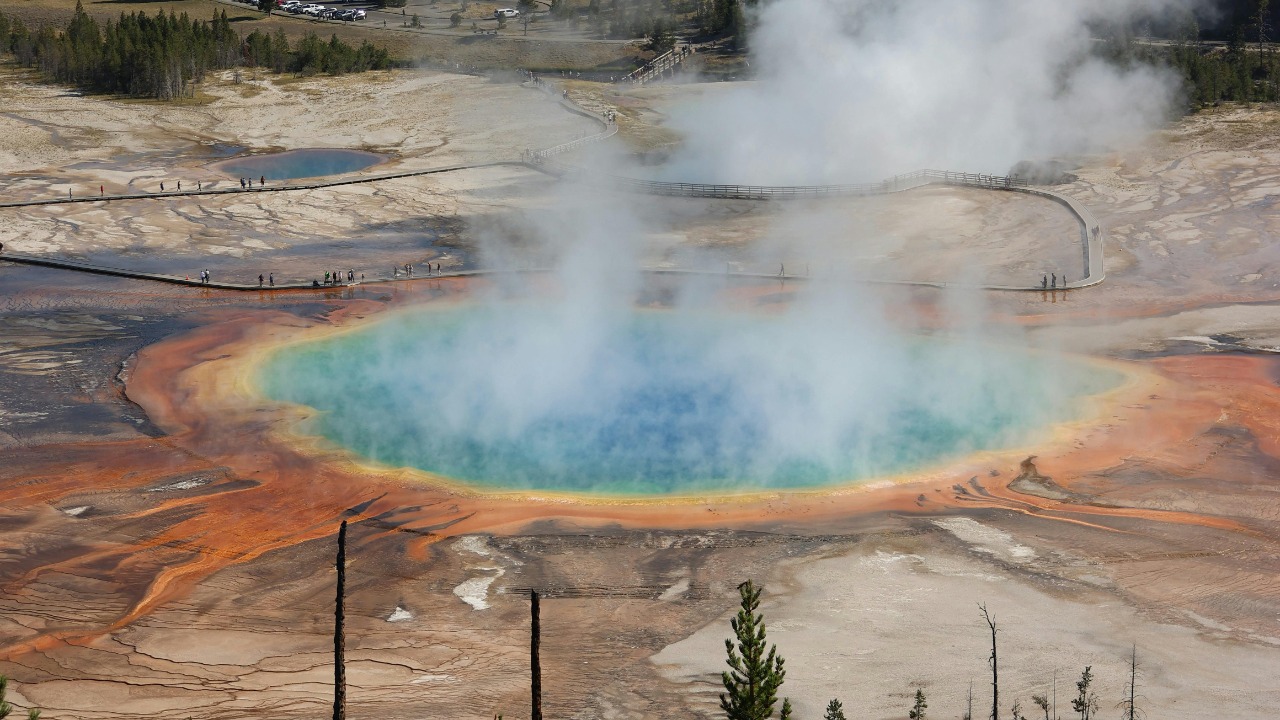
The 2.4-mile-deep magma cap’s role in preventing eruptions is a subject of ongoing research. Current theories suggest that the cap acts as a physical barrier, preventing the upward movement of magma from the underlying chambers. This containment of magma reduces the pressure buildup within the system, thereby reducing the likelihood of explosive eruptions. Furthermore, the cap’s viscous nature may also play a role in damping seismic waves, which could otherwise trigger eruptions.
However, the magma cap’s role in preventing eruptions is not solely a function of its physical properties. The cap’s composition, particularly the presence of various gases and minerals, may also influence the behavior of the magma system. For instance, the release of gases from the magma can lead to a decrease in pressure, which could potentially prevent eruptions. Similarly, the crystallization of minerals within the cap could absorb heat from the magma, thereby reducing its potential for explosive activity.
Yellowstone’s Geological Context
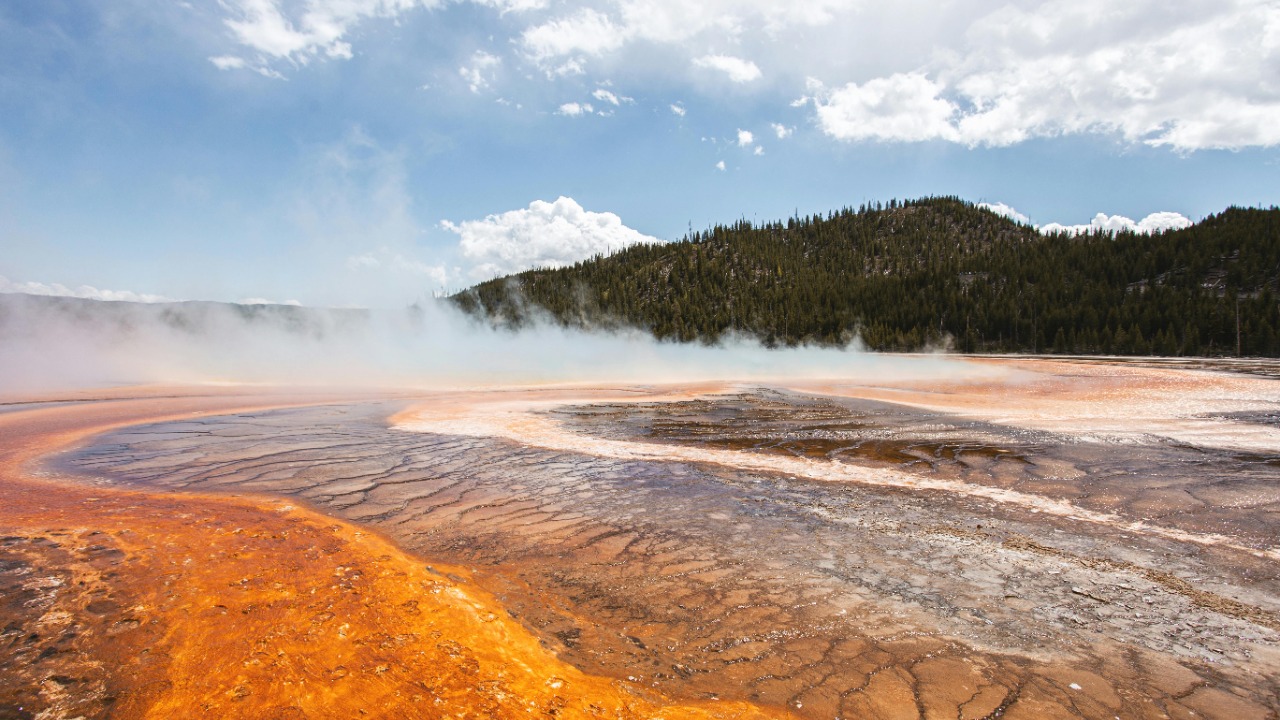
Yellowstone National Park is home to one of the world’s most active volcanic systems. The park’s geology is characterized by a complex network of magma chambers, fissures, and hot springs, all of which are indicative of the intense geothermal activity beneath the surface. The discovery of the magma cap adds a new dimension to this geological complexity, providing a crucial link between the subsurface magma system and the surface features of the park.
The depth of the magma cap, at 2.4 miles, is consistent with the known depths of major magma chambers within the Yellowstone system. This alignment suggests that the cap may play a significant role in shaping the park’s seismic and hydrothermal features. For instance, the cap’s presence could influence the distribution of heat and pressure within the system, thereby affecting the behavior of geysers and hot springs at the surface.
Scientific Implications and Monitoring
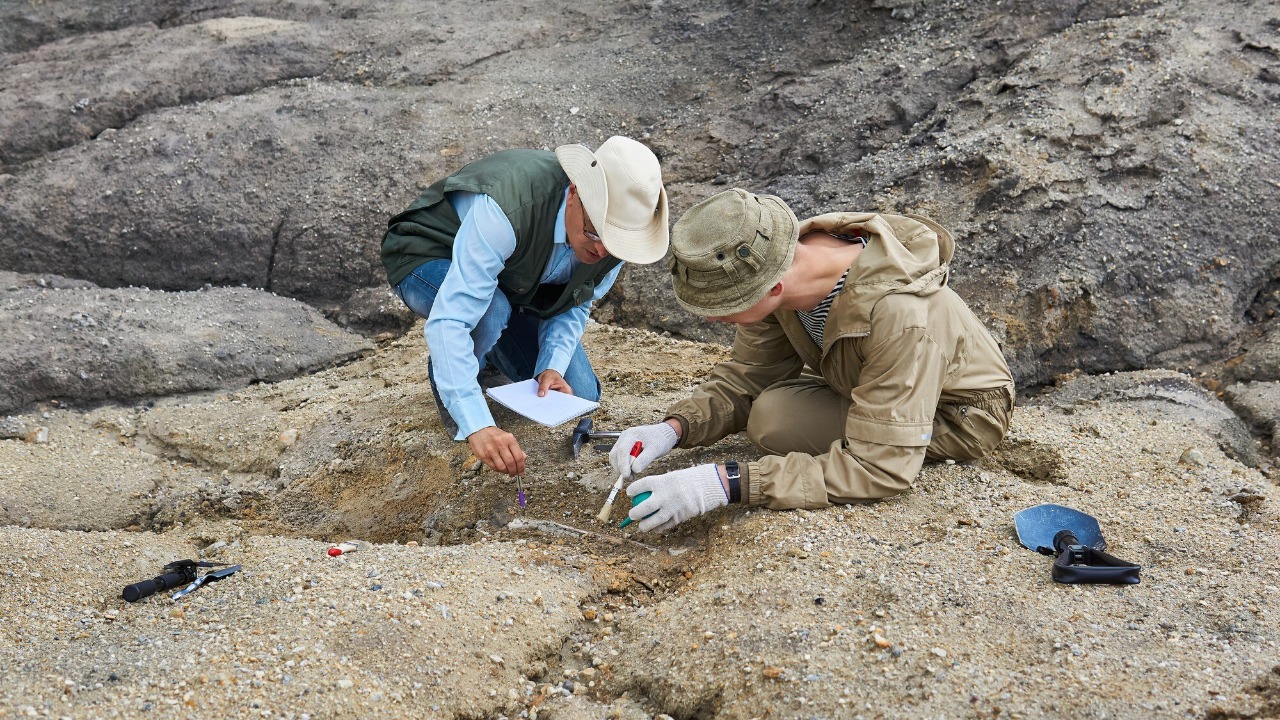
The discovery of the magma cap has significant implications for the scientific understanding of Yellowstone’s volcanic system. It provides a new framework for interpreting seismic and geothermal data, enabling scientists to gain a more comprehensive understanding of the park’s subsurface dynamics. The cap’s presence also highlights the importance of monitoring changes in its structure and composition, as these could provide early warning signs of potential volcanic activity.
Monitoring the magma cap involves a combination of geophysical imaging techniques and geochemical analyses. Seismic tomography and magnetotellurics are used to track changes in the cap’s structure, while geochemical analyses of gas emissions and hot spring waters provide insights into the cap’s composition. These monitoring efforts are crucial for assessing the cap’s stability and predicting its future behavior in relation to Yellowstone’s volcanic activity.
Broader Volcanic Research Insights
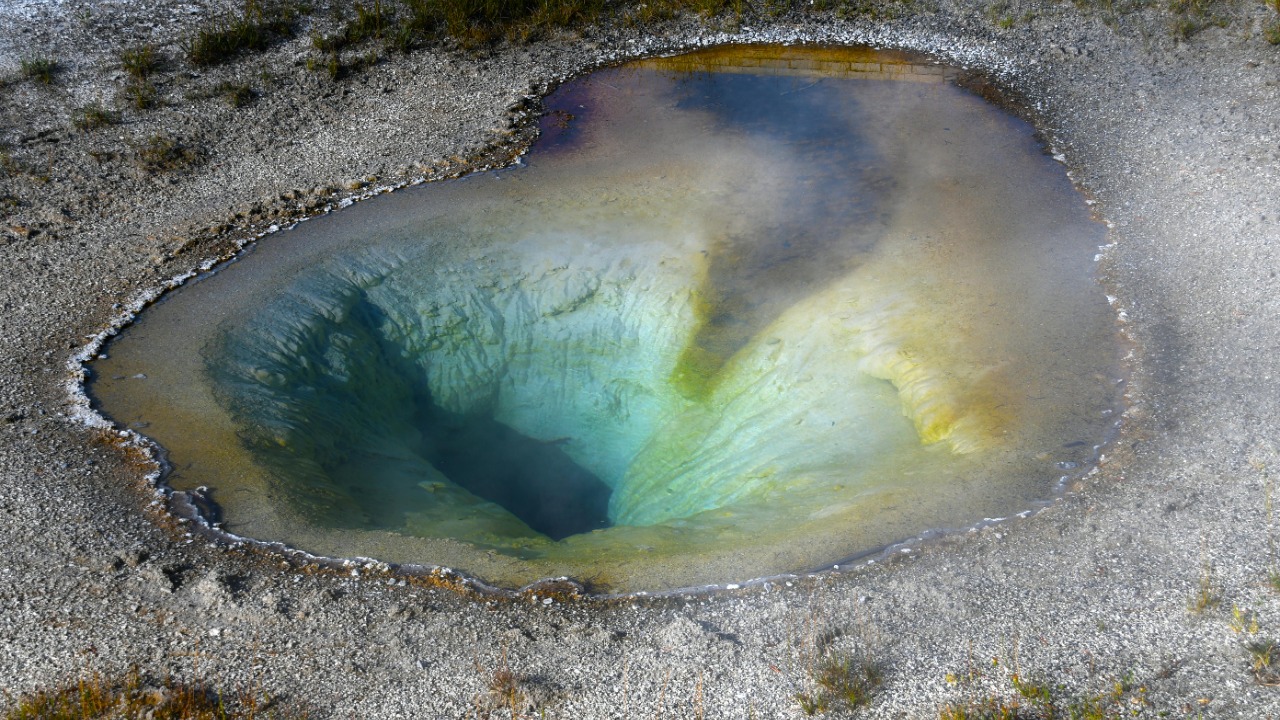
The discovery of the magma cap at Yellowstone has broader implications for volcanic research worldwide. It provides a valuable case study of how subsurface barriers can influence the behavior of volcanic systems, offering insights that could be applied to other supervolcanoes around the world. The cap’s discovery also underscores the importance of geophysical imaging techniques in detecting and characterizing such barriers, highlighting their potential for improving volcanic hazard assessments.
Furthermore, the magma cap’s role in preventing eruptions offers valuable lessons for risk mitigation strategies. By understanding how the cap functions as a natural safeguard against eruptions, scientists can develop more effective strategies for predicting and managing volcanic hazards. This could lead to improved safety measures for communities living near supervolcanoes, as well as enhanced strategies for managing the environmental impacts of volcanic activity.
