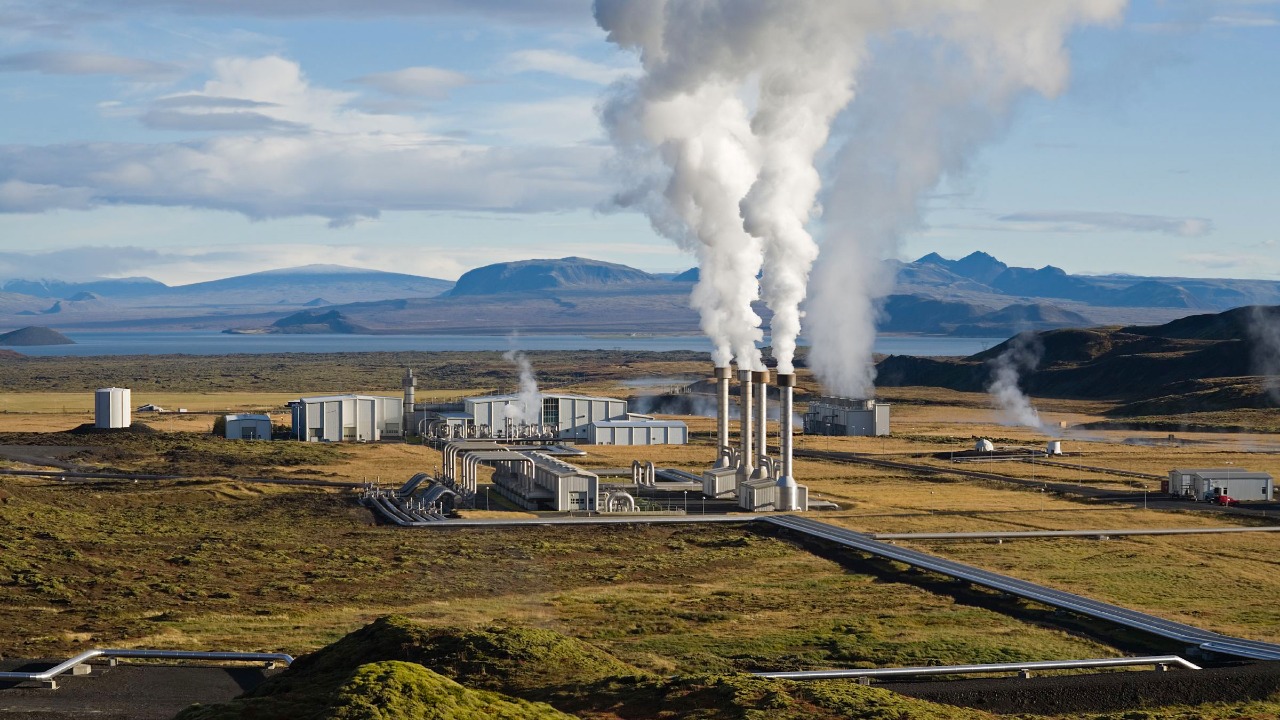

The race to deliver round-the-clock clean electricity just gained an unconventional new contender: pressure-based geothermal power. Houston startup Sage Geosystems has secured more than $97 million to build what it calls the world’s first commercial pressure geothermal plant in the United States, aiming to turn hot dry rock into a scalable, always-on energy source. If the project works as advertised, it could push geothermal from niche resource to a central pillar of firm, carbon-free power.
Instead of relying on naturally occurring underground reservoirs, Sage plans to engineer its own pressure system in deep rock formations and use that stored energy to generate electricity on demand. The company’s new funding, strategic partnerships and aggressive construction timeline suggest that pressure geothermal is moving from lab concept to grid asset far faster than many in the power sector expected.
How pressure geothermal works and why it matters
At the core of Sage Geosystems’ pitch is a twist on conventional geothermal: rather than tapping existing hydrothermal reservoirs, the company drills into hot dry rock and uses injected fluid to create a high pressure system that can be discharged through turbines when power is needed. In effect, the subsurface becomes both heat source and giant pressure battery, allowing operators to modulate output more like a gas plant than a traditional baseload facility. Sage Geosystems describes this first commercial project as a dedicated pressure geothermal power generation facility, a step that moves the technology beyond pilot wells and into a grid-facing plant-scale installation backed by partners such as Sage Geosystems.
That controllability is what makes pressure geothermal so strategically important. By tapping hot dry rock formations and using pressure to generate clean energy, Sage is targeting the same role that gas peaker plants and large battery farms currently play, but with a resource that does not depend on sunshine or wind. Reporting on the world’s first pressure geothermal power plant notes that Sage aims to raise millions for US deployment by exploiting these hot dry rock resources at scale, positioning the company as a potential supplier of firm power in markets that are struggling to balance intermittent renewables with reliability, a vision underscored by coverage of the World.
The $97 million bet on Sage Geosystems
Investors are now putting real money behind that promise. Houston-based Sage Geosystems has raised over $97 Million in a Series B round, with multiple reports describing the company as “Armed with $97 million” and on track to accelerate its first commercial project. One account notes that Houston-based Sage Geosystems has secured $97M to support a geothermal power facility, while another describes how Sage Geosystems Raises Over $97 M to deploy the First Commercial Pressure Geothermal Power Generation Facility, underscoring that the Series B is explicitly tied to getting this inaugural plant built and connected to the grid, as detailed in coverage of Houston Business Journal and the regional report that Sage Geosystems Raises Over $97 Million To Deploy World’s First Commercial Pressure Geothermal Power Generation Facility in the Region.
The financing is notable not just for its size but for who is involved. Ormat Technologies and Carbon Direct Capital co-lead the Series B, according to a detailed announcement that credits Ormat Technologies and Carbon Direct Capital as the primary backers of the Series, and notes that the funds will support development of Sage’s first commercial facility at an existing Ormat power plant site. Additional reporting describes how Sage Geosystems Banks $97M in Series B, highlighting that HOUSTON based Sage Geosystems, the company pioneering Pressure Geothermal, closed over $97 in Series B funding, while Energy Capital notes that Sage Geosystems raises $97M Series B as a Houston geothermal company focused on hot dry rock, with journalist Laura Furr emphasizing the fresh funding for the Series in Energy Capital.
Building at an Ormat site and courting big tech demand
One reason this project is drawing attention is Sage’s decision to build its first commercial plant at an existing Ormat Technologies site, effectively piggybacking on established geothermal infrastructure and operational expertise. A detailed description of the project explains that the Plant is set to be constructed at an existing Ormat Technologies site, aligning Sage with a long-standing geothermal operator while it introduces a new pressure-based design. Another account of the financing notes that the Series B will support development of Sage’s first commercial facility at an existing Ormat power plant, reinforcing that the company is not starting from a greenfield site but instead integrating its technology into a proven geothermal context, as laid out in the announcement shared under the banner Share.
Sage is also aligning itself with the data center boom that is driving much of today’s clean energy demand. In August, Sage announced its partnership with Meta to deliver up to 150 M of new geothermal baseload power at a location that has not been fully disclosed, a deal that signals how hyperscale buyers are looking beyond wind and solar for 24/7 supply. A separate report on the Meta-backed effort notes that the Plant set to be constructed at an existing Ormat Technologies site is tied to Meta’s growing demand in the sector, while another description of the project emphasizes that Meta-backed efforts are helping Sage to scale its first commercial facility, as described in coverage that references Meta and the Plant in Plant and the August announcement involving Sage and Meta in In August.
Jumping the commercialization queue
What makes Sage’s trajectory unusual is the speed at which it is moving from demonstration to commercial deployment. One detailed account notes that Armed with $97 million, the next gen geothermal company is on track to get its first commercial project online two years early, a timeline that would see pressure geothermal competing with more mature technologies far sooner than many analysts expected. Another description of the company’s plans emphasizes that Sage Geosystems to Deploy First-Ever Commercial Pressure Geothermal power generation facility, highlighting how the company is trying to jump the commercialization line by leveraging existing drilling expertise and partnerships with Ormat Technologies and Carbo, as described in a technical overview of Sage Geosystems.
That acceleration is not happening in a vacuum. A separate analysis of the company’s strategy notes that Armed with $97 m and $97 million, Sage is targeting markets that are particularly receptive to new geothermal, including regions where grid operators are under pressure to replace retiring coal and gas plants with firm clean power. The same reporting highlights how Sage Geosystems Banks $97M in Series B, with HOUSTON based Sage Geosystems positioning Pressure Geothermal as a way to deliver dispatchable clean energy, while another summary of key takeaways from the project underscores that Sage Geosystems, Ormat Technologies and Carbo are working together to bring the pressure geothermal plant online, as captured in the Key Takeaways and the financing summary at Sage Geosystems Banks.
Part of a broader geothermal surge
Sage’s funding round is part of a wider wave of capital flowing into advanced geothermal. Fervo Energy, another next generation geothermal developer, recently announced that it raised $462 m, or $462 million, in a Series E funding round to accelerate development and meet surging energy demand with clean firm power. The company described its goal as to Advance Delivery of 24/7 Carbon Free Power at Scale from HOUSTON, positioning Fervo Energy as a leader in geothermal that can complement intermittent renewables with always-available output, as detailed in the company’s own description of Advance Delivery of.
More from Morning Overview