
Virtual Reality (VR) has made significant strides in recent years, raising intriguing questions about its potential to reshape the way we experience travel. While some argue that VR could eventually replace physical journeys, others believe it’s more of an enhancement rather than a substitute.
Exploring the potential and limitations of VR as a travel alternative reveals a nuanced landscape where technology meets human experience.
The Rise of Virtual Reality in Travel
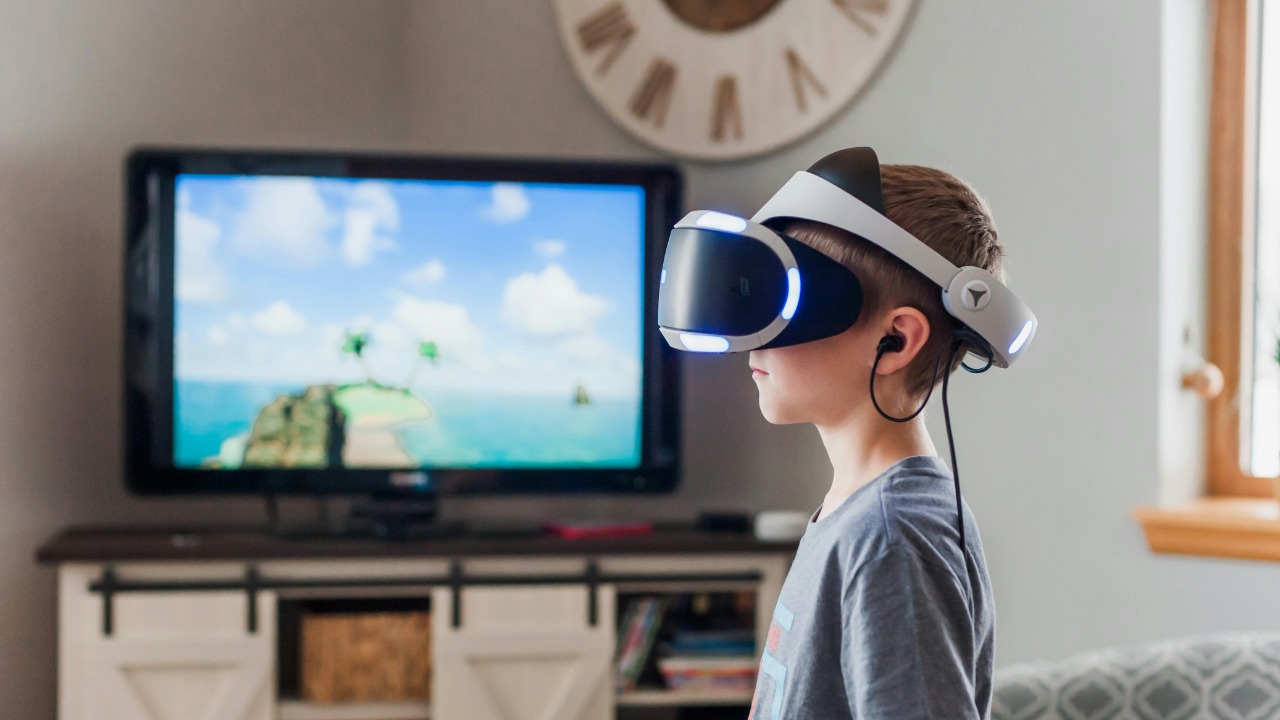
Technological advancements in VR and AR have been remarkable, with innovations like Orion true AR glasses and standalone VR headsets enhancing virtual experiences. These developments have brought VR closer to mainstream adoption, offering users immersive experiences that were unimaginable just a few years ago. VR technology has evolved from bulky setups to sleek, portable devices that provide high-quality visuals and interactive elements.
The travel industry has been quick to adopt VR, with companies and tourism boards incorporating it into their offerings to generate interest and reach a broader audience. By providing virtual tours and experiences, these organizations aim to engage potential tourists, offering them a taste of destinations before they commit to actual trips. As a result, VR is becoming an integral part of marketing strategies, especially as the world navigates through changing travel dynamics.
Consumer interest in VR travel experiences is growing, particularly among younger, tech-savvy individuals who are more open to exploring new technologies. This demographic is often driven by a desire for novel experiences and is more likely to embrace VR as a viable option for exploration. As these technologies become more accessible, they are likely to attract a wider audience, further integrating VR into the mainstream travel experience.
Advantages of VR Travel
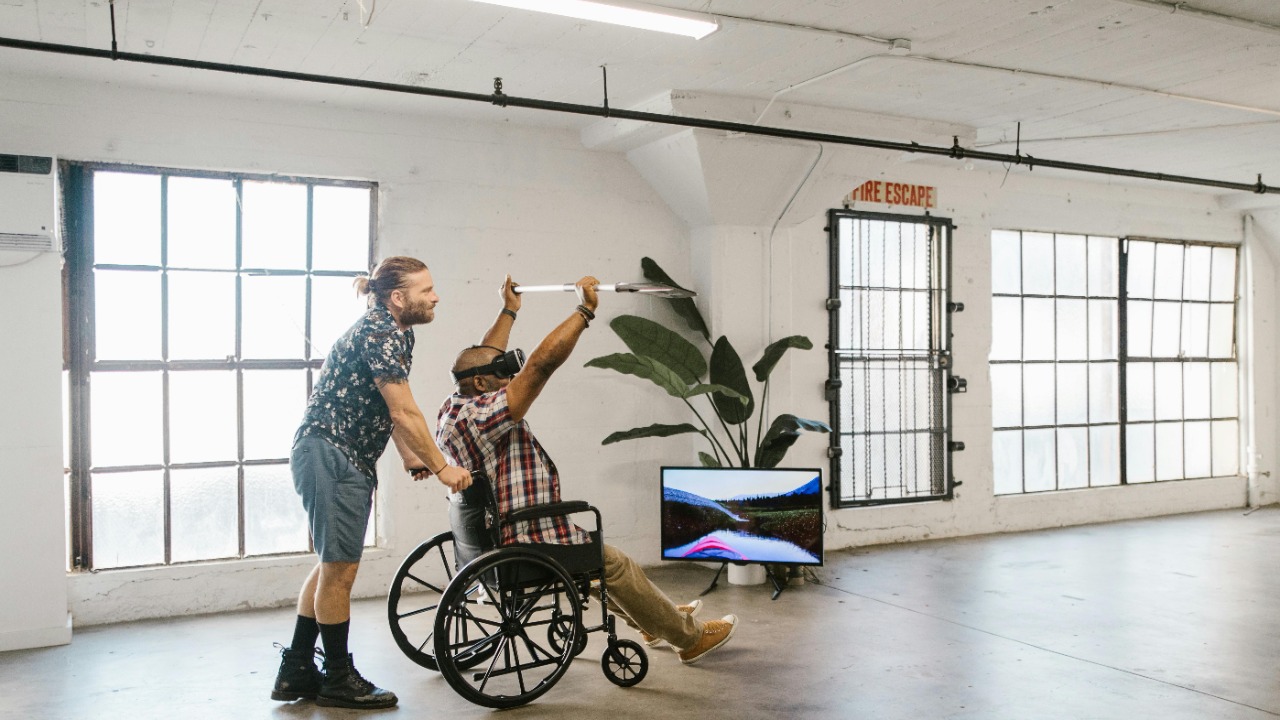
One of the most significant advantages of VR travel is its accessibility and affordability. VR offers travel experiences to those who might otherwise be unable to afford or physically undertake such journeys. This includes individuals with limited budgets or mobility issues, for whom VR provides a viable alternative to explore different parts of the world.
VR travel also presents environmental benefits by potentially reducing travel-related carbon footprints. As concerns about climate change and sustainable tourism grow, VR offers a way to experience the wonders of the world without contributing to environmental degradation. Fewer flights and reduced travel emissions can support a more sustainable tourism model, aligning with global efforts to preserve the planet.
Safety and convenience are other compelling advantages of VR travel. By eliminating the risks associated with physical travel, such as health concerns or geopolitical instability, VR allows users to explore new destinations from the comfort of their homes. This aspect of VR travel is particularly appealing in a world increasingly conscious of health and safety, as it offers peace of mind without compromising on the sense of adventure.
Limitations and Challenges of VR as a Travel Replacement
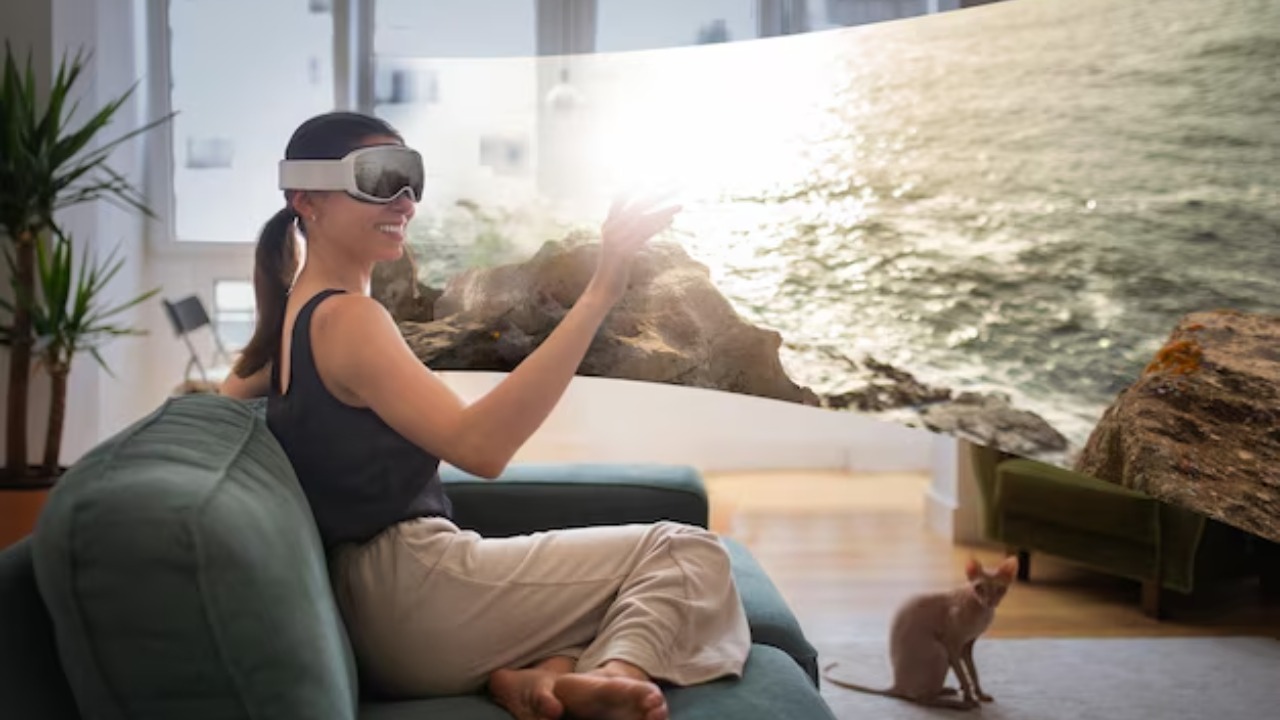
Despite its many advantages, VR travel has its limitations. One of the most significant drawbacks is its inability to fully replicate the sensory richness and emotional connections of real-world travel. While VR can simulate sights and sounds, it falls short in delivering the smells, tastes, and tactile experiences that make travel truly immersive. The emotional resonance of being physically present in a new environment is something VR has yet to replicate.
Technological barriers also pose challenges for VR as a travel replacement. Current limitations include resolution, latency issues, and the necessity for high-quality equipment to deliver a seamless experience. These factors can hinder the overall user experience, making it difficult for VR to compete with the multidimensional reality of physical travel.
Cultural and social aspects present another challenge for VR travel. Authentic cultural immersion and interpersonal interactions, which are central to travel experiences, cannot be fully replicated in a virtual setting. The spontaneity and serendipity of meeting people and experiencing local cultures firsthand are aspects of travel that VR struggles to emulate, highlighting the technology’s current limitations.
Potential for Hybrid Travel Experiences
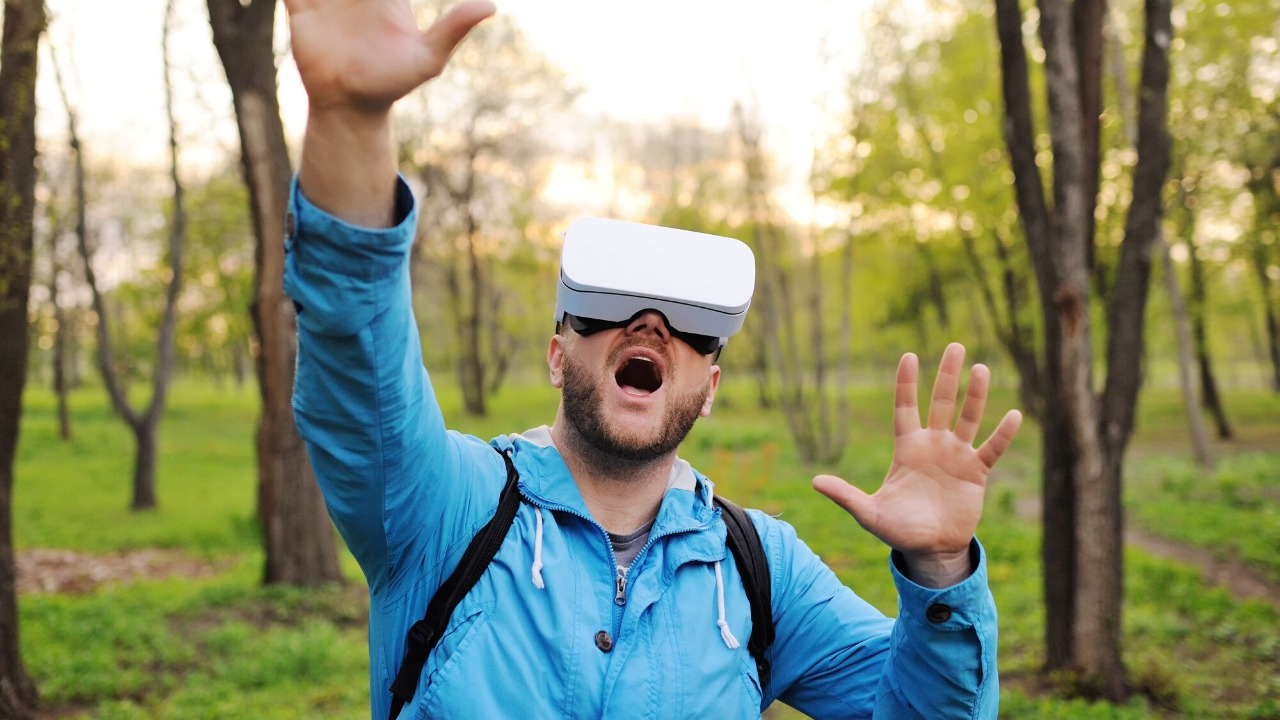
While VR may not fully replace physical travel, it holds potential to complement real-world experiences. By offering pre-trip previews or enriching post-trip memories, VR can enhance the overall travel journey. This hybrid approach allows travelers to better prepare for their trips or relive their adventures in a new, immersive way.
Future innovations in VR and AR may bridge the gap between virtual and real-world travel experiences. As technology continues to evolve, we can expect more seamless integrations that offer travelers a richer, more comprehensive experience. These advancements could pave the way for more sophisticated hybrid travel models, where VR and physical travel coexist harmoniously.
There are already examples of successful hybrid travel models that integrate VR into traditional tourism. For instance, some museums and historical sites offer virtual tours that complement in-person visits, providing additional context and information. These models demonstrate the potential for VR to enhance rather than replace traditional travel experiences.
The Future of Travel: Coexistence or Replacement?
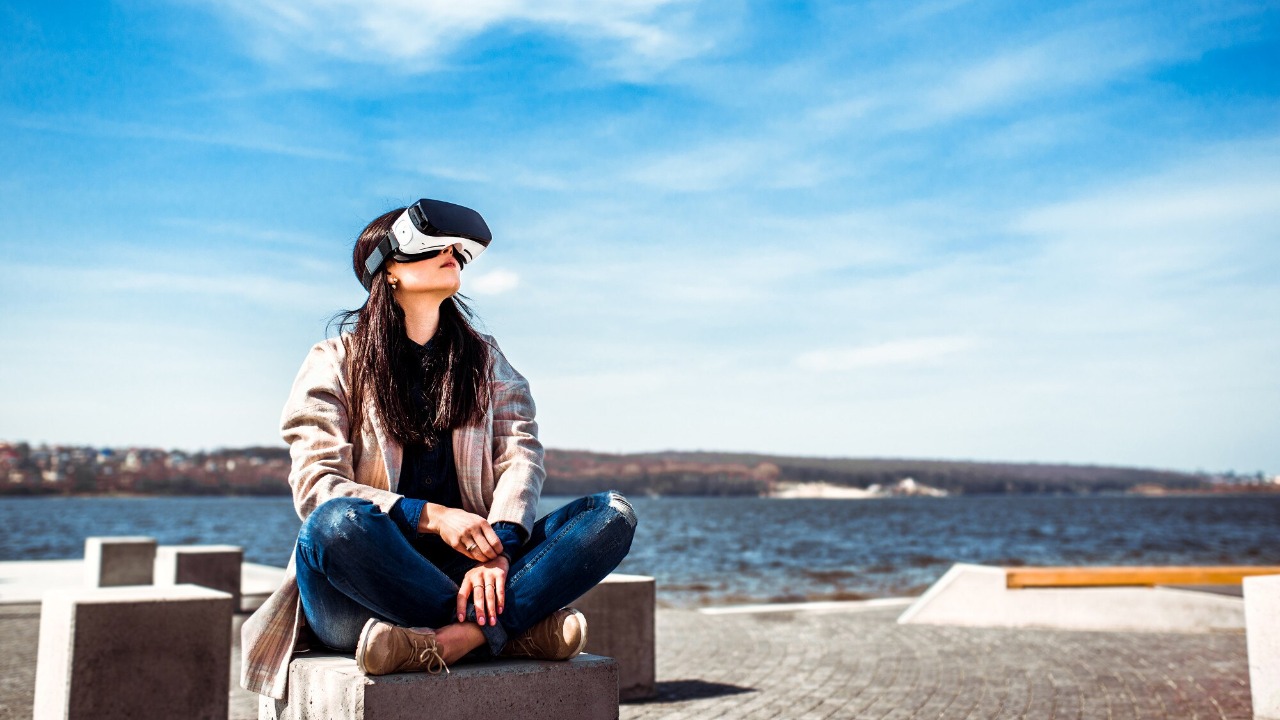
Expert opinions and predictions about the future relationship between VR and real travel vary. Some believe that VR will become an integral part of the travel industry, offering new opportunities for exploration and education. Others argue that while VR will enhance travel experiences, it will not replace the intrinsic value of physical journeys.
Public perception and acceptance of VR travel are crucial in determining its future role. Current sentiment suggests a growing interest in VR as a supplemental tool rather than a complete replacement for travel. To gain wider acceptance, VR will need to overcome technological limitations and offer greater sensory and emotional depth.
The implications for the travel industry are significant, with potential shifts in the landscape as VR adoption grows. On one hand, VR presents opportunities for innovation and new business models. On the other, it poses threats to traditional travel industries that may struggle to compete with the convenience and accessibility of virtual experiences. Ultimately, the future of travel will likely involve a coexistence of both VR and real-world experiences, each offering unique benefits to travelers.
