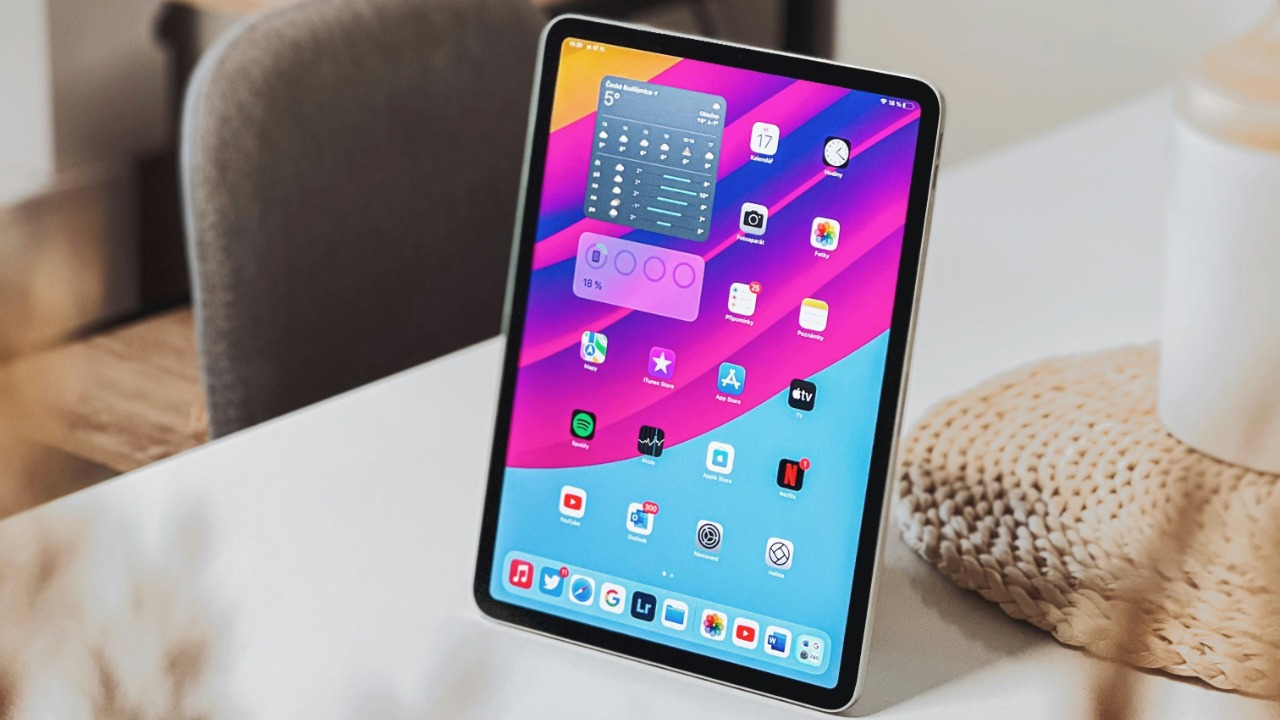

Tablet sales are still sizable, but the reasons most people once gave for buying an iPad have quietly evaporated. Phones have grown into primary computers, laptops have become lighter and more efficient, and rival tablets now cover the remaining niches without locking you into a single ecosystem. In 2025, the iPad is less a must-have device and more a nice-to-have luxury.
I see the same pattern across power users, casual streamers, and even artists: the work that truly matters has moved either to a full computer or to a big-screen phone. The iPad remains excellent hardware, but for many households it has slipped into the role of an expensive couch companion rather than an essential tool.
Tablets lost their unique spot between phone and laptop
The original pitch for the iPad was simple: a bigger screen than your phone, far more portable than a laptop. That middle ground has narrowed. Modern phones with 6.7‑inch displays and desktop‑class chips already handle streaming, social media, banking, and light editing, while ultraportable laptops now weigh barely more than a tablet with a keyboard. Even dedicated tablet comparisons note that Tablets sit in an “odd position,” often lacking the power of laptops while failing to be as pocketable as phones. When the middle category is this compromised, it becomes harder to justify a third screen in your life.
Apple’s own lineup underlines the problem. The base iPad is now a carefully costed product aimed at streaming and light productivity, while the iPad Pro chases laptop‑class performance. Yet even detailed reviews of the Apple iPad 11th Gen describe it as a “Basic Screen for a Basic Tablet,” with the display only shifting from 10.9 inches to a slightly larger panel and the device still positioned as a simple consumption slate. When the entry model is framed as a basic appliance and the high‑end model overlaps with laptops, the middle ground that once defined the iPad starts to disappear.
Laptops and 2‑in‑1s do “iPad jobs” better
The more Apple pushes the iPad Pro toward professional work, the more it invites direct comparison with real computers. Analysts point out that the iPad Pro runs on the same class of silicon as Mac laptops, yet macOS still offers a more flexible experience than iPadOS for multitasking, file management, and pro apps. One detailed critique notes that upcoming M‑series MacBook Pros with OLED displays are likely to deliver a richer screen and software environment than the iPad Pro for similar money. If the laptop is faster, more capable, and no heavier in a backpack, the tablet starts to look redundant.
Real‑world testing backs this up. One reviewer who spent a week using an iPad Pro as a primary computer, complete with keyboard, described sprinting back to Windows after struggling with windowing and workflow friction, even though the tablet’s Features included an 11‑inch (2360 x 1640) Liquid Retina display, an Apple A16 Bionic chip, 126GB of storage, and a 12MP Wide rear camera. On the Windows side, devices like Microsoft Surface Pro 11 blend tablet portability with full desktop operating systems, giving you a touch‑first slate that still runs traditional software. When 2‑in‑1s can be both your tablet and your laptop, the case for a separate iPad weakens further.
Price only sharpens that argument. A fully loaded iPad Pro with the Magic Keyboard can cost more than a MacBook Air, yet the Air still offers a more traditional desktop environment and broader software support. Even reviewers who praise the latest iPad Pro M5’s power conclude that you do not really need the Pro, because lots of what it does can be handled at lower price levels or by a laptop you already own. For many buyers, the rational move is to upgrade the main computer, not add a premium tablet on top.
Most everyday tasks are better on phones or cheaper tablets
For casual users, the iPad has quietly turned into a comfort device rather than a necessity. In one long‑running community thread, owners admit that for most people the iPad is not something they need but something they want, describing it as a “luxurious item” that simply makes certain tasks more comfortable on the couch. One poster bluntly notes that For most people, a phone and a laptop already cover everything essential. When a device is openly described by its own fans as a luxury, it is hard to argue that you still “need” it.
Even Apple‑centric advice now emphasizes practical constraints like storage over the romance of tablet ownership. One support discussion warns that whichever iPad model you choose, you should buy as much internal capacity as your budget allows, because running out of space is far more painful than having too much. That guidance, framed as Whichever iPad you pick, underscores how quickly a tablet can become an expensive streaming screen if you skimp on specs. At the same time, the base iPad for 2025 is not Apple’s most powerful tablet and is described as less capable than many similar slates, even though the company has enlarged its Display from 10.9 inches to a slightly bigger size. If you mainly want Netflix and web browsing, cheaper Android tablets or Chromebooks can do the job just as well.
More from Morning Overview