
The rapid advancement in television technology has not only enhanced viewing experiences but also seemingly shortened the lifespan of these devices. While older models lasted for decades, consumers today often find themselves replacing TVs more frequently.
Understanding the reasons behind this shift reveals a complex interplay of technological, economic, and consumer behavior factors.
The Impact of Rapid Technological Advancements
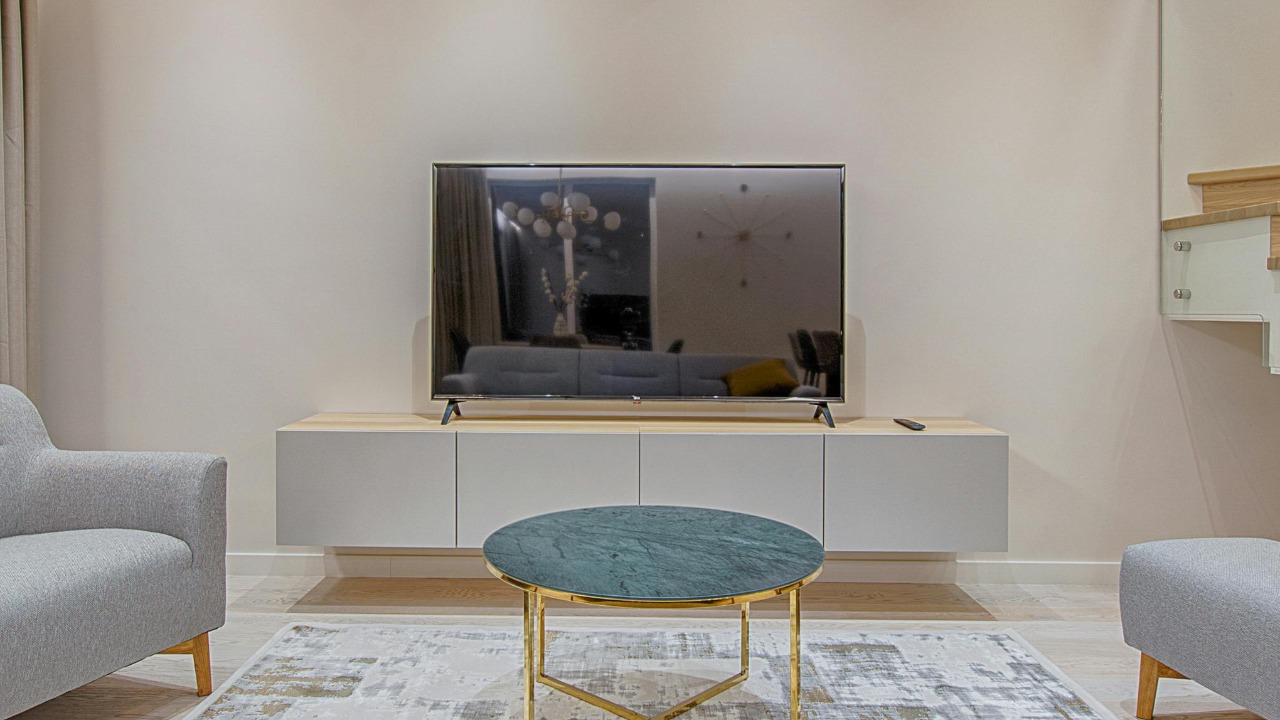
The fast-paced updates in technology have led to a situation where televisions become obsolete more quickly. Manufacturers are in a constant race to incorporate the latest features and technologies, leading to a cycle where consumers feel the need to upgrade frequently. This push for innovation can result in newer models being released before the previous versions have fully demonstrated their value.
Additionally, the pressure to release new models can lead to manufacturing shortcuts that compromise quality. As companies strive to keep up with the competition, the disparity between rapidly evolving software and comparatively stagnant hardware becomes more pronounced. This imbalance can cause issues where the software outpaces the hardware’s capability, leading to performance problems that shorten the device’s lifespan.
Quality of Components and Manufacturing
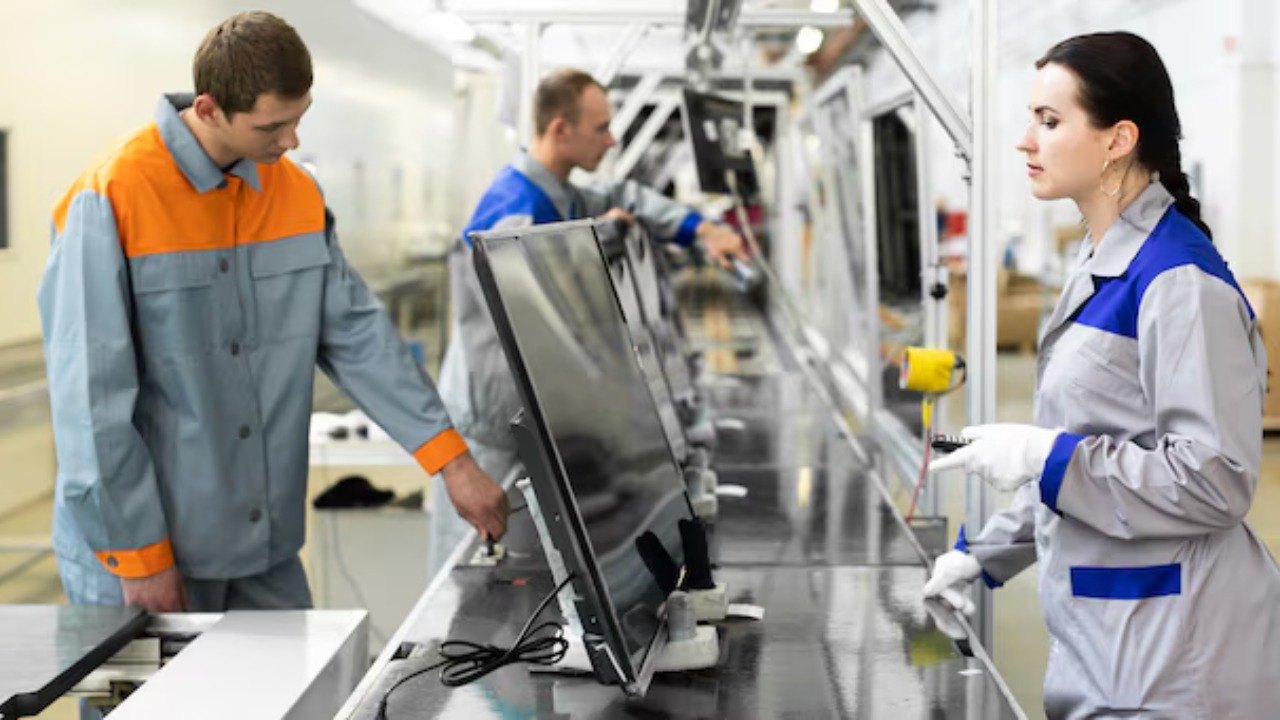
Many modern TVs are built with cheaper materials as a result of cost-cutting measures, directly affecting their durability. Manufacturers often opt for components that reduce production costs but also compromise the product’s longevity. This choice is particularly evident in the display technologies used in TVs.
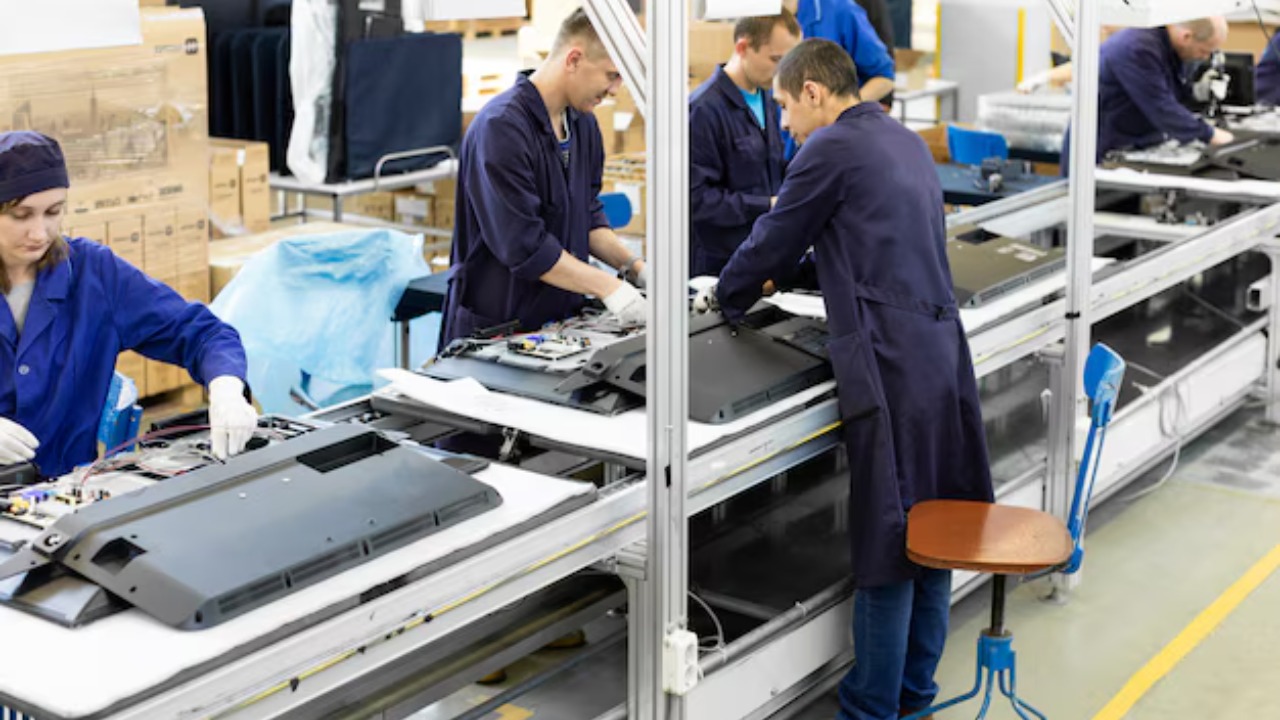
The difference between edge-lit and direct-lit technology is a prime example. Edge-lit TVs, while often more affordable, tend to have higher failure rates compared to their direct-lit counterparts. The mass production processes involved in manufacturing these devices further exacerbate the issue, as the focus on quantity over quality can lead to individual products with reduced longevity.
Consumer Expectations and Usage Patterns

With the rise of streaming services and gaming, TVs are subjected to increased usage, accelerating wear and tear. Consumers often expect these devices to handle multiple functions continuously, which can lead to faster degradation. This increased demand on performance highlights the mismatch between consumer expectations and the actual product lifecycle.
Moreover, there is a cultural shift from repair to replacement. Many consumers opt to replace malfunctioning TVs instead of repairing them, influenced by the perception that repair costs may outweigh replacement costs. This behavior not only affects product longevity but also contributes to the growing issue of electronic waste.
Environmental and Economic Factors
Planned obsolescence has become an integral part of the business models in the electronics industry, encouraging frequent replacements. By designing products with a limited lifespan, manufacturers ensure a steady demand for newer models. However, this approach raises concerns about its economic and environmental sustainability.
The balance between affordable pricing and quality is a delicate one. While consumers benefit from lower prices, the trade-off often comes at the cost of reduced durability. The environmental impact of shorter TV lifespans is significant, leading to increased electronic waste that poses serious ecological challenges. Addressing these concerns requires a reevaluation of current manufacturing and marketing strategies.
The Role of Warranty and After-Sales Service
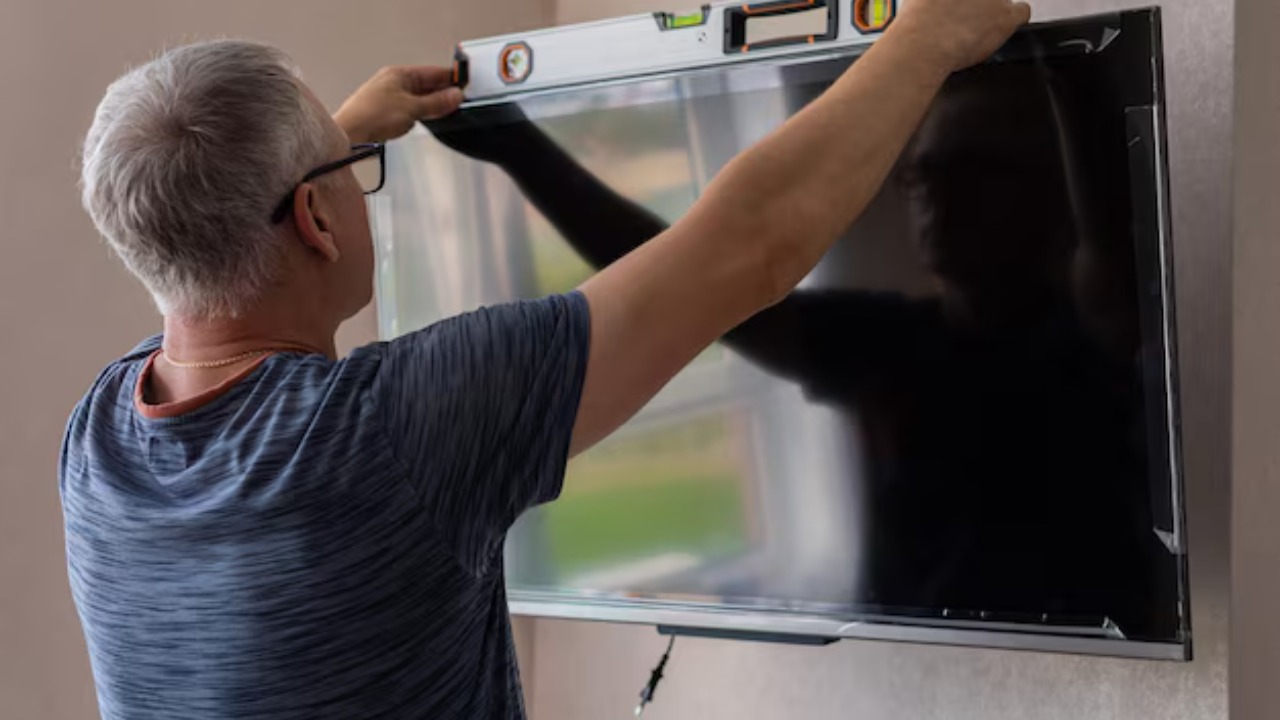
Warranty limitations often fail to cover typical lifespan issues, leaving consumers without recourse when their TVs fail prematurely. Many warranties are designed to protect manufacturers rather than consumers, covering only specific types of failures or requiring costly service fees for repairs.
Quality after-sales service plays a crucial role in consumer trust and product longevity. Brands that invest in comprehensive repair services and customer support often see greater loyalty and satisfaction. Conversely, the lack of accessible and affordable repair options encourages the cycle of replacement, further diminishing the lifespan of televisions.
Potential Solutions and Future Outlook
Innovations in durability and technology could extend TV lifespans significantly. By investing in more robust components and sustainable manufacturing processes, manufacturers can create products that withstand the test of time. Consumer advocacy is crucial in driving industry change, with informed buyers demanding products that offer both quality and longevity.
Regulatory measures could also play a role in encouraging the production of longer-lasting TVs. By setting standards for durability and repairability, governments can help reduce electronic waste and promote sustainable consumer habits. As the industry evolves, a collective effort toward creating more durable televisions could benefit both consumers and the environment.
