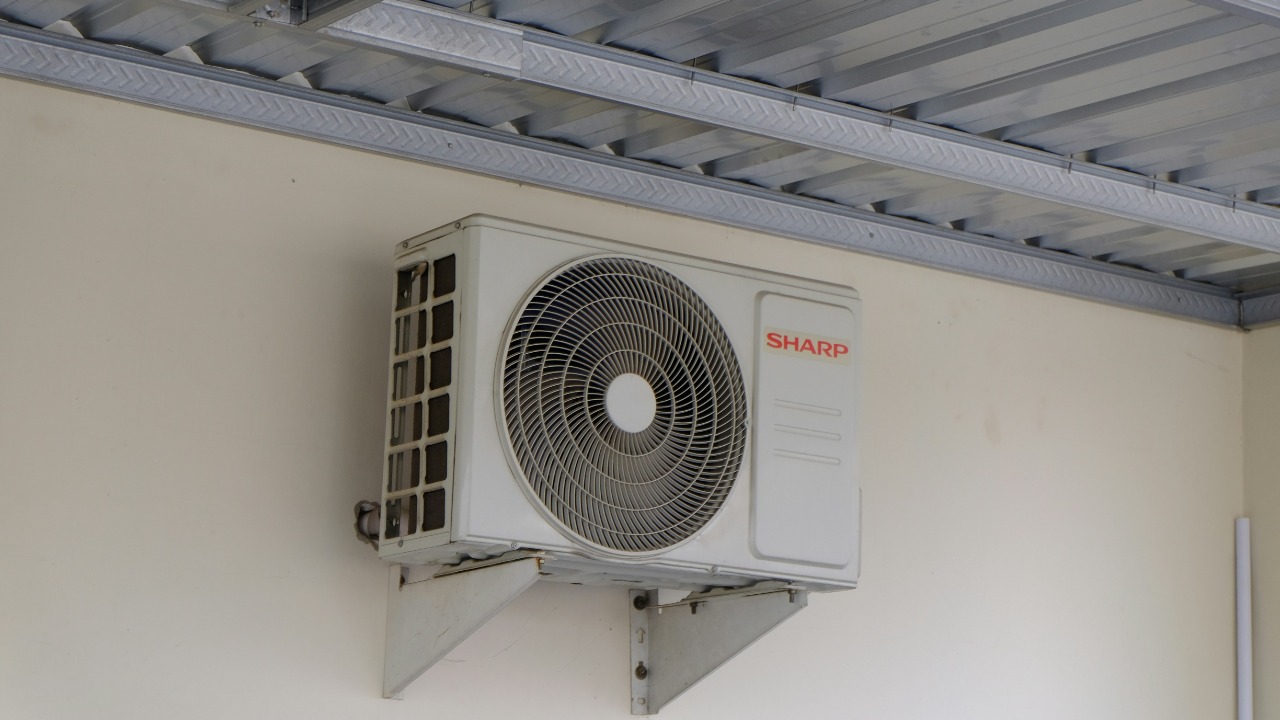

Across the country, heat pumps are quietly replacing traditional furnaces and air conditioners as the default choice for new and upgraded home systems. Homeowners are chasing lower utility bills, cleaner indoor air and a hedge against volatile fossil fuel prices, and the technology has finally caught up to those ambitions. I see a pattern emerging: what started as a niche climate solution is rapidly becoming a mainstream home upgrade that can make financial sense for many households.
At the same time, a web of tax credits, rebates and utility incentives is softening the upfront cost that once scared people off. With federal programs, state initiatives and local offers all stacking together, more families are discovering that a modern heat pump can cost less over its lifetime than simply replacing an aging furnace or central AC with another like-for-like unit.
Heat pumps are becoming the new normal for home comfort
Heat pumps used to be framed as a compromise, fine for mild climates but not a true replacement for a robust furnace and separate air conditioner. That perception is shifting fast as manufacturers improve cold-weather performance and installers gain experience sizing and designing systems for a wider range of homes. Industry data now shows that Heat pumps are outselling gas furnaces nationwide, a milestone that signals how quickly the market is tilting toward all-electric comfort systems.
On the ground, contractors report that homeowners are not just tolerating the change, they are actively seeking it out. One campaign that tracks electrification trends highlights that Rebates, tax credits and other incentives are making upgrades more affordable, which in turn drives word-of-mouth as neighbors compare bills and comfort. In coastal cities like San Diego, contractors describe a surge of interest as cooler seasons approach and residents look for a single system that can handle both heating and cooling while positioning their homes as a “Greener Choice for the Future.”
Why the technology is different from a furnace or AC
The core appeal of a modern heat pump is simple physics. Instead of burning fuel to create heat, these systems move heat from one place to another, which is inherently more efficient. Technical explainers on How Heat Pumps describe a “heat transfer mechanism” that uses refrigerant and a compressor to capture low-grade heat outdoors and concentrate it indoors, or reverse the process in summer. Because they are moving Heat rather than generating it, they can deliver several units of heat for every unit of electricity consumed.
That reversible design also means one piece of equipment can replace both a furnace and a central air conditioner. Guides that compare an electric heat pump with a traditional furnace emphasize that Key Takeaways include year round operation and the importance of Location when choosing between systems. In moderate climates, a heat pump can often handle nearly all heating needs on its own, while in colder regions it may be paired with electric resistance or a backup fuel system to cover the coldest snaps.
The money case: bills, incentives and long term savings
For many households, the decision ultimately comes down to dollars. When I look at the numbers, the case for a heat pump is strongest when you factor in both monthly bills and available incentives. Analyses of operating costs show that if you are replacing an older, inefficient system, Savings from switching can reach up to $1,000 per year, depending on your home and local energy prices.
Upfront cost is where incentives matter. Federal guidance notes that Homeowners Can Save to $3,200 on Taxes for Energy Efficient Upgrades Through December 31, 2025, including qualifying heat pumps. Separate guidance on Heat Pump Tax frames this as part of a broader “Maximum Savings Guide” to help households upgrade their HVAC systems while offsetting inflation.
Beyond tax credits, there are direct rebates. The Inflation Reduction Act created programs such as HEEHRA, which in some states will provide point of sale discounts for qualifying low and moderate income households, and implementation details in California specify that HEEHRA rebates are available only through TECH certified and HEEHRA trained contractors. Separate analyses of Federal incentives note a 30 percent tax credit that applies to a heat pump system and expires after 2025, with unused credits in some cases carried forward to future years, while a dedicated guide to Federal 25C heat pump tax credits explains that this credit expired on Dec. That same guide notes no income requirements and a cap at $2,000 of project costs, which shaped many 2025 purchase decisions.
Comfort, health and climate benefits that go beyond the bill
Money is not the only motivator. Many homeowners are drawn to heat pumps because they promise steadier temperatures, quieter operation and better indoor air quality. Advocates point out that What Are the increasingly include comfort features like variable speed compressors that fine tune output instead of blasting on and off. That same discussion of Heat pump benefits notes that government programs and utility companies are actively promoting these systems, which reinforces their image as a smart, future proof choice.
There is also a clear pollution story. Analyses of household emissions argue that One of the biggest ways to cut pollution from a home is to replace combustion based heating with a heat pump, especially as the grid gets cleaner. A poll based research effort underscores that many families are motivated by health as much as climate, concerned about indoor nitrogen dioxide and other byproducts of burning gas. For those households, the appeal is as much about breathing easier as it is about lowering bills.
How to decide if a heat pump makes sense for your home
Even with the momentum, a heat pump is not automatically the right answer for every house. Climate, existing ductwork, insulation levels and local electricity prices all shape the economics. Technical comparisons of Heat pump vs Gas Furnace systems stress that Opting for a heat pump can offer various advantages, but that the best choice depends on whether your home is better suited to one technology or the other. Manufacturer guidance on Key Takeaways reinforces that location and design details matter.
To cut through the complexity, I find it useful to lean on calculators and local incentive finders. The Internal Revenue Service explains how the energy efficient home improvement credit works, while independent tools like the calculator from Rewiring America estimate household specific savings and incentives. Separate coverage of electrification notes that Another “great tool” that Another company leader, Jammal, highlights is the Rewiring America savings calculator, which helps Families see which electrification and efficiency incentives they qualify for. Broader advice on going all electric urges homeowners to Find and Research available tax credits, rebates and local benefits, and notes that You can use tools from Rewiring America and the Database of State Incentives for Renewables and Efficiency to find incentives in your area.
More from Morning Overview