
The notion that Mars colonies may already exist is a tantalizing prospect that has captured the imagination of scientists, philosophers, and the general public alike. While the concept may sound like the stuff of science fiction, there are compelling arguments and ongoing research that suggest the feasibility of such ventures. The reasons why Mars colonies may not just be a future possibility, but a present reality, are worth exploring.
Theoretical Basis for Mars Colonization
Philosophical arguments against Mars colonization often highlight ethical and existential concerns. A paper published by the Journal of the American Philosophical Association discusses the potential risks of imposing human values on a new world. Critics argue that colonizing Mars might be morally questionable, as it could involve exploiting the planet’s resources and disrupting its natural state.
On the other hand, the technological and scientific advancements required for establishing a sustainable colony on Mars have been a focus of research for decades. Robert Zubrin’s 1995 paper outlines the essential technologies needed for such a venture, including life support systems and energy sources. The counterarguments suggest that Mars colonization is not only possible but necessary. Proponents argue that establishing a presence on Mars could ensure the long-term survival of humanity.
Technological Feasibility and Developments
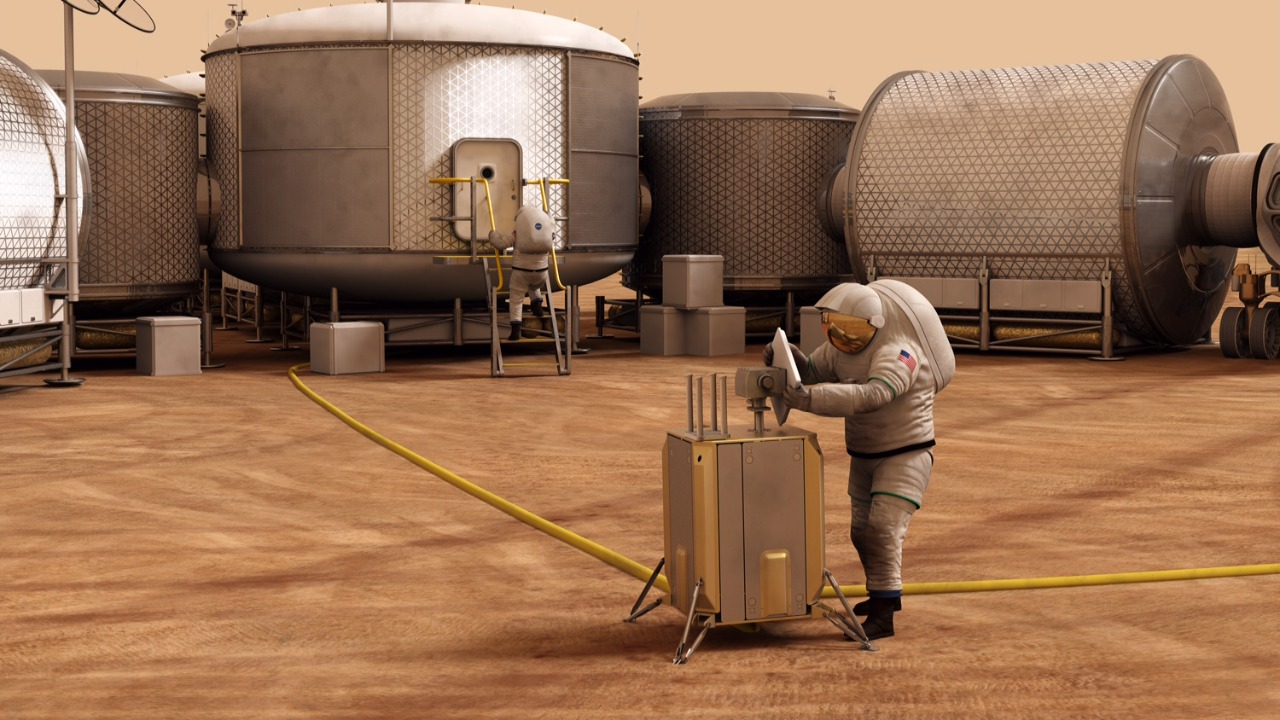
Significant technological breakthroughs have paved the way for potential Mars colonization. Advancements in space travel, such as reusable rockets and improved propulsion systems, have made the idea of reaching Mars more feasible. Life support systems capable of recycling air and water are essential for sustaining life on another planet, and current research shows promising developments in these areas.
Leading space agencies and private companies are actively working on making Mars colonization a reality. Initiatives from organizations like NASA and SpaceX are focused on developing the technology needed to transport humans and resources to Mars efficiently. However, logistical challenges remain, such as ensuring the safe transport of materials and people to the Red Planet. Overcoming these challenges is crucial for the success of any colonization effort.
Evidence of Existing Colonies
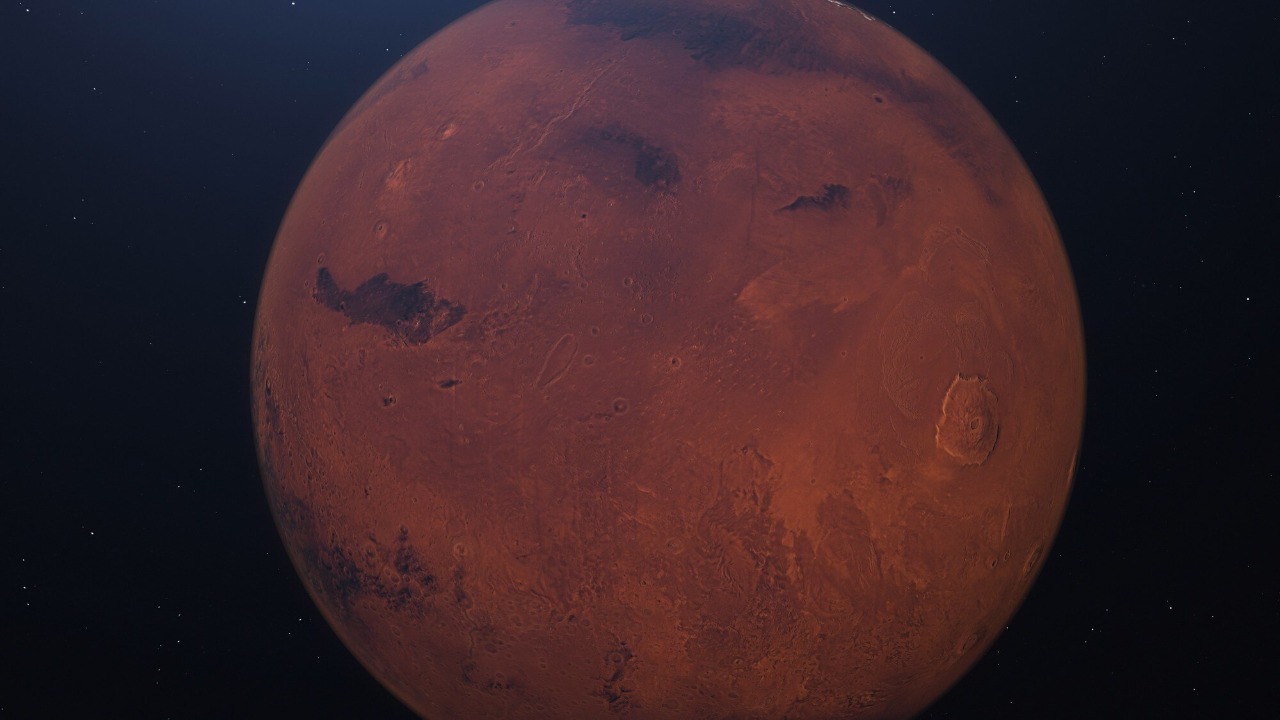
Claims and theories about the existence of secretive Mars colonies often circulate in online forums such as Reddit. While these discussions are speculative, they capture the imagination of many who are curious about the potential of life beyond Earth. The credibility of these claims is questionable, as they often lack substantial evidence and rely on anecdotal accounts.
Expert opinions on the subject tend to be skeptical, citing the lack of concrete data to support the existence of established colonies on Mars. The implications of potential non-disclosure agreements and governmental secrecy add another layer of intrigue to the public perception of Mars colonization. While the idea of secret colonies is fascinating, it remains largely within the realm of speculation.
Ethical and Environmental Considerations
The ethical debates surrounding the colonization of Mars are complex and multifaceted. Resources like the Britannica space colonization debate offer insights into the moral responsibilities humans face when considering settling on another planet. The potential environmental impact of human activities on Mars is a significant concern. Preserving the natural state of Mars and preventing contamination from Earth-based organisms are crucial considerations for any colonization effort.
Evaluating the moral responsibilities of humans as potential settlers on another planet involves considering the potential consequences for Martian ecosystems. The introduction of Earth organisms could disrupt the planet’s environment, raising questions about the ethical implications of such actions. Balancing the desire for exploration with the need to preserve Mars’ natural state presents a challenging ethical dilemma.
Potential Benefits and Risks
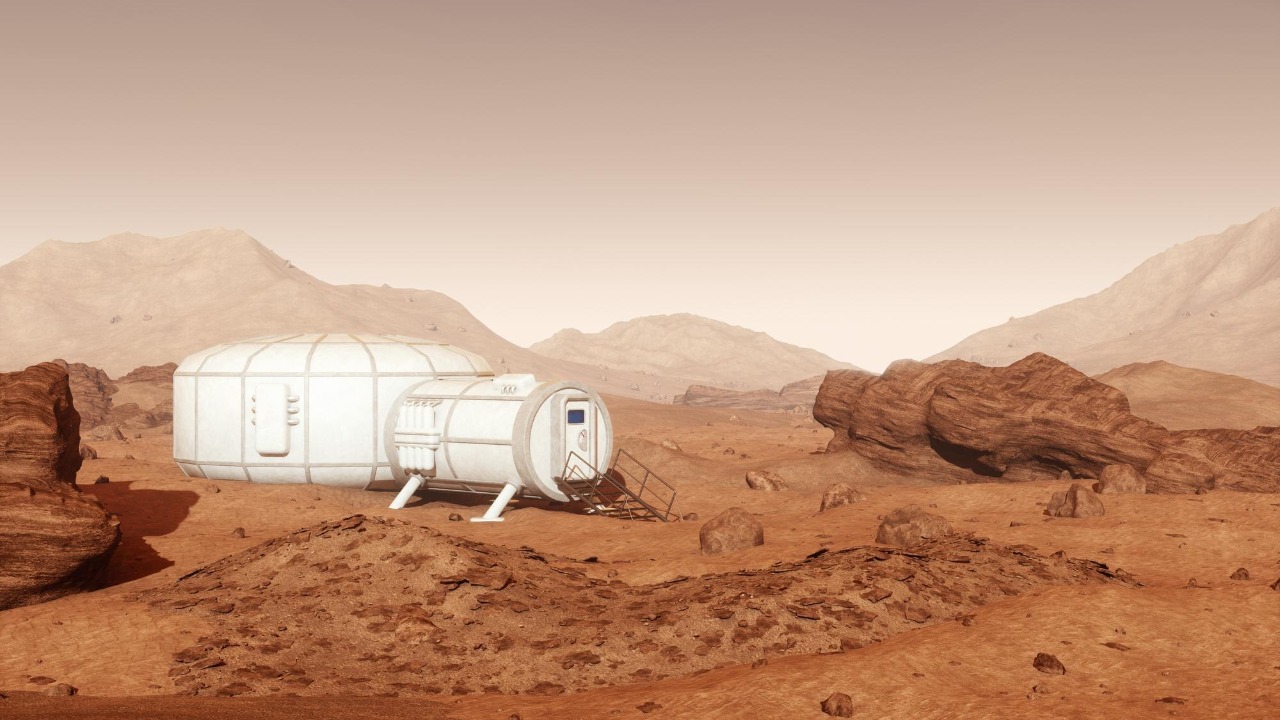
There are numerous potential benefits to colonizing Mars. The acquisition of resources, such as valuable minerals and metals, could drive scientific exploration and innovation. Additionally, establishing a human presence on Mars could serve as a backup plan for human survival in the event of catastrophic events on Earth.
However, the risks associated with establishing colonies on Mars are significant. Health hazards, such as exposure to radiation and the psychological effects of isolation, pose serious challenges to long-term habitation. The possibility of failure, whether due to technological issues or unforeseen environmental factors, remains a significant concern. Geopolitical implications also arise, as Mars colonization could shift power dynamics on Earth, leading to new challenges in international relations.
Public Perception and Cultural Impact
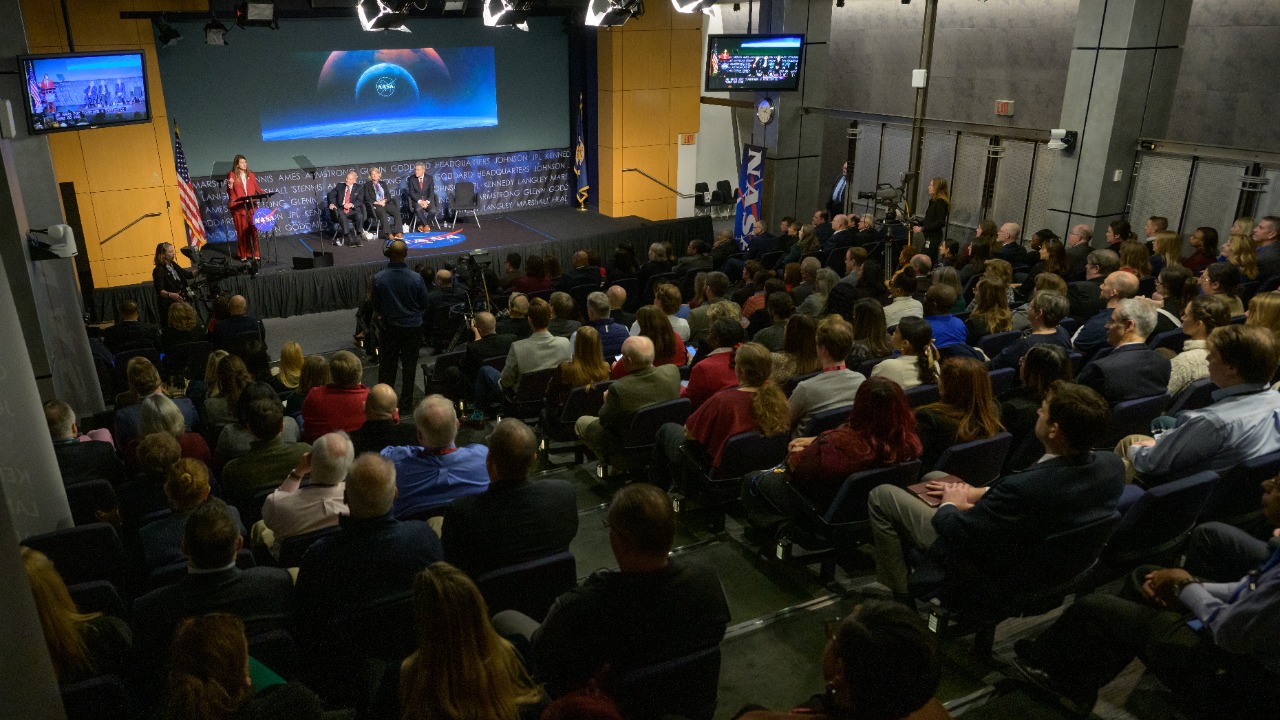
Popular media and science fiction have played a significant role in shaping public perception of Mars colonization. Movies, books, and TV shows have fueled interest in the idea of living on another planet. This cultural fascination has, in turn, influenced public opinion and increased support for space exploration initiatives.
The cultural impact of a successful Mars colony could be profound, affecting human identity and our understanding of life beyond Earth. As more people contemplate the possibility of becoming a multi-planetary species, the role of public opinion and grassroots movements in influencing policy and funding for Mars colonization efforts cannot be underestimated. The potential for human expansion into space offers both exciting possibilities and complex challenges.
