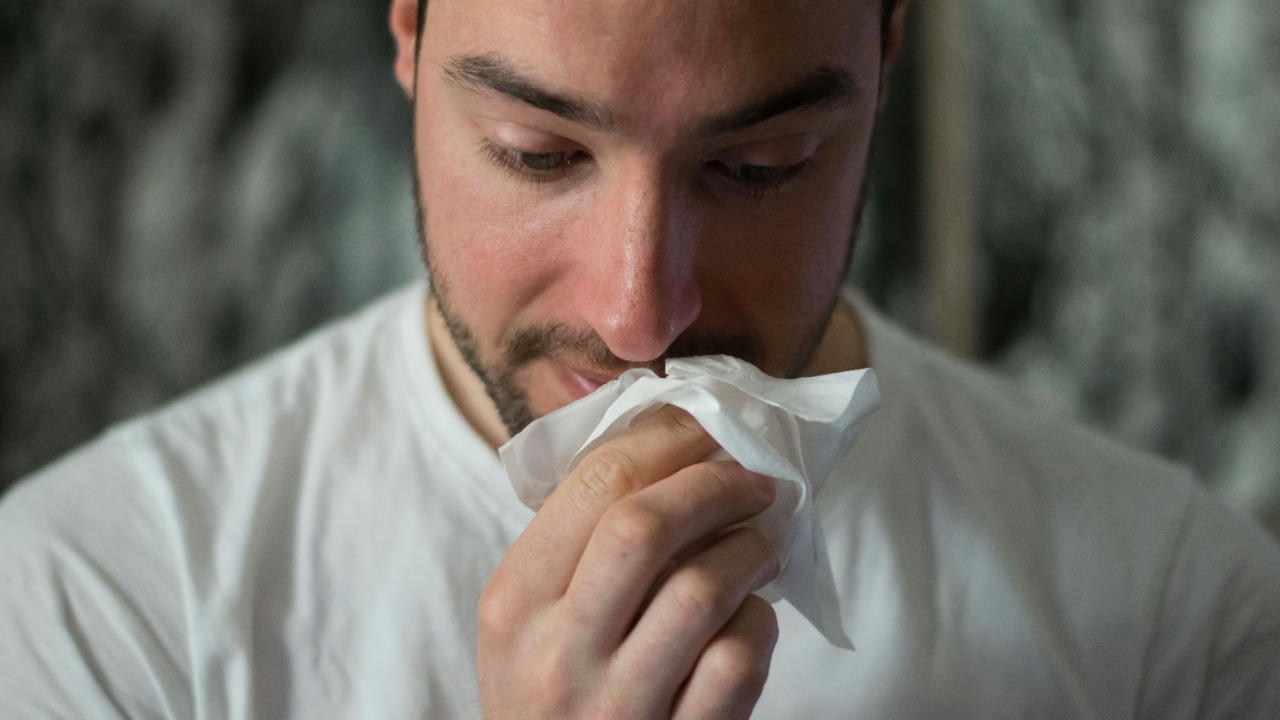

Across the United States, clinics and emergency rooms are again filling with people who have high fevers, hacking coughs, and the kind of body aches that flatten even healthy adults. The current flu wave is not just another rough winter, it is rivaling last year’s epidemic levels and stretching hospitals and primary care practices in ways that feel uncomfortably familiar. To understand why this season feels so extreme, I am looking at three converging forces: a shape‑shifting virus, falling vaccination and policy shifts, and a population whose immunity and behavior have changed since the pandemic.
Put simply, the flu has found a sweet spot: a more contagious variant is spreading into communities where fewer people are protected, at a time when other respiratory viruses are also circulating. That combination is driving unusually high hospitalization rates, especially for young children and older adults, and making it seem as if everyone you know is sick at once.
The new “K” variant and a turbocharged H3N2
Virologists have been tracking a new branch of influenza A that is helping to power this season’s surge. A subclade of H3N2, sometimes labeled the “K” variant, carries several mutations that appear to make it easier for the virus to latch onto human cells and spread efficiently in crowded indoor settings. In practical terms, that means a single contagious person at a daycare pickup or office holiday party can seed far more infections than in a typical year, which is exactly what clinicians are now seeing as cases spike across regions.
Reporting on the current strain notes that Fueling the majority of infections is a new version of influenza A H3N2 with mutations that may improve the virus’s ability to infect people and dodge some existing immunity. Infectious disease specialists describe this subclade K “super flu” as a strain that is not necessarily more lethal on a case‑by‑case basis, but that is causing more severe symptoms in enough patients to crowd hospitals, especially when layered on top of other respiratory illnesses. When I look at the pattern of rapid spread and the intensity of symptoms, it fits with what Jan reports describe: a virus that has evolved just enough to outpace our defenses without burning itself out.
Vaccination drop‑off and shifting guidance
At the same time that the virus has become more adept, fewer people are rolling up their sleeves. In Colorado, for example, health officials point out that only 32% of Coloradans got flu shots during the entire winter respiratory virus season in 2024, and early numbers suggest uptake is even lower this year. That kind of drop leaves a large pool of susceptible people for the virus to move through, which is exactly what epidemiologists warn will happen when vaccination rates slide below the levels needed to blunt community spread.
The national picture is complicated further by changing recommendations. Federal officials in the Trump administration have said they will no longer recommend flu shots and some other types of vaccines for all children, instead encouraging parents to make decisions with a health professional, a shift that was highlighted when new flu data were released in Jan. Around the same time, pediatric guidance noted that flu vaccines are no longer universally recommended for children, instead urging parents to decide with a clinician, as described in another Jan report. When I connect those policy shifts with already low coverage, it is not surprising that the virus is finding so many unprotected hosts.
Hospitals under strain and who is getting hit hardest
On the ground, the impact shows up in waiting rooms and intensive care units. Hospitalization rates and outpatient visits for flu have jumped sharply, with doctors in multiple states describing record‑setting surges in admissions. In Colorado, clinicians say they are seeing a “record‑setting surge in flu hospitalizations,” and they link that directly to low vaccination rates and the circulation of other respiratory illnesses, as detailed in a Jan analysis of Why this winter’s flu season has been so severe. Nationally, emergency departments are reporting that beds are tight and that staff are juggling flu alongside COVID‑19 and RSV, which complicates care and stretches resources.
Children are bearing a disproportionate share of the burden. Pediatricians report that infants and young children through age 4 have been among those hit hardest this season, with more of them needing hospital care for dehydration, breathing problems, or secondary infections like pneumonia. That pattern is reflected in coverage of Who is hardest hit and what Doctors are seeing in children’s hospitals. When I talk to clinicians, they describe parents arriving after several days of high fever and labored breathing, often unsure whether the culprit is flu, RSV, or COVID‑19, which underscores how intertwined these respiratory threats have become.
Immunity gaps, viral evolution, and the “everyone is sick” effect
Beyond the immediate numbers, there is a deeper story about how our immune systems and the virus have been coevolving. Scientists have been puzzling over influenza for decades, and they note that many of the worst modern flu seasons have been driven by H3N2 surges that exploit gaps in population immunity. As one recent analysis put it, Scientists still do not fully understand all the nuances of the virus’s rapid evolution and transmission patterns, but they see clear cycles in which a new H3N2 variant emerges and causes outsized damage. The current K subclade fits that pattern, arriving at a moment when many people’s last meaningful exposure to a similar strain was several years ago.
That helps explain why it feels like everyone has the flu this year. Immunologists point to a pattern of periodic surges, where a combination of waning immunity and viral change leads to a big spike in cases, followed by quieter years. One recent paper, highlighted in a Jan discussion of why it seems like everyone is sick, suggests that the current vaccine is not as much of a miss as some feared, and that people do develop responses that reduce severe disease even when the match is imperfect. But when a sizable share of the population skips vaccination altogether, those partial protections never get a chance to work, and the virus can rip through communities in visible waves.
What public health data and doctors say to do now
Real‑time surveillance backs up the sense that this is not a routine winter. According to the latest federal This Week Activity Update, Seasonal influenza activity remains elevated across the country, while RSV activity is elevated in many areas and COVID‑19 ranges from low to moderate. That triple threat is why local doctors are urging people to take layered precautions, from staying home when sick to masking in crowded indoor spaces, especially if they live with someone at high risk. In one regional roundup, clinicians emphasized that Hospitalization rates and outpatient visits have jumped, and they walked through practical steps people can take to stay safe right now.
Vaccination remains the central tool, even in a tough season. Infectious disease experts stress that, while the K variant has trimmed some of the shot’s ability to block infection, the vaccine still reduces the risk of severe illness, hospitalization, and death. As one overview of this year’s fierce flu season put it, Here infectious disease doctors answer What people most want to know about how to shore up their defenses, and they consistently land on vaccination plus basic hygiene as the best combination. For those wondering Where to get a shot, public health guidance reminds people that Grocery stores, pharmacies, doctor’s offices, and hospitals are all offering flu vaccines, and that Experts still recommend getting vaccinated even late in the season.
Supporting sources: Preparing for Cold.
More from Morning Overview