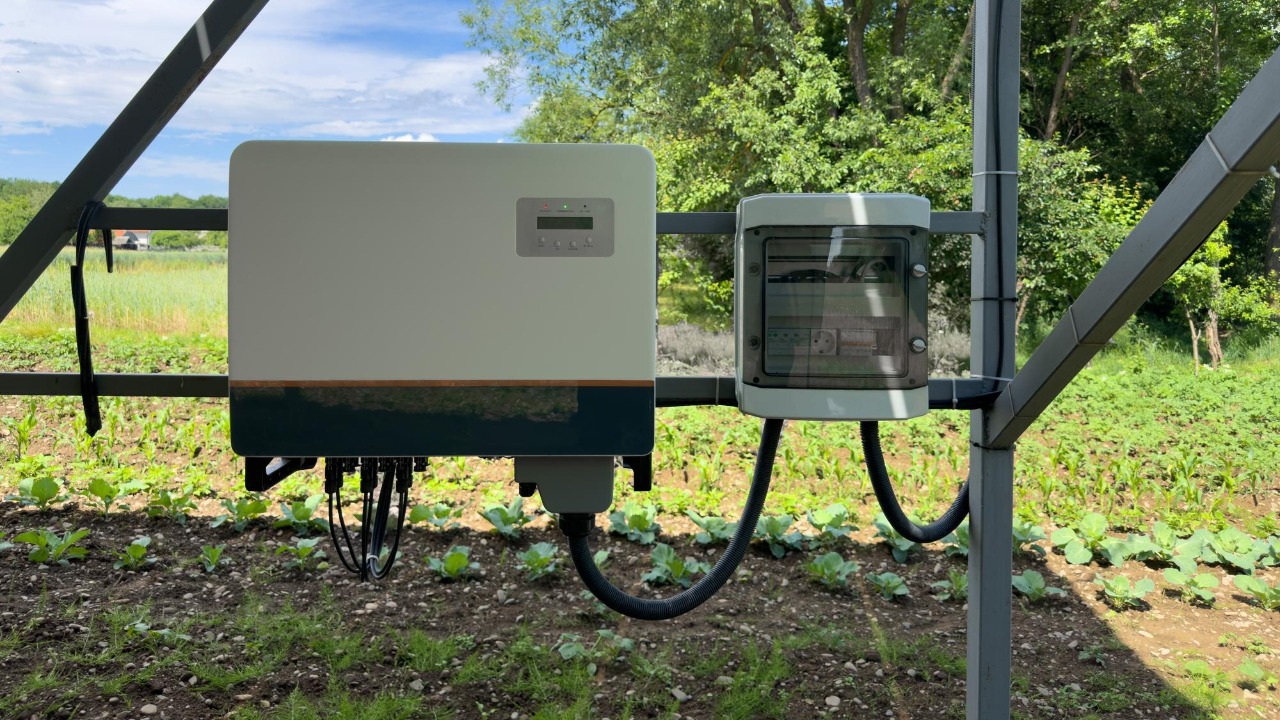

Power outages are no longer rare, freak events. As extreme weather, grid strain and aging infrastructure collide, the risk of sitting in the dark for hours or even days is rising in many parts of the United States. That is why I am moving ahead with a home battery backup system before the next blackout arrives, treating it less as a gadget and more as critical household infrastructure.
My decision is not about chasing the latest tech trend. It is about weighing the growing likelihood of long interruptions against the cost of losing refrigeration, communications and basic safety, then matching that risk to tools that already exist, from modern lithium batteries to federal tax credits that help pay for them.
Blackouts are getting longer, and the stakes at home are higher
The first factor pushing me toward a battery is the simple reality that outages are lasting longer and affecting more people at once. Reporting on whole home systems notes that long term power outages are becoming increasingly common as storms, grid failures and rising demand strain an aging electrical network, a pattern that leaves households more exposed every season than the one before. When the grid fails for many hours, the problem is not just inconvenience, it is food safety, medical equipment and the ability to stay in touch with emergency information, which is why guidance on long term outages frames backup power as a way to protect both home and family.
That vulnerability is especially clear in regions that already see frequent storms and grid disruptions. Analysts describing power outages emphasize how quickly a blackout can cascade into a major disruption when it hits at night or in bad weather, especially in areas with frequent storms. In Colorado, one detailed account of why a battery backup for paints the picture of a sudden blackout leaving a house in darkness, with heating, refrigeration and communications all at risk at once. Those scenarios mirror what I have already seen in my own neighborhood, and they are a reminder that the next outage is not an abstract possibility.
Why I chose batteries over a traditional generator
Once I accepted that I needed backup power, the next decision was whether to install a fossil fuel generator or invest in batteries. Traditional units like Generac 22kW Home Standby Generators are marketed as automatic, whole house solutions, and they can indeed power large loads. But they rely on a steady supply of natural gas or propane, they are noisy, and they require regular maintenance and fuel management at exactly the moment when supply chains and roads may be disrupted. Comparisons of battery backup versus point out that, over a 20 year period, battery systems paired with solar can now reach total cost parity with generators once fuel and annual professional maintenance are factored in.
Battery systems also integrate more cleanly with the rest of my home. Analyses of generators and battery highlight that batteries can be tied directly into renewable energy systems, turning solar panels into a round the clock resource instead of a daytime only hedge. Guidance on the importance of power also stresses the difference between clean energy and dirty fuel, noting that batteries can store clean energy on the spot instead of relying on combustion. For me, that combination of lower noise, no exhaust, and the ability to charge from my roof rather than a gas station tipped the balance toward batteries.
How a home battery actually keeps the lights on
Understanding the mechanics of a home battery system also made the choice easier. At its core, a battery backup is a large, wall mounted or floor mounted unit that stores electricity and then discharges it automatically when the grid goes down. Experts describing home battery backup emphasize that they are designed to ensure a constant power supply to critical loads, switching over in a fraction of a second so that lights, refrigerators and medical devices stay on even as the neighborhood goes dark. That seamless transition is a key difference from portable generators that require manual pull starts and extension cords.
The technology becomes even more compelling when paired with rooftop solar. One detailed explanation of how solar battery notes that one of the biggest advantages of combining panels with storage is that the system can be self sustaining, charging the battery during the day and then letting it take up the slack when the sun sets. Another analysis of a smarter solution describes the rise of the home battery as a clean, quiet and fully automatic system that can deliver up to 3000W of output, expand with additional units and be controlled through modern monitoring tools, all backed by multi year warranties. That level of automation and scalability is what I want when the grid fails at 2 a.m.
The emotional and practical case for resilience
There is also a psychological dimension that is easy to overlook until the lights go out. Accounts of how people get scared happen capture the way a sudden loss of power can trigger anxiety, especially for families with children or elderly relatives. Guidance on protecting your home from blackouts explains that solar panels with home batteries can give strong backup in emergencies, turning a chaotic moment into a manageable one. Another discussion of how battery storage makes emphasizes that this kind of system keeps essential circuits running, supports medical care and keeps everyone safe, which is exactly the kind of resilience I want to build into my own house.
That peace of mind is not just emotional, it is practical. A detailed look at power outage preparedness argues that by investing in a reliable battery backup, homeowners can avoid the repeated costs of spoiled food, temporary lodging and lost work time, making the system more cost effective over time. Another overview of the primary advantages of highlights energy independence, explaining that battery storage allows homeowners to store excess energy generated by solar and use it later, reducing reliance on the grid and insulating the household from outages and price spikes. For me, that combination of emotional security and day to day practicality is a powerful motivator.
Tax credits, policy shifts and the timing question
Cost still matters, and federal policy is a big part of why I am acting now instead of waiting. The Internal Revenue Service explains that the Residential Clean Energy equals 30 percent of the costs of new, qualified clean energy property for a home, including eligible battery storage. Further guidance on how it works clarifies that this credit can apply whether you own or rent the home, as long as you pay for the system and meet the technical requirements. Separate analysis of federal solar tax notes that battery storage systems stay eligible for the standard 30 percent investment tax credit, which directly reduces the net price of the installation.
At the same time, the policy landscape is shifting, which adds urgency. One detailed review of Trump and the explains that in 2026, Third Party Owned, or TPO, solar products are the only way for many homeowners to access a federal tax credit, and it urges readers to explore those options as the rules change. Separate coverage of key changes to the federal solar and battery incentives underscores that the current 30 percent level will not last forever. Taken together, those signals tell me that waiting could mean leaving thousands of dollars on the table, which is why I am moving ahead while the incentives are still clear and generous.
More from Morning Overview