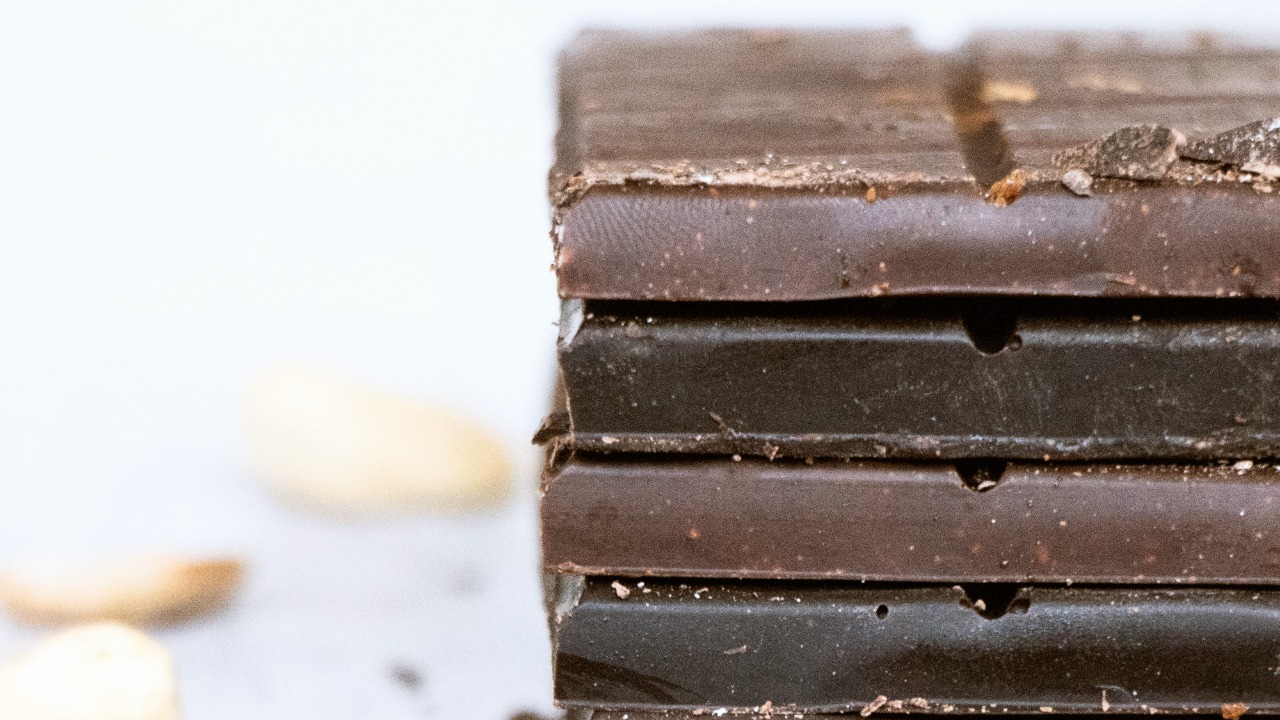

When a glossy bar of chocolate suddenly develops a chalky, pale coating, most people assume it has gone moldy and head straight for the trash. In reality, that white layer is almost always a cosmetic flaw called bloom, not a sign of dangerous spoilage. Understanding why chocolate turns white, and how to prevent it, can save you money, reduce food waste, and make your next baking project a lot less stressful.
Chocolate is a delicate emulsion of cocoa solids, cocoa butter, sugar, and often milk, and small shifts in temperature or humidity can rearrange those ingredients in surprising ways. Instead of mold, what you are usually seeing is fat or sugar migrating to the surface and crystallizing in a new form, which changes the look and texture but not the basic safety of the product.
What chocolate bloom actually is
At its core, bloom is a structural issue inside the chocolate, not an invasion from outside. Chocolate consists of ground cocoa solids suspended in cocoa butter, with sugar and sometimes milk powder dispersed throughout, and when that balance is disturbed, the surface can develop a dull gray or white film that looks like dusting or streaks. Food scientists describe two main types of bloom, fat bloom and sugar bloom, both of which alter the appearance and snap of the bar but leave the underlying ingredients intact, as detailed in technical explanations of Chocolate Bloom.
In fat bloom, liquid cocoa butter moves through the chocolate and recrystallizes on the surface in a different crystal form, which scatters light and creates that whitish cast. Sugar bloom, by contrast, happens when moisture dissolves sugar at the surface and then evaporates, leaving behind rough, opaque sugar crystals that can feel slightly gritty to the touch, a distinction that is central to definitions of Chocolate bloom in confectionery science.
Why your chocolate turns white instead of staying glossy
The most common culprit behind a white film is fat bloom triggered by temperature swings. When chocolate is stored too warm, cocoa butter softens and separates from the cocoa fiber, then as it cools again it migrates outward and sets in a new pattern, which is why one manufacturer notes that “the chocolate turned white because the cocoa butter is separating from the cocoa fiber over time and causing fat bloom” when bars are repeatedly warmed and cooled below about 89°F, a threshold highlighted in guidance on Oct storage advice. Poor tempering during production, where the cocoa butter crystals are not set into their most stable form, also makes bars more vulnerable to this kind of rearrangement later.
Sugar bloom has a different trigger, and humidity is the main villain. Sugar is hygroscopic, meaning it absorbs water from the air, so when chocolate is exposed to damp conditions, condensation can form on the surface, dissolve some of the sugar, and then leave a crust of larger crystals as the moisture evaporates, a process described in detail in discussions of Humidity and Sugar behavior. That is why moving a box of truffles from a cold fridge into a warm kitchen without protection can quickly roughen their once-smooth shells.
Bloom versus mold: how to tell the difference
From a distance, bloom and mold can both look like unwelcome white patches, but up close they behave very differently. Bloom tends to appear as a uniform, dusty film or streaks that follow the shape of the bar, and it feels dry or slightly waxy under your fingers, with no off smells. Mold, by contrast, forms fuzzy or raised spots that can be green, blue, or even black, and food safety specialists stress that any fuzzy patches or discoloration that resemble typical mold growth signal spoilage and should not be eaten, a warning echoed in detailed comparisons of bloom and mold that emphasize that “unlike bloom, mold indicates spoilage” in analyses beginning with the phrase On the differences.
Texture is another giveaway. The white film on bloomed chocolate may look chalky but usually feels smooth, while mold often feels fuzzy to the touch and can be accompanied by a musty odor, a distinction that food service guides make when they explain that the white film on chocolate is typically harmless but that anything that starts to feel fuzzy should be discarded, a point underscored in food safety discussions under the heading Chocolate Go Bad. I rely on a simple rule: if the surface is dry and dusty but smells like normal chocolate, it is almost certainly bloom, but if there is fuzz, color beyond white or gray, or any sour aroma, I treat it as mold and throw it away.
Is bloomed chocolate still safe to eat?
For most home cooks, the key question is not the chemistry but whether that pale bar is still safe. Food technologists are clear that fat bloom and sugar bloom are quality defects, not health hazards, and that the main impact is on appearance and mouthfeel rather than safety, a conclusion repeated in industry analyses of Fat Bloom that explicitly describe bloom as “not health risk.” The flavor may be slightly muted or the snap less crisp, but the underlying cocoa butter and sugar have not suddenly become toxic.
That is why many chocolatiers encourage people to repurpose bloomed chocolate in baking, where the white coating melts away and the cocoa solids still deliver flavor. Guides on handling white bloom emphasize that the phenomenon is harmless and linked to temperature or moisture changes, not contamination, and they recommend using such chocolate in brownies, ganache, or hot chocolate rather than wasting it, a reassurance echoed in consumer explanations of What Is White on Chocolate.
How to prevent bloom and keep chocolate looking its best
Preventing bloom starts with controlling temperature and humidity from the moment chocolate leaves the factory. Experts recommend storing bars and bonbons in a cool, dry place, typically around 60°F to 70°F, away from direct sunlight and strong odors, because storage conditions determine bloom likelihood and, in most cases, leave flavor unchanged even when a dull gray or white film appears, as noted in technical breakdowns of Chocolate Bloom Formed. For home kitchens, that usually means a pantry cabinet rather than the refrigerator, which can introduce condensation and trigger sugar bloom when chocolate is brought back to room temperature.
On the production side, proper tempering is the single most important defense against fat bloom. When chocolatiers temper chocolate, they carefully heat and cool it so that the cocoa butter forms stable crystals, which lock in gloss and snap and slow down fat migration, a process that professional guides describe as essential for products where appearance matters, stressing that for products, tempering is essential to avoid bloom, as outlined in manufacturing advice on tempering. For home bakers, using a thermometer and following a classic tempering curve can dramatically reduce the risk that homemade truffles or bark will turn chalky after a few days.
More from Morning Overview