
Muscle cars have always been a symbol of power, style, and rebellion. One of the most distinctive features of classic muscle cars is the window louvers. While they added an aesthetic flair, their functionality and purpose were equally significant.
The Aesthetic Appeal of Window Louvers
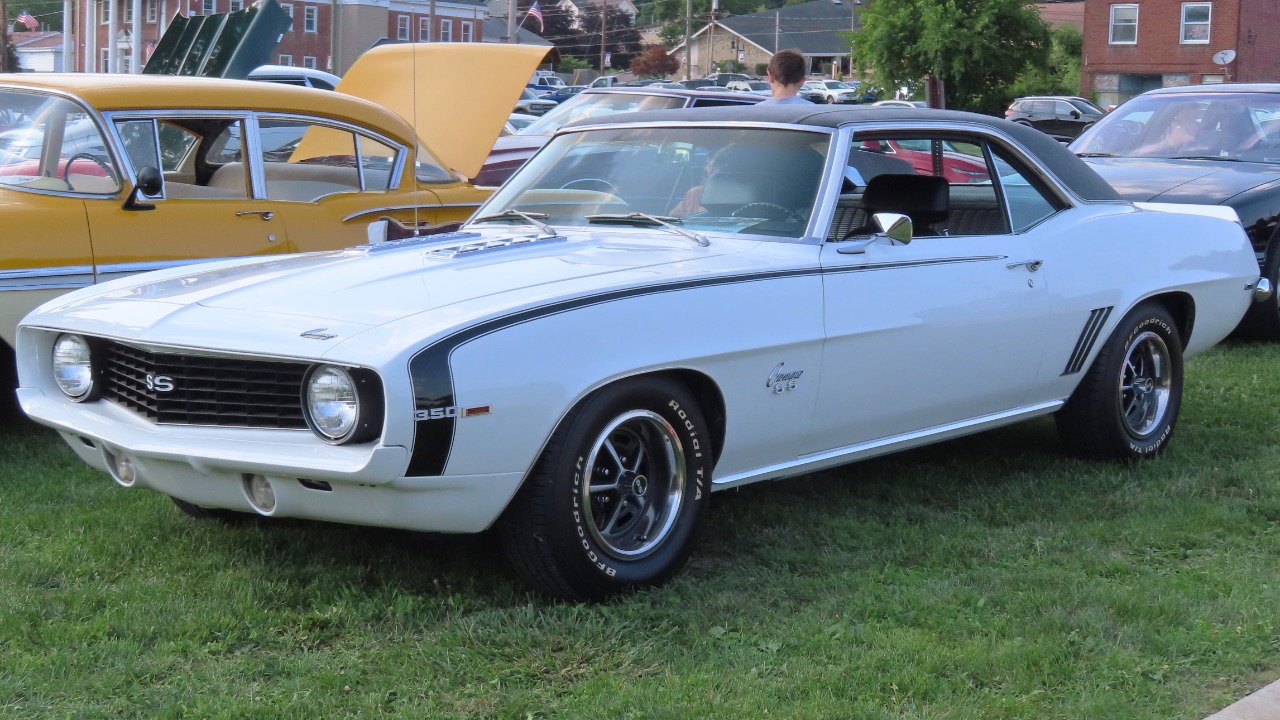
Window louvers contributed significantly to the iconic look of muscle cars. They were more than just a trendy accessory; they added an aggressive and sporty flair that perfectly complemented the muscular build of these vehicles. The louvers, typically found on rear windows, created a sense of motion even when the car was at a standstill. Models like the Ford Mustang Mach 1 or the Chevrolet Camaro SS showcased these features prominently, becoming icons of their era.
Culturally, window louvers held a special place in the automotive scene of the 1960s and 1970s. They were synonymous with the rebellious spirit of the time, representing a break from the conventional and the embrace of individual expression. Louvers allowed car enthusiasts to personalize their vehicles, a trend that was highly valued in a time when personal expression was at the forefront of social change. Customization was key, and louvers were an accessible way for owners to make their cars stand out.
Functional Benefits of Window Louvers
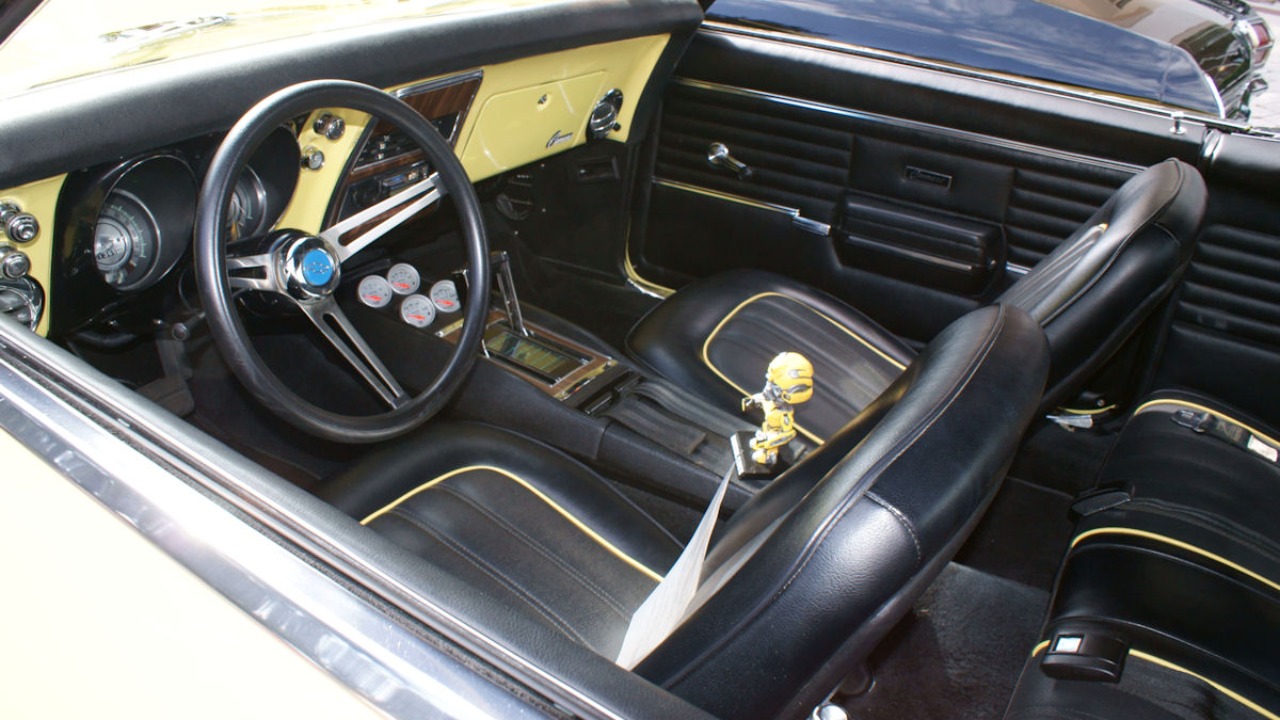
Beyond their visual appeal, window louvers served several practical purposes. One of the primary benefits was heat reduction. By blocking direct sunlight, louvers helped keep the interiors of muscle cars cooler, which was especially valuable during hot summer months. This not only made journeys more comfortable but also reduced the strain on air conditioning systems, which were less efficient than today’s standards.
Another significant advantage of window louvers was glare reduction. By minimizing the glare from the rear window, they improved visibility for drivers, enhancing the overall driving experience. This was particularly beneficial during dawn or dusk when sunlight could be blinding. Louvers also offered protection from UV rays, preserving interior materials from fading or cracking over time. This functionality helped maintain the car’s aesthetic and resale value, making louvers a practical choice for many car owners.
Aerodynamics and Performance
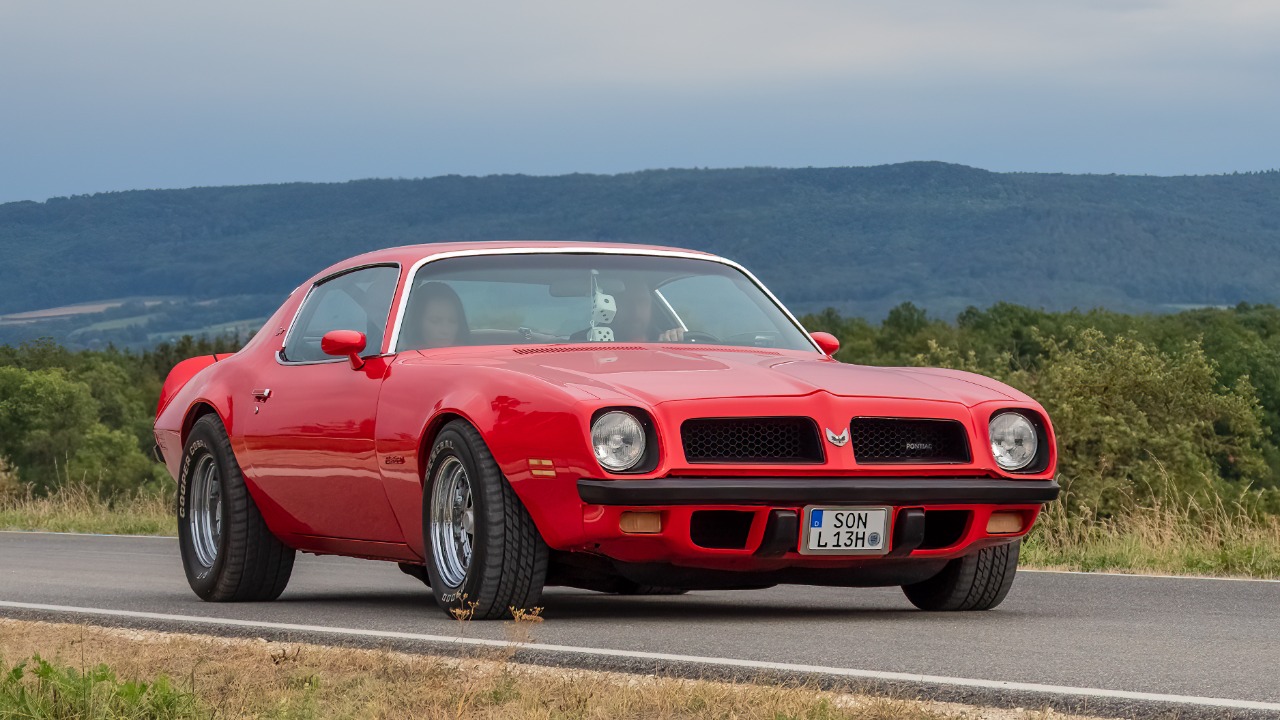
Window louvers were not just about looks and comfort; they also played a role in aerodynamics and performance. By managing airflow over the car’s surface, louvers could potentially reduce drag, thereby enhancing the vehicle’s speed and fuel efficiency. The science behind this is straightforward: by directing airflow more smoothly over the vehicle, the car experienced less resistance, allowing for better performance.
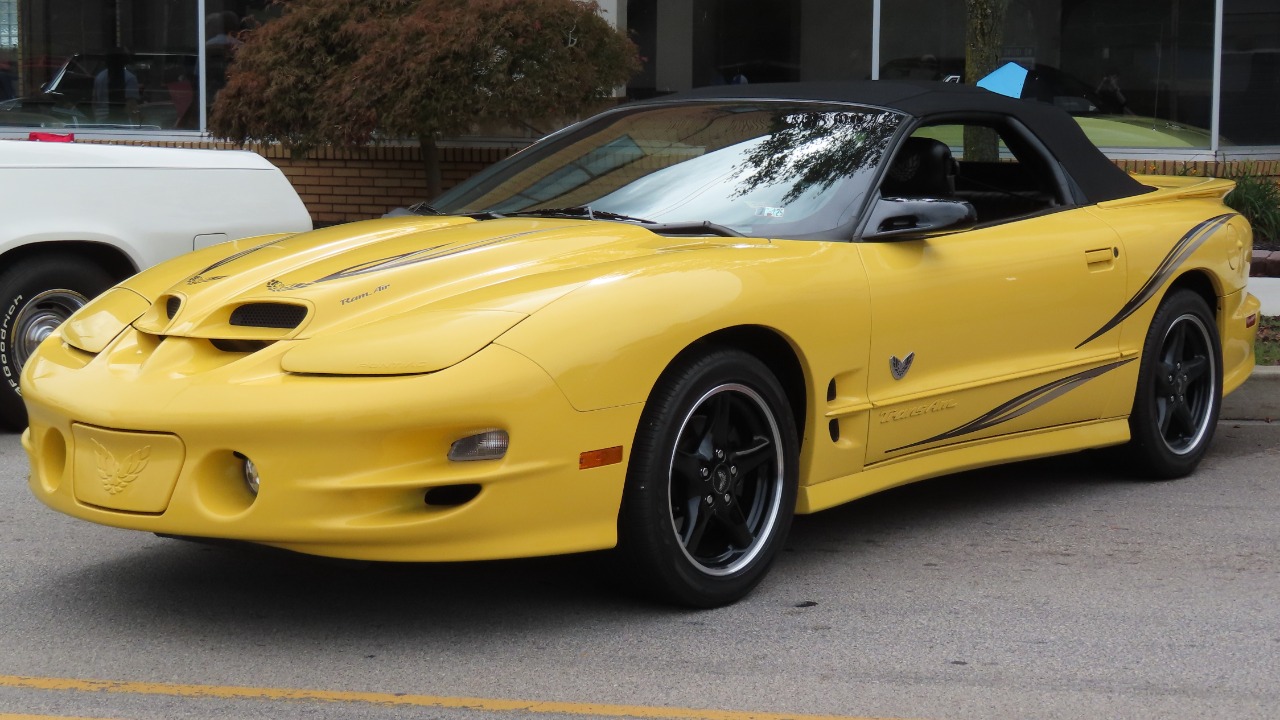
Some muscle car models, such as the Dodge Charger and the Pontiac Firebird, benefitted from these performance gains. While the improvements were not always dramatic, every bit of enhancement was valuable for those looking to get the most out of their vehicles. The combination of style and function made louvers a popular choice for performance-oriented drivers who appreciated the subtle improvements in speed and efficiency.
Louvers in Modern Muscle Cars
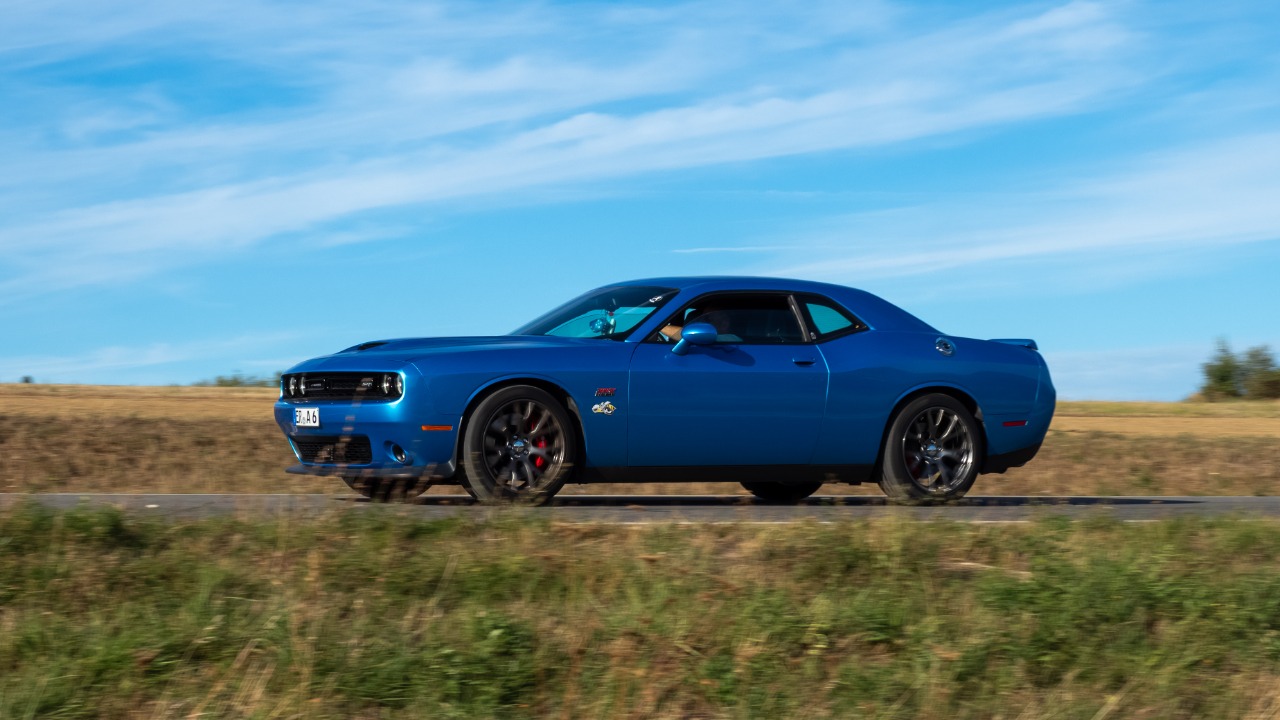
In recent years, there has been a resurgence of interest in retro features, including window louvers. Modern muscle cars have begun to incorporate these elements, blending nostalgia with contemporary design. The market demand for these features is largely driven by a sense of nostalgia and a desire for the distinctive style of classic muscle cars. Models like the Dodge Challenger have embraced this trend, offering louvers as optional accessories for those looking to recapture the spirit of the past.
Technological advancements have also played a role in the reintroduction of louvers. Modern materials and designs have enhanced both the function and style of louvers. For example, today’s louvers are often made from lightweight, durable materials that improve their performance and longevity. The modern iteration of these features ensures that they are not only stylish but also practical, meeting the demands of today’s discerning consumers.
The Future of Muscle Car Design
The influence of classic design elements like window louvers is evident in the evolving trends of muscle car design. As manufacturers look to the past for inspiration, they are also integrating new technologies to enhance performance and sustainability. The potential for smart louvers, which could adjust automatically to optimize airflow and light blocking, is an exciting prospect for future car designs.
Balancing tradition with eco-friendly advancements is a key challenge for the automotive industry. As consumers become more environmentally conscious, the demand for sustainable innovations will likely drive the development of new muscle car features. The future of muscle car design will likely see a continued blending of classic aesthetics with cutting-edge technology, ensuring that the legacy of these iconic vehicles lives on.
