
Brain chips, once a concept of science fiction, are now at the forefront of technological innovation, promising enhancements in cognitive function and medical treatment. However, the potential for misuse and ethical concerns have led to discussions about the possibility of banning such technology.
Exploring the reasons for potential prohibitions reveals a complex landscape of ethical, health, security, societal, and economic challenges.
Ethical Concerns and Human Rights
Privacy Invasion
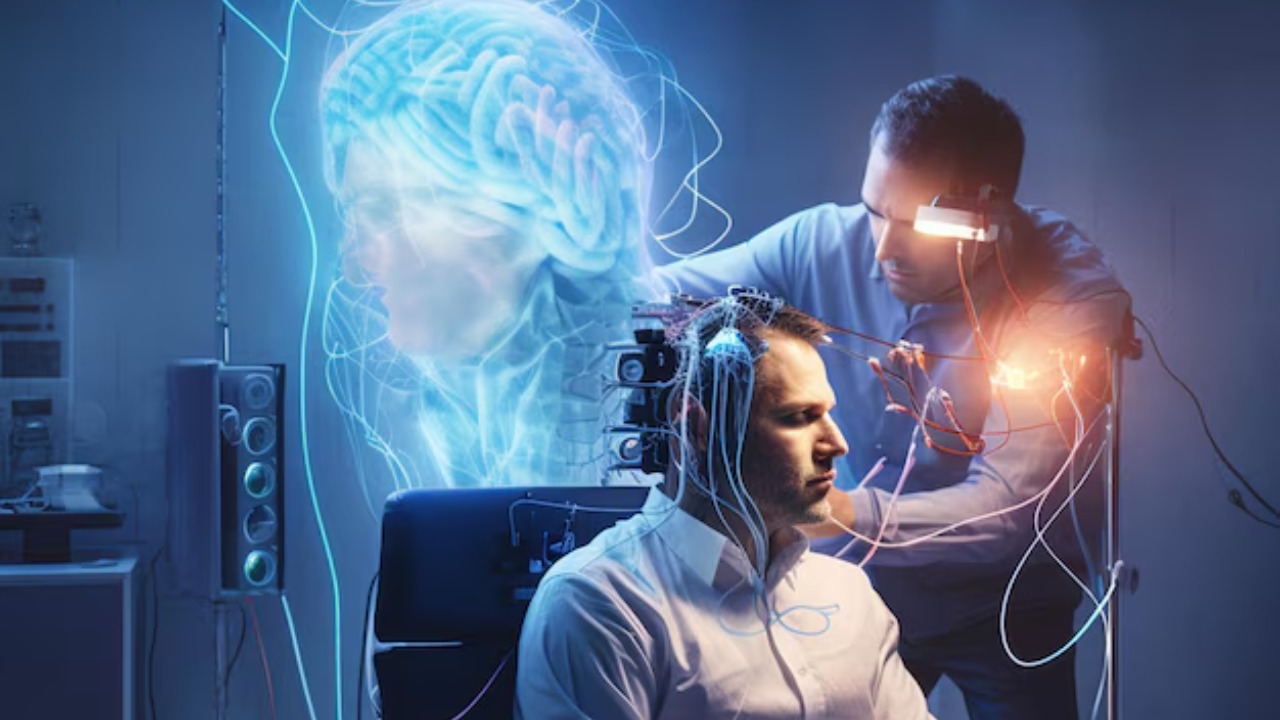
The advent of brain chips brings with it significant privacy concerns. Imagine a world where personal thoughts can be accessed or manipulated by external entities. This possibility raises alarms about unprecedented privacy violations. The ability to monitor or record someone’s internal thoughts could lead to a world where true mental privacy becomes obsolete. This threat to personal liberty underscores the ethical dilemma surrounding brain chip technology.
Autonomy and Free Will
The fundamental right to autonomy and the ability to make independent decisions are also at stake. Brain chips could potentially influence an individual’s choices, leading to questions about the true autonomy of users. The notion that one’s free will could be compromised by technology is deeply unsettling and raises significant ethical concerns about consent and self-determination.
Inequality and Access
Moreover, brain chip technology could exacerbate existing social inequalities. If only the wealthy can afford these cognitive enhancements, a new class divide between the “enhanced” and “non-enhanced” may emerge, leading to societal tensions and discrimination. The implications for social justice and equality are profound, as they could fundamentally alter the fabric of society.
Potential Health Risks
Long-term Safety
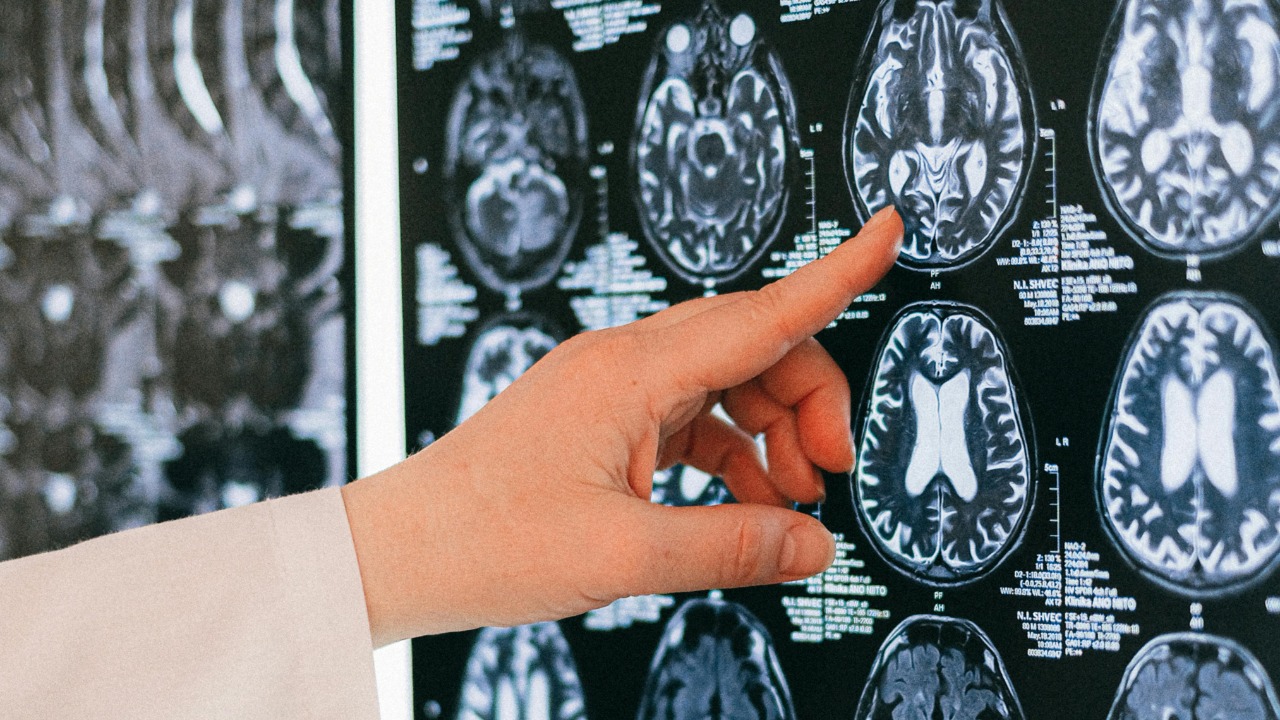
There are growing concerns about the long-term safety of brain chip implants. While promising in theory, the physical and neurological impacts of these devices over extended periods remain largely unknown. Potential risks include physical harm to the brain tissue or unforeseen neurological damage, which could have severe health implications.
Psychological Impact
The psychological effects of integrating technology with human cognition are another area of concern. Brain chips could potentially alter an individual’s personality or identity, prompting fears of unintended psychological changes. Such transformations could affect an individual’s mental health and well-being, presenting a substantial barrier to widespread acceptance.
Regulatory Challenges
Creating regulations to ensure the safety and well-being of brain chip users is proving difficult. The rapid pace of technological advancement often outstrips the ability of regulatory bodies to keep up, leading to potential gaps in oversight. Establishing robust regulatory frameworks is crucial to mitigate risks and protect consumers.
Security Threats and Misuse

Cybersecurity Risks
Brain chips are not immune to the threats of hacking and cybersecurity breaches. These devices, if compromised, could lead to unauthorized control or data theft, posing significant risks to both individuals and society. In a world where personal data is increasingly valuable, the potential for cybersecurity threats cannot be underestimated.
Military and Criminal Exploitation
The potential misuse of brain chips extends to military and criminal applications. These devices could be used to enhance the capabilities of soldiers or be exploited by criminal organizations for nefarious purposes. The ethical implications of such uses are profound and warrant careful consideration and regulation.
Surveillance and Control
Governments or corporations could misuse brain chips for mass surveillance or social control, further infringing on personal freedoms. The ability to monitor or influence individuals on a large scale poses a significant threat to privacy and civil liberties, raising questions about the balance between security and freedom.
Public Perception and Societal Impact
Public Skepticism
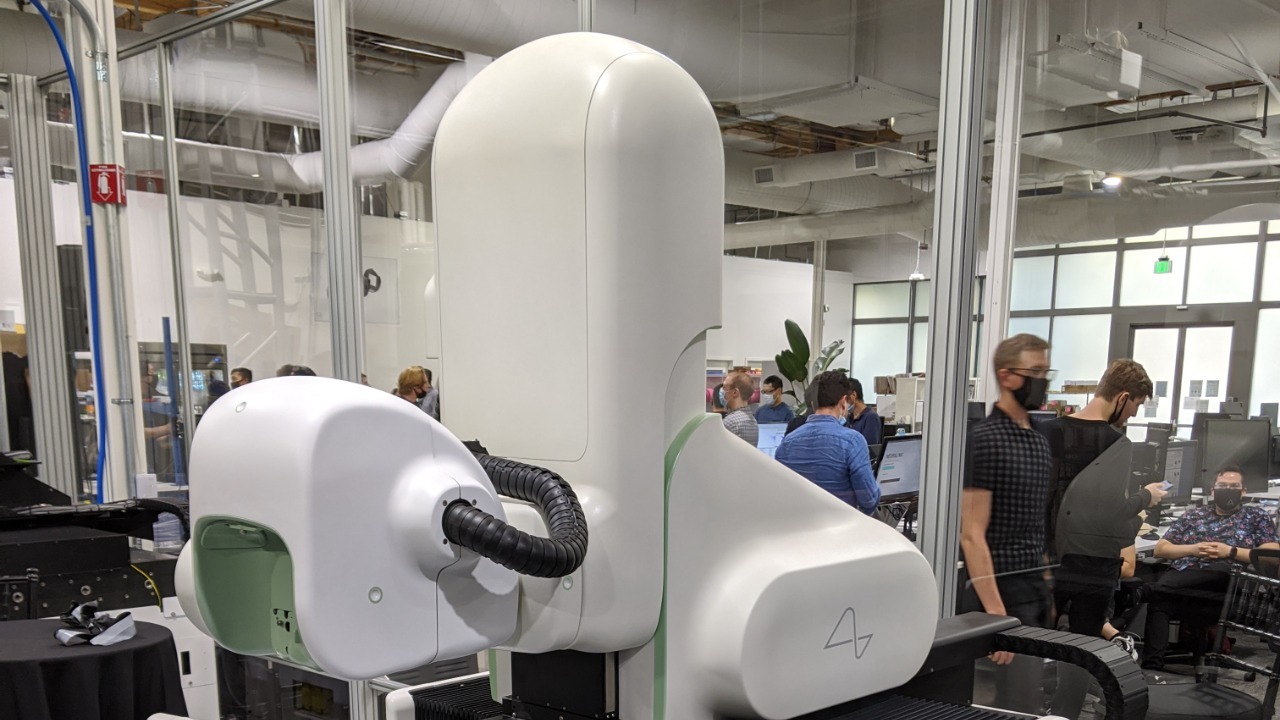
Public perception of brain chip technology is largely skeptical. According to a Pew Research survey, there is widespread caution and resistance to the idea of brain chip implants. This skepticism reflects concerns about safety, ethics, and the potential consequences of integrating technology with human cognition.
Cultural and Religious Opposition
Varying cultural and religious beliefs may also oppose the modification of human cognition. For some, altering the brain with technology may be seen as an affront to natural or divine order, leading to resistance from certain communities. These beliefs must be considered when evaluating the societal impact and acceptance of brain chip technology.
Social Consequences
The creation of “enhanced” versus “non-enhanced” individuals could lead to new forms of discrimination and social stratification. The societal implications are vast, affecting everything from employment opportunities to personal relationships. The potential for a divided society along these lines highlights the need for careful consideration and regulation.
Regulatory and Legal Challenges

Legislative Hurdles
Current legal frameworks may be inadequate for addressing the complexities of brain chip technology. Crafting legislation that balances innovation with ethical considerations is a significant challenge. As technology evolves, so too must the laws that govern its use, requiring a dynamic and responsive legislative approach.
International Disparities
Differences in regulations across countries could lead to uneven adoption and enforcement of brain chip technology. International disparities could create a patchwork of regulations, complicating the development and distribution of these devices. Ensuring a cohesive global approach is crucial to addressing the cross-border implications of brain chip technology.
Intellectual Property and Patents
Legal battles over brain chip technology and ownership rights may also complicate development and distribution. The race to secure patents and intellectual property rights could stifle innovation and create barriers to entry for new players in the market. Navigating these challenges is essential for fostering a competitive and innovative environment.
Economic Implications
Market Monopolies
The risk of a few companies dominating the brain chip market is a significant concern. Such monopolies could stifle competition and innovation, leading to a lack of diversity in available products and services. Ensuring a competitive marketplace is essential for fostering innovation and providing consumers with choices.
Cost and Accessibility
The high costs associated with brain chip technology could limit access to a privileged few, exacerbating social inequalities. Ensuring affordable and equitable access to these technologies is a significant challenge that must be addressed to prevent further societal divides.
Impact on Employment
Cognitive enhancements provided by brain chips could lead to changes in job markets and employment opportunities. As certain individuals gain enhanced cognitive abilities, the demand for certain skills may shift, affecting traditional employment structures. Addressing these changes is essential for preparing society for the future impact of brain chip technology.
