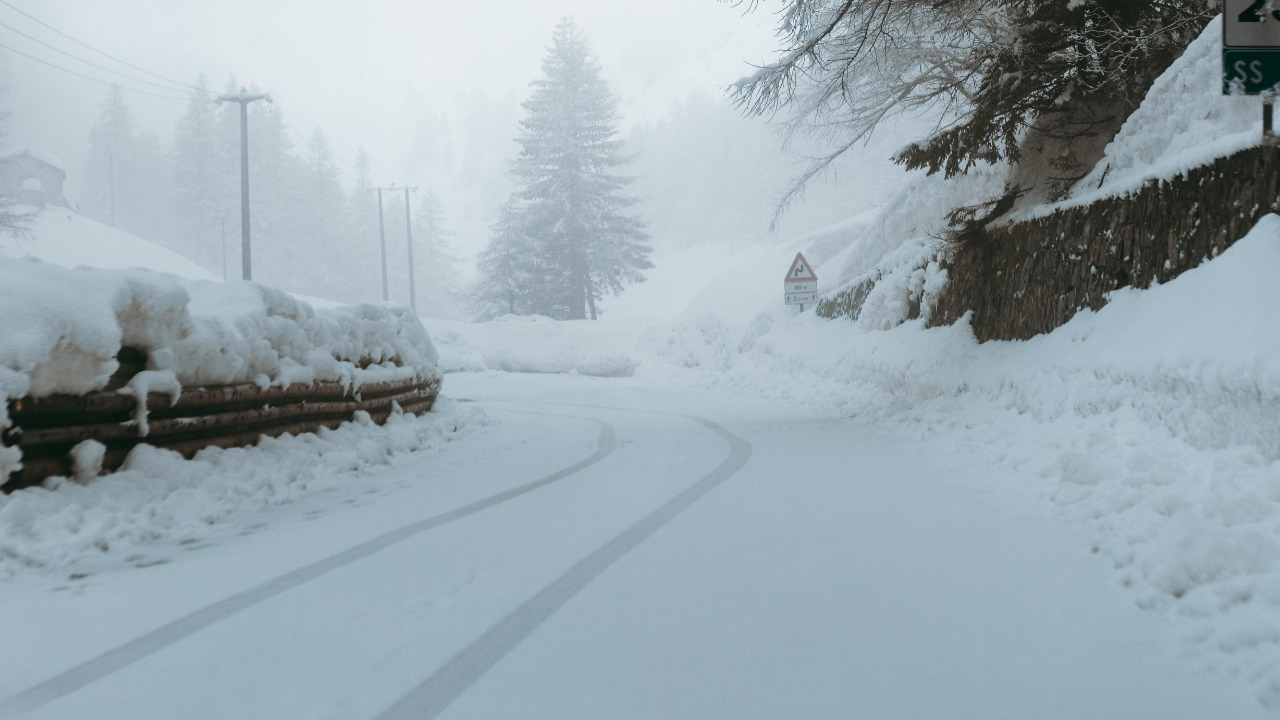

Across the Western U.S., winter has thinned into something unrecognizable. Mountain ranges that should be buried in midseason powder are streaked with bare ground, and the region is now locked in a record‑breaking “snow drought” that is reshaping water supplies, recreation and the basic rhythm of life that once depended on deep, reliable snowpack.
What is unfolding is not just a bad ski year, but a structural shock to the West’s natural water storage system. As snow vanishes from mountains that feed the Colorado River and other major basins, the consequences are cascading from reservoirs to rural economies, exposing how quickly a warming climate can upend assumptions about winter itself.
The anatomy of a historic snow drought
At its core, this crisis is about snow water equivalent, or SWE, the measure of how much liquid water is locked up in the snowpack. Earlier this winter, at least one ground‑based monitoring station in every major western watershed recorded the lowest SWE in at least 20 years, a signal that the region’s high‑elevation “savings accounts” are running dangerously low, according to Jan. That means less slow‑release meltwater to recharge reservoirs and groundwater through spring and summer, and more immediate runoff that rivers and soils cannot bank for later.
What makes this year stand out is how widespread the deficit has become. While it is not unusual for a few basins to lag behind historical averages, nearly every region of the West is now facing snowpack levels far below normal, a pattern that one analysis described as unusually While top heavy. From the Sierra Nevada to the Rockies, the map of snow depth looks less like a patchwork of winners and losers and more like a single, sprawling deficit zone.
Storms, warmth and the vanishing winter landscape
The paradox of this snow drought is that precipitation has not been uniformly absent. Even though precipitation across the West has been average or close to it in many areas, high temperatures have turned what should have been snow into rain, according to one Even assessment. That shift matters because rain runs off quickly, while snow lingers, melts slowly and feeds rivers well into the dry season.
Earlier this winter, atmospheric river storms hammered the Pacific Northwest, dumping up to 24 inches of snow in the Cascade Mountains between Dec. 1 and Dec. 15, according to Cascade Mountains. Yet those same storms brought rain to lower and mid‑elevations, scouring away existing snow and compacting what remained. Much of the western U.S. saw this pattern repeat when atmospheric river storms arrived in December, a sequence described in detail in a separate analysis of how The West is in a snow drought.
Colorado River stakes and a warming baseline
Nowhere are the stakes clearer than in the Colorado River basin, where snow in the Rockies functions as the primary reservoir for tens of millions of people. While there is some snow in the Colorado Rockies this season, many observing stations in the SNOTEL snow condition monitoring network are reporting levels far below normal, a warning sign for the river’s already stressed flows, according to Colorado River. The western US is in a snow drought, and the same report notes that storms have sometimes made it worse by falling as rain or by arriving in bursts that cause runoff to surge past the system instead of soaking in.
That pattern is layered on top of a longer warming trend. With continued warming, the number of days cold enough for precipitation to fall as snow instead of rain is expected to decline, and the timing of snowmelt is shifting earlier in the year, according to a broad analysis of Western snowfall trends. That means even in years when total precipitation looks decent on paper, the mountains may still emerge with a shallow, short‑lived snowpack that cannot sustain rivers through a long, hot summer.
Seeing the crisis from space and on the slopes
The scale of this winter’s transformation is visible from orbit. A recent satellite image captured by The National Aeronautics and Space Administration showed the Western U.S. with snow coverage far below normal, a stark visual that one account said “summed up” the experience of this winter out West, according to National Aeronautics and. Another analysis of the same event noted that the image, taken in mid‑Jan, showed snow water equivalent in some regions at roughly one‑third of the median, a deficit so large it could be seen from space, as described in a report on the Jan image.
On the ground, the absence of snow is just as jarring. Skiers and snowboarders have been forced to walk across dry ground to reach patchy snowfields in parts of California, a scene captured in coverage of how Skiers and are navigating the thin winter. Ski resorts are struggling to open runs, walk‑through ice palaces cannot be built, and one horse‑stable owner has had to swap sleigh rides under Rocky Mountain peaks for wagon rides on bare ground, according to a report on how Ski resorts are being hit.
Economic fallout and a West built on snow
The disappearing snow is rippling far beyond lift lines. More than just skiers and snowboarders are affected; this season’s snow drought is also an economic “recreation drought,” with small towns that depend on winter tourism facing a looming water crisis and a sharp drop in seasonal income, according to an analysis that framed the situation as More than a simple bad winter. Warm weather and low snowpack have left some businesses scrambling to reinvent themselves midseason, trading snowmobile rentals for hiking tours or closing entirely until conditions improve.
At the same time, records are being broken for mild temperatures and low snowpack across the region, even as parts of the East endure yet another deep freeze, according to a summary that noted Records Are Being. That split‑screen winter underscores how climate change is not eliminating cold altogether, but redistributing and amplifying extremes, leaving the West with bare slopes while the East shovels out.
More from Morning Overview