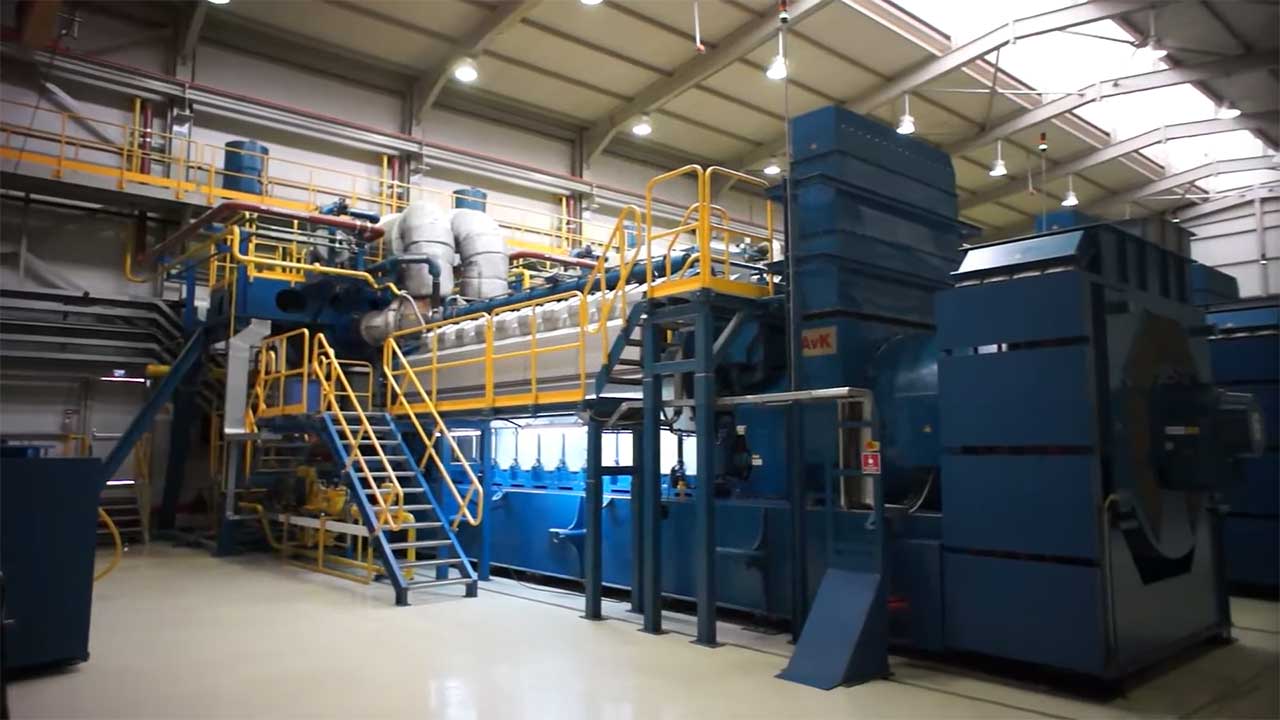

Wärtsilä has secured a 429 megawatt engine order for a new U.S. power plant that will serve a large data center complex, underscoring how digital infrastructure is reshaping the country’s electricity system. The deal, involving dozens of high-efficiency gas engines, positions the Finnish group as a central player in the race to deliver fast, flexible capacity that can keep up with data center demand and a grid increasingly dominated by variable renewables.
At its core, the project is about marrying reliability with agility: engines that can start quickly, follow load, and backstop both hyperscale computing facilities and surrounding communities. It also extends a pattern that has seen Wärtsilä win a series of large U.S. engine contracts, including a 507 megawatt package for data centers, as utilities look for alternatives to traditional baseload plants.
The 429 MW deal and what it delivers
The new order centers on 24 Wärtsilä 50SG gas engines that together will provide 429 MW of capacity for an investor-owned U.S. utility, a configuration designed to supply electricity on demand to a large data center site. Each engine is sized to operate independently, which gives the plant granular control over output and allows operators to match generation closely to the computing load profile. Reporting on the contract notes that the utility is turning to this modular engine block rather than a single large turbine unit so it can ramp units up and down as needed while still maintaining overall plant efficiency, a strategy that reflects how data center power needs can swing sharply over the course of a day.
The project has been described as a major U.S. power plant investment that directly addresses critical energy demand driven by data center development, with Wärtsilä chosen to supply the flexible engine technology that underpins the design. Company statements on the deal emphasize that the order was booked in the first quarter of 2026 and that it is part of a broader push to respond to data center driven load growth in the United States, where hyperscale campuses are increasingly concentrated near major transmission hubs and urban clusters. The plant is framed as a dedicated response to that trend, with the 429 MW of capacity tailored to the specific reliability and uptime requirements of large-scale computing facilities.
Data centers are rewriting U.S. power demand
Behind the contract is a simple reality: data centers are now among the fastest growing sources of electricity demand in the country, and their operators expect near-perfect reliability. Wärtsilä has explicitly linked the new 429 MW plant to the surge in data center growth, describing how the sector’s expansion is creating critical energy demand that traditional grid resources struggle to meet. In a separate overview of the project, the company frames the plant as part of a strategy for responding to data center driven load growth, highlighting that these facilities often cluster in regions where existing generation and transmission are already under strain.
The company’s own track record shows how quickly this niche has scaled. In late 2025, Wärtsilä announced a 507 MW order in the United States to supply 27 engines that will provide continuous power for data centers, reinforcing its view that engines are a reliable solution for this segment. That earlier 507 MW package, described as part of the group’s continued growth in power supply for data centers, was marketed on the ability of the engines to maintain performance even in high ambient temperatures, up to 100 degrees Fahrenheit (37.8 degrees Celsius), a condition that is increasingly common in key data center markets. Taken together, the 507 MW and 429 MW projects show how quickly utilities and developers are turning to engine-based plants to keep up with the digital economy’s appetite for power.
Why utilities are betting on flexible engines
For the investor-owned utility behind the 429 MW plant, the choice of 24 Wärtsilä 50SG engines reflects a broader shift toward flexible, gas-fired capacity that can complement both data centers and renewable energy. The engines are designed for high efficiency at partial load and can start and stop rapidly, which allows operators to follow the data center’s real-time consumption while also providing grid support services. Industry coverage of the order notes that the plant will supply 429 M of electricity on demand, a phrase that underscores the dispatchable nature of the capacity and its role as a controllable resource rather than a must-run baseload unit.
Wärtsilä has been cultivating this utility market for several years. Earlier projects in the United States have seen utilities deploy the company’s gas engines in new power plants that also provide black start capability, improving system resiliency by allowing grid operators to restart sections of the network after a major outage. In those cases, the engines were highlighted for their ability to support renewables integration and to deliver fast response times, attributes that are equally relevant for data center applications. The new 429 MW plant fits squarely into that pattern, combining the need for resilient backup with the flexibility to modulate output as both computing loads and renewable generation fluctuate.
Inside Wärtsilä’s data center strategy
From Wärtsilä’s perspective, the 429 MW order is not an isolated win but part of a deliberate strategy to position its engines as a go-to solution for data center power. Company communications on the U.S. project stress that the plant addresses critical energy demand driven by data center development, language that mirrors how the group has described its broader ambitions in this segment. In a separate announcement, Wärtsilä highlighted that it had been chosen for a major U.S. power plant project tied to data center growth, reinforcing the idea that these facilities are now central to its North American growth story.
The 507 MW U.S. order from Nov 2025 is a key reference point in that strategy. In that deal, the Technology group committed to deliver 27 engines specifically to provide continuous power for data centers, promoting the engines as a reliable power solution that can maintain output even at 100 degrees Fahrenheit (37.8 degrees Celsius). That earlier contract, which the company described as evidence that it continues its growth in the data center segment, showed that operators were willing to invest in engine-based plants rather than relying solely on grid connections and diesel backup. The new 429 MW plant extends that logic, suggesting that utilities now see dedicated engine capacity as a competitive way to serve data center customers while also supporting the wider grid.
What the deal signals for the U.S. grid
The 429 MW engine plant also carries broader implications for how the U.S. grid will evolve as data centers and renewables expand in tandem. Coverage of the project notes that the order, booked in early 2026, comes as U.S. electricity systems face mounting pressure from data center driven load growth and a rising share of variable generation. The plant is described as supporting that demand with dispatchability and fast response times, characteristics that grid planners increasingly prize as they seek to balance solar and wind output with firm capacity that can start quickly when clouds roll in or wind speeds drop.
Wärtsilä Energy Americas vice president Risto Paldanius has framed the situation bluntly, stating that the extreme surge in data centre growth requires reliable electricity and that flexible engine plants are well suited to provide it. Reporting on the 429 MW order by Salong Debbarma, which references the Technology company’s role and its WRTBF listing, underscores that Wärtsilä already has 58 engine power plants in the United States and 5.5 gigawatts of active installations under service agreements. In parallel, other coverage of the contract, including summaries carried on MSN that describe how the Technology company has secured the order to supply flexible engines, and market notes that refer to how Wärtsilä Secures Order for Engines to Power U.S. Data Center Plant, all point to the same conclusion: engine-based plants are moving from niche to mainstream as utilities search for tools that can keep the lights on in a grid shaped by data and decarbonization.
More from Morning Overview