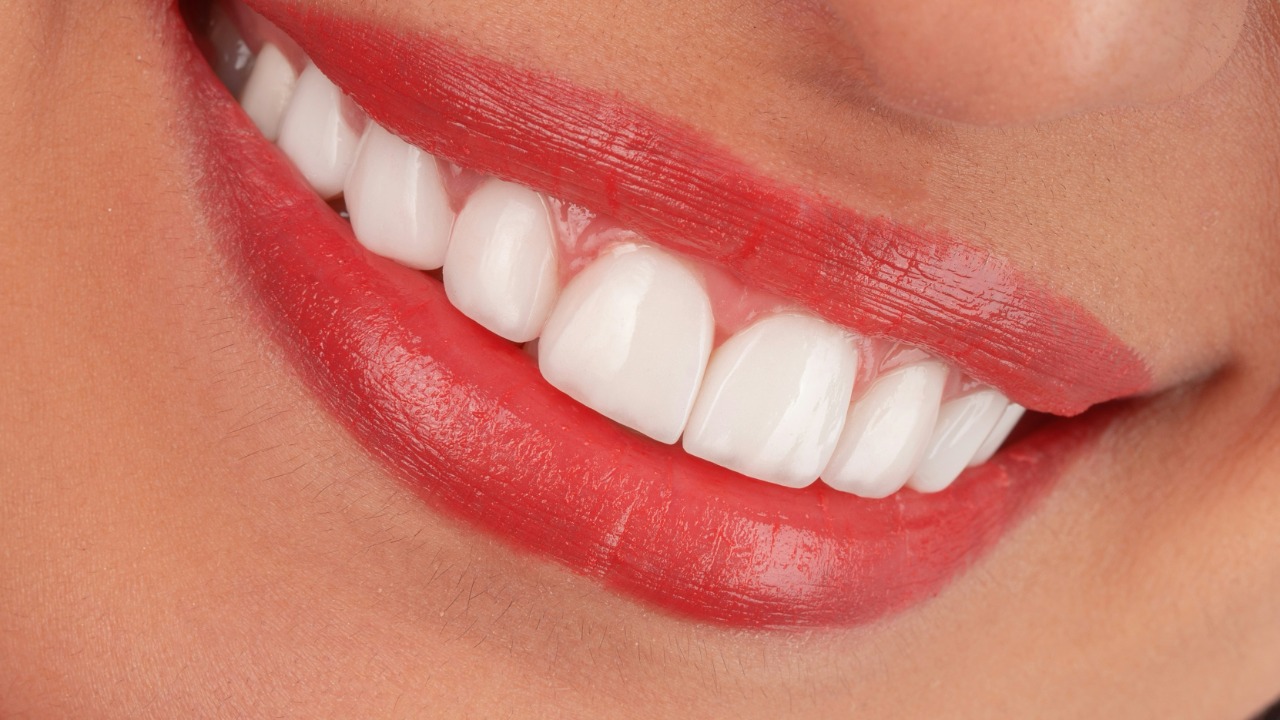

Tooth whitening has long forced people to choose between brighter smiles and stronger enamel. A new vibrating tooth powder aims to end that tradeoff, promising to lift stains while actually rebuilding the tooth surface at the same time. Instead of harsh bleaches, it relies on tiny particles that spring into action when an electric toothbrush starts to buzz.
According to researchers at the Chinese Academy of Sciences, the material is designed to work with the brushing habits people already have, not against them. In early lab tests, it not only lightened darkened teeth but also filled in microscopic defects in enamel, hinting at a future where cosmetic whitening and preventive dentistry share the same jar.
How a buzzing brush turns powder into a tiny power plant
The core of the technology is a ceramic material called BSCT, which is made from charged particles of strontium and calcium combined with barium titanate and then heated into a solid that can be ground into a fine powder. When this BSCT is exposed to the rapid motion of a motorized toothbrush, the vibrations activate an electric charge on the particle surfaces, a process that According researchers describe as a kind of piezoelectric effect that converts mechanical energy into electrical energy. In other words, the same motion that already scrubs plaque now also powers a microscopic cleaning system.
Once energized, the powder generates reactive oxygen species, or ROS, which are chemically active molecules that can break apart the pigmented compounds that make tea, coffee and tobacco stains look brown or yellow. In testing on human teeth that were artificially stained with tea and coffee, Jan scientists reported that a total of four hours of brushing spread over several days produced whitening comparable to conventional bleaching, according to vibrations that came only from a standard electric toothbrush. Because the ROS are generated right at the tooth surface and in relatively low amounts, the team argues that the process can be tightly controlled by how long and how vigorously someone brushes.
Whitening without stripping enamel
Many over-the-counter whiteners rely on high concentrations of hydrogen peroxide or abrasive particles that can erode enamel over time, a tradeoff that Many dentists have warned leaves teeth brighter but more vulnerable to sensitivity and decay. The BSCT approach tries to sidestep that problem by using its electric field to trigger chemistry only at the stain interface, while the particles themselves supply minerals that can re-deposit into the tooth. In lab dishes, the material released strontium and calcium ions that helped form a new mineral layer on damaged enamel, according to oral care data from the same research group.
Even with regular brushing, teeth can become stained from genetic factors or consuming foods and drinks like tomatoes and coffee, and traditional bleaching does nothing to repair the microscopic pits and cracks that let pigments seep in deeper. In contrast, the new powder was shown to promote a smooth, continuous mineral coating over etched enamel samples, which reduced roughness and made it harder for new stains to take hold, according to Even the researchers’ own microscopic imaging. That dual action, whitening while sealing, is what sets the material apart from the charcoal powders and baking soda blends that dominate social media but often sand away enamel instead of strengthening it.
From lab bench to bathroom shelf
The work sits at the intersection of materials science and everyday hygiene, and it is no accident that it appeared in ACS Nano, a journal that focuses on how nanoscale structures behave in real-world systems. According to a study published in ACS Nano, the Chinese Academy of Sciences team designed BSCT so that its particles are small enough to fit into the tiny grooves of enamel but large enough to avoid being inhaled or deeply embedded in gum tissue, a balance that According experts say is crucial for any powder that will be swished around the mouth twice a day. The researchers also tested the material in rats fed with high sugar diets, reporting fewer cavities and less enamel loss in animals that received the powder compared with controls, according to According coverage of the experiments.
Scientists developed a vibrating powder that whitens teeth and repairs enamel simultaneously, and they envision it being used as a direct replacement for toothpaste on electric brushes, with users dipping damp bristles into a jar before cleaning as usual. In their description, Scientists note that the powder could also be blended into strips or trays for people who prefer at-home treatments that sit on the teeth for longer sessions, according to Scientists who have followed the project. The material, called BSCT, is still at a pre-commercial stage, and the team has emphasized that regulatory testing and large human trials will be needed before any consumer product hits the market, a point echoed in BSCT briefings.
What the early tests actually show
In controlled experiments on extracted human teeth, Jan researchers stained samples with tea and coffee until they reached a uniform dark shade, then divided them into groups that received either BSCT with an electric brush, a standard peroxide gel, or plain brushing with water. Over a total of four hours of brushing time, the BSCT group showed whitening that was similar to the peroxide group but with fewer microscopic cracks in the enamel surface, according to Jan reporting on the study design. When vibrated, researchers say the powder generates a small electric field similar to how quartz crystals power watches, and that field appears to drive both stain breakdown and mineral deposition at the same time, according to When the team described the mechanism.
Animal tests added another layer of evidence. In rats fed high sugar diets, teeth treated with the powder showed fewer carious lesions and thicker enamel than those in untreated animals, suggesting that the material’s mineral content and ROS generation may help counteract the acid attacks that follow sugary meals, according to rats data cited by the researchers. Even so, the authors caution that rodent mouths are not human mouths, and they frame these results as proof of concept rather than a guarantee that the same benefits will appear in people who snack on candy and sip soda all day.
How it stacks up against today’s powders and past fads
Teeth whitening powders already crowd pharmacy shelves and TikTok feeds, but many of them rely on coarse abrasives or unregulated ingredients that can do more harm than good. In one viral clip, Jun a creator gushes that a favorite whitening powder makes teeth look brighter, only to admit that overuse has started to leave patches looking more yellow, a cautionary tale captured in a short video at Ow. Another popular explainer, posted by a dentist who opens with “hey everyone and welcome back to the channel Today we’re tackling a question I get a lot,” walks through how some charcoal and clay blends can scratch enamel and inflame gums, according to a breakdown at Today that has been widely shared with patients.
Against that backdrop, the BSCT work is striking because it treats whitening as a side effect of restoring the tooth’s natural mineral structure rather than as a standalone cosmetic goal. The new powder generates ROS only when activated by brushing, and its mineral ions are meant to integrate into enamel instead of stripping it away, according to damage assessments that compare it with peroxide gels. That does not make it risk free, and independent dentists will want to see long term data on sensitivity, gum health and how the material behaves alongside fluoride, but it does suggest a path away from the cycle of whitening, weakening and then trying to repair the harm with desensitizing pastes.
More from Morning Overview